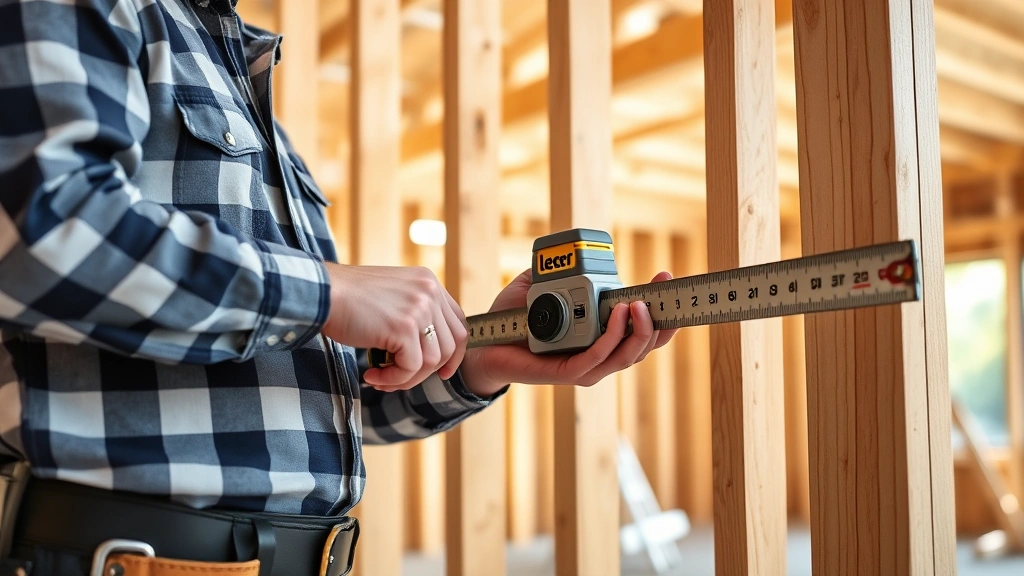
Become a DIY Pro: Expert-Level Tips and Tricks
Transitioning from amateur DIY enthusiast to professional-level builder requires more than just enthusiasm and a toolbox. It demands a strategic approach to skill development, safety protocols, and project management that separates casual weekend warriors from truly competent craftspeople. Whether you’re tackling basement finishing projects or mastering foundational construction techniques, the path to expertise involves deliberate practice, continuous learning, and an unwavering commitment to quality and safety.
The journey to becoming a DIY pro isn’t about accumulating expensive tools or memorizing every building code—though both matter. Instead, it’s about developing a systematic mindset where you approach each project with professional standards, respect for materials and processes, and an understanding of why things work the way they do. This comprehensive guide walks you through the proven strategies, advanced techniques, and professional habits that will elevate your DIY capabilities to expert levels.
Master the Fundamentals Before Going Advanced
Professional builders understand that rushing past foundational skills creates cascading problems throughout complex projects. Before attempting advanced carpentry, electrical work, or plumbing installations, you must develop absolute proficiency with basic techniques. This means spending dedicated time practicing measurements, cuts, fastening methods, and surface preparation until these actions become second nature.
Start by mastering hand tools before relying exclusively on power tools. Understanding how a chisel cuts grain, how a handsaw responds to different wood types, and how to maintain proper tool angles teaches you principles that make power tool work safer and more effective. When you learn beginner woodworking projects, you’re building muscle memory and developing an intuitive feel for materials that no advanced course can replicate.
The fundamentals also include understanding material properties. Professional DIYers know how different wood species respond to moisture, how concrete cures under various conditions, how metal expands with temperature changes, and how drywall performs in different environments. This knowledge informs every decision you make, from material selection to installation methods to finishing techniques. Spend time in different environments—lumber yards, concrete suppliers, hardware stores—talking to professionals and observing how materials behave.
Invest in Quality Tools and Maintenance Systems
Expert-level DIY work requires a curated collection of quality tools rather than a garage full of bargain equipment. The difference between professional-grade and consumer-grade tools becomes apparent immediately when you start using them regularly. Quality tools maintain accuracy longer, require less maintenance, and often include safety features that prevent accidents.
However, quality doesn’t mean buying the most expensive option available. It means understanding which tools justify premium investment and which represent unnecessary expense. A quality circular saw, miter saw, and table saw are worth the investment because accuracy directly affects project outcomes. A mid-range power drill serves most purposes adequately. Understanding these distinctions prevents wasteful spending while ensuring you have reliable equipment for serious work.
Beyond purchasing decisions, professional DIYers implement systematic maintenance routines. This means cleaning tools after each use, maintaining sharp blades and bits, checking calibration regularly, and storing equipment to prevent damage. A dull blade creates tear-out on wood, burns on metal, and forces you to apply dangerous pressure. Sharp tools work faster, produce better results, and create fewer accidents. Dedicate time monthly to blade sharpening, belt maintenance, and equipment inspection.
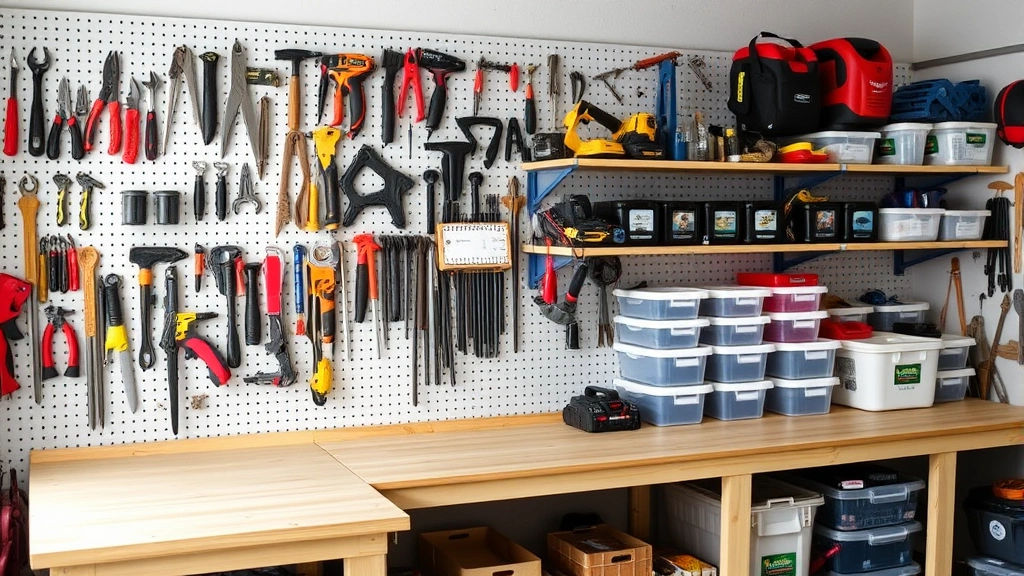
Organize your workspace like a professional shop. This doesn’t require expensive systems—simple pegboards, labeled containers, and logical placement dramatically improve efficiency and safety. When you know exactly where every tool is and everything has a designated spot, you work faster and safer. Professional builders can grab needed items without searching, reducing frustration and project delays.
Understand Building Codes and Safety Standards
This represents perhaps the most critical distinction between amateur DIYers and professionals. Building codes exist because people died learning what works and what doesn’t. Understanding International Building Code (ICC) standards and local regulations isn’t bureaucratic busywork—it’s your insurance policy against creating hazardous conditions.
Professional DIYers study building codes relevant to their work. If you’re installing electrical circuits, you need to understand National Electrical Code (NEC) requirements regarding wire gauges, circuit protection, grounding, and outlet spacing. If you’re working with structural elements, you need to understand load calculations and proper fastening methods. If you’re installing plumbing, you need to know slope requirements, vent sizing, and trap configurations.
Many jurisdictions require permits and inspections for specific work. Rather than viewing this as an obstacle, professionals see it as validation that their work meets safety standards. Inspectors catch mistakes before they become expensive or dangerous problems. Work with inspectors collaboratively, asking questions about code requirements and learning why specific standards apply to your situation.
Safety standards extend beyond codes to personal protective equipment and work practices. Professional-level DIYers never compromise on safety gear. This means wearing appropriate eye protection, hearing protection, dust masks or respirators, and cut-resistant gloves depending on the task. It means understanding electricity hazards when working with circuits, fall protection when working at heights, and respiratory protection when working with dust or fumes. Establish a safety mindset where you never proceed with work until you’ve identified hazards and implemented controls.
Develop Project Planning and Estimation Skills
Professional builders distinguish themselves through meticulous planning before work begins. This means creating detailed project timelines, accurate material estimates, and contingency plans for problems that inevitably arise. Amateur DIYers often start projects with vague ideas and discover problems mid-work. Professionals prevent this through systematic planning.
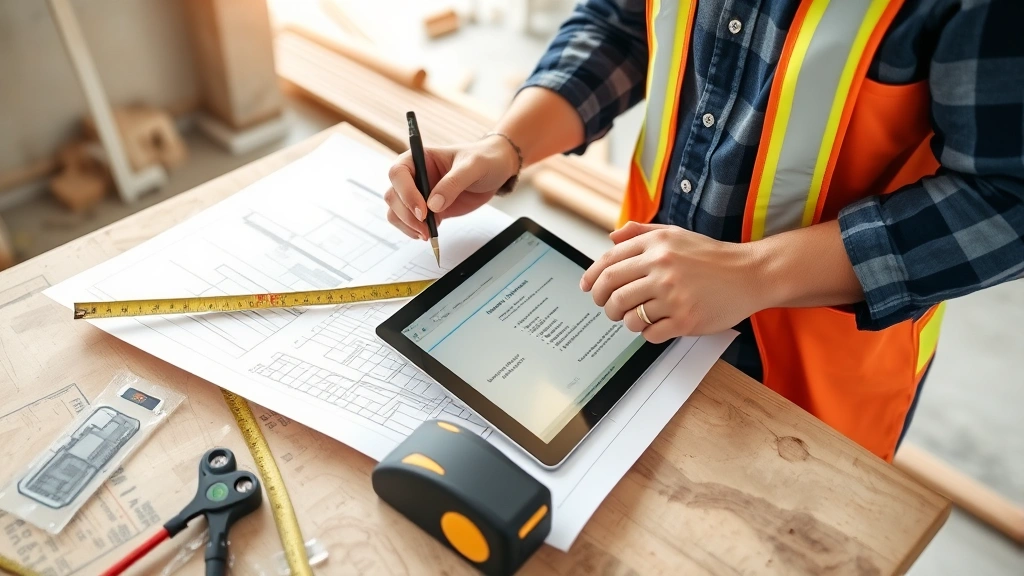
Start by creating a complete bill of materials before purchasing anything. Walk through your project mentally, identifying every fastener, piece of lumber, electrical component, or plumbing fitting required. This prevents multiple trips to suppliers and ensures you have everything needed. It also helps catch planning errors before work begins—much cheaper than discovering missing elements mid-project.
Develop realistic time estimates by tracking how long previous projects actually took, then comparing to your predictions. Most DIYers chronically underestimate time requirements. Professional estimators include buffer time for unexpected complications, material delivery delays, and the learning curve associated with new techniques. If you estimate a project takes ten hours, budget fifteen to account for reality.
When planning complex projects like basement finishing, break work into logical phases with dependencies clearly identified. You can’t install drywall before framing, can’t paint before spackling, can’t install trim before finishing walls. Understanding these sequences prevents costly mistakes and keeps work progressing efficiently.
Document your estimates and actual results. Over time, you’ll develop increasingly accurate predictions for similar work. This data also helps you understand which types of projects suit your skills and which require professional help. Some DIYers excel at structural work but struggle with finishing details. Others master electrical installations but find plumbing confusing. Understanding your strengths and limitations prevents overcommitting to work you’re not ready for.
Build a Knowledge Base Through Research
Professional DIYers are voracious learners who continuously expand their knowledge base. This means regularly consulting manufacturer specifications, technical manuals, instructional videos, and industry resources. Before attempting any significant project, invest time researching best practices, common mistakes, and proven techniques.
Manufacturer specifications aren’t optional suggestions—they’re instructions based on engineering and testing. If a fastener manufacturer specifies particular installation techniques, spacing requirements, or load limitations, following those specifications ensures your work performs as intended. When specifications seem unclear or contradictory, contact manufacturers directly. They typically provide excellent technical support and appreciate questions from builders taking their products seriously.
Subscribe to industry publications and follow professional builder associations that publish technical guidance. Organizations like the National Association of Home Builders publish research on best practices, new materials, and evolving standards. Many resources are freely available online, providing access to professional-level information at no cost.
Join online communities and forums where experienced DIYers and professionals share knowledge. While internet advice varies in quality, communities focused on specific trades or project types attract knowledgeable members who provide sound guidance. Ask specific questions, provide context about your situation, and learn from others’ experiences and mistakes.
Document your learning by creating a personal reference system. This might be a physical notebook, digital files, or spreadsheet where you record techniques, specifications, lessons learned, and solutions to problems you’ve encountered. Over time, this becomes an invaluable resource that helps you work faster and avoid repeating past mistakes.
Practice Precision and Attention to Detail
The difference between amateur and professional work often comes down to precision and attention to detail. Professionals understand that small errors compound throughout projects. A framing error of half an inch might seem trivial but creates cascading problems when installing doors, windows, or finishing materials.
Invest in quality measuring tools and use them religiously. A quality tape measure, level, square, and stud finder are fundamental to accurate work. Understand how to use these tools correctly—many DIYers hold measuring tapes at angles that introduce errors, use levels on uneven surfaces that give false readings, or misunderstand how squares work. Master your measuring tools until you consistently achieve accuracy within acceptable tolerances.
Develop habits that catch errors before they become expensive problems. Double-check measurements before cutting. Verify that walls are plumb and level before installing components. Test fit materials before permanent installation. These habits seem time-consuming initially but actually save time by preventing rework.
When working with materials, understand and respect their tolerances and limitations. Lumber varies in dimension and straightness. Drywall has thickness variations. Tile varies slightly in size. Professional installers account for these variations through proper techniques like shimming, spacing, and selection. They don’t force materials into positions that create stress or gaps.
Finishing details separate professional work from amateur projects. This includes caulking gaps properly, sanding transitions smooth, painting with proper technique, and installing trim that fits perfectly. These details take time but transform a project’s appearance and longevity. Professional DIYers treat finishing work with the same seriousness as structural work.
Learn From Failures and Mistakes
Every experienced builder has made significant mistakes. What distinguishes professionals is how they respond to failures. Rather than hiding mistakes or blaming external factors, professionals analyze what went wrong, identify root causes, and implement changes to prevent recurrence.
When projects don’t turn out as planned, resist the urge to simply move forward. Instead, pause and investigate. Did you misunderstand the technique? Did you use incorrect materials? Did you fail to account for specific conditions? Understanding root causes prevents repeating the same mistake on future projects.
Some mistakes are expensive lessons that justify the cost through knowledge gained. If you spend fifty dollars extra on materials to test a technique before implementing it on a thousand-dollar project, that’s excellent use of resources. If you hire a professional for a single hour to explain proper technique, that investment prevents far more expensive mistakes.
Document your failures and the lessons learned. This might feel uncomfortable—most people prefer remembering successes—but failure documentation becomes your most valuable reference material. When you encounter similar situations in the future, you’ll remember the mistake and know exactly how to handle it correctly.
Develop resilience and perspective about failures. Every professional builder has projects that didn’t meet their standards. The difference is they learn and improve rather than becoming discouraged. Some of the best DIY pros are people who failed early, learned aggressively, and persisted through the learning curve.
FAQ
How long does it actually take to become truly proficient at DIY projects?
There’s no universal timeline because proficiency depends on your specific goals, the types of projects you pursue, and how intensively you practice. Basic competency in common household repairs might take six months to a year of regular practice. Developing expert-level skills in specific trades typically requires two to three years of consistent work. However, you can become proficient enough for most homeowner needs within the first year by focusing on fundamentals, following proper procedures, and learning systematically.
Should I take formal training or can I learn entirely through self-study?
Both approaches work, and ideally you combine them. Self-study through books, videos, and online resources is excellent for foundational knowledge and technical understanding. However, formal training—whether through community college courses, trade schools, or apprenticeship programs—provides hands-on instruction, correction of technique errors, and access to experienced instructors who can accelerate your learning. Many successful DIY pros use self-study for initial learning, supplement with occasional formal classes, and learn continuously through hands-on experience.
What’s the most important tool investment for beginning DIY work?
A quality circular saw and miter saw combination provides maximum utility for most DIY projects. These tools handle the majority of cutting tasks accurately and safely. Pair these with a quality drill and you can tackle most common projects. As you progress and identify specific needs, expand your collection strategically based on the types of projects you pursue. Quality over quantity always—one excellent tool outperforms three mediocre ones.
How do I know when a project exceeds my skill level?
Professional DIYers are honest about their limitations. If a project involves electrical work affecting the main panel, structural modifications affecting the building’s integrity, or complex plumbing affecting sewage systems, professional installation is typically required. Similarly, if you lack proper tools, don’t understand safety requirements, or feel uncertain about procedures, hiring professionals is the right choice. Professional help isn’t failure—it’s intelligent project management. When considering hiring professionals, research local contractors and check contractor licensing requirements in your area.
What’s the best way to stay current with new techniques and materials?
Subscribe to industry publications, follow professional associations, and maintain connections with builders and contractors. Attend occasional workshops or seminars on topics relevant to your interests. Most importantly, remain curious and willing to try new techniques on appropriate projects. When you encounter unfamiliar materials or methods, research them thoroughly before implementation. Building professionals continuously learn throughout their careers because construction evolves with new materials, techniques, and understanding.
How should I handle situations where I’m unsure about code requirements?
Contact your local building department directly. Most jurisdictions employ code officials who provide free guidance to homeowners about requirements for specific projects. They can explain what permits you need, what inspections apply, and what code sections govern your work. This is far better than guessing and discovering problems after completing work. Building departments want projects done correctly and typically provide excellent guidance when you ask respectfully.
What’s the relationship between DIY skills and professional work like home security installation or water filtration?
Many DIY skills transfer across different project types. Understanding how to run wiring safely applies whether you’re installing lights or setting up home security systems. Similarly, understanding plumbing principles helps when implementing water filtration systems. The fundamentals of careful planning, precise installation, and quality finishing apply across all DIY projects. Start with projects that build foundational skills, then apply those skills to increasingly complex work.


