Tattoo Aftercare: How Long to Keep Second Skin On Your Tattoo (48-72 Hours)
Second skin bandages have revolutionized tattoo aftercare by providing a protective barrier that keeps your fresh ink clean, moist, and properly healed. However, one of the most common questions tattoo enthusiasts ask is exactly how long they should keep this protective layer in place. The answer typically falls within a 48-72 hour window, though individual circumstances may vary based on your specific tattoo, skin type, and the brand of second skin product you’re using.
Understanding the proper timeline for second skin removal is crucial for achieving optimal healing results and preventing complications like infection, excessive scabbing, or color loss. This comprehensive guide walks you through everything you need to know about maintaining your second skin application, recognizing when it’s time to remove it, and what comes after removal to ensure your tattoo heals beautifully.
What Is Second Skin for Tattoos?
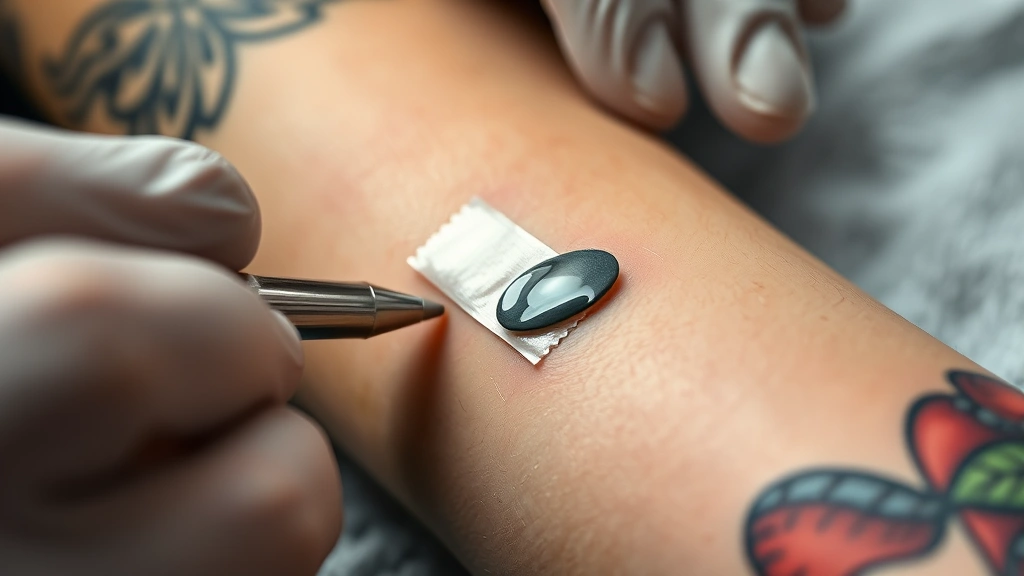
Second skin, also known as adhesive bandage film or waterproof tattoo film, is a specialized medical-grade barrier designed to protect fresh tattoos during the critical initial healing phase. Popular brands include Saniderm, Tegaderm, and similar products that create a sealed environment around your new tattoo. These transparent films are breathable yet waterproof, allowing oxygen to reach the tattoo while preventing bacteria, dirt, and other contaminants from entering the wound.
The primary function of second skin is to maintain optimal moisture levels around the tattoo site. Unlike traditional open-air healing methods that require frequent lotion applications, second skin creates a controlled microenvironment that naturally exudes plasma and lymphatic fluid—the body’s way of protecting and healing the wound. This moist healing environment can significantly reduce scabbing and promote faster, more vibrant color retention in your tattoo.
Second skin differs fundamentally from standard plastic wrap or cling film, which many older tattoo aftercare methods recommended. Modern second skin products are specifically engineered with the right balance of permeability to allow proper healing while maintaining protection. Understanding this distinction helps explain why timing matters so much when deciding when to remove your second skin application.
The 48-72 Hour Timeline Explained
The widely recommended 48-72 hour window for keeping second skin on your tattoo is based on how your body naturally heals puncture wounds. During the first 48 hours, your tattoo experiences the most significant inflammatory response. Your immune system is actively working to seal the wound, and your body produces lymphatic fluid and plasma that accumulates under the second skin film.
By the 48-hour mark, most of this initial exudate has accumulated beneath the bandage. You may notice the film has become cloudy or filled with fluid—this is completely normal and indicates the healing process is progressing as intended. However, if you leave second skin on beyond 72 hours, several problems can develop. The accumulated fluid creates an overly moist environment that can soften the skin excessively, potentially leading to ink loss or color fading.
The 72-hour cutoff represents the absolute maximum recommended time for most second skin products. Leaving the bandage on longer than this creates diminishing returns on protection while increasing risks of complications during healing. Many professional tattoo artists recommend removing second skin between 24-48 hours for smaller tattoos and 48-72 hours for larger pieces, depending on how much fluid accumulates.
Individual variation plays a significant role in determining your ideal removal time. Factors including your skin type, the tattoo’s size and location, ink density, and your body’s natural healing speed all influence how quickly fluid accumulates under the bandage. Some people with very fast inflammatory responses may need removal at the 24-hour mark, while others with slower reactions can comfortably extend to 72 hours.
Signs Your Second Skin Is Ready for Removal
Rather than strictly adhering to a predetermined timeline, the best approach is learning to recognize physical signs that your second skin has served its purpose and should be removed. The most obvious indicator is significant fluid accumulation beneath the film. When the bandage becomes noticeably cloudy or you can see substantial pooling of yellowish or clear liquid, removal is typically due.
Check your second skin every 12-24 hours during the recommended window. Look for these key signs indicating readiness for removal:
- Visible fluid accumulation: Cloudy appearance or visible pooling under the film indicates maximum fluid collection
- Edges beginning to lift: Natural skin movement and fluid pressure may cause the bandage edges to start separating from your skin
- Itching or mild discomfort: Some itching is normal healing, but excessive irritation suggests removal time
- Skin wrinkles under the film: Excessive moisture can cause the skin beneath to become overly soft and wrinkled
- Mild odor: A slightly sour smell under the bandage is normal but indicates the healing phase is progressing
Never wait for the second skin to fall off on its own. Proactively removing it during the appropriate window prevents the negative effects of over-moisturization while ensuring your tattoo receives adequate protection during its most vulnerable healing phase. Trust these physical indicators more than clock time alone.
How to Properly Remove Second Skin
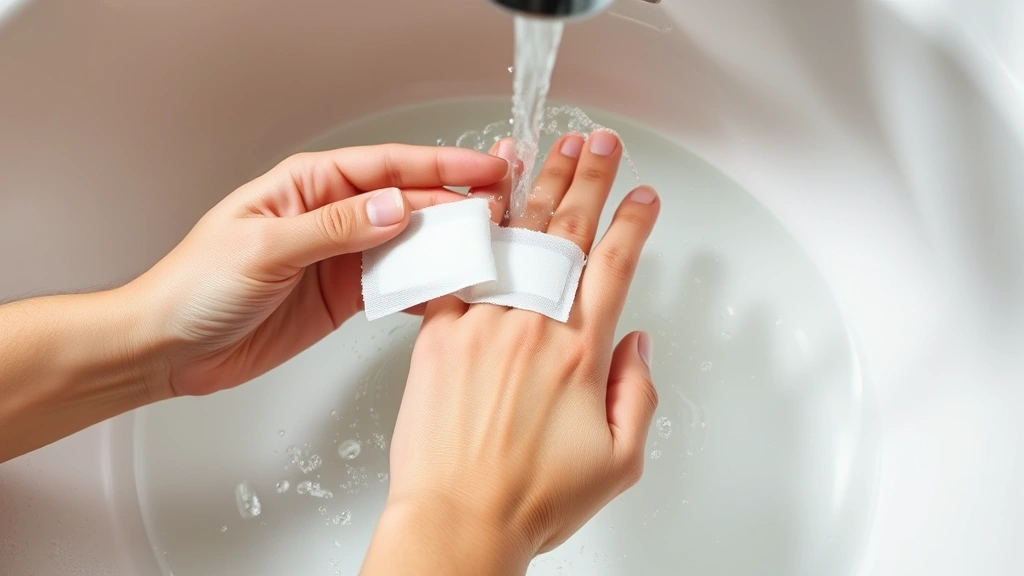
Removing second skin requires care and attention to avoid disrupting your healing tattoo. Begin by thoroughly washing your hands with antibacterial soap and warm water. This prevents introducing bacteria at the moment you’re exposing your fresh wound to the environment.
Fill a clean sink or basin with warm water and submerge the tattooed area for 2-3 minutes. This softens the adhesive and makes removal gentler on both your skin and the tattoo. Alternatively, you can apply warm, damp compresses directly to the bandaged area. The warmth and moisture help loosen the film’s adhesive bond.
Once adequately softened, gently peel one corner of the second skin bandage and slowly lift it away from your skin at a shallow angle—avoid pulling straight up, which can irritate the area. Work slowly, allowing the warm water to continue softening the adhesive as you lift. If you encounter resistance, apply more warm water and wait a moment rather than forcing removal.
After completely removing the bandage, gently pat the tattoo dry with a clean, disposable paper towel. Avoid using cloth towels, which can harbor bacteria and lint. Inspect your tattoo carefully for any signs of infection, excessive bleeding, or unusual swelling. Some clear or slightly bloody fluid drainage is normal, but excessive bleeding warrants contacting your tattoo artist or healthcare provider.
Do not immediately apply lotion or ointment after second skin removal. Allow your tattoo to air dry for several minutes first. This brief exposure to air helps your skin transition from the sealed environment back to normal conditions. After this brief air-drying period, you can resume regular tattoo maintenance routines with unscented lotion.
Aftercare Following Second Skin Removal
The period immediately following second skin removal is critical for ensuring your tattoo continues healing properly. Your tattoo has been in a protected, moist environment for 48-72 hours, and it now needs to transition to normal healing conditions while remaining protected from contamination.
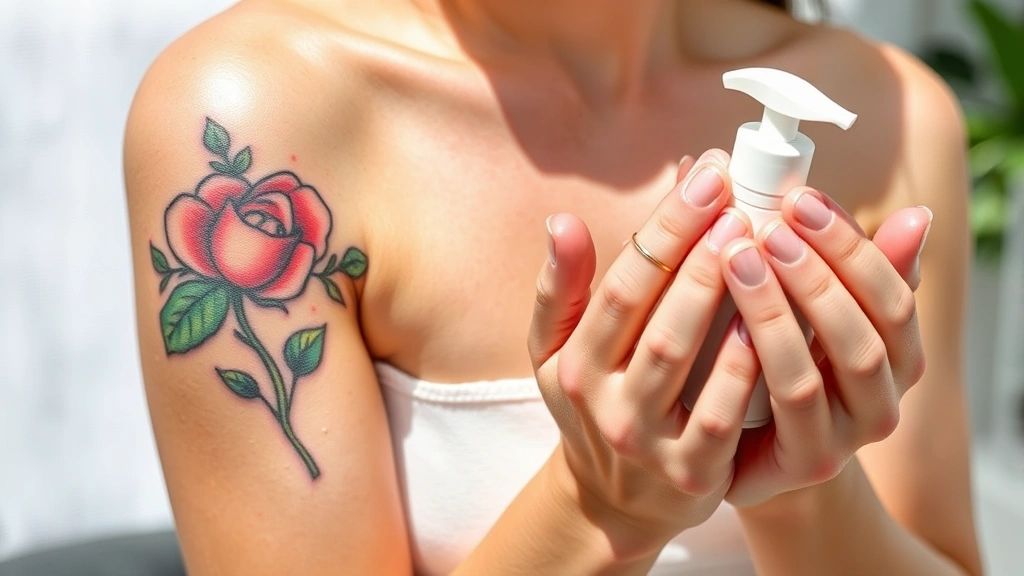
For the next 1-2 weeks after removing second skin, maintain a consistent aftercare routine. Apply unscented, fragrance-free lotion 2-3 times daily using clean hands. Recommended products include Cetaphil, Eucerin, or similar gentle moisturizers that won’t irritate healing skin. Avoid heavy petroleum-based ointments like Aquaphor or Vaseline, which can suffocate the tattoo and cause color fading.
Keep the tattoo clean by gently washing it with unscented antibacterial soap and lukewarm water 2-3 times daily. Pat dry with clean paper towels and allow brief air exposure before applying lotion. Avoid submerging the tattoo in baths, pools, or hot tubs for at least 2-3 weeks, as prolonged water exposure can cause ink loss and increase infection risk.
Protect your healing tattoo from direct sunlight during the first 2-3 weeks. UV exposure can fade fresh ink and increase inflammation. Once fully healed, apply SPF 30+ sunscreen whenever your tattoo will be exposed to sun. Wear loose, breathable clothing that won’t rub against the tattoo, as friction can disrupt healing and cause scarring.
Some light scabbing is normal during the second and third weeks of healing. Resist the urge to pick or scratch at scabs, as this can remove ink and create permanent scarring or color loss. Let scabs naturally flake away as your skin heals. If you notice your tattoo is excessively itchy, applying a thin layer of unscented lotion usually provides relief.
Common Mistakes to Avoid
Many people make preventable errors when using second skin that compromise their tattoo’s final appearance. Understanding these common pitfalls helps you avoid them and achieve the best possible healing outcome.
Leaving second skin on too long: The most frequent mistake is keeping the bandage on beyond 72 hours. While you might think extended protection helps, excessive moisture actually damages the tattoo. Fluid accumulation softens skin excessively, leading to ink loss and color fading. Set a phone reminder for your removal window to avoid procrastination.
Removing second skin too early: Conversely, removing it before 24 hours provides insufficient protection during your tattoo’s most vulnerable phase. Your tattoo needs this barrier while initial inflammation is highest. If your bandage feels uncomfortable, resist the urge to remove it immediately—most discomfort subsides within a few hours.
Replacing second skin: Some people attempt to apply a new layer of second skin after removal. This isn’t recommended, as your tattoo has already transitioned from the sealed environment and reapplying the barrier disrupts the natural healing progression. Stick with regular lotion-based aftercare after removal.
Using improper removal techniques: Forcefully ripping off second skin can cause bleeding and trauma to your fresh tattoo. The gentle, warm-water-assisted removal method described above prevents unnecessary damage. Take your time during removal rather than rushing.
Ignoring fluid accumulation: Some people panic when they see fluid under the bandage and remove it prematurely. Fluid accumulation is normal and expected. Only remove the bandage when your predetermined window arrives or when signs indicate readiness—not based on anxiety about the appearance.
Skipping the transition period: After second skin removal, some people neglect proper aftercare, thinking the protective phase is over. The weeks following removal are equally important for final healing. Maintain your lotion routine and protection measures throughout the entire healing process.
When Second Skin Isn’t Recommended
While second skin is appropriate for most tattoos, certain situations warrant alternative aftercare approaches. Understanding when to use or avoid second skin helps you make informed decisions with your tattoo artist.
Second skin may not be ideal for tattoos on areas prone to heavy moisture or friction. Hands, feet, and areas that experience constant rubbing can cause the bandage to shift or fail to adhere properly. In these locations, traditional lotion-based aftercare might be more effective. Discuss location-specific concerns with your tattoo artist before your appointment.
Some people develop allergic reactions or skin sensitivity to the adhesive used in second skin products. If you’ve experienced reactions to medical bandages, adhesive patches, or similar products previously, inform your tattoo artist. Alternative aftercare methods can protect your tattoo without triggering allergic responses.
Extremely large or full-body tattoos may require modified second skin application. Some artists apply second skin in sections rather than as one continuous piece, which allows for better fluid management and easier removal. Work with your artist to determine the best approach for your specific project.
Tattoos with very fine line work or extremely light coloring sometimes benefit from shorter second skin application periods (24 hours rather than 72) to minimize ink displacement from fluid accumulation. Your tattoo artist can make personalized recommendations based on their techniques and your skin characteristics.
If you have compromised immune function, certain medical conditions affecting wound healing, or are taking medications that slow healing, consult your healthcare provider before using second skin. While generally safe for most people, individual health circumstances may warrant different approaches.
FAQ
What happens if I leave second skin on longer than 72 hours?
Leaving second skin on beyond 72 hours creates an overly moist environment that can cause several problems. Excessive fluid accumulation softens your skin too much, potentially leading to ink loss and color fading. The prolonged sealed environment can also increase the risk of bacterial growth and infection. Stick to the 48-72 hour window to avoid these complications.
Can I shower or bathe with second skin on?
Yes, one of second skin’s major advantages is its waterproof properties. You can shower normally with the bandage in place. However, avoid prolonged soaking or submerging your tattoo in baths, hot tubs, or pools even while wearing second skin. Extended water exposure can cause the adhesive to fail prematurely or allow water to seep underneath.
Is the fluid under second skin infected?
No, the fluid accumulating under second skin during normal healing is not infected. This fluid is primarily plasma and lymphatic fluid—your body’s natural response to the tattoo wound. It’s typically clear or slightly yellowish and has a mild odor. Infected fluid would appear thick, pus-like, or discolored yellow or green with a foul smell. If you suspect infection, contact your tattoo artist or healthcare provider immediately.
What if my second skin starts peeling at the edges before 48 hours?
Premature edge peeling can happen due to activity, friction, or improper application. If edges begin lifting significantly before your intended removal time, you have two options: carefully press the edges back down and secure them, or remove the entire bandage and switch to traditional lotion-based aftercare. Partially peeled bandages that allow bacteria access to your tattoo defeat their protective purpose.
Should I apply lotion under the second skin?
No, second skin works best applied directly to clean, dry skin without lotion underneath. Lotion prevents proper adhesion and allows the bandage to slip. Your tattoo’s natural fluid production beneath the second skin provides all the moisture needed during this healing phase. Apply lotion only after removing the bandage.
Can I reapply second skin if the first application fails?
It’s not recommended to reapply second skin once it’s been removed or has failed. Your tattoo has already begun transitioning from the sealed healing environment. Reapplication disrupts this natural progression and can trap bacteria under the new bandage. If your original second skin fails prematurely, switch to diligent lotion-based aftercare instead.
How do I know if my tattoo is healed enough to stop special aftercare?
Most tattoos reach the point where regular lotion application can stop after 2-3 weeks, though complete internal healing takes 4-6 weeks. Your tattoo is ready for reduced aftercare when it no longer appears shiny or wet, scabs have naturally flaked away, and the skin texture returns to normal. Even after special aftercare ends, continue using sunscreen on your tattoo indefinitely to preserve color and prevent fading.


