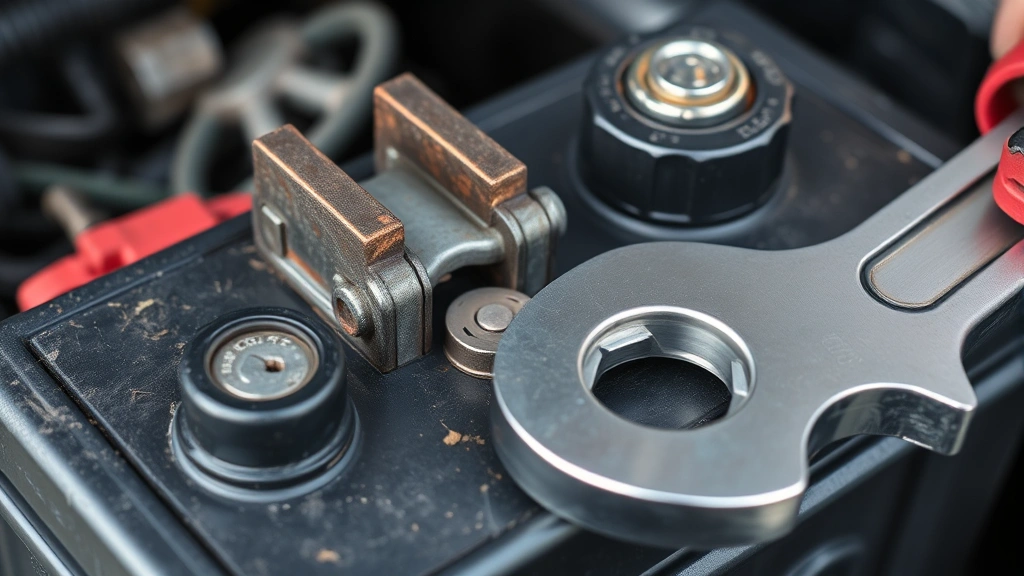
How Long to Leave a Car Running to Charge Battery: Expert-Recommended Running Time
A dead or dying car battery can derail your day faster than almost any other vehicle issue. Whether you’re dealing with a battery that won’t hold a charge or you’ve accidentally left your lights on overnight, understanding the proper charging process is essential for any vehicle owner. The question of how long to leave your car running to charge the battery isn’t as straightforward as it might seem—it depends on multiple factors including battery condition, alternator output, driving conditions, and the severity of the discharge.
Many people make the mistake of assuming that simply running their engine will quickly restore battery power. In reality, the charging process is more nuanced. Your vehicle’s alternator works to replenish battery charge while the engine runs, but the rate of charge varies significantly based on engine RPM, electrical load, and battery state. This comprehensive guide will walk you through everything you need to know about safely and effectively charging your car battery through proper engine running techniques.
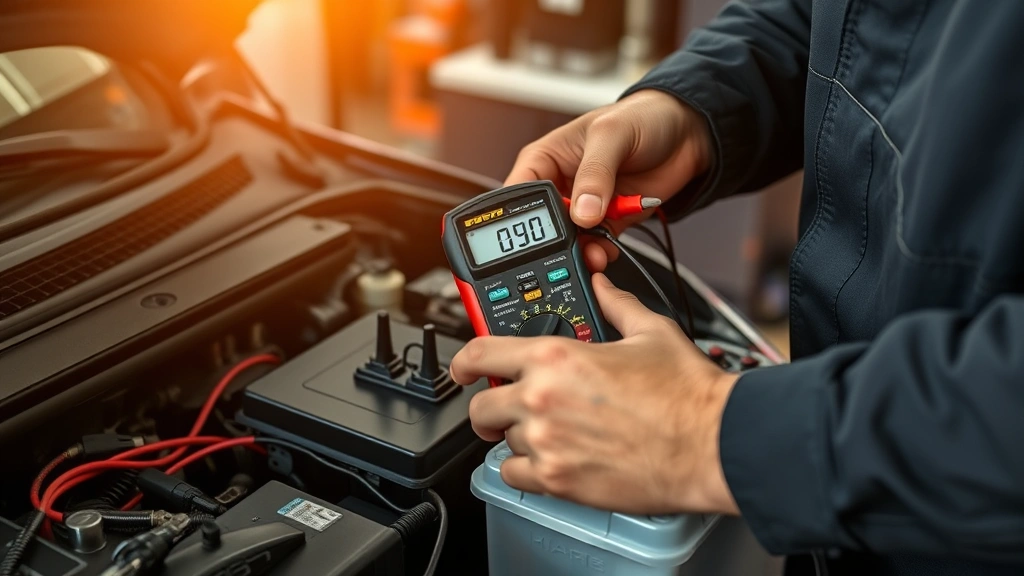
Understanding Your Car Battery and Alternator
Before discussing charging times, it’s crucial to understand how your car’s charging system actually works. Your vehicle’s battery stores electrical energy that powers the starter motor, ignition system, and accessories when the engine is off. Once the engine starts, the alternator takes over the responsibility of powering these systems and simultaneously recharging the battery.
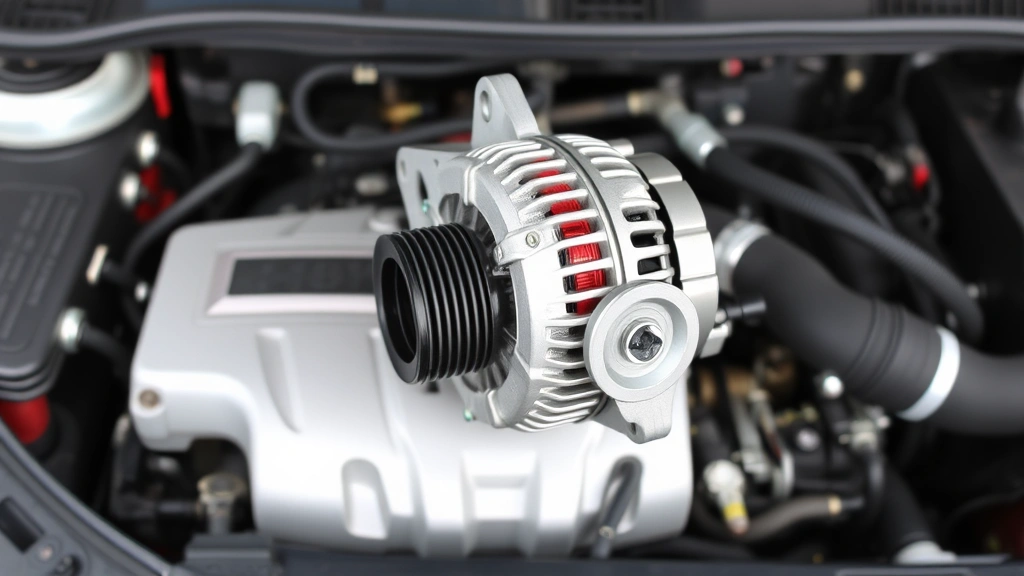
The alternator is a generator that converts mechanical energy from the engine into electrical energy. Modern alternators typically produce between 40 and 200 amps, depending on vehicle make and model. However, not all of this output goes toward battery charging—some powers your headlights, radio, climate control, and other active electrical components. The remaining amperage is what actually charges your battery.
Your car battery’s capacity is measured in amp-hours (Ah). A typical automotive battery might have a capacity of 40-60 Ah. When your battery is completely dead, it needs to be recharged to approximately 80-90% capacity for reliable vehicle operation. Understanding this relationship between alternator output and battery capacity helps explain why charging times vary so dramatically.
For more information on automotive electrical systems and proper maintenance, consult resources from the Society of Automotive Engineers (SAE), which maintains standards for automotive electrical systems and battery specifications.
Recommended Running Time for Battery Charging
The most commonly recommended guideline is to run your car for 20-30 minutes at moderate RPM to restore a partially discharged battery to operational levels. However, this timeframe assumes specific conditions: a moderately depleted battery, a functioning alternator, and minimal electrical load.
For a severely discharged battery, you may need to run the engine for 45-60 minutes or longer. A battery that’s been completely dead overnight or for several hours will require extended charging time because the alternator must first overcome the battery’s deep discharge state before it can effectively restore charge.
If you’re dealing with a battery that won’t hold a charge at all, running time becomes less relevant—the issue likely isn’t insufficient charging time but rather a defective battery that needs replacement. Our guide on DIY car repairs for beginners covers basic battery diagnostics you can perform yourself.
The relationship between engine speed and charging rate is important: running your engine at higher RPMs (around 2000-3000 RPM) charges your battery approximately three times faster than idling at 600-800 RPM. This is because the alternator’s output increases proportionally with engine speed.
Factors Affecting Charging Speed
Several variables significantly influence how quickly your battery will charge while the engine runs. Understanding these factors helps you estimate more accurate charging times for your specific situation.
- Alternator Output: Newer vehicles typically have higher-output alternators (100-150+ amps) compared to older models. High-output alternators charge batteries faster but may also draw more power from the engine.
- Battery Age and Condition: Older batteries with internal sulfation charge more slowly than new batteries. A battery nearing the end of its lifespan may refuse to accept a charge altogether.
- Ambient Temperature: Cold weather reduces battery charging efficiency. In temperatures below 32°F (0°C), expect charging times to increase by 20-50%. Conversely, warm weather accelerates the charging process.
- Electrical Load: Running headlights, air conditioning, heated seats, or other accessories while charging dramatically reduces the amperage available for battery charging. Minimize electrical load to maximize charging efficiency.
- Battery Voltage: The starting voltage of your battery affects charging time. A battery at 10 volts requires more charging time than one at 11 volts.
- Alternator Condition: A failing alternator may produce insufficient output to adequately charge the battery. This is one of the most common reasons cars won’t charge properly despite running the engine.
Modern vehicles with advanced onboard diagnostics can display battery voltage and charging status on the dashboard or through connected apps. Check your vehicle’s manual to access this information if available.
Idle Running vs. Active Driving
Many people assume that idling the engine is sufficient for battery charging. While technically the alternator does charge the battery while idling, this method is significantly less efficient than driving the vehicle actively. Here’s why:
Idling Charging: When your engine idles at 600-800 RPM, the alternator produces its minimum output—typically 20-40 amps on modern vehicles. At this rate, charging a significantly depleted battery could take 2-4 hours or longer. Additionally, idling generates heat that can stress the engine and waste fuel.
Active Driving Charging: When you drive at moderate speeds (25-40 mph) or accelerate gently, engine RPM increases to 1500-3000 RPM or higher. The alternator output increases proportionally, potentially reaching 80-150 amps. This means you can charge your battery to operational levels in 20-45 minutes of normal driving.
For this reason, driving your vehicle is far more effective than idling for battery charging purposes. If your battery is dead and won’t start, you’ll need a jump-start or battery charger first, but once the engine is running, driving will charge it much faster than sitting in your driveway with the engine running.
This principle applies whether you’re maintaining a home security system or any other battery-dependent equipment—active use typically charges batteries more efficiently than passive operation.
Safety Considerations and Best Practices
When charging your car battery through engine operation, follow these safety guidelines to protect yourself, your vehicle, and your battery:
Check Battery Terminals: Before running your engine for extended periods, inspect the battery terminals for corrosion, loose connections, or damage. Corroded terminals reduce charging efficiency and can create safety hazards. Clean terminals with a wire brush and baking soda solution if needed.
Ensure Proper Ventilation: Never run your engine in an enclosed space like a garage without proper ventilation. Engines produce carbon monoxide, which is deadly in enclosed spaces. Always run your engine outdoors or in well-ventilated areas.
Monitor Battery Temperature: While charging, the battery may warm up, which is normal. However, if the battery becomes excessively hot to the touch or you smell burning or rotten egg odors, immediately stop the engine and investigate. These signs indicate a serious battery problem requiring professional attention.
Avoid Overcharging: Modern vehicle charging systems include voltage regulators that prevent overcharging, so you don’t risk damaging the battery by running the engine too long. However, there’s no benefit to running the engine for more than 1-2 hours once the battery reaches full charge.
Turn Off Accessories: Disable headlights, air conditioning, heated seats, and other electrical accessories while charging to maximize the alternator’s output dedicated to battery charging.
Check for Parasitic Drain: If your battery dies repeatedly despite appearing to charge fully, you may have a parasitic electrical drain. This occurs when components continue drawing power even when the engine is off. Have a professional diagnose this issue.
When to Seek Professional Help
While many battery charging situations can be managed independently, certain circumstances warrant professional automotive service. Understanding these situations prevents wasted time and potential safety issues.
Battery Won’t Hold Charge: If your battery charges to full capacity while running but dies again within hours or days of stopping the engine, the battery itself is likely defective and needs replacement. This is not a charging time issue but a battery failure.
Engine Won’t Start: If the engine refuses to start even after jump-starting and attempting to charge, the problem may be the starter motor, alternator, or starter solenoid rather than the battery. Professional diagnostics are necessary.
Alternator Failure: If the battery charges slowly regardless of engine RPM or running time, your alternator may be failing. Listen for unusual sounds, check the alternator output with a multimeter if you’re mechanically inclined, or have a technician perform a charging system test.
Electrical System Issues: Modern vehicles have complex electrical systems with multiple computers and modules. If you’re experiencing repeated battery problems, parasitic drain, or unusual electrical behavior, professional diagnostics using specialized equipment are essential.
The National Institute for Automotive Service Excellence (ASE) provides certification standards for automotive technicians. Choosing ASE-certified mechanics ensures you receive professional-grade service.
Preventing Battery Discharge Issues
The best approach to battery charging problems is preventing them from occurring in the first place. Implement these preventive maintenance strategies to keep your battery in optimal condition:
Regular Battery Testing: Have your battery tested annually, especially before winter. Most auto parts retailers offer free battery testing. Replace batteries that test weak before they fail completely.
Keep Terminals Clean: Inspect battery terminals quarterly for corrosion. White, blue, or green crusty buildup on terminals reduces charging efficiency. Clean terminals with a wire brush and disconnect the negative terminal first to prevent electrical shorts.
Minimize Parasitic Drain: Ensure doors close completely, check that interior lights turn off when doors close, and verify that the trunk light functions properly. Leave aftermarket equipment unplugged when not in use.
Drive Regularly: Vehicles driven regularly maintain better battery charge than those sitting unused for weeks. Frequent driving keeps the battery charged and the electrical system exercised.
Avoid Extreme Temperatures: Park in shaded areas during hot weather and in sheltered areas during winter. Extreme temperatures accelerate battery degradation. Insulated battery blankets provide protection in very cold climates.
Turn Off Accessories: Before turning off the engine, ensure all lights, wipers, and accessories are off. Leaving lights on overnight drains the battery completely and can damage it permanently.
For comprehensive vehicle maintenance guidance, explore our DIY car repairs guide, which covers essential maintenance tasks every vehicle owner should understand.
FAQ
How long should I run my car to charge a dead battery?
For a moderately discharged battery, run your engine for 20-30 minutes at 2000-3000 RPM or drive actively for 15-20 minutes. For severely discharged batteries, extend this to 45-60 minutes. Actual time depends on your alternator output, battery capacity, and electrical load.
Is idling good enough to charge my car battery?
Idling is significantly less efficient than driving. While the alternator does charge at idle, it produces only 20-40 amps compared to 80-150 amps while driving. Expect 2-4 hours of idling to achieve what 20-30 minutes of driving accomplishes.
Can you overcharge a car battery by running the engine too long?
Modern vehicles have voltage regulators that prevent overcharging. You cannot overcharge your battery by running the engine for extended periods. However, there’s no benefit to running it longer than 1-2 hours after the battery reaches full charge.
What does it mean if my battery won’t charge while the engine runs?
This typically indicates either a faulty alternator or a defective battery. Have the alternator tested first—it’s more likely to fail than a battery that won’t charge. If the alternator is functional, the battery itself needs replacement.
Why does my battery die so quickly after charging?
Rapid battery discharge after charging suggests either a parasitic electrical drain or a defective battery. A parasitic drain occurs when components draw power when the engine is off. Have a technician perform a parasitic drain test to diagnose this issue.
Does weather affect how long it takes to charge a battery?
Yes, significantly. Cold weather reduces charging efficiency by 20-50%. Warm weather accelerates charging. In temperatures below 32°F, expect longer charging times and reduced battery capacity. Consider using an insulated battery blanket in cold climates.
Should I disconnect the negative terminal before charging?
You don’t need to disconnect terminals for normal engine-running charging. However, always disconnect the negative terminal first when performing battery maintenance to prevent electrical shorts and sparks.


