Truck Wrapping Costs: Expert Breakdown
Vehicle wraps have become one of the most popular ways to customize trucks while protecting the original paint underneath. Whether you’re looking to rebrand a commercial fleet, showcase your business, or simply transform your personal truck’s appearance, understanding the true cost of a professional wrap is essential for budgeting and decision-making. This comprehensive guide breaks down every factor that influences truck wrap pricing, from material quality to installation complexity.
The cost to wrap a truck varies significantly based on truck size, wrap quality, design complexity, and your location. On average, expect to pay between $2,500 and $5,500 for a full professional wrap, though partial wraps start around $1,500 to $3,000. This investment protects your vehicle’s resale value while providing excellent advertising or personalization benefits that last 5-7 years with proper care.
Factors Affecting Truck Wrap Costs
Several key variables determine how much you’ll spend on your truck wrap project. The primary factor is your truck’s size—a compact pickup truck requires significantly less material than a full-size crew cab or commercial hauler. Square footage directly impacts material costs, with most wraps requiring 40-60 square feet of vinyl for partial coverage and 100-150 square feet for complete coverage.
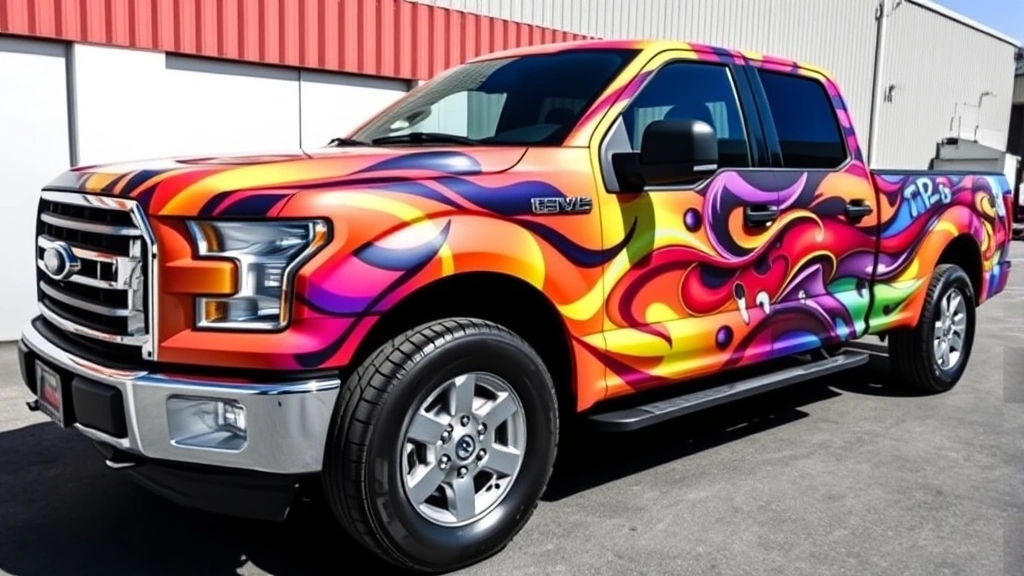
Design complexity plays a crucial role in pricing. A simple single-color wrap or basic stripe pattern costs substantially less than a custom photorealistic design featuring your business logo, multiple colors, and intricate graphics. Custom designs require professional graphic design services, which add $300-$1,500 to your total project cost depending on the designer’s experience and revision requirements.
Vehicle condition matters more than many people realize. Trucks with dents, rust spots, or damaged paint require additional preparation work. Professional installers must address these issues before applying vinyl, as wraps won’t adhere properly to compromised surfaces. This preparation can add $200-$800 to your final bill. Before getting your truck wrapped, consider completing necessary DIY car repairs to reduce professional labor costs.
The number of design revisions and approval rounds also affects pricing. Most wrap companies include 2-3 design revisions in their base quote; additional changes incur extra fees ranging from $50-$150 per revision. Clear communication about your vision upfront helps minimize these additional costs.
Types of Truck Wraps and Pricing
Understanding different wrap types helps you choose the right option for your budget and needs. Full wraps cover the entire truck exterior, including doors, hood, roof, and rear. These typically cost $3,500-$5,500 for professional installation and represent the most comprehensive branding solution. Full wraps provide maximum visual impact and protection for your vehicle’s original paint.
Partial wraps cover specific areas like the hood, doors, or sides. These budget-friendly options range from $1,500-$3,500 and work well for businesses wanting targeted advertising without full-vehicle coverage. Many commercial fleets use partial wraps on company vehicles to maintain a professional appearance while controlling costs.
Spot graphics involve smaller vinyl applications like logos, stripes, or accent designs. These decorative wraps typically cost $500-$1,500 and appeal to truck owners wanting subtle customization. Spot graphics are excellent for adding personal flair without the commitment of a full wrap.
Window perforated wraps allow visibility from inside while displaying graphics on the exterior. These specialty wraps cost $1,000-$2,500 and work particularly well for commercial vehicles requiring both branding and driver visibility. They’re popular for delivery trucks and service vehicles.
If you’re considering wrapping a specific vehicle, check our detailed guide on how much it costs to wrap a Toyota Highlander for comparative pricing insights across different vehicle types.
Material Quality and Durability
Vinyl wrap quality dramatically influences both cost and longevity. Budget vinyl from generic manufacturers costs $2-$4 per square foot but typically lasts only 3-4 years. These materials are more prone to fading, peeling, and weather damage, making them suitable only for temporary applications or vehicles garaged most of the time.
Premium vinyl from brands like 3M or Avery costs $4-$8 per square foot and lasts 5-7 years under normal conditions. Premium materials resist UV fading, maintain color vibrancy, and adhere better in various weather conditions. For commercial applications, premium vinyl provides superior return on investment.
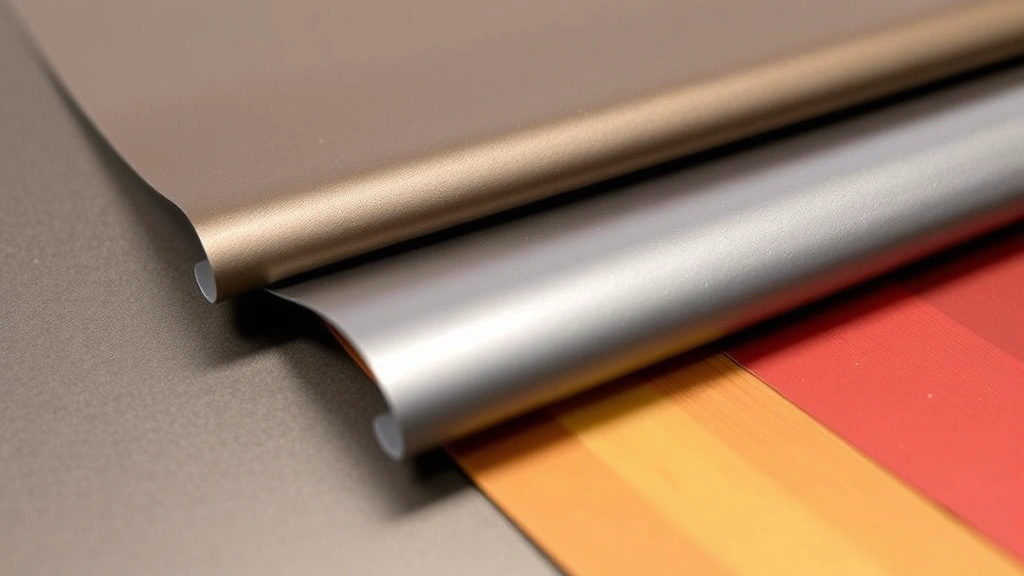
High-end specialty vinyl featuring textured finishes, metallic effects, or chrome-like appearances costs $8-$15 per square foot. These materials offer exceptional durability (7+ years) and distinctive aesthetic appeal, justifying premium pricing for high-visibility commercial vehicles or personal show trucks.
Material thickness matters significantly. Standard cast vinyl (4-5 mil) provides excellent conformability for curved surfaces, while calendered vinyl (2-3 mil) works better for flat panels. Professional installers choose appropriate materials based on your truck’s specific geometry, ensuring optimal adhesion and longevity.
Warranty coverage varies by material quality. Budget wraps often include 1-2 year warranties, while premium materials typically offer 3-5 year coverage. Some manufacturers provide warranties covering UV fading, adhesion failure, and material defects, providing peace of mind for your investment.
Installation Process and Labor Costs
Professional installation represents a significant portion of your total wrap cost, typically accounting for 40-50% of the final price. Skilled installers require specialized training, equipment, and experience to ensure flawless application. Labor costs range from $1,500-$3,000 depending on wrap complexity and your truck’s condition.
The installation process begins with thorough vehicle cleaning and surface preparation. Technicians wash the truck, remove dirt and contaminants, and often clay-bar the surface to ensure proper vinyl adhesion. This critical step prevents bubbles, wrinkles, and premature peeling—skipping it is why many DIY attempts fail.
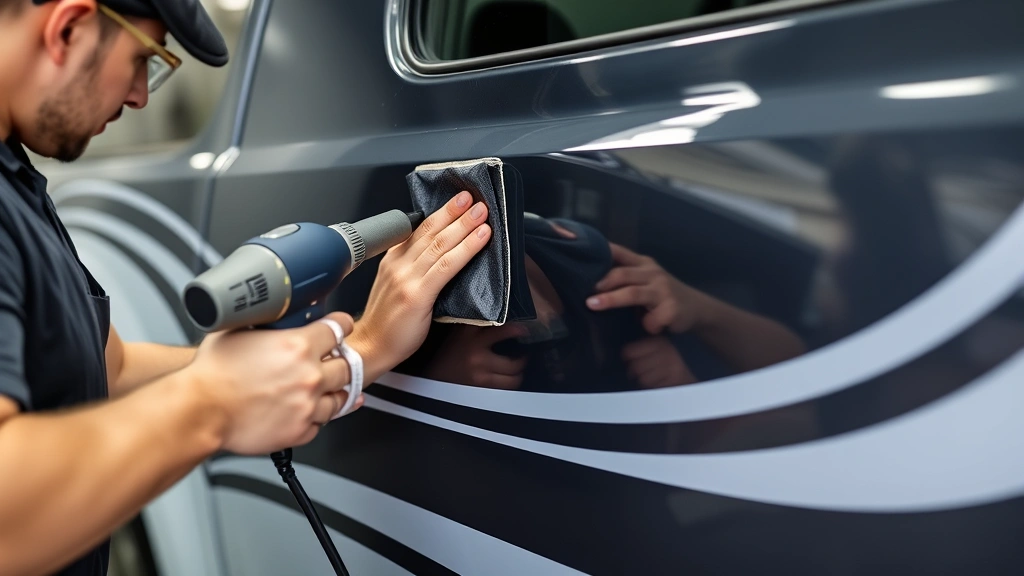
Professional installers use heat guns, squeegees, and specialized tools to apply vinyl precisely, working methodically across panels while smoothing out air bubbles. Complex areas like door handles, mirrors, and trim pieces require careful manipulation and sometimes partial removal. Experienced installers can navigate these challenges, while inexperienced DIYers often damage vinyl or leave visible imperfections.
The actual installation time varies based on wrap complexity. Partial wraps typically require 4-8 hours, while full wraps demand 8-16 hours or more. Rush jobs incur additional fees (typically 25-50% premium) if you need the truck wrapped quickly.
Post-installation care instructions are crucial. Professional installers advise waiting 24-72 hours before washing and 2-3 weeks before applying pressure washers. They should provide detailed care guidelines to maximize your wrap’s lifespan. Consider pairing your wrap with DIY car detailing techniques for ongoing maintenance.
Geographic Pricing Variations
Regional differences significantly impact wrap pricing. Urban areas with high cost of living typically charge 20-40% more than rural regions. New York, Los Angeles, and Miami wrap installations cost substantially more than comparable work in smaller cities, reflecting higher overhead, labor costs, and competition for premium clients.
Coastal regions generally charge premium prices due to increased humidity and salt-air exposure requiring specialized vinyl and installation techniques. Mountain and desert areas may charge more for specialty materials suited to extreme temperature fluctuations. Flat, temperate regions often offer more competitive pricing.
Competition in your area affects pricing significantly. Cities with numerous wrap shops offer more competitive rates, while areas with limited providers command premium pricing. Requesting quotes from multiple installers helps establish fair market value for your specific location.
Seasonal pricing variations occur in many regions. Winter months often feature lower prices as demand decreases, while spring and summer (peak commercial fleet season) command premium rates. Planning your wrap installation during off-peak seasons can save 10-20%.
DIY vs Professional Installation
While DIY truck wrapping appeals to budget-conscious owners, professional installation offers significant advantages justifying the cost difference. Professional installers bring years of experience, specialized equipment, and warranty protection that DIY attempts cannot match.
DIY wrap costs typically range from $1,000-$2,500 (material only), seemingly saving thousands. However, mistakes are common—improper surface preparation, air bubbles, wrinkles, and misaligned graphics plague many DIY projects. Professional repairs often cost more than original installation would have.
Professional installers understand how to handle curves, edges, and complex surfaces that challenge inexperienced DIYers. They know proper heat application techniques, squeegee pressure, and material stretching methods that prevent damage. This expertise directly impacts final appearance and longevity.
Warranty protection is crucial. Professional installations typically include 2-5 year warranties covering adhesion failure, material defects, and workmanship issues. DIY wraps offer no protection if problems develop. One failed panel requiring professional repair negates significant DIY savings.
Time investment matters. Professional installation takes days; DIY projects consume weeks or months of your spare time. For commercial vehicles, downtime costs money. Professional installers complete work quickly, minimizing business disruption.
If you’re mechanically inclined, explore other DIY car repair projects where mistakes carry lower financial consequences. Wrapping requires precision that justifies professional expertise.
Maintenance and Long-Term Costs
Proper maintenance extends your wrap’s lifespan and protects your investment. Regular washing with mild soap and soft materials prevents dirt accumulation and keeps graphics vibrant. Avoid pressure washers for the first month and high-pressure settings thereafter, as aggressive water pressure can lift vinyl edges.
Monthly maintenance costs are minimal—perhaps $20-$50 for professional hand-wash services. Compare this to regular paint protection detailing, which costs significantly more. Many truck owners save money long-term by wrapping instead of maintaining expensive paint protection systems.
Seasonal care requirements vary by climate. In harsh winters, protect your wrap from road salt and ice scrapers. Desert climates require protection from intense UV exposure. Coastal areas demand attention to salt spray. Spending $100-$300 annually on specialized protection products extends wrap life by 1-2 years.
Removal costs should factor into your long-term planning. Professional wrap removal runs $500-$1,500 depending on wrap size and adhesive degradation. Some shops include removal services with new wrap installation, effectively recycling your vehicle’s vinyl.
Repair costs for damaged sections are reasonable. Small tears or peeling areas can be patched for $100-$300, while replacing an entire panel costs $300-$600. These repairs are far less expensive than repainting equivalent truck areas.
When planning your budget, consider the wrap’s lifespan against its cost. A $4,000 wrap lasting 6 years costs approximately $667 annually—competitive with high-end paint protection and detailing programs while providing superior customization benefits.
FAQ
How much does a full truck wrap cost?
Full truck wraps typically cost $3,500-$5,500 for professional installation with quality vinyl. This price varies based on truck size, design complexity, material quality, and your location. Larger trucks and custom designs push costs toward the higher end of this range.
Can I get a truck wrap for under $2,000?
Yes, but with limitations. Budget options include partial wraps covering specific areas ($1,500-$2,000), simple designs without custom graphics, or basic vinyl from lesser-known manufacturers. These budget wraps typically last 3-4 years compared to 5-7 years for premium options.
How long does a truck wrap last?
Premium quality wraps last 5-7 years under normal conditions. Budget wraps last 3-4 years, while high-end specialty materials may last 7+ years. Lifespan depends on climate, vehicle storage, maintenance, and material quality.
Is a truck wrap worth the cost?
For commercial vehicles, wraps are excellent investments, providing branding, paint protection, and professional appearance. For personal trucks, value depends on your priorities. Wraps cost less than premium paint jobs, last several years, and are removable without damage.
Do truck wraps damage paint?
Professional wraps don’t damage paint when properly applied and removed. In fact, wraps protect original paint from UV damage and minor scratches. Poor installation or removal by inexperienced technicians can damage paint, making professional work essential.
Can I wash my truck after wrapping?
Wait 24-72 hours before washing to allow adhesive curing. After that, hand wash with mild soap and soft materials. Avoid pressure washers for the first month and use low pressure thereafter to prevent edge lifting.
How do I choose between partial and full wraps?
Choose partial wraps for budget-conscious decisions or specific branding areas. Full wraps provide maximum visual impact and paint protection, justifying higher costs for commercial vehicles or show trucks. Consider your vehicle’s visibility and branding needs.
What’s included in wrap installation costs?
Professional installation typically includes surface preparation, design application, edge finishing, and basic care instructions. Some shops include design revisions, removal of protective film, and warranty coverage. Clarify what’s included before committing.


