Cost to Extend a Room: Builder Insights & Pricing Breakdown
Extending a room is one of the most popular home renovation projects homeowners undertake to add living space and increase property value. Whether you’re looking to expand a bedroom, enlarge your kitchen, or create an open-concept living area, understanding the true costs involved is essential for budgeting and planning. Room extensions can range dramatically in price depending on factors like foundation type, structural modifications, permits, and finish quality.
This comprehensive guide draws from builder expertise and real-world project data to help you understand what you’ll actually spend on a room extension. We’ll break down every cost component, explore the factors that influence pricing, and provide actionable insights to help you make informed decisions about your project.
Average Room Extension Costs
The average cost to extend a room typically ranges from $25,000 to $150,000, with most homeowners spending between $50,000 and $100,000 for a modest 200-300 square foot addition. Per-square-foot pricing generally falls between $150 and $400, depending on your region, material choices, and complexity. Single-story additions tend to cost less than two-story expansions, which require more structural reinforcement and roofing materials.
In premium markets like California, New York, and Massachusetts, you should budget toward the higher end of these ranges. Rural areas and regions with lower labor costs may see projects completed at the lower end. A basic 12×16 room extension in an average market typically costs $35,000-$60,000, while the same project with high-end finishes in an urban area could reach $80,000-$120,000.
The cost to add a bathroom often exceeds room extensions due to plumbing complexity, but the fundamental construction principles remain similar. Understanding these baseline numbers helps you establish realistic expectations before consulting with contractors.
Factors That Influence Pricing
Location and Regional Labor Rates: Labor costs vary dramatically by region. Urban areas with higher cost-of-living indices charge significantly more for skilled trades. A carpenter earning $45/hour in rural Missouri might command $85/hour in Seattle or Boston. Material delivery costs also increase with distance from suppliers.
Existing Home Condition: Older homes with outdated electrical systems, plumbing, or structural issues require remediation before extension work begins. Asbestos removal, lead paint abatement, or foundation repairs add thousands to your budget. A pre-construction inspection by a structural engineer ($400-$800) often reveals hidden costs that weren’t apparent initially.
Extension Type and Complexity: A simple rectangular addition costs less than L-shaped or complex geometric designs. Single-story extensions are cheaper than two-story additions. Extensions that match existing roof lines are simpler than those requiring significant roof modifications. Enclosed porches are less expensive than fully finished rooms with HVAC integration.
Finishes and Materials: Basic drywall and standard flooring differ vastly in cost from custom hardwood, tile, or luxury vinyl. Interior finishes account for 30-40% of total extension costs. High-end appliances, custom cabinetry, and premium fixtures escalate expenses quickly.
Utilities and Systems: Extending electrical service, HVAC, plumbing, and natural gas lines adds $8,000-$20,000 depending on distance and complexity. New windows and doors for the extended space cost $3,000-$8,000. Proper insulation for climate control is essential and impacts both initial cost and long-term energy efficiency.
Cost Breakdown by Component
Understanding where your money goes helps identify potential savings and ensure quality work. Here’s a typical cost allocation for a room extension project:
- Foundation & Excavation (15-20%): $5,000-$20,000 depending on soil conditions and existing foundation type
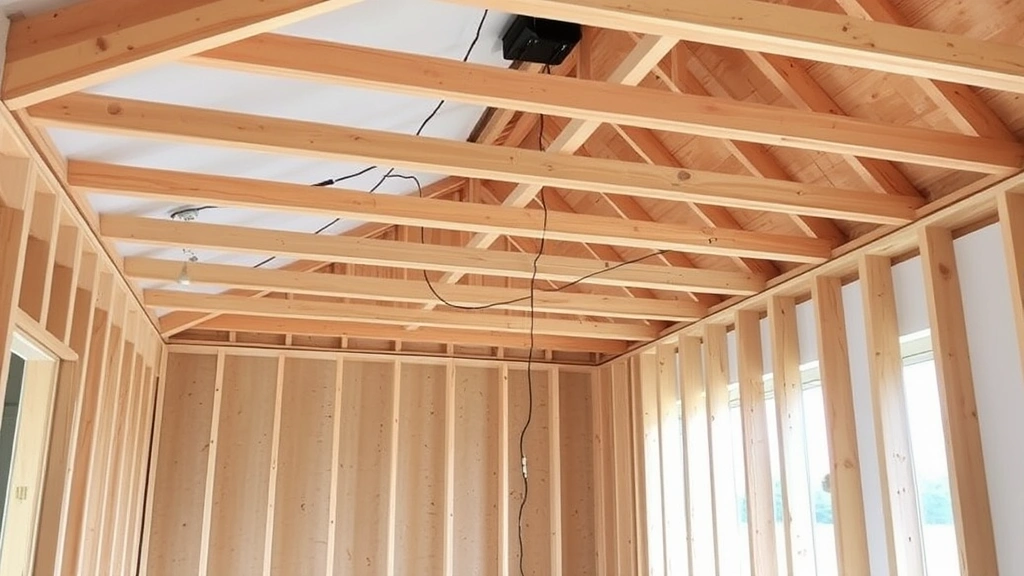
- Framing & Structural Work (15-18%): $5,000-$18,000 for lumber, engineering, and labor
- Roofing (8-12%): $3,000-$12,000 including materials and installation
- Windows & Doors (6-10%): $3,000-$10,000 for quality units with installation
- Electrical (8-12%): $4,000-$12,000 for new circuits, outlets, lighting, and panel upgrades if needed
- HVAC & Ductwork (8-10%): $4,000-$10,000 for heating/cooling extension
- Plumbing (5-8%): $2,500-$8,000 if extending water, sewer, or gas lines
- Insulation & Drywall (8-10%): $4,000-$10,000 for proper thermal and acoustic control
- Flooring (6-9%): $3,000-$9,000 depending on material selection
- Interior Finishes (8-12%): $4,000-$12,000 for paint, trim, fixtures, and hardware
- Permits & Inspections (3-5%): $1,500-$5,000 depending on local requirements
- Contingency (10-15%): $5,000-$15,000 for unexpected issues
Contingency reserves are critical—experienced builders always set aside 10-15% of the project budget for unforeseen conditions. Hidden structural problems, soil issues, or code compliance upgrades often emerge during construction.
Foundation & Structural Work
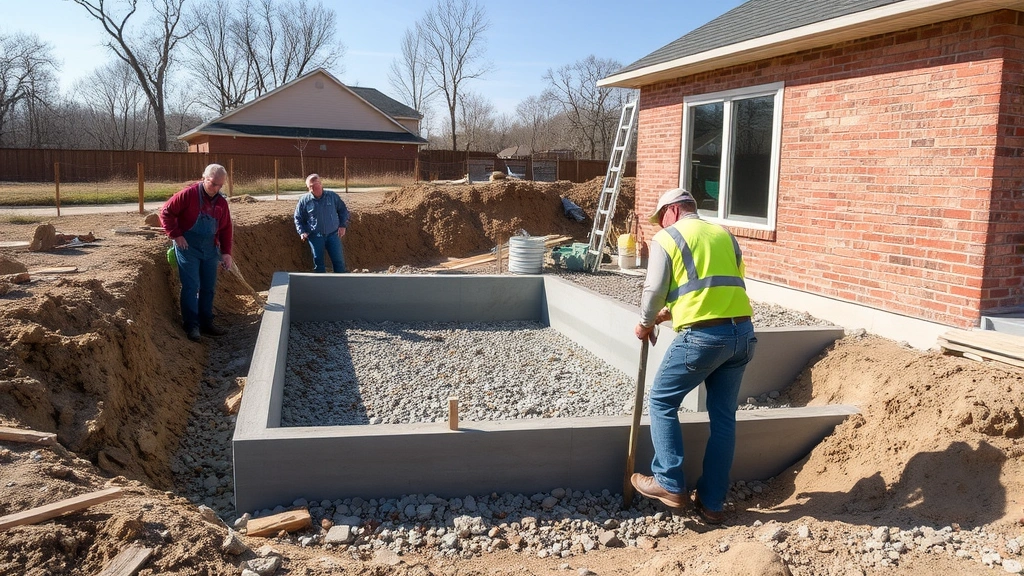
The foundation represents one of the largest cost components because it must support the entire extension safely and prevent settling or cracking. Foundation costs typically range from $5,000 to $20,000 for a 300-square-foot addition, or roughly $15-$65 per square foot.
Concrete Slab Foundations: The most economical option for single-story additions in warmer climates, concrete slabs cost $8-$15 per square foot. The contractor excavates 4-6 inches, creates a gravel base, installs vapor barriers, and pours reinforced concrete. Slabs work well in areas without frost lines but aren’t suitable for freeze-thaw climates where ground heave causes damage.
Stem Wall Foundations: Common in northern climates, these combine concrete footings below the frost line with concrete or concrete block walls above grade. Costs range from $20-$40 per square foot. The deeper frost line (up to 48 inches in Minnesota and Maine) increases excavation and concrete requirements, making this the standard in cold climates.
Pier & Beam Foundations: Used for elevated additions or over unstable soil, these cost $25-$50 per square foot. Adjustable piers allow for leveling if settling occurs, making them valuable for older homes with uneven foundations.
Structural engineers must evaluate the existing home’s foundation and ensure the extension ties in properly. Improper connections between old and new foundations cause cracking and structural failure. This integration work adds $2,000-$5,000 to foundation costs but is absolutely essential for long-term stability. Always hire a structural engineer certified by ASCE to review plans and ensure compliance with local International Building Codes.
Labor Costs & Timelines
Labor typically comprises 40-50% of the total room extension cost. Skilled trades command premium wages because they require years of training and certification. A typical room extension timeline spans 12-20 weeks from permit approval to completion, though complex projects may take 6 months or longer.
Carpenter Labor: General framing carpenters earn $45-$85 per hour depending on region and experience. A 300-square-foot extension requires approximately 300-500 labor hours for framing, so expect $13,500-$42,500 just for framing labor. Finish carpenters (trim, doors, cabinetry) add another $5,000-$15,000.
Electrician Labor: Licensed electricians charge $50-$100 per hour. Running new circuits, installing outlets, and integrating with existing systems typically requires 40-80 hours, costing $2,000-$8,000 in labor alone. Material costs for wire, breakers, and fixtures add another $2,000-$4,000.
HVAC Technician Labor: Extending heating and cooling systems costs $3,000-$8,000 in labor plus $1,500-$4,000 in equipment. Proper ductwork sizing is critical—undersized ducts cause inadequate temperature control, while oversized systems waste energy.
Plumber Labor: If your extension requires water, sewer, or gas connections, expect $2,500-$6,000 in plumbing labor. Trenching to existing lines and code compliance inspections add to the timeline. Most plumbing work must be inspected before drywall covers pipes.
Labor costs increase significantly if the project requires overtime work, weekend scheduling, or work in tight spaces. Projects that start in fall or winter may incur weather delays, extending labor timelines and costs. The timeline for home construction teaches valuable lessons about planning for realistic project duration.
Permits & Regulations
Building permits are mandatory for room extensions in virtually all jurisdictions and typically cost $1,500-$5,000 depending on project scope and local fees. Some municipalities charge based on the estimated construction cost (typically 1-3% of project value), while others use flat fees. Never skip permitting—unpermitted work creates problems when selling your home, violates insurance coverage, and may be unsafe.
Permit Requirements Typically Include:
- Architectural or engineering drawings prepared by licensed professionals
- Site plans showing property lines, setback compliance, and drainage
- Structural calculations verifying the foundation can support the addition
- Electrical, plumbing, and HVAC plans showing code compliance
- Proof of property survey or boundary verification
- Proof of homeowner’s insurance
The permitting process usually takes 2-8 weeks, and your contractor should budget this into the overall timeline. Building inspectors will conduct multiple inspections: foundation inspection before pouring concrete, framing inspection before drywall, electrical rough-in inspection, plumbing rough-in inspection, HVAC inspection, and final inspection after completion.
Zoning regulations govern setback requirements (minimum distance from property lines), lot coverage limits, and height restrictions. Extensions that violate setback requirements require variance applications, which cost $500-$2,000 and may face neighborhood opposition. Always check local zoning before design planning to avoid costly redesigns.
The National Association of Home Builders provides resources on building codes and standards that vary by region. Your local building department website lists specific requirements for your area.
Ways to Reduce Costs
Simplify the Design: Rectangular additions cost less than complex geometric shapes. Matching existing roof lines eliminates expensive modifications. Single-story additions cost 20-30% less than two-story expansions. A simple rectangular 12×20 room costs significantly less than an L-shaped addition of the same total square footage.
Phase the Project: Build the shell (foundation, framing, roof) in phase one, then complete interior finishing in phase two. This spreads costs over time and allows you to manage finances better. You’ll pay interest on construction loans longer, so calculate whether phasing makes financial sense for your situation.
Choose Standard Materials: Builder-grade materials cost 40-50% less than premium options. Stock-size windows and doors are cheaper than custom sizes. Standard drywall and basic paint cost far less than specialty finishes. You can upgrade specific elements (like kitchen counters) while keeping other areas basic.
Do Some Work Yourself: Painting, demolition, and cleanup work can be DIY projects if you have skills and time. However, never attempt structural, electrical, plumbing, or HVAC work yourself—these require licensed professionals and inspection. DIY beginner woodworking projects teach valuable skills but room extensions demand professional expertise.
Get Multiple Quotes: Obtain written bids from at least three contractors. Prices vary significantly based on contractor overhead, experience, and current workload. Don’t automatically choose the lowest bid—verify licensing, insurance, references, and warranty terms. The cheapest contractor often cuts corners on quality or uses lower-grade materials.
Improve Existing Home First: If your home has outdated electrical panels, plumbing, or HVAC systems, upgrade these during the extension project when contractors are already present. Upgrading separately costs more due to mobilization fees and inefficiency. A room extension provides an opportunity to modernize aging systems cost-effectively.
Plan for Energy Efficiency: Investing in proper insulation, energy-efficient windows, and modern HVAC systems increases upfront costs by $3,000-$8,000 but reduces long-term utility bills significantly. Many states offer energy efficiency rebates that offset these costs.
Comparing Extension vs. Renovation
Sometimes homeowners consider whether renovating existing space makes more financial sense than extending. Here’s how the economics compare:
Room Extensions: Create new square footage, increasing home value proportionally. Cost per square foot runs $150-$400. Extensions work best when you need additional space that doesn’t exist. A young family needing a fourth bedroom benefits from an extension. Extensions require foundation work and structural integration, adding complexity and cost.
Renovations: Upgrade existing space without adding square footage. Cost per square foot ranges $100-$300. Renovations work when existing rooms are too small, outdated, or poorly configured. A kitchen renovation costing $50,000 might seem expensive, but it updates systems, improves functionality, and enhances daily living. Renovations typically take 6-12 weeks versus 12-20 weeks for extensions.
The cost analysis of adding bathrooms demonstrates that sometimes strategic renovations cost less than extensions while providing the needed functionality. A master bath renovation might cost $20,000-$40,000 versus $60,000-$100,000 for an entire bedroom extension.
ROI Considerations: Room extensions typically return 50-80% of investment at resale, while kitchen and bathroom renovations return 60-100%. Extensions add square footage (good for family growth), while renovations improve quality of life immediately. Your decision should balance current needs, future resale value, and budget constraints.
Consider the home security aspects of extensions—new exterior doors and windows must meet security standards. This adds modest cost but is non-negotiable for home safety and insurance compliance.
FAQ
How long does a room extension typically take?
Most room extensions take 12-20 weeks from permit approval to completion, assuming no major issues. Simple single-story additions may finish in 10-12 weeks, while complex two-story projects can take 24+ weeks. Weather delays, material shortages, and unforeseen structural issues commonly extend timelines. Always add 2-4 weeks to contractor estimates for contingencies.
Can I extend my room without permits?
Absolutely not—this is illegal and dangerous. Unpermitted work violates building codes, creates safety hazards, and prevents future home sales. Lenders won’t finance homes with unpermitted additions, and insurance may deny claims related to unpermitted work. When you sell, inspectors will discover unpermitted additions, requiring expensive removal or legalization. The modest permit cost is far cheaper than these consequences.
What’s the cheapest foundation type for extensions?
Concrete slabs are typically the cheapest option at $8-$15 per square foot, suitable for warm climates without freeze-thaw cycles. In cold climates where frost lines run deep, stem wall foundations ($20-$40 per square foot) become necessary. Always consult a structural engineer to determine what your soil conditions and climate require—choosing the wrong foundation type causes expensive failure.
Should I hire a contractor or general contractor for my extension?
Always hire a licensed general contractor with room addition experience, liability insurance, and bonding. General contractors manage subcontractors, obtain permits, schedule inspections, and guarantee workmanship. While hiring individual trades might seem cheaper, general contractors prevent costly coordination problems and ensure code compliance. Verify licensing through your state’s contractor board before hiring anyone.
How much does HVAC extension cost?
Extending heating and cooling to a new room typically costs $4,000-$10,000. This includes ductwork design, installation, possible furnace or AC upgrades if current systems are undersized, and testing. Some contractors charge $15-$25 per linear foot of ductwork. Have an HVAC specialist calculate your system’s capacity before assuming existing equipment can handle the extension.
What contingency should I budget for?
Experienced builders recommend 10-15% contingency reserves for unexpected costs. For a $75,000 project, budget $7,500-$11,250 in contingency. Hidden foundation issues, outdated electrical systems, or soil problems commonly emerge during construction. Contingency funds prevent project halts when surprises occur—they’re not optional padding, they’re essential planning.
Can I extend my room during winter?
Yes, but expect weather delays and higher costs. Winter construction requires weather protection, may involve frozen ground that’s difficult to excavate, and limits work hours due to darkness. Concrete doesn’t cure properly in freezing temperatures, and rain/snow cause delays. If possible, schedule extensions for spring through fall to minimize weather issues and costs.
Will a room extension increase my property taxes?
Yes, most jurisdictions reassess property values after permitted additions, increasing property taxes. The increase depends on your local assessment rates and the value added by the extension. A $75,000 addition might increase annual taxes by $500-$1,500 depending on your location. Factor this into your long-term financial planning when evaluating whether an extension makes sense.


