DIY Couch Reupholstery: Expert Cost Breakdown
Reupholstering a couch doesn’t require professional expertise or a contractor’s budget. Whether your beloved sectional has worn fabric, faded colors, or outdated patterns, learning how much to reupholster a couch and tackling the project yourself can save thousands while giving your furniture new life. This comprehensive guide breaks down material costs, tool investments, labor considerations, and realistic pricing for every budget level.
The average professional reupholstery job costs between $1,200 and $3,500 for a standard sofa, but DIY enthusiasts can complete the same project for $300 to $800 in materials alone. Your final investment depends on fabric choice, couch complexity, whether you already own tools, and your skill level. By understanding each cost component, you’ll make informed decisions and avoid expensive mistakes.
Fabric Costs and Selection
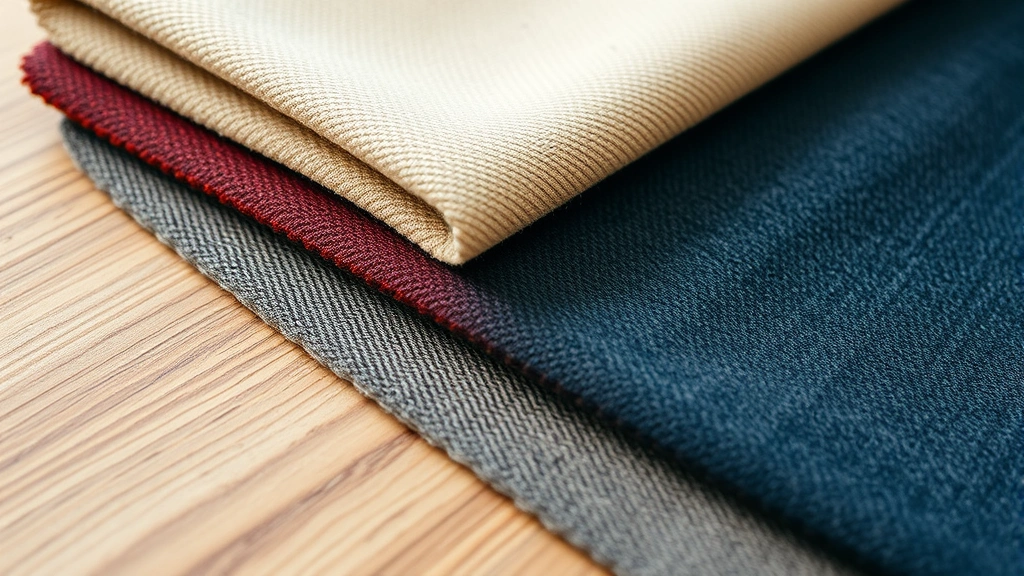
Fabric represents your largest expense in couch reupholstery, typically consuming 40-60% of your total budget. The price per yard ranges dramatically based on fiber content, durability rating, and brand reputation. Understanding fabric grades helps you allocate your budget strategically.
Budget Fabric Options ($8-15 per yard): Polyester blends and cotton-dominant fabrics offer affordability for test projects or temporary solutions. These materials work well for casual spaces with light traffic. Expect to purchase 12-18 yards for an average sofa, bringing budget fabric costs to $96-270. While economical, budget fabrics show wear faster and may require cleaning more frequently.
Mid-Range Fabric Options ($15-30 per yard): Performance fabrics, linen blends, and quality cotton-polyester combinations provide durability with style. These fabrics resist staining better and maintain appearance through regular use. A standard sofa needs 14-20 yards at this price point, resulting in $210-600 investment. This tier offers the best value for most DIY reupholsterers.
Premium Fabric Options ($30-75+ per yard): Natural fibers like pure linen, wool, and high-end designer fabrics command premium pricing. Leather and faux leather also fall into this category. Total fabric costs for premium materials reach $420-1,500+ for complete coverage. These fabrics suit statement pieces or living rooms where durability and aesthetics matter most.
Before purchasing, verify yardage requirements by measuring your specific couch or consulting manufacturer specifications. Most upholstery requires directional fabric consideration for pattern matching, increasing yardage needs by 10-15%. Purchase 1-2 extra yards as insurance against cutting mistakes or future repairs.
Fabric sourcing tips: Online retailers like Joann Fabric and specialty upholstery suppliers offer competitive pricing with frequent sales. Local fabric stores provide hands-on texture evaluation. Factory outlet stores occasionally carry discontinued designer fabrics at 50-70% discounts. Always request swatches before committing to large purchases.

Essential Tools and Equipment
Tool investment varies based on whether you own basic supplies. If starting from zero, budget $150-400 for essential implements. Experienced DIYers with existing tool collections may spend only $50-100 on specialized upholstery equipment.
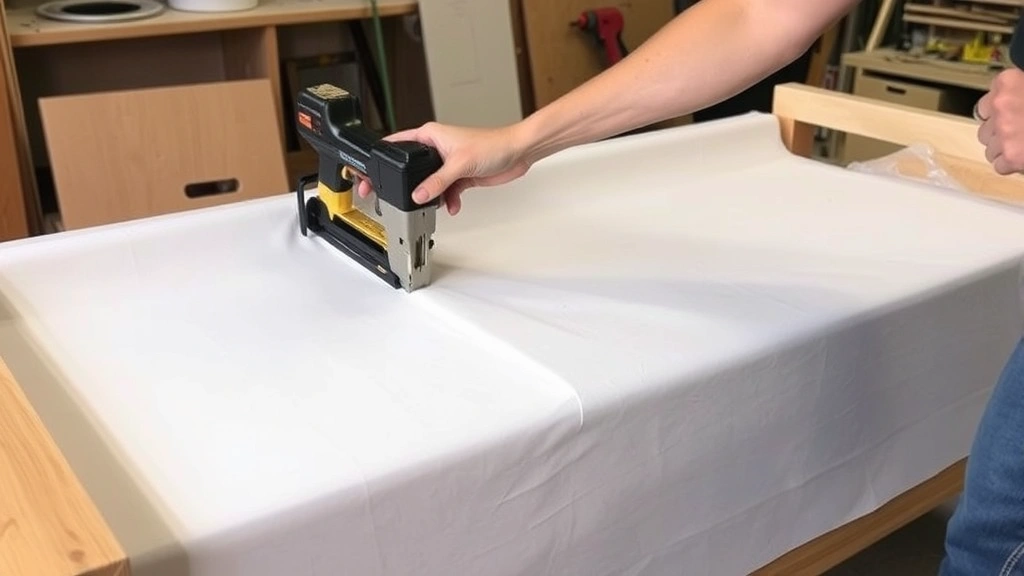
Must-Have Tools: A staple gun with staples ($25-60) forms the foundation of reupholstery work, securing fabric to wooden frames. Upholstery shears or heavy-duty scissors ($15-35) cut fabric cleanly without fraying. A seam ripper ($5-15) removes existing stitching efficiently. Measuring tape ($5-10) ensures accurate dimensions. A hammer ($10-25) drives tacks and removes old hardware.
Helpful Supplementary Tools: A pneumatic staple gun ($80-150) speeds up work and reduces hand fatigue on larger projects. Upholstery webbing ($10-20 per roll) reinforces seams and frame connections. A staple remover tool ($8-15) extracts stuck fasteners without damaging wood. Needle and thread ($5-10) hand-stitch seams and attach trim.
Safety Equipment: Work gloves ($10-20) protect hands from staples and sharp edges. Safety glasses ($8-15) guard eyes from flying debris. A dust mask ($5-15) filters particles when removing old upholstery. These items cost $25-50 total but prevent injuries.
Tool rental options reduce upfront costs if you only need specialized equipment once. Many hardware stores rent pneumatic staplers for $15-25 daily, making this option economical for single projects. Borrow tools from friends or family when possible to minimize personal investment.
Labor and Time Investment
Professional upholsterers charge $40-100 hourly plus material markup, typically requiring 30-50 hours for complete reupholstery. This translates to $1,200-5,000 in labor alone. DIY completion eliminates this expense but demands significant personal time investment.
Beginner Timeline: First-time reupholsterers should expect 40-60 hours spread across 2-4 weeks. This includes learning curve time, frequent reference checking, and careful precision work. Breaking the project into phases prevents fatigue and allows skill development between sessions.
Intermediate Timeline: Those with prior sewing or furniture restoration experience typically complete projects in 25-35 hours over 1-2 weeks. Muscle memory from similar work accelerates decision-making and execution.
Advanced Timeline: Experienced upholsterers finish standard sofas in 15-25 hours. Their efficiency stems from pattern recognition, muscle memory, and streamlined processes.
Time investment varies by couch style. Simple designs with minimal seams require less labor than sectionals with multiple cushions, decorative piping, or button tufting. Consider your schedule before committing; rushed work leads to visible mistakes and frustration.
Project Complexity Factors
Not all couches present equal difficulty. Understanding complexity helps estimate realistic costs and timeline requirements.
Simple Couches ($300-500 total): Straightforward designs with minimal seams, no cushions, and basic wood frames suit beginner projects. Cost-effective fabric choices and straightforward stapling dominate the work. These projects typically require 20-30 hours of labor.
Standard Sofas with Cushions ($500-900 total): Most traditional couches fall here. Removable or attached cushions add complexity but remain manageable for patient DIYers. Piping or trim adds visual interest but increases material costs. Expect 30-45 hours of work for confident execution.
Complex Sectionals and Statement Pieces ($900-1,500+ total): Multiple sections, curved arms, button tufting, or intricate patterns demand advanced skills. Professional-grade fabric and premium materials increase costs substantially. These projects require 45-60+ hours and suit experienced reupholsterers only.
Structural Repairs: Damaged frames, broken springs, or worn webbing necessitate additional work before upholstering begins. Budget an extra $200-400 and 10-15 hours for frame reinforcement, spring replacement, or webbing restoration. Ignoring structural issues results in premature failure of new upholstery.
Budget Comparison: DIY vs Professional
Comparing total costs clarifies whether DIY makes financial sense for your situation.
Professional Reupholstery Costs: Standard sofa professional work ranges $1,500-3,500 including materials and labor. High-end furniture or complex designs reach $4,000-8,000. Timeline typically spans 4-8 weeks due to shop schedules. You maintain zero involvement but surrender creative control over fabric selection and execution details.
DIY Reupholstery Costs: Materials total $300-1,000 depending on fabric grade and couch complexity. Tools add $50-400 if purchasing new equipment. Total out-of-pocket investment ranges $350-1,400. You invest 20-60 hours of personal labor but retain complete creative control and develop valuable skills.
Cost Savings Analysis: DIY projects save $1,100-2,100 compared to professional services on standard couches. This represents 60-75% savings for most projects. The payoff increases with larger furniture pieces and higher-end fabric selections. Even accounting for learning mistakes and potential do-overs, DIY remains significantly more economical.
When Professional Services Make Sense: Antique furniture, delicate fabrics, or complex designs warrant professional expertise. Structural damage requiring frame repair often justifies professional assessment. Time constraints may make professional services worthwhile despite higher costs. If your hourly wage exceeds $50, professional work becomes financially comparable to DIY when calculating opportunity cost.
Hidden Costs to Consider
Beyond obvious material and tool expenses, several hidden costs catch unprepared DIYers.
Fabric Mistakes and Waste: Plan for 10-15% fabric waste from cutting errors, pattern matching, and learning mistakes. This means purchasing extra yardage and accepting that not all purchased material ends up on your couch. Budget an additional $30-150 for waste tolerance.
Trim and Finishing Materials: Decorative piping, fringe, nailhead trim, or cord adds $50-200 depending on choices. These finishing touches enhance appearance but require additional investment. Quality trim justifies expense by elevating the final result.
Adhesives and Fasteners: Fabric glue, contact cement, and staples accumulate during extended projects. Budget $20-40 for adhesive supplies. Specialty fasteners like furniture tacks or upholstery nails add another $10-20.
Batting and Underlayment: High-loft batting, muslin lining, or foam padding reinforces upholstery quality. These materials cost $30-80 depending on coverage area and quality grade. Skipping underlayment saves money but reduces durability and professional appearance.
Tool Replacement and Maintenance: Broken stapler springs, dull scissors, or lost fasteners require replacement. Keep $20-30 reserve for unexpected tool issues during projects.
Disposal and Removal: Hauling away old upholstery may incur fees if your local waste service charges for bulk items. Budget $0-50 for disposal, or arrange free pickup through community groups.
FAQ
How much fabric do I need to reupholster a couch?
Most standard sofas require 12-20 yards of fabric depending on size and pattern matching requirements. Sectionals and oversized pieces may need 20-30 yards. Always measure your specific couch and add 1-2 extra yards for mistakes. Professional fabric retailers provide detailed yardage calculators specific to furniture type.
Can I reupholster a couch without sewing?
Yes, basic reupholstery requires minimal sewing. Most work involves stapling fabric to wooden frames. Hand-stitching seams is optional for beginners; many DIYers use fabric glue or leave seams unfinished initially. Advanced projects benefit from sewing skills, but fundamental reupholstery remains achievable without a sewing machine.
What’s the cheapest way to reupholster a couch?
Purchase budget-friendly fabric ($8-12 per yard), use existing tools, and tackle simple couch designs. Shop sales at fabric retailers and consider discontinued patterns at discounts. Focus on labor intensity rather than premium materials. A $300-400 project is realistic for budget-conscious DIYers willing to invest time rather than money.
How long does DIY couch reupholstery take?
Beginners typically require 30-50 hours over 2-4 weeks. Experienced reupholsterers complete standard sofas in 15-25 hours. Complex designs like sectionals or tufted pieces extend timelines to 45-60+ hours. Breaking work into phases over weeks prevents fatigue and improves results.
Do I need special tools for reupholstery?
A staple gun, scissors, seam ripper, and measuring tape form the essential toolkit. Most homeowners own these items or can borrow them. Pneumatic staplers, specialty upholstery shears, and webbing tools enhance efficiency but aren’t mandatory. Rental options make expensive tools affordable for single projects.
Is reupholstering a couch worth the effort?
For couches you love but need aesthetic updates, absolutely. DIY reupholstery saves $1,000-2,000 compared to professional services while preserving beloved furniture. The project teaches valuable skills applicable to future furniture projects. However, if structural damage is severe or your time is extremely valuable, professional services might justify their higher cost.
What fabric is best for reupholstering a couch?
Performance fabrics offer durability with style, resisting stains and fading. Mid-range options ($15-30 per yard) balance quality and affordability. Natural fibers like linen provide luxury but require careful maintenance. Consider your lifestyle: high-traffic households benefit from performance fabrics, while formal living rooms suit premium natural fibers. Always verify durability ratings and cleaning requirements before purchasing.
Can I reupholster over existing fabric?
Removing old upholstery is essential for professional results. Old fabric creates lumps, uneven surfaces, and poor aesthetics. Removal takes 5-10 hours but ensures proper foundation for new materials. Shortcuts lead to visible imperfections that undermine your labor investment.


