House Rewiring Costs: Complete Electrician’s Insight & Pricing Guide
Rewiring an entire house represents one of the most significant electrical investments a homeowner can make. Whether you’re dealing with an older home with outdated knob-and-tube wiring, planning a major renovation, or upgrading to support modern electrical demands, understanding the true cost of house rewiring is essential for budgeting and decision-making. This comprehensive guide breaks down pricing factors, labor costs, material expenses, and what you can realistically expect to pay for this critical home improvement project.
The cost to rewire a house typically ranges from $3,000 to $25,000 or more, depending on home size, wiring complexity, local labor rates, and whether walls need to be opened. Most homeowners spend between $8,000 and $15,000 for a complete rewiring job on a 2,000 square-foot home. Understanding these costs helps you plan your budget, compare contractor estimates, and make informed decisions about which projects to prioritize first.
What Factors Affect Rewiring Costs
House rewiring costs fluctuate based on numerous interconnected variables that electricians assess during initial inspections. Understanding these factors helps you anticipate potential price variations and explains why two similar homes might have different rewiring quotes.
Home Size and Square Footage remains the primary cost driver. Larger homes require more wire, more outlets, more labor hours, and more complex circuit planning. A 1,200 square-foot home costs significantly less than a 4,000 square-foot home simply due to the volume of materials and time required. Electricians typically estimate costs per square foot, ranging from $3 to $10 depending on complexity.
Age and Current Wiring Condition dramatically impact costs. Homes with existing modern wiring might only need selective upgrades, while homes with dangerous knob-and-tube wiring or aluminum wiring require complete replacement. Deteriorated insulation, corroded connections, or improperly grounded systems increase labor time and material waste.
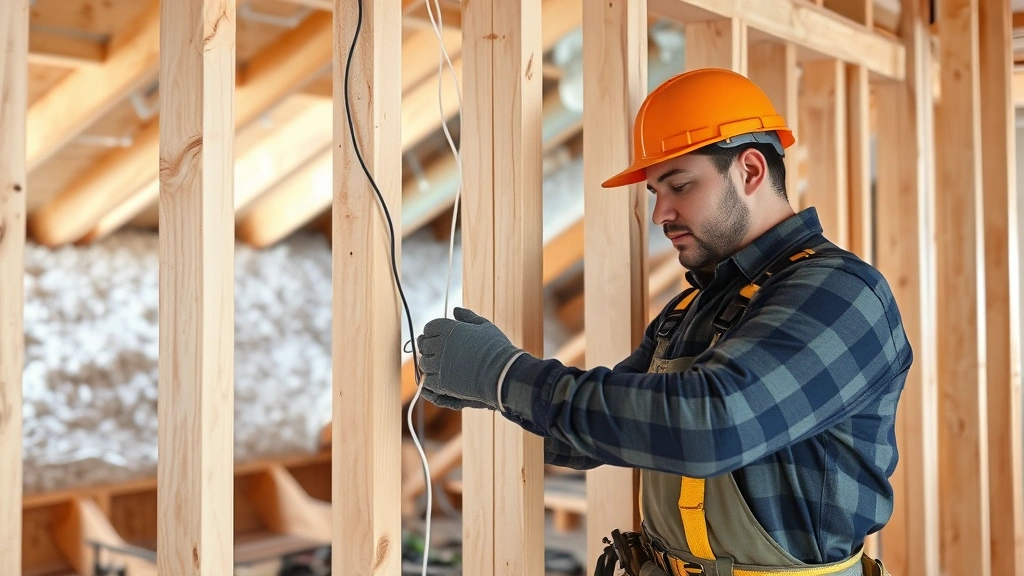
Accessibility and Wall Configuration significantly affect pricing. Single-story homes with open attics and basements cost less to rewire than multi-story homes where electricians must navigate through walls, crawl spaces, and tight corners. Homes with finished walls require cutting, patching, and restoration work that adds substantial costs compared to open-frame construction.
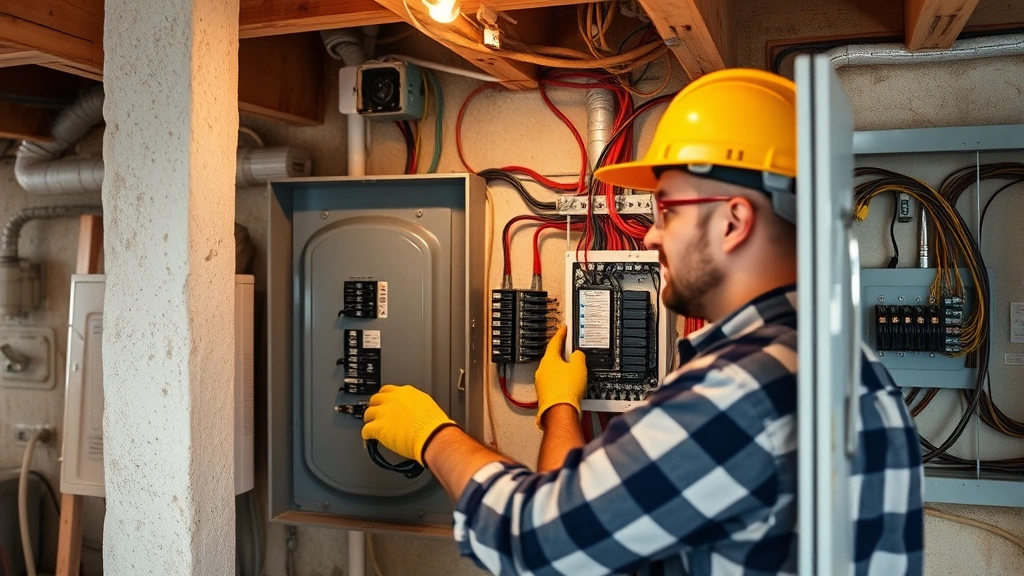
Electrical Panel Upgrades often accompany rewiring projects. Upgrading from a 100-amp to 200-amp service adds $1,500 to $3,000 to your total project cost. This upgrade becomes necessary when modern electrical demands exceed your existing panel’s capacity, especially in homes with air conditioning, electric heat, or multiple appliances.
Geographic Location and Local Labor Rates create significant price variations. Urban areas with higher costs of living typically charge $75 to $150 per hour for licensed electricians, while rural areas might charge $50 to $100 per hour. Regional differences in building codes and permit requirements also affect final pricing.
Code Compliance and Updates influence costs when older homes need to meet current National Electrical Code (NEC) standards. Adding GFCI outlets in bathrooms and kitchens, installing proper grounding, upgrading breaker types, and meeting arc-fault circuit interrupter (AFCI) requirements all add to project costs but ensure safety and insurability.
Detailed Pricing Breakdown
Labor Costs typically comprise 50-70% of total rewiring expenses. Licensed electricians charge hourly rates between $50 and $150 depending on location and expertise. A complete house rewiring takes 40 to 200+ hours depending on home size and complexity. For a 2,000 square-foot home, expect 80-120 labor hours, translating to $4,000 to $18,000 in labor alone.
Materials and Wire account for 20-40% of project costs. Copper wire costs vary with market prices but typically run $0.10 to $0.30 per foot. A 2,000 square-foot home requires 2,000 to 3,000 feet of wire, costing $200 to $900 depending on gauge and quality. Additional materials include:
- Electrical boxes and fittings: $300-$800
- Breakers and switches: $400-$1,200
- Outlets and fixtures: $500-$1,500
- Conduit and protective materials: $200-$600
- Miscellaneous supplies: $200-$500
Permits and Inspections cost $300 to $1,500 depending on your jurisdiction. These mandatory expenses ensure your electrical work meets local codes and protects your home’s safety and insurance coverage. Never skip permits—unpermitted electrical work can void insurance claims and create liability issues.
Wall Repair and Restoration adds $1,000 to $5,000 when electricians must cut walls to run new wiring. Drywall patching, painting, and finishing labor increase project costs, especially in finished homes requiring aesthetic restoration.
Panel Upgrades range from $1,500 to $3,000 for service upgrades from 100 to 200 amps. This includes disconnecting old panels, installing new equipment, and ensuring proper grounding and bonding.
Costs by Home Size
Small Homes (under 1,500 sq ft) typically cost $3,000 to $8,000 to rewire completely. These projects take 40-60 labor hours and use 1,200-1,800 feet of wire. Simpler layouts and fewer circuits reduce overall complexity and costs.
Medium Homes (1,500-2,500 sq ft) average $8,000 to $15,000 for complete rewiring. These projects require 80-120 labor hours and 2,000-3,000 feet of wire. This size represents the typical American home and offers a good baseline for cost estimates.
Large Homes (2,500-4,000 sq ft) range from $15,000 to $25,000 or more. Labor requirements jump to 150-200+ hours, and material quantities increase proportionally. Complex layouts and multiple levels add time and complexity.
Very Large Homes (over 4,000 sq ft) can exceed $25,000 to $40,000 depending on configuration. Multi-story designs, finished basements, and extensive circuit requirements drive costs significantly higher. Some projects in this category approach or exceed $50,000 when combined with major panel upgrades and special requirements.
These estimates assume complete rewiring. Basement finishing projects that include electrical work add $2,000 to $5,000 depending on scope, making coordinated planning essential for budget optimization.
DIY vs. Professional Installation
While some homeowners consider DIY electrical work to reduce costs, house rewiring is not recommended as a DIY project for most people. Here’s why professional installation is worth the investment:
Safety Considerations make professional installation essential. Improper wiring creates fire hazards, electrocution risks, and damage to appliances and electronics. Electrical work kills hundreds annually in the United States, and mistakes aren’t always immediately apparent. Professional electricians have training, insurance, and experience to work safely with high-voltage systems.
Code Compliance requires professional knowledge. Building codes change regularly, and violations can result in failed inspections, fines, insurance claim denials, and difficulty selling your home. Licensed electricians stay current with code requirements and understand local variations.
Permits and Inspections demand professional credentials. Most jurisdictions require licensed electricians for permitted electrical work. Homeowners attempting unpermitted work face legal consequences and create liability issues that insurance won’t cover.
Warranty Protection comes with professional work. Licensed electricians typically warranty their labor, providing recourse if problems develop. DIY work offers no warranty protection.
However, some minor electrical tasks homeowners can safely handle include replacing outlet covers, installing light fixtures (with power off), and changing switch covers. These small projects save money without safety risks. For anything requiring wall access or circuit modifications, hire professionals.
Permits and Building Codes
Electrical permits protect homeowners and communities by ensuring work meets safety standards. The National Fire Protection Association’s National Electrical Code establishes minimum safety requirements that jurisdictions adopt and modify. Understanding these requirements helps you work effectively with electricians and inspectors.
Permit Requirements vary by location but typically include:
- Complete electrical plans showing circuit layouts
- Load calculations demonstrating adequate service capacity
- Specification of wire types and gauges
- Panel upgrade details if required
- Grounding and bonding system plans
Inspection Points typically occur at three stages: rough-in (before walls close), panel installation (before final connections), and final inspection (after all work completes). Inspectors verify code compliance and safe installation practices.
Modern Code Requirements include GFCI protection in bathrooms, kitchens, and outdoor areas; AFCI protection in bedrooms and living spaces; proper grounding throughout; adequate circuit capacity; and tamper-resistant outlets in accessible locations. Homes built before these requirements became law must upgrade during rewiring to meet current standards.
Working with licensed electricians ensures permit compliance and eliminates the stress of dealing with building departments directly. While permits add cost, they’re non-negotiable for legal, safe, and insurable electrical systems.
Project Timeline Expectations
Complete house rewiring typically takes 1 to 4 weeks depending on home size and complexity. A 2,000 square-foot home might take 2 to 3 weeks with a crew of two electricians working full-time.
Week 1 involves permit acquisition, planning, and rough-in work where electricians run new wire through walls, ceilings, and attics. This stage causes the most disruption as walls may be opened and dust generated.
Week 2-3 includes outlet and switch installation, fixture connections, and panel work. Wall patching and painting happen during this phase if needed.
Week 4 focuses on final connections, testing, and inspections. Electricians verify all circuits function properly and meet code requirements.
Larger homes or those requiring extensive wall restoration take longer. Projects can extend 4+ weeks when combined with other renovations like home security system installation or interior finishing work.
Plan for some inconvenience during rewiring. Electricians need access to walls, attics, and basements. Some circuits may be temporarily disconnected. Dust and noise are inevitable. Discussing timeline expectations with contractors upfront helps manage expectations and plan accordingly.
Scheduling permits early prevents delays. Some jurisdictions have waiting periods for inspections, so coordinate with your contractor to avoid work stoppages. Weather can also affect projects involving attic or outdoor work.
FAQ
How much does it cost to rewire a 2,000 square foot house?
A 2,000 square-foot home typically costs $8,000 to $15,000 to rewire completely. This includes labor, materials, permits, and basic panel upgrades. Costs increase with accessibility challenges, code upgrades, or service panel upgrades to 200 amps.
Can I rewire my house myself to save money?
House rewiring is not recommended as a DIY project. Electrical work is dangerous, requires permits, demands code knowledge, and must pass inspections. Professional installation costs more upfront but ensures safety, code compliance, and insurance coverage. Mistakes can cause fires or electrocution.
Do I need permits for house rewiring?
Yes, permits are mandatory for house rewiring in virtually all jurisdictions. Unpermitted electrical work creates liability, voids insurance coverage, complicates home sales, and violates building codes. Permit costs are $300-$1,500 but are non-negotiable investments in safety and legality.
How long does house rewiring take?
Complete house rewiring typically takes 1 to 4 weeks depending on home size and complexity. A 2,000 square-foot home usually requires 2 to 3 weeks with a two-person crew working full-time. Larger homes or those requiring extensive wall restoration take longer.
What’s included in a house rewiring project?
Complete rewiring includes removing old wiring, running new wire throughout the home, installing new outlets and switches, upgrading the electrical panel if needed, ensuring code compliance, obtaining permits, and passing inspections. It does not typically include appliance connections or specialty systems unless specified.
Should I upgrade my electrical panel during rewiring?
Many homes benefit from electrical panel upgrades during rewiring, especially if upgrading from 100 to 200 amps. Modern homes with air conditioning, electric heat, and multiple high-draw appliances often need increased capacity. Discuss capacity with your electrician to determine if an upgrade is necessary.
How do I choose a licensed electrician for rewiring?
Get multiple quotes from licensed, insured electricians with experience in complete house rewiring. Check references, verify licensing with your state electrical board, ask about warranties, and ensure they obtain proper permits. Avoid contractors who suggest skipping permits or offer significantly lower bids.
What’s the difference between rewiring and rewire?
These terms are interchangeable in electrical contexts. Both refer to removing old electrical systems and installing new wiring, circuits, and panels. The process is the same regardless of terminology.
Can rewiring be done room by room?
While electricians can prioritize rooms, complete house rewiring is most efficient when done all at once. Doing rooms separately extends the project timeline, increases labor costs (setup and breakdown for each phase), and prevents optimization of materials and planning. However, phased projects are possible if budget constraints require spreading costs over time.
Will rewiring increase my home’s value?
Yes, modern electrical systems increase home value and appeal to buyers. Updated wiring, adequate circuits, and code-compliant systems are attractive selling features. While rewiring costs $8,000-$15,000, it typically adds more value than cost through improved home appeal and functionality.


