Tattoo Tipping Guide: Artist-Recommended Etiquette
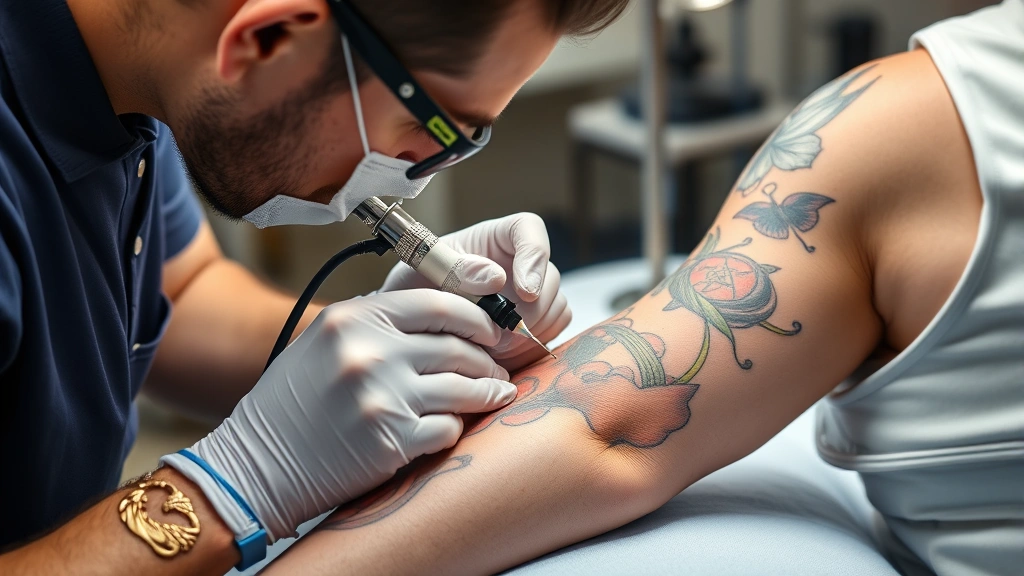
Understanding proper tattoo artist tipping etiquette ensures you show appreciation for skilled craftsmanship while maintaining respectful professional boundaries. Like any service industry where artistry and technical expertise intersect, tipping conventions in tattoo studios reflect both gratitude and industry standards that have evolved over decades.
Tattoo artists invest years perfecting their craft, managing client expectations, and maintaining sterile environments that protect your health and safety. The question of how much to tip a tattoo artist isn’t merely about generosity—it’s about recognizing the value of permanent body art and the professional responsibility artists carry. This comprehensive guide covers everything from standard tipping percentages to special circumstances and cultural considerations.
Standard Tattoo Tipping Percentages
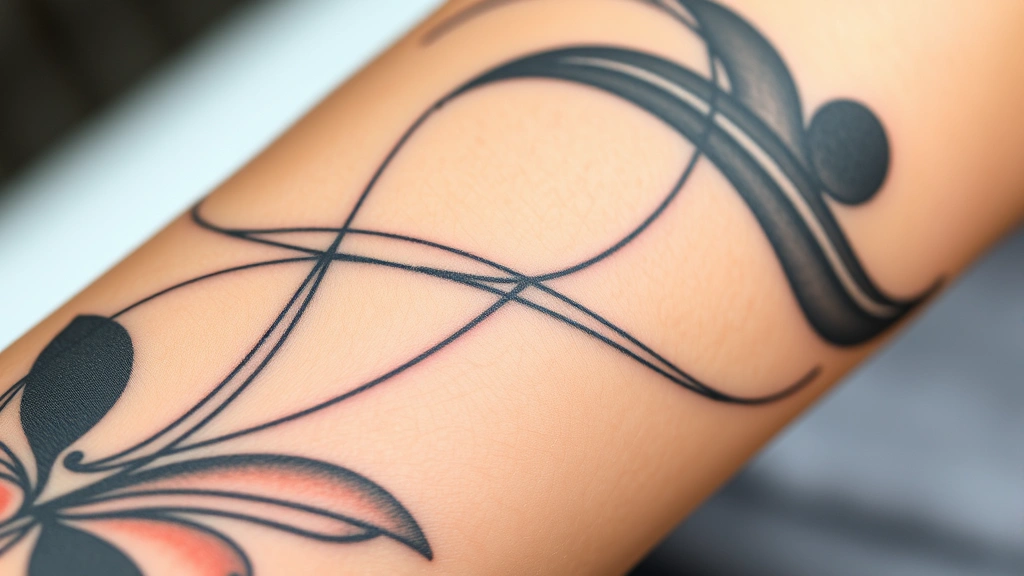
The tattoo industry generally follows similar tipping conventions to other skilled service trades. Most professional tattoo artists expect tips ranging from 15% to 20% of the total cost, with 20% representing exceptional service or highly complex work. For a $300 tattoo, this translates to $45-$60 in gratuity. This standard aligns with hospitality and personal service industries, though tattoo work carries unique considerations since the artist creates permanent modifications to your body.
Some clients prefer flat-rate tipping rather than percentage-based amounts. A $50 to $100 tip for smaller, simpler designs and $100-$200+ for larger, multi-session pieces provides straightforward appreciation. The key distinction is that tipping in tattoo studios isn’t mandatory—it’s a cultural practice that acknowledges exceptional skill, professionalism, and the intimate nature of the service. Many artists report that consistent tippers become valued repeat clients who receive priority scheduling and sometimes modest discounts on future work.
Regional variations exist, with urban markets and high-end studios often seeing higher average tips than smaller towns or apprenticeship-level artists. Consulting your specific studio’s culture or asking other clients about local norms helps you calibrate appropriate amounts. Some studios display suggested tipping percentages at checkout, similar to restaurants, which removes ambiguity from the transaction.
Factors That Influence Tipping Amount
Tattoo Complexity and Duration
More intricate designs requiring extended sessions justify higher tips. A simple black-line tattoo completed in one hour differs significantly from an elaborate color piece spanning multiple sessions. Artists who invest 4+ hours of focused attention, color mixing, and technical precision deserve recognition proportional to their effort. Sleeve work, back pieces, and full-body projects represent substantial artist commitment and warrant tips at the higher end of the spectrum.
Consider also the artist’s experience level. Established artists with years of portfolio work and client testimonials provide greater value than apprentices, though apprentices still deserve respectful compensation. Many clients tip apprentices slightly less while supporting their professional development, which remains appropriate and industry-understood.
Design Originality and Custom Work
Custom designs created specifically for you represent additional creative labor beyond standard execution. When an artist sketches original artwork, incorporates your personal vision, and revises designs based on feedback, they’re performing design services that many charge separately. If your tattoo involved meaningful customization, increasing your tip to 20-25% acknowledges this creative investment. Flash designs (pre-made artwork) typically fall at the lower end of tipping ranges since minimal customization occurred.
Artist Reputation and Demand
Highly sought-after artists with 6-12 month wait lists command premium pricing, and their tips reflect market demand. Conversely, newer artists building portfolios may charge less, yet still deserve respectful tipping. The relationship between artist reputation and tip amount isn’t strictly proportional—a well-compensated established artist doesn’t necessarily expect higher percentage tips than a developing artist, though absolute tip amounts may naturally increase with higher base prices.
Studio Environment and Professionalism
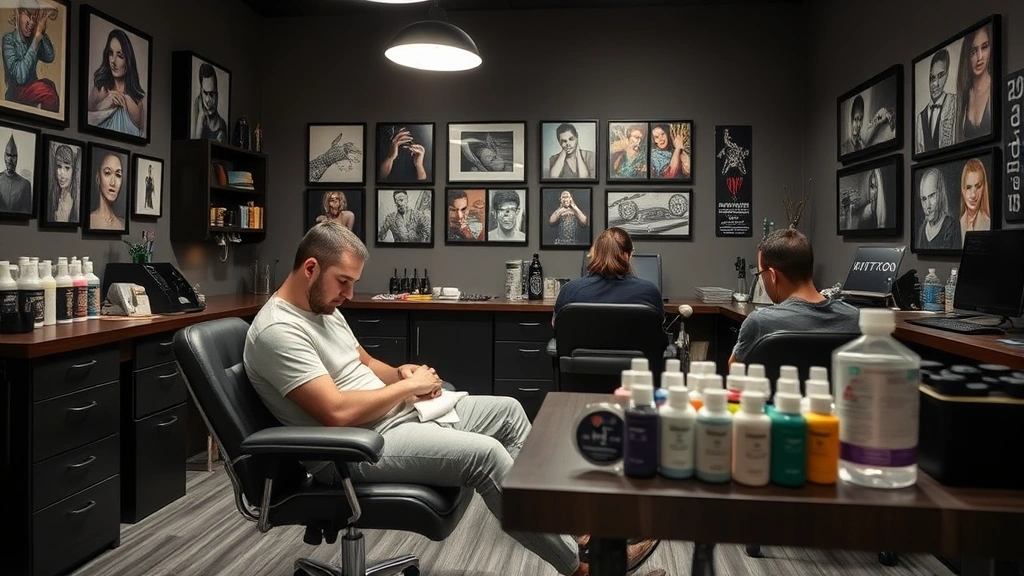
Studios maintaining rigorous sterilization standards and professional atmospheres deserve recognition. Cleanliness, proper equipment handling, and adherence to infection control guidelines aren’t optional—they’re fundamental to safe tattooing. Studios that invest in autoclave equipment, single-use needles, and proper waste disposal provide essential health protection. Your tip partly compensates for these safety investments that protect your wellbeing.
Communication and Problem-Solving
Artists who listen carefully to your vision, ask clarifying questions, and address concerns demonstrate professional communication skills. When an artist successfully navigates a challenging design concept or solves placement problems you hadn’t considered, acknowledge this expertise through appropriate tipping. Similarly, artists who handle revisions gracefully or accommodate last-minute adjustments deserve recognition for flexibility.
Payment Methods and Practical Tips
Most tattoo studios accept cash, card, and increasingly digital payment methods like Venmo or PayPal. Cash tips remain traditional and ensure artists receive funds immediately without processing fees, though card-based tips have become normalized. Always clarify with your studio whether added tips appear on invoices or require separate transactions.
When paying by card, you’ll typically see a tip screen at checkout similar to coffee shops or restaurants. Don’t feel pressured by suggested percentages—use them as guidelines rather than requirements. Some studios include tip lines on receipts; others handle gratuity separately. Asking “What’s the best way to tip?” during your appointment respects studio procedures and eliminates confusion.
For ongoing relationships with preferred artists, some clients arrange monthly retainers or loyalty-based discounts that reduce pressure to tip percentages on each session. This approach works particularly well for multi-session projects like sleeves or back pieces where you’re investing $2,000-$5,000+ over months. Discussing long-term arrangements directly with your artist can create mutually beneficial relationships.
Digital tipping has streamlined the process, but verify that funds reach your artist directly rather than studio management. Some studios pool tips or distribute them based on commission structures, while others allow artists to retain all gratuities. This distinction matters if you’re building relationships with specific artists.
Special Circumstances and Custom Work
Cover-Up Tattoos and Revisions
Cover-ups and revisions require additional artistic skill since the artist must work within existing constraints. Covering a poorly executed tattoo or revising a design demands creative problem-solving that justifies tips at the 20-25% range. Artists appreciate clients who acknowledge the technical difficulty of working over existing ink or modifying original designs.
Consultation and Design Sessions
Some artists charge separate consultation fees for extensive design work before the actual tattoo session. Confirm whether consultations are included in your final cost or billed separately. If an artist invests hours on custom designs, sketches, and revisions before your appointment, tipping reflects this pre-session labor. Many clients tip $20-$50 for substantial consultation work beyond the standard service.
Group Tattoos and Events
When multiple people get tattooed simultaneously at events or group bookings, individual tipping still applies. Tip your specific artist based on your tattoo cost and complexity, not the collective group spending. Group rates sometimes reduce individual costs, which naturally reduces tip amounts accordingly.
Apprentice and Mentorship Situations
Some studios arrange apprentice-led sessions where experienced artists supervise newer artists’ work. Clarify the arrangement beforehand and distribute tips accordingly—perhaps 70% to the apprentice and 30% to the supervising artist, or discuss appropriate splits with studio management. Supporting apprentices develops the next generation of skilled artists while maintaining fairness.
Building Long-Term Artist Relationships
Consistent tipping establishes you as a valued client in your artist’s eyes. Artists remember generous, respectful clients and often prioritize their scheduling, offer design input freely, or provide modest discounts on future work. If you’re planning multiple tattoos over years, treating your artist with financial respect builds reciprocal professional relationships.
Loyalty doesn’t require excessive tipping on every appointment. Consistent 15-20% tips combined with respectful communication, punctuality, and following aftercare instructions creates positive client-artist dynamics. Many artists report that reliable clients who tip appropriately receive better results because they’re motivated to deliver exceptional work.
Long-term clients sometimes establish direct relationships where they bypass studio booking systems and schedule directly with their preferred artist. These relationships often develop after 3-5 tattoos and consistent positive interactions. Once established, some artists offer loyalty pricing or reduced rates for repeat clients, which can offset tipping expectations slightly.
Referrals represent another form of appreciation beyond tipping. When you recommend your artist to friends and family, you’re providing marketing value that artists deeply appreciate. Mentioning that you were referred by a specific client sometimes results in modest discounts or priority booking, creating a referral ecosystem within tattoo communities.
FAQ
Is tipping a tattoo artist required?
No, tipping remains optional and isn’t legally required. However, it’s a cultural industry standard that acknowledges the artist’s skill and the permanent nature of their work. Studios that rely on tips typically price services competitively, so artists depend on gratuities as part of their income. Choosing not to tip doesn’t violate any rule, but it may affect how the artist perceives you as a client.
What if I’m unhappy with my tattoo?
Address concerns with your artist before leaving the studio. If quality issues exist—misaligned lines, color inconsistencies, or design problems—discuss revisions or touch-ups. You’re not obligated to tip if the artist failed to meet professional standards. However, if you’re experiencing typical tattoo adjustment (slight color appearance changes as healing progresses), tips remain appropriate since the artist met their responsibility. Consult professional body art standards to understand industry expectations.
Should I tip differently for black-and-gray versus color tattoos?
Color tattoos typically require more technical skill and time than black-and-gray work, justifying slightly higher tips. However, exceptional black-and-gray artistry can be equally complex. Base tips on the actual time invested, complexity, and your satisfaction rather than automatically adjusting for color versus monochrome. A masterful black-and-gray piece deserves equal recognition as color work.
How do I tip if paying with a gift card or studio credit?
If your tattoo cost is covered by a gift card or studio credit, you should still tip based on the service value. Tip in cash or on a separate card transaction. Studios sometimes allow adding tips to remaining balance if the gift card has remaining funds. Never assume the gift card covers gratuity—tip separately to ensure your artist receives recognition.
What about tipping for tattoo removal or laser sessions?
Tattoo removal specialists operate differently than traditional tattoo artists. Many removal clinics function as medical or dermatological practices where tipping follows standard healthcare service conventions—typically 15-18%. Clarify with your removal provider whether tipping is standard practice, as some medical settings discourage gratuities while others welcome them.
Can I negotiate tattoo pricing to include tips?
Some artists offer package pricing for multi-session work that factors in gratuity expectations. However, directly negotiating lower prices in exchange for reduced tips creates awkward dynamics. If pricing concerns exist, discuss them honestly with your artist. Many offer payment plans, session packages, or off-season discounts rather than reducing service quality expectations through lower tips. Like other skilled trades—similar to understanding how much to rewire a house involves recognizing professional labor value—tattoo pricing reflects the artist’s expertise and overhead.
Should I tip differently for touch-ups or cover-ups?
Touch-ups addressing fading or minor corrections typically warrant 15% tips since they’re brief sessions. Cover-ups and substantial revisions deserve 20-25% tips due to increased complexity and artistic problem-solving. Clarify with your artist whether touch-ups fall within the original service or constitute new sessions requiring separate tipping.


