
How to Add Charts to TopstepX Practice Account: Expert Tips Inside
TopstepX has become a popular platform for aspiring traders looking to practice their skills in a risk-free environment. One of the most powerful features available is the ability to customize and add charts to your practice account, allowing you to develop technical analysis skills and test trading strategies without risking real capital. Whether you’re preparing for prop firm evaluations or simply honing your craft, understanding how to effectively add and configure charts is essential to your success.
Charts are the backbone of technical analysis and informed trading decisions. They provide visual representations of price movements, trends, and market sentiment over specific timeframes. In this comprehensive guide, we’ll walk you through every step of adding charts to your TopstepX practice account, share expert tips for maximizing their utility, and help you build a charting setup that supports your trading goals.
Getting Started with TopstepX Charts
Before you can add charts to your TopstepX practice account, you need to understand the platform’s interface and how it’s structured. TopstepX provides access to the NinjaTrader platform, which is one of the most robust charting and trading platforms available for active traders. This integration means you’ll have access to professional-grade charting tools that rival those used by institutional traders.
The first step in your journey is logging into your TopstepX account and navigating to the trading platform section. Most users access charts through the main dashboard, where you can see your account balance, open positions, and available instruments. The platform displays real-time or near-real-time data depending on your subscription level and the specific markets you’re trading.
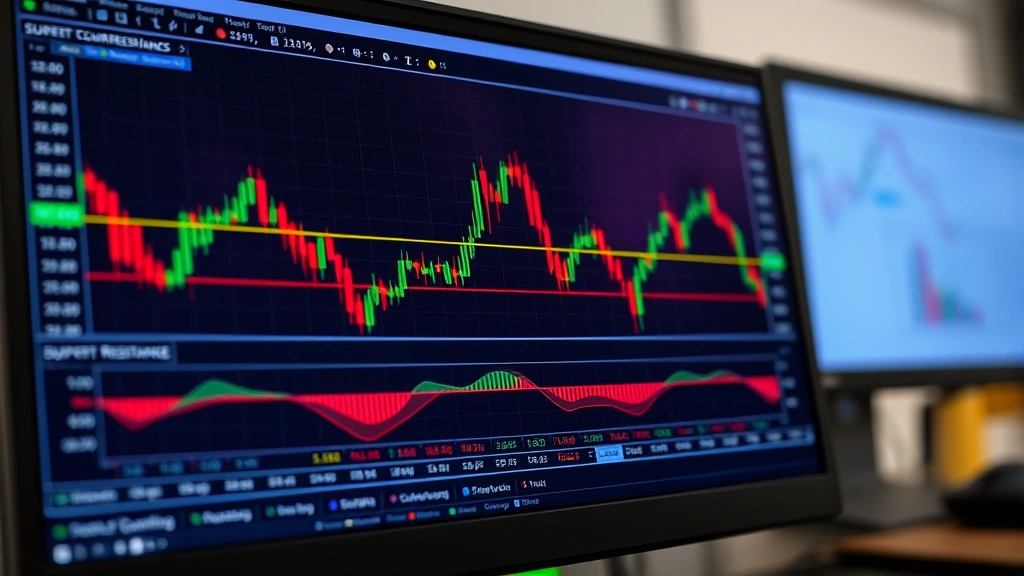
Understanding the different chart types available is crucial. TopstepX supports candlestick charts, bar charts, line charts, and even more sophisticated options like renko charts and point-and-figure charts. Each chart type serves different analytical purposes. Candlestick charts, for example, are excellent for identifying support and resistance levels, while bar charts provide similar information in a different visual format. When you’re learning how to secure your trading education, starting with candlestick charts is typically recommended for beginners.
Step-by-Step Guide to Adding Charts
Adding charts to your TopstepX practice account is a straightforward process once you understand the navigation. Here’s the detailed procedure:
- Log into Your TopstepX Account: Visit the TopstepX website and enter your credentials. Ensure you’re accessing your practice account, not a live trading account, to maintain the risk-free learning environment.
- Access the Trading Platform: Look for the “Launch Platform” or “Open Platform” button on your dashboard. This typically opens the NinjaTrader interface in a new window or tab.
- Create a New Chart Window: Once the platform loads, right-click in the workspace area and select “New Chart” or use the menu option at the top. You can also use keyboard shortcuts, typically Ctrl+N on Windows or Cmd+N on Mac.
- Select Your Instrument: A dialog box will appear asking you to choose the instrument you want to chart. This might be stocks, futures, forex, or cryptocurrencies, depending on what your TopstepX subscription includes. Type the symbol (e.g., ES for E-mini S&P 500, NQ for Nasdaq-100) and confirm your selection.
- Choose Your Timeframe: Select the timeframe for your chart. Common options include 1-minute, 5-minute, 15-minute, hourly, daily, and weekly charts. Your trading strategy will determine which timeframes are most relevant to your style.
- Configure Basic Settings: The platform will display your chart with default settings. You can immediately begin analyzing, or proceed to customize the appearance and add indicators.
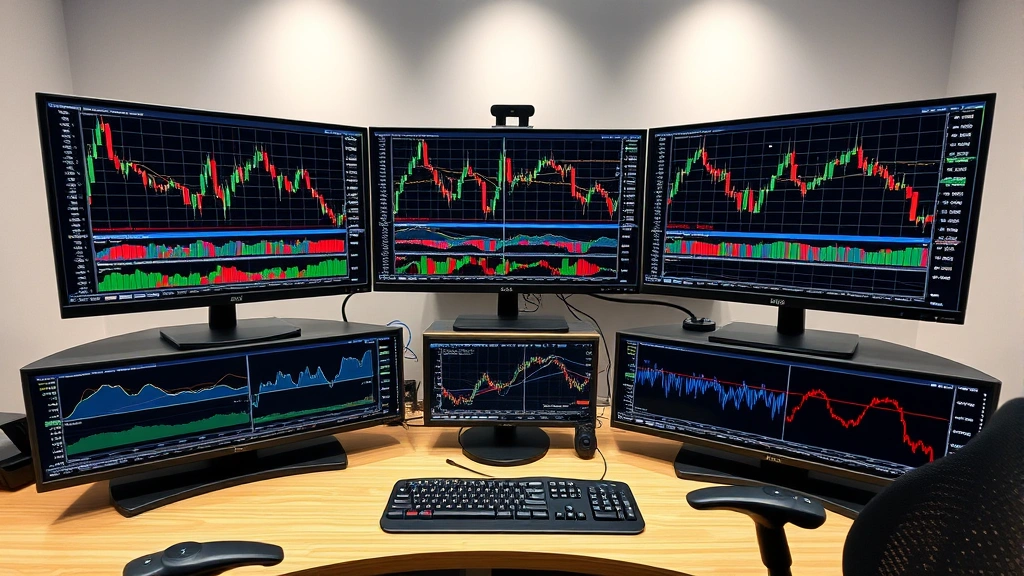
Once your first chart is created, you can add additional charts by repeating this process. Most traders maintain multiple charts simultaneously—some watching different timeframes of the same instrument, others monitoring multiple instruments for correlations and opportunities. The ability to tile these charts side-by-side is one of TopstepX’s significant advantages.
Customizing Your Chart Layout
Professional traders don’t just add charts; they meticulously customize them to match their workflow and analytical needs. Here’s how to make your charts work for you:
Chart Properties and Appearance: Right-click on your chart and select “Chart Properties” or access this through the menu. You can modify background colors, grid lines, and text size. Many experienced traders prefer dark backgrounds to reduce eye strain during long trading sessions. Consider your lighting environment when choosing colors—what works on a bright sunny day might be difficult to read under artificial office lighting.
Adjusting Price Scales: The way prices are scaled on your chart dramatically affects how you perceive trends and momentum. Linear scales show equal spacing for equal price movements, while logarithmic scales are better for viewing long-term trends across different price ranges. Experiment with both to understand which serves your analysis better.
Setting Up Multiple Timeframe Views: One of the most powerful techniques in technical analysis involves analyzing multiple timeframes simultaneously. Create a setup where you have a long-term trend chart (daily or weekly), a medium-term chart (hourly), and a short-term entry chart (5-minute or 15-minute). This multi-timeframe approach helps you trade with the longer-term trend while using shorter timeframes for precise entry and exit points. This is similar to how you’d approach planning a complex home renovation project—understanding the big picture while managing details.
The layout functionality in NinjaTrader allows you to save your preferred chart arrangements as templates. Once you’ve created a setup you like, save it so you can load the same configuration instantly the next time you log in. This consistency helps develop your trading routine and muscle memory.
Advanced Charting Tools and Indicators
Adding charts is just the beginning. The real power comes from the indicators and drawing tools you layer on top of them. TopstepX provides access to hundreds of built-in indicators, and you can also import or create custom indicators using NinjaScript.
Essential Indicators for Beginners: Start with foundational indicators that most traders use. Moving averages (simple and exponential) help identify trends and support/resistance levels. The Relative Strength Index (RSI) measures momentum and can signal overbought or oversold conditions. MACD (Moving Average Convergence Divergence) combines trend and momentum analysis. Bollinger Bands show volatility and potential breakout points.
To add an indicator to your chart, right-click on the chart and select “Add Indicator” or use the menu. A list of available indicators appears. Select your desired indicator, and a properties window opens where you can adjust parameters like period lengths and visualization options. For example, a 20-period moving average is common for shorter-term traders, while 50 and 200-period moving averages are popular for longer-term trend analysis.
Drawing Tools and Trend Lines: Beyond indicators, use drawing tools to mark support and resistance levels, trend lines, and price channels. These manual annotations often reveal patterns that indicators might miss. Draw horizontal lines at price levels where you’ve observed reversals or consolidation. Draw diagonal trend lines connecting lower lows in downtrends or higher highs in uptrends. These visual aids become invaluable when you’re analyzing charts across multiple timeframes.
Volume Analysis: Volume indicators are critical for confirming price movements. A price breakout on high volume is more reliable than one on low volume. TopstepX charts display volume bars below the price chart by default. You can add advanced volume indicators like On-Balance Volume (OBV) or Volume Rate of Change to deepen your analysis. When learning about technical skills through practice, volume analysis is a fundamental component.
Best Practices for Practice Trading
Having charts set up correctly is only half the battle. How you use them during practice trading determines whether you’ll develop profitable habits before risking real money.
Establish a Pre-Trading Routine: Before each practice session, spend 10-15 minutes reviewing your charts. Look at the daily chart first to identify the overall trend direction. Then examine the 4-hour or hourly chart for intermediate trends. Finally, look at your entry timeframe (15-minute or 5-minute) for specific trade setups. This top-down analysis approach prevents you from trading against major trends and increases your win rate.
Keep a Trading Journal: Document every trade you make in your practice account, including the setup you identified, the indicators that triggered your entry, your target price, and your stop-loss level. After closing the trade, note what happened and what you learned. This journal becomes invaluable when you eventually trade with real capital. Review it weekly to identify patterns in your successful and unsuccessful trades.
Test Specific Strategies: Use your practice account to test one strategy at a time. If you’re testing a moving average crossover strategy, add the moving averages to your charts and trade only when specific conditions are met. Resist the urge to add ten different indicators and trade based on gut feelings. Disciplined, systematic testing is what separates serious traders from casual ones.
Simulate Real Market Conditions: Even though it’s a practice account, treat it like real money. Use proper position sizing, set stop-losses on every trade, and don’t overtrade. This mental discipline carries forward when you eventually trade with capital at risk. Many traders fail in real trading not because their strategy doesn’t work, but because they don’t follow their plan when emotions are involved.
Review Platform Documentation: TopstepX and NinjaTrader both provide extensive documentation and training resources. The NinjaTrader Help Guides cover every feature in detail. Reading through these resources familiarizes you with capabilities you might otherwise never discover. Many advanced traders spend years using a platform before realizing features that could have accelerated their learning.
Your charting setup should evolve as your trading develops. What works for a day trader focused on 15-minute timeframes differs significantly from what works for a swing trader analyzing daily charts. Revisit your setup periodically and adjust based on your results and changing market conditions. As you become more skilled at building expertise through systematic learning, your charts will become increasingly tailored to your unique trading style.
FAQ
Can I use TopstepX charts on mobile devices?
TopstepX’s primary platform is designed for desktop use and provides the most comprehensive charting capabilities on computers. Some mobile access may be available depending on your subscription level, but full charting functionality is optimized for desktop browsers and the downloadable NinjaTrader application.
How many charts can I display simultaneously?
There’s no hard limit to the number of charts you can create, but practical limitations depend on your monitor setup and computer performance. Most traders use 2-6 charts simultaneously. Those with multiple monitors can display many more. Start with 2-3 charts and add more as you become comfortable managing multiple information sources.
Are the charts in TopstepX using real-time data?
TopstepX provides real-time or near-real-time data depending on your subscription level and the instruments you’re trading. Stocks and major indices typically have real-time data, while some futures contracts may have slight delays. Check your subscription details for specific data refresh rates.
Can I save my chart templates?
Yes, absolutely. NinjaTrader allows you to save your chart layouts and indicator configurations as templates. This means you can load your exact setup instantly the next time you log in, maintaining consistency in your analysis and trading approach.
What’s the best timeframe for beginners to start with?
Most beginners should start with 15-minute to hourly charts. These timeframes provide enough data points to identify clear trends and patterns without the noise and false signals common in 1-minute or 5-minute charts. Once you’ve developed consistency on these timeframes, you can experiment with others.
How do I know which indicators to use?
Start with moving averages and RSI—these two alone can form a complete trading system. After mastering those, add one more indicator that complements your style. Too many indicators create confusion and conflicting signals. Quality over quantity is the rule in technical analysis.
Should I add charts for multiple instruments?
Yes, monitoring multiple instruments helps you find the best trading opportunities. However, focus on 2-4 instruments initially. As you gain experience, you can expand to more. Many professional traders focus on 3-5 instruments they know intimately rather than trying to trade everything available.


