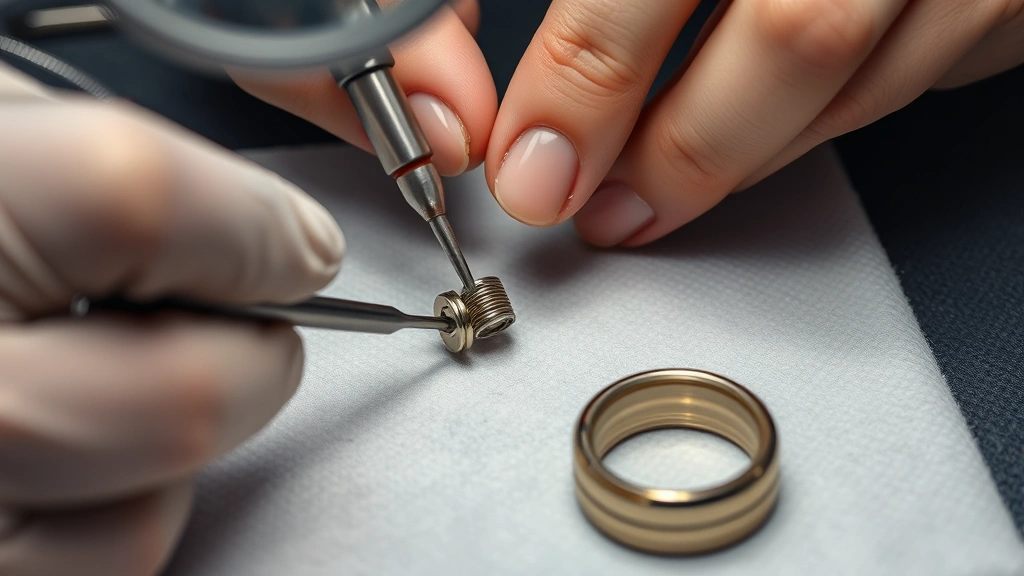
How to Adjust a Watch Strap: Expert Tips for Perfect Fit
A watch is more than just a timekeeping device—it’s an accessory that reflects your style and personality. However, even the most beautiful timepiece loses its appeal when the strap doesn’t fit properly. Whether your watch strap is too loose, too tight, or simply needs adjustment after years of wear, learning how to adjust a watch strap is an essential skill that can save you money and extend your watch’s lifespan.
Many watch owners assume they need to visit a professional jeweler for strap adjustments, but the truth is that most adjustments are straightforward enough for anyone to perform at home with the right tools and knowledge. This comprehensive guide will walk you through every type of watch strap adjustment, from metal link removal to leather strap modifications, ensuring your timepiece fits perfectly on your wrist.
Understanding Watch Strap Types
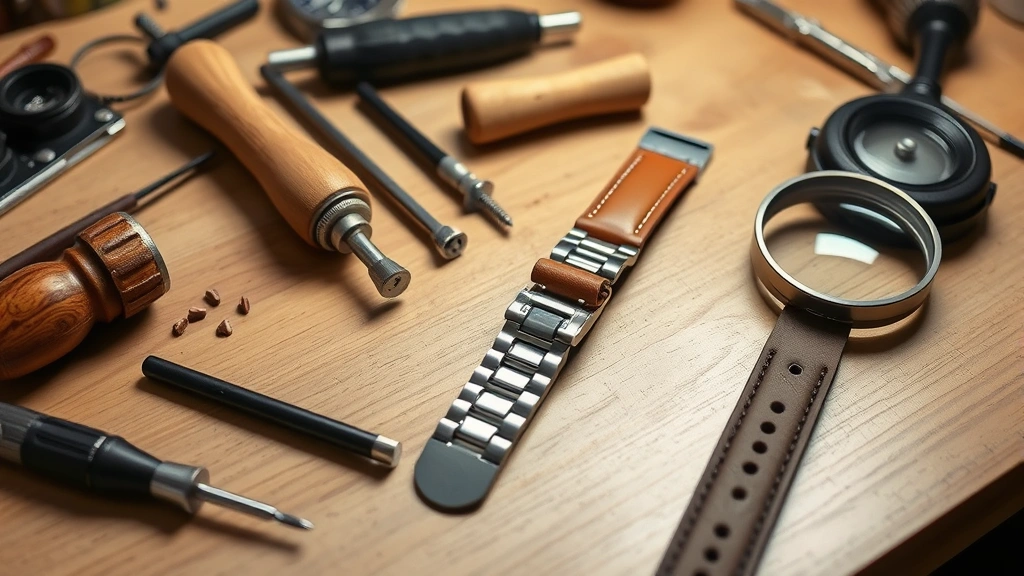
Before you begin any adjustment, it’s crucial to identify what type of strap your watch has. Different materials and construction methods require different adjustment techniques. Metal bracelets, leather straps, fabric bands, and rubber straps all have unique characteristics that affect how they should be modified.
Metal Bracelets are the most common type on dress watches and sports watches. They consist of individual links connected by pins or screws. These are the easiest to adjust because you can simply remove links to shorten the bracelet. Most metal bracelets have removable links, though some high-end watches use riveted links that require professional removal.
Leather Straps offer elegance and comfort but require a different approach. They typically feature pre-drilled holes for adjustment, though you can also create new holes if needed. Leather naturally stretches over time, so periodic readjustment is normal.
Fabric and Rubber Straps are popular on sports watches and casual timepieces. These usually adjust through velcro, buckles, or folding mechanisms and rarely require modification beyond simple buckle adjustments.
Tools You’ll Need for Strap Adjustment
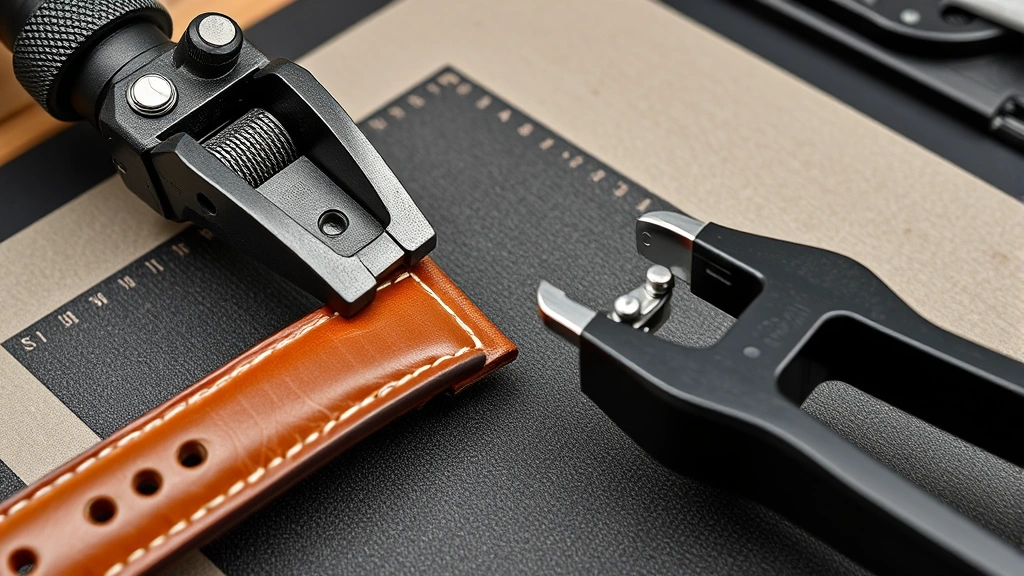
Having the right tools makes watch strap adjustment significantly easier and safer. Unlike more complex adjustments like truss rods, watch work requires precision instruments rather than heavy-duty equipment.
- Link Pin Remover or Spring Bar Tool: This specialized tool has a small forked end designed to push out the pins or spring bars holding links together. Many watch enthusiasts consider this the most essential tool.
- Jeweler’s Screwdriver Set: For watches with screw-link bracelets, you’ll need precision screwdrivers in various sizes. Regular screwdrivers are too large and will damage the tiny screws.
- Soft Work Surface: A rubber mat, microfiber cloth, or watch repair mat prevents scratching your watch case and bracelet. Never work directly on hard surfaces like wood or metal.
- Magnifying Glass or Loupe: A 10x magnification loupe helps you see small pins and screws clearly, reducing mistakes and frustration.
- Small Hammer or Mallet: A plastic or rubber mallet gently taps out stubborn pins without damaging them. Metal hammers can dent or scratch your watch.
- Needle-Nose Pliers: Precision pliers help hold small components steady while you work.
- Leather Hole Punch: If adjusting a leather strap, a leather punch creates clean, professional-looking holes without fraying.
- Ruler or Calipers: For accurate measurements, ensuring your watch fits perfectly after adjustment.
Quality tools make a significant difference in your success rate. Investing in a proper watch repair kit costs between $20-$50 and will last for years, making it worthwhile for anyone who owns multiple watches.
How to Remove Links from Metal Bracelets
Removing links from a metal bracelet is the most common watch strap adjustment. This process is straightforward but requires patience and attention to detail. Before beginning, lay out all your components on a clean surface and take a photo for reference.
Step 1: Identify the Links to Remove Put your watch on your wrist and determine how many links need removal. A properly fitted watch should have approximately one finger’s width of space between the watch case and your wrist. Mark the links you plan to remove with a small piece of tape so you don’t lose track.
Step 2: Secure Your Watch Place your watch on a soft work surface with the bracelet facing down. Some jewelers use a small vise with rubber pads, but a microfiber cloth works fine for most home adjustments. Position the watch so the link you’re working on is easily accessible.
Step 3: Locate the Pin or Screw Examine the marked link closely using your magnifying glass. You’ll see either a small pin (typically made of steel) or a tiny screw. Pins usually have a small dimple on one end indicating the removal direction. Screws have visible slots for your jeweler’s screwdriver.
Step 4: Remove the Pin or Screw For pin-style links, use your link pin remover by positioning the forked end under the pin and gently tapping it with your plastic mallet. Work slowly—rushing causes the pin to fly across the room and get lost. For screw-style links, use the appropriately sized jeweler’s screwdriver and turn counterclockwise until the screw is completely removed. Keep these tiny components in a small container so they don’t disappear.
Step 5: Separate the Links Once the pin or screw is removed, gently pull the links apart. You may need to wiggle slightly, but avoid forcing them. If resistance occurs, the pin may not be completely removed. Once separated, the removable link should slide out easily.
Step 6: Reconnect the Bracelet After removing your desired number of links, reconnect the remaining sections. Align the holes carefully and insert the pin or screw back through both link ends. For pins, tap gently until the pin seats flush with the link. For screws, turn clockwise until snug but not over-tightened, which can strip the threads.
Step 7: Test the Fit Put the watch on and check the fit. It should be snug enough that it doesn’t slide around but loose enough to move slightly on your wrist. You should be able to fit one finger under the bracelet comfortably. If adjustments are needed, repeat the process.
Adjusting Leather Watch Straps
Leather straps offer a classic aesthetic but require different adjustment techniques than metal bracelets. The good news is that leather strap adjustments are often simpler and don’t require as many specialized tools. Much like other precision adjustments, leather strap work demands careful measurement.
Using Existing Holes Most leather straps come with multiple pre-drilled holes spaced approximately 5mm apart. Simply move your buckle to a different hole for a quick adjustment. This is the easiest method and should be your first option.
Creating New Holes If the existing holes don’t provide the perfect fit, create new ones using a leather hole punch. Position your punch at the desired location, ensuring it aligns with the strap’s existing holes for a professional appearance. Strike the punch firmly with your mallet in one clean motion. Avoid multiple strikes, which create rough, frayed edges.
Shortening the Strap If your strap is too long even with all holes used, you may need to shorten it. Using a sharp utility knife or leather cutter, carefully trim the strap’s end in a straight line. Ensure the buckle end remains the same width. After cutting, seal the raw edge with leather edge paint or dye to prevent fraying and maintain appearance.
Dealing with Stretched Leather Leather naturally stretches over time, requiring periodic readjustment. If your strap has stretched significantly, you might need to create new holes closer to the buckle. However, if you’ve run out of adjustment space, it’s time to replace the strap entirely.
Working with Fabric and Rubber Straps
Fabric and rubber straps are common on sports watches, dive watches, and casual timepieces. These materials offer durability and comfort but have different adjustment requirements than metal or leather.
Velcro Strap Adjustments Velcro straps are the simplest to adjust—no tools required. Simply wrap the strap around your wrist and press the velcro to the desired tightness. If the velcro wears out over time, you can purchase adhesive-backed replacement velcro strips from most hardware stores or online retailers.
Buckle and Keeper Adjustments Many fabric and rubber straps use standard buckles similar to those on belts. You can adjust these by moving the buckle to a different position or by creating new holes using a leather punch. The process is identical to leather strap adjustment.
NATO and Zulu Strap Adjustments These military-style straps are extremely adjustable due to their design. Simply wrap the strap around your wrist and fold back the excess. No adjustment is typically needed, though you can trim excess length if desired.
Safety Considerations and Best Practices
Watch strap adjustment is generally safe, but following best practices prevents damage to your timepiece and potential injury to yourself. Like any DIY home project, proper technique and caution are essential.
Prevent Loss of Components Small pins and screws are easily lost. Work in a contained area away from carpet, and consider using a small bowl or container to hold removed components. Some professionals use a magnetic tray, though be cautious that magnets don’t affect your watch if it contains metal components sensitive to magnetism.
Protect Your Watch Always work on a soft surface. Scratches to your watch case or bracelet are permanent and diminish value. Microfiber cloths, rubber mats, or specialized watch repair mats all provide adequate protection.
Use Proper Tools Improvising with incorrect tools causes damage and frustration. Jeweler’s screwdrivers, for example, are specifically sized for watch screws. Using a regular screwdriver strips the screw head, making future removal extremely difficult. Invest in quality tools designed for watch work.
Work in Good Lighting Poor lighting leads to mistakes. Use a bright lamp or headlamp to illuminate your work area clearly. Many watch repair professionals use specialized lighting with magnification.
Take Your Time Rushing causes mistakes. Set aside adequate time for adjustments without distractions. Most link removals take 15-30 minutes for someone with experience, and longer for beginners.
Document the Process Take photos before disassembly so you remember the original configuration. This is especially helpful if you’re adjusting a complex bracelet.
When to Seek Professional Help
While many watch strap adjustments are DIY-friendly, certain situations warrant professional assistance. Knowing when to seek expert help protects your investment and ensures optimal results.
Riveted Bracelets Some luxury watches use riveted links instead of removable ones. Removing riveted links requires specialized equipment and expertise. Attempting this yourself will permanently damage your bracelet. Professional watchmakers have the tools and knowledge to remove rivets safely.
Waterproof Watches Watches with water resistance ratings require careful handling during strap adjustment. If you disturb seals or gaskets while working, you compromise the watch’s waterproofing. Professional watchmakers understand these requirements and can make adjustments without affecting water resistance.
Vintage or Valuable Watches Antique and high-value watches deserve professional care. Even small mistakes can significantly reduce their value. Professional restoration experts have experience with vintage mechanisms and materials.
Damaged Components If pins are bent, screws are stripped, or links are cracked, professional repair is necessary. Attempting to repair these issues yourself often makes them worse.
Uncertain Watch Mechanism If you’re unsure how your watch strap attaches or adjusts, consult the manufacturer’s documentation or a professional. Guessing can lead to costly damage.
Professional watch adjustment typically costs $25-$75, which is reasonable insurance for expensive timepieces. For watches costing more than $500, professional adjustment is almost always worthwhile.
FAQ
How tight should a watch strap be?
Your watch should fit snugly on your wrist without sliding around, but loose enough that you can fit one finger underneath comfortably. The watch should not restrict blood circulation or cause discomfort during extended wear. On metal bracelets, there should be minimal side-to-side movement.
Can I adjust a watch strap myself without tools?
Some adjustments are possible without specialized tools. Leather strap hole adjustments can be made with a regular punch and hammer, and velcro straps require no tools. However, metal bracelet adjustments really require proper link removal tools to avoid damage.
How often should I adjust my watch strap?
Leather straps typically need adjustment every 6-12 months as they stretch. Metal bracelets rarely need adjustment unless you gain or lose significant weight. Fabric straps with velcro may need occasional attention as the velcro wears out.
Will adjusting my watch strap void the warranty?
Most watch warranties don’t cover normal maintenance like strap adjustment. However, some manufacturers require factory adjustments. Check your warranty documentation or contact the manufacturer before adjusting an expensive watch.
What should I do if I lose a link pin?
Contact the watch manufacturer or a local jeweler for replacement pins. Providing the watch model helps ensure you get the correct size and type. Temporary solutions using small screws exist, but proper pins are preferable for long-term wear.
Can leather watch straps be replaced?
Yes, leather straps can be replaced by watchmakers or purchased separately if your watch uses standard lug sizes. Replacement straps cost $20-$100 depending on quality. This is a good option if your original strap is worn beyond adjustment.
How do I know if my watch has removable links?
Look at the bracelet closely. If you see small pins or screws connecting the links, they’re removable. If the links appear seamlessly welded or riveted together, they’re not meant for home removal. Your watch documentation should also specify whether links are removable.


