DIY Skincare: Applying Vitamin C Serum Safely
Vitamin C serum has become a cornerstone of modern skincare routines, celebrated for its powerful antioxidant properties and ability to brighten, firm, and protect the skin. Whether you’re purchasing a commercial product or crafting your own vitamin C serum at home, understanding how to apply vitamin C serum correctly is essential to maximize benefits while minimizing potential irritation or adverse reactions. This comprehensive guide walks you through every step of the application process, from preparation to layering techniques, ensuring your skin receives optimal results safely.
The science behind vitamin C serum is compelling: this potent ingredient penetrates the skin’s outer layers, neutralizes free radicals, stimulates collagen production, and fades hyperpigmentation. However, vitamin C is notoriously unstable and can oxidize when exposed to light, heat, or air, reducing its efficacy. Additionally, its acidic nature means improper application can lead to irritation, sensitivity, or even chemical burns on delicate facial skin. By following evidence-based application methods, you’ll harness vitamin C’s transformative benefits while protecting your skin barrier.

Understanding Vitamin C Serum Basics
Vitamin C serums come in several forms, each with distinct characteristics affecting application and efficacy. L-ascorbic acid is the most effective but unstable form, requiring careful handling and refrigeration. Sodium ascorbyl phosphate offers greater stability but slightly reduced potency. Magnesium ascorbyl phosphate provides a gentler alternative for sensitive skin types. Understanding which form you’re working with—whether you’ve purchased a commercial product or created your own vitamin C serum—influences how you should apply it and what results to expect.
The pH level of your vitamin C serum significantly impacts its penetration and safety. Most effective vitamin C serums maintain a pH between 2.5 and 3.5, which allows the ingredient to penetrate the epidermis. However, this acidic environment can irritate untreated skin, particularly for those with sensitive or compromised skin barriers. This is why proper preparation and application technique matter tremendously. You’ll want to ensure your skin is healthy and properly hydrated before introducing vitamin C into your routine.
Concentration matters when considering potency. Commercial serums typically contain 10-20% vitamin C, though some formulations reach 25%. When making your own vitamin C serum, maintaining appropriate concentrations ensures efficacy without excessive irritation. Most DIY formulations recommend 10-15% concentrations for safety. If you’re interested in exploring other skincare applications, check out our guide on DIY face masks for a complete guide to homemade skincare, which complements vitamin C treatments beautifully.
Preparing Your Skin for Application
Successful vitamin C serum application begins with proper skin preparation. Start by cleansing your face thoroughly with a gentle, pH-balanced cleanser. Remove all makeup, sunscreen, and impurities that could block serum penetration or trap bacteria beneath the vitamin C layer. Pat your skin dry with a clean towel—never rub aggressively, as this can compromise your skin barrier before applying active ingredients.
After cleansing, allow your skin to dry completely for 2-3 minutes. Applying vitamin C serum to damp skin dilutes the formula and reduces its effectiveness. Some experts recommend waiting up to 5 minutes, particularly if you have sensitive skin or are new to vitamin C application. This brief waiting period allows your skin’s natural pH to stabilize, reducing the shock of introducing an acidic product to your complexion.
Consider whether your skin barrier is healthy before application. Signs of a compromised barrier include excessive redness, stinging from other products, visible peeling, or persistent sensitivity. If you notice these signs, postpone vitamin C serum application and focus on barrier repair using hydrating products. Once your skin barrier has recovered, you can safely introduce vitamin C. For those interested in complementary skincare treatments, explore our resource on DIY homemade facial scrub for radiant skin, which can be used before vitamin C application as part of a comprehensive routine.
Test your vitamin C serum on a small area first, particularly if you’re using a high-concentration formula or have sensitive skin. Apply a pea-sized amount to your inner arm or behind your ear and wait 24 hours to observe for adverse reactions. This patch test prevents full-face irritation and helps you gauge your skin’s tolerance before committing to regular facial application.
Step-by-Step Application Guide
Step 1: Dispense Appropriately
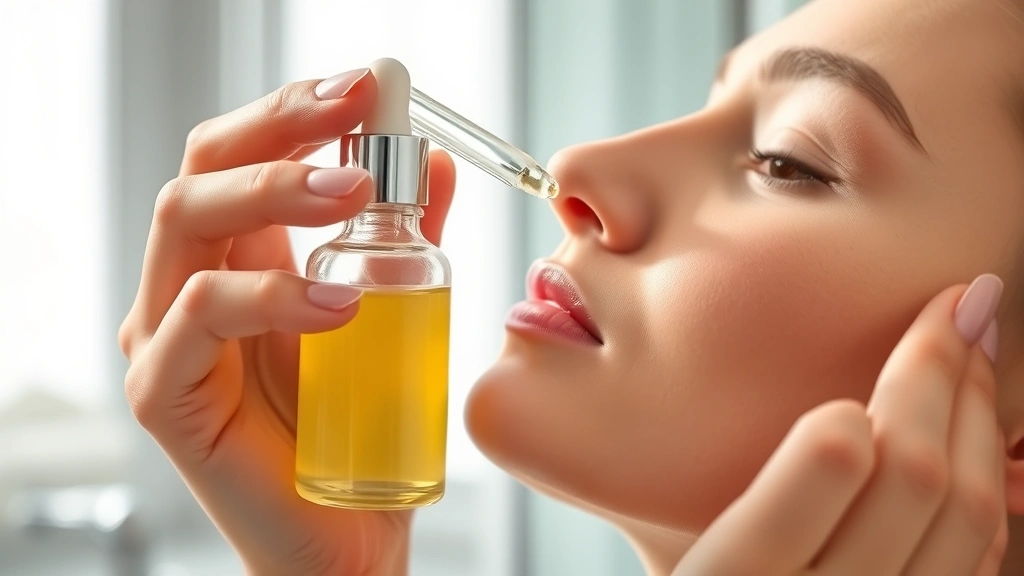
Use a clean pipette or dropper to dispense your vitamin C serum, avoiding direct contact between the applicator and your skin or the bottle opening. This prevents oxidation and contamination. For facial application, you need only a pea-sized amount—approximately 2-3 drops. Many people overestimate the necessary quantity, which wastes product and increases irritation risk. Remember that serums are concentrated formulations designed to work in small amounts.
Store your vitamin C serum in a dark, cool location immediately after dispensing. If your serum came in a clear or transparent bottle, transfer it to an opaque, airtight container. Light exposure degrades vitamin C rapidly, reducing efficacy within days or weeks. Some people keep their vitamin C serum in the refrigerator for additional stability, which also provides a soothing sensation during application.
Step 2: Apply to Clean, Dry Skin
Apply the serum to clean, completely dry skin using gentle tapping motions with your fingertips. Start at the center of your face and work outward toward your ears, then down your neck and décolletage if desired. Avoid the immediate eye area, as the skin here is thinner and more sensitive. If you wish to treat under-eye concerns, dilute the vitamin C serum with a hydrating product or use a specially formulated eye-safe version.
Use your ring finger—the weakest digit—to apply product around the eyes, as this naturally limits pressure and reduces irritation risk. Pat rather than rub the serum into your skin. Rubbing can cause irritation, disrupt your skin barrier, and create uneven application. The tapping motion allows the serum to absorb gradually while maintaining your skin’s integrity.
Step 3: Wait Before Layering
Allow 5-10 minutes for your vitamin C serum to fully absorb before applying additional products. This waiting period is crucial because vitamin C requires time to penetrate the skin barrier and establish its antioxidant protection. Applying other products too quickly can dilute the serum, reduce its efficacy, and potentially cause pilling—the uncomfortable rolling of product on your skin’s surface.
During this waiting period, avoid touching your face or engaging in activities that cause sweating. Movement and moisture can disrupt the serum’s absorption process. If you experience any stinging or burning that doesn’t subside within 10-15 minutes, rinse your face with cool water immediately. This could indicate your skin isn’t ready for vitamin C or that you’ve applied too much product.
Layering Vitamin C with Other Products
Proper layering is essential for maximizing vitamin C serum benefits while maintaining skin health. The general rule for skincare application follows the “thinnest to thickest” principle: apply lightweight serums first, then heavier creams and oils. However, vitamin C serum has specific compatibility requirements with other ingredients.
Compatible Products
Vitamin C pairs beautifully with hyaluronic acid, which hydrates skin and can buffer vitamin C’s acidity. Apply hyaluronic acid after your vitamin C serum has absorbed, as it helps seal in benefits while soothing potential irritation. Niacinamide is another excellent pairing, offering anti-inflammatory benefits that complement vitamin C’s antioxidant action. Some research suggests these ingredients work synergistically to improve skin texture and reduce visible pores.
Sunscreen Application
Always apply broad-spectrum sunscreen as the final step in your morning routine when using vitamin C serum. Vitamin C increases your skin’s photosensitivity, making sun protection absolutely essential. Choose a mineral sunscreen with at least SPF 30, applying it 15 minutes after your last skincare product. If you’re combining vitamin C with other actives, allow adequate time between applications—typically 15-30 minutes—before sunscreen application.
Incompatible or Problematic Combinations
Avoid applying vitamin C immediately before or after retinoids, alpha hydroxy acids (AHAs), or beta hydroxy acids (BHAs). These active ingredients are acidic and can compound irritation when layered with vitamin C. If you wish to use multiple actives, apply them on alternate days: vitamin C in the morning, retinoids or exfoliating acids at night. This strategy allows you to benefit from multiple ingredients while minimizing irritation risk.
Vitamin E and Ferulic Acid
Interestingly, vitamin E and ferulic acid are often included in vitamin C serums specifically because they stabilize vitamin C and enhance its antioxidant power. If your serum already contains these ingredients, you don’t need to layer additional vitamin E or ferulic acid products. However, if using a pure L-ascorbic acid serum without these additions, you can apply a separate vitamin E product afterward for enhanced stability and antioxidant protection. For additional skincare guidance, check out our resource on DIY body scrubs for glowing skin, which covers complementary exfoliation techniques.
Troubleshooting Common Issues
Excessive Stinging or Burning
If your skin burns intensely after vitamin C application, this indicates irritation. Rinse your face immediately with cool water and apply a soothing moisturizer or aloe vera gel. Reduce application frequency to every other day or twice weekly until your skin adapts. You might also be using too much product—try decreasing to a half pea-sized amount. If burning persists after several applications, discontinue use and allow your skin barrier to recover before reintroducing vitamin C.
Redness or Inflammation
Mild redness immediately after application is normal and typically subsides within 15-30 minutes as your skin adjusts. However, persistent redness lasting hours or developing into a rash indicates a reaction. This could mean your skin barrier is compromised, you’re sensitive to vitamin C, or your serum has oxidized. Switch to a gentler form like magnesium ascorbyl phosphate, reduce concentration, or discontinue temporarily.
Pilling or Texture Issues
If your vitamin C serum pills—forming little balls of product on your skin—you’re likely applying too much or layering incompatible products too quickly. Use less serum and wait longer between applications. Ensure you’re not combining vitamin C with silicone-based primers or heavy creams immediately after application. Pilling doesn’t indicate a problem with the serum itself but rather a technique or product combination issue.
No Visible Results
Vitamin C works gradually, requiring consistent application for 4-12 weeks before visible brightening or texture improvements appear. If you’ve been using vitamin C correctly for this duration without results, your serum may have oxidized. Check the color—oxidized vitamin C turns yellow or brown and loses efficacy. Replace your serum and ensure proper storage in a dark, cool location. Additionally, ensure you’re applying adequate sun protection, as UV exposure counteracts vitamin C’s benefits.
Storage and Stability Tips
Vitamin C serum’s stability directly impacts application effectiveness. L-ascorbic acid degrades rapidly when exposed to light, heat, or oxygen, so storage is critically important. Keep your serum in an airtight, opaque container away from direct sunlight and heat sources. Bathroom cabinets with consistent temperatures are ideal; avoid windowsills, countertops near heat vents, or cars where temperature fluctuates.
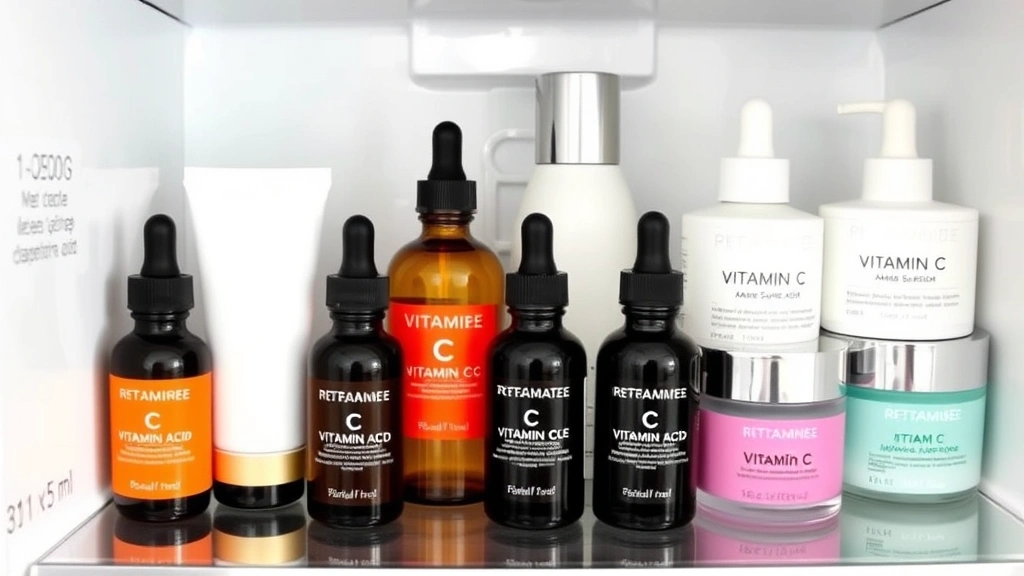
Refrigeration significantly extends vitamin C serum stability, particularly for high-concentration formulations. Store your serum in a small dark glass bottle on the refrigerator’s top shelf, away from foods and temperature fluctuations caused by frequent door opening. A cool serum also feels refreshing during application and can soothe irritated skin. Most vitamin C serums remain stable for 2-3 weeks at room temperature but 2-3 months when refrigerated.
If you’re making your own vitamin C serum, prepare small batches designed for 2-4 weeks of use. Use distilled water, sterilized containers, and include stabilizing ingredients like vitamin E and ferulic acid. Record your preparation date on the container and discard any serum showing color changes or unusual odors. Homemade formulations lack preservatives found in commercial products, making them more susceptible to degradation and contamination.
Check your serum’s color regularly. Fresh vitamin C serums appear clear or slightly pale yellow. If the color deepens to orange, brown, or develops a murky appearance, oxidation has occurred and efficacy is compromised. Replace the serum immediately. You might also notice a change in smell—oxidized vitamin C develops a slightly unpleasant or vinegary odor. Trust your senses; if something seems off, it’s safer to discard the product.
FAQ
How often should I apply vitamin C serum?
Most people benefit from applying vitamin C serum once daily in the morning, as it provides antioxidant protection throughout the day. If you have sensitive skin or are new to vitamin C, start with 3-4 times weekly, gradually increasing frequency as your skin adapts. Avoid applying vitamin C more than once daily, as this can lead to irritation and sensitivity without additional benefit.
Can I use vitamin C serum with other vitamin C products?
Applying multiple vitamin C products simultaneously increases irritation risk without proportional benefits. Stick to one vitamin C product in your routine. However, you can use vitamin C in your morning routine and retinoids at night, as these actives target different concerns and shouldn’t be combined.
Is vitamin C serum suitable for all skin types?
Vitamin C benefits all skin types, but application approach varies. Oily or acne-prone skin tolerates vitamin C well and benefits from its antioxidant and collagen-stimulating properties. Sensitive skin requires gentler formulations and slower introduction. Dry skin benefits from layering vitamin C with hydrating products. Combination skin can use vitamin C on the entire face, adjusting other products based on zone-specific needs.
When will I see results from vitamin C serum?
Initial results—improved skin brightness and hydration—may appear within 1-2 weeks. More significant improvements like reduced hyperpigmentation or improved texture require 8-12 weeks of consistent application. Some benefits, like increased collagen production and skin firmness, develop over months of regular use. Patience and consistency are essential for optimal results.
Can I apply vitamin C serum before makeup?
Yes, vitamin C serum works excellently as a makeup primer. Apply your serum, wait 5-10 minutes for absorption, then proceed with moisturizer and sunscreen. Allow another 5-10 minutes before applying primer and foundation. This layering takes longer but maximizes both skincare benefits and makeup longevity. If you’re short on time, apply vitamin C the night before instead.
What should I do if vitamin C serum irritates my skin?
Discontinue use immediately and rinse your face with cool water. Apply a soothing moisturizer or hydrating mask to calm irritation. Wait at least one week before reintroducing vitamin C, and then start with a lower concentration or less frequent application. If irritation persists, your skin may not tolerate vitamin C—try an alternative antioxidant like niacinamide or green tea extract instead.
How do I know if my vitamin C serum has expired?
Check for color changes, unusual odors, or consistency changes. Fresh vitamin C appears clear or slightly pale yellow; oxidized formulas turn orange or brown. Expiration dates on commercial products indicate when the product was manufactured; most vitamin C serums expire 6-12 months from purchase if stored properly. Homemade formulations should be used within 2-4 weeks of preparation.


