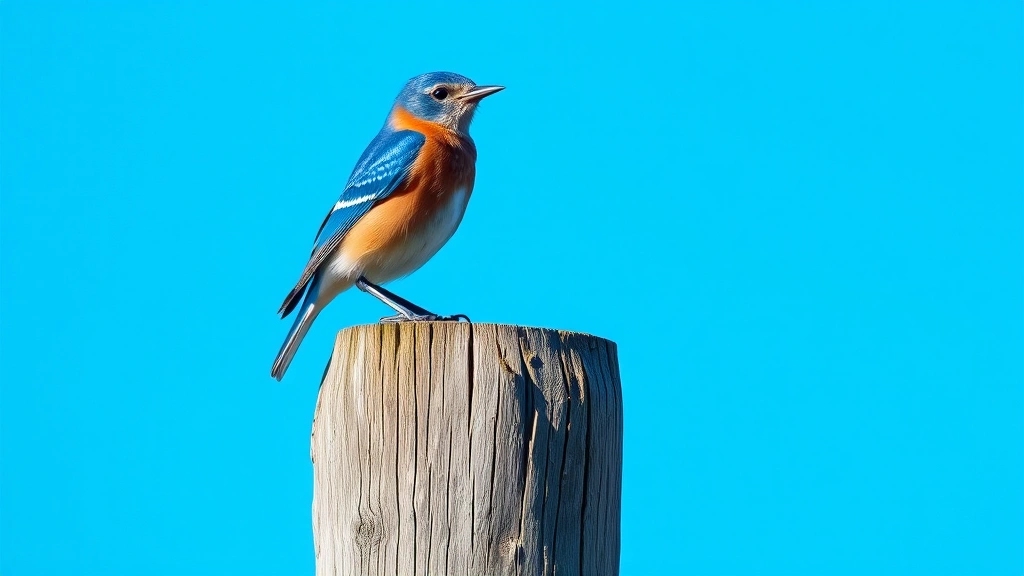
Attract Bluebirds Easily! Expert Tips Inside
Bluebirds are among the most beloved backyard visitors, bringing vibrant color and cheerful songs to residential landscapes. These cavity-nesting birds have experienced population declines due to habitat loss and competition from invasive species, making backyard conservation efforts increasingly important. By implementing proven attraction strategies, homeowners can create welcoming environments that encourage bluebirds to nest, feed, and thrive on their properties.
Whether you’re a seasoned birder or just beginning to notice these stunning azure visitors, this comprehensive guide provides actionable steps to transform your yard into a bluebird haven. From nestbox installation to habitat design, we’ll explore every aspect of attracting and supporting these remarkable birds throughout the year.
Understanding Bluebird Species and Behavior
Three primary bluebird species inhabit North America: the Eastern Bluebird, Western Bluebird, and Mountain Bluebird. Each species has distinct geographic ranges and behavioral patterns that influence attraction strategies. Eastern Bluebirds, the most common eastern species, prefer open grasslands and meadows with scattered trees. Understanding your local species helps you tailor your approach for maximum success.
Bluebirds are secondary cavity nesters, meaning they don’t excavate their own holes but rely on existing cavities created by woodpeckers or natural decay. This dependency makes human-provided nestboxes essential for population support. These birds are highly territorial during breeding season, with pairs establishing and defending specific areas. Recognizing these behavioral traits allows you to position resources strategically and minimize stress on nesting birds.
During winter, bluebirds shift from primarily insectivorous to frugivorous diets, consuming berries and seeds. This seasonal dietary change influences year-round habitat planning. Additionally, bluebirds are relatively long-lived birds, with some individuals surviving 10+ years in the wild. Providing consistent, quality habitat encourages birds to return to your property season after season.
Installing Proper Nestboxes
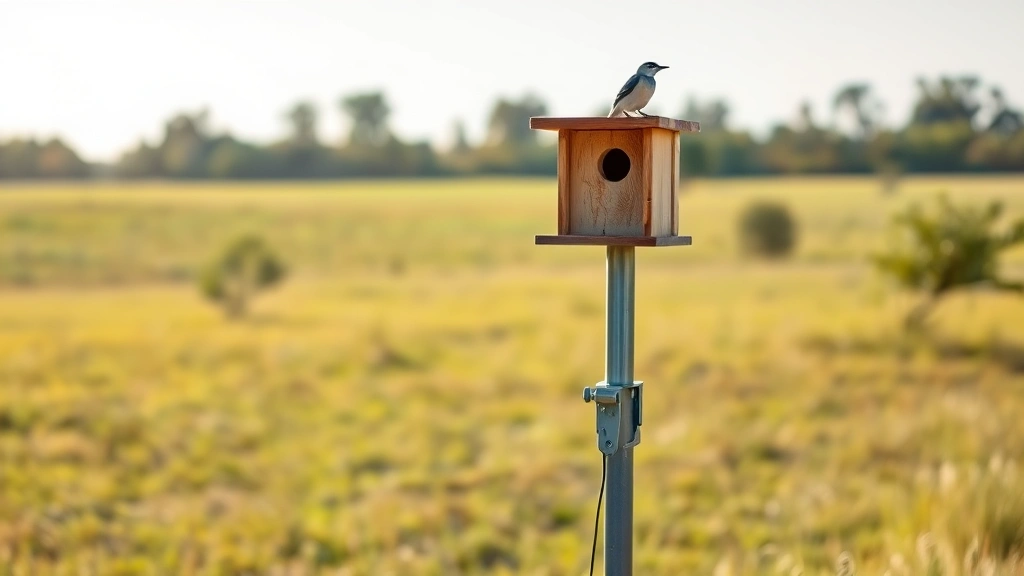
Nestbox specifications are critical for bluebird attraction and successful reproduction. The North American Bluebird Society provides detailed guidelines for construction and placement. Standard Eastern Bluebird boxes require a 1.25-inch entrance hole, interior dimensions of 5x5x8 inches, and proper ventilation holes. Building your own nestbox or purchasing quality models ensures specifications meet species requirements.
Placement strategy significantly impacts nestbox success rates. Position boxes 4-6 feet high on poles or trees in open areas with clear sightlines, allowing birds to detect approaching threats. Space multiple boxes at least 25 feet apart to prevent territorial conflicts. Face entrance holes away from prevailing winds and direct afternoon sun. Mounting on smooth poles rather than trees reduces predator access, particularly from climbing snakes and raccoons.
Installation timing matters considerably. Mount nestboxes by late winter (February-March in most regions) to allow birds to locate and inspect sites before breeding season begins. Ensure boxes have adequate drainage through corner holes and roof overhangs to prevent water accumulation. Install removable roofs or hinged sides for annual cleaning and monitoring, essential for disease prevention and nestling survival.
Consider installing multiple box configurations if your property is large enough. Some experienced birders maintain 3-5 boxes per acre in optimal habitat, though spacing prevents territorial disputes. Document box locations and maintenance schedules to ensure consistent monitoring throughout breeding and fledging seasons.
Creating Ideal Feeding Stations
While bluebirds naturally consume insects during breeding season, supplemental feeding supports population health, particularly during harsh winters or insect shortages. Mealworms represent the preferred supplemental food, offering complete nutrition and mimicking natural prey. Offering live mealworms in shallow dishes positioned near nestboxes encourages birds to remain in your yard and view it as a reliable resource.
Establish feeding stations strategically positioned 10-15 feet from nestboxes, allowing birds to forage safely while monitoring nest sites. Use open platform feeders or specialized mealworm dishes that protect food from weather and contamination. Maintain consistent feeding schedules, particularly during breeding season when adult birds require substantial calories for chick-feeding duties. Research shows supplemental feeding can increase fledgling survival rates by 15-25% during resource-limited periods.
Native berry-producing plants provide natural food sources requiring minimal maintenance. Serviceberry, dogwood, juniper, and mulberry trees produce fruits bluebirds eagerly consume, particularly during fall and winter. Planting these species creates self-sustaining food sources that reduce feeding station dependence while supporting broader ecosystem health. Avoid pesticide applications that eliminate insect populations bluebirds rely upon during breeding season.
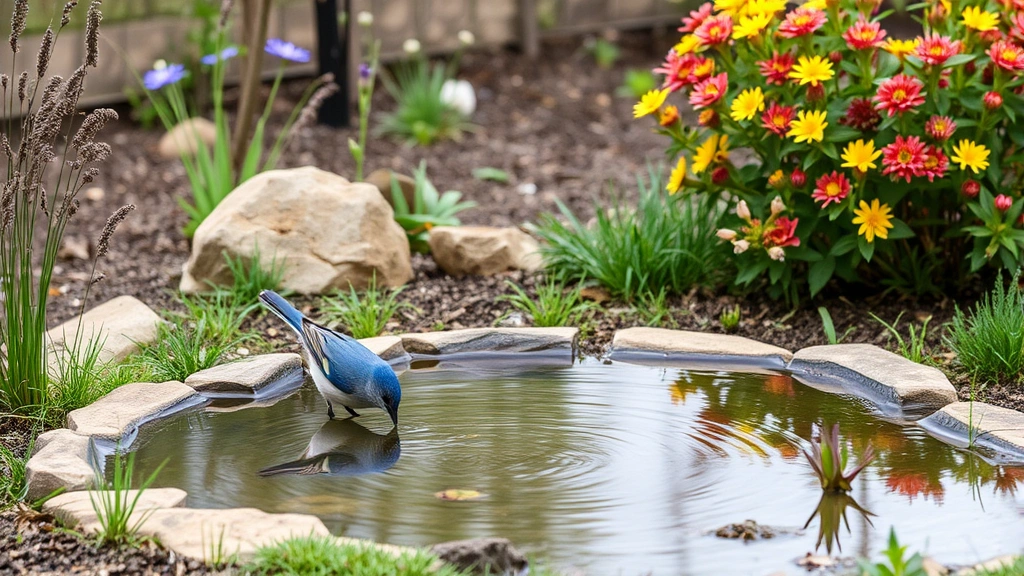
Water sources attract bluebirds and support overall yard health. Shallow basins 1-2 inches deep allow safe drinking and bathing without drowning risk. Position water sources in open areas with nearby perches for quick escape routes. Refresh water daily, particularly in warm weather, to prevent mosquito breeding and disease transmission. Moving water features like fountains or misters increase attraction by creating visual and auditory cues birds detect from considerable distances.
Habitat Design and Landscaping
Bluebirds thrive in open grassland habitats with scattered trees and minimal dense understory vegetation. This preference reflects their foraging strategy of hunting insects from perches and ground level. When planning property improvements, prioritize open lawn areas interspersed with native trees and shrubs. Avoid dense shrub plantings that provide cover for predators and competitors.
Maintain lawn heights of 2-3 inches, creating ideal conditions for ground foraging. Bluebirds hunt grasshoppers, crickets, and beetles in short grass where prey visibility is optimal. Taller grass or dense weeds obscure prey and reduce foraging efficiency. Mow selectively to preserve wildflower patches that support insect populations. Native wildflower meadows provide food sources while reducing maintenance requirements compared to manicured lawns.
Snags and dead trees serve critical functions in bluebird habitat. These structures provide perching sites for hunting and surveying territory, nesting cavities created by woodpeckers, and insect habitat supporting food webs. Rather than removing dead trees, retain 1-2 snags per acre when safely possible. Alternatively, install dead branches as perches near feeding areas and nestboxes. These simple additions significantly increase bluebird presence and activity patterns.
Native tree and shrub selection supports long-term habitat quality. Dogwoods, hawthorns, redbuds, and crabapples provide spring blossoms, summer insect habitat, and fall fruit production. Plant species native to your region, ensuring compatibility with local climate and soil conditions. Diverse plantings create structural complexity that supports varied bird species while maintaining the open character bluebirds require. Consult native plant societies for species recommendations specific to your geographic area.
Managing Predators and Competitors
House Sparrows and European Starlings represent the primary competitors for bluebird nestboxes and food resources. These invasive species are aggressive, often destroying bluebird eggs and evicting nesting pairs. Management strategies include installing entrance hole restrictors that prevent larger sparrow entry while accommodating bluebirds, or actively removing competitor nests early in breeding season when legal and ethical approaches are considered.
Predator management requires balancing safety with ecological principles. Snakes, particularly rat snakes, climb poles to consume eggs and nestlings. Install baffles 4-6 feet high on mounting poles to prevent climbing access. Raccoons and opossums similarly exploit inadequate pole protection. Smooth metal poles with properly installed baffles provide effective deterrence. Never use destructive predator control methods; instead, focus on exclusion and physical barriers that protect nesting birds.
Domestic cats represent significant predation threats to fledgling bluebirds learning to fly. Encourage neighbors to keep cats indoors, particularly during fledging season (June-August). Fledglings remain vulnerable for 2-3 weeks post-nest, spending considerable time on ground level before achieving full flight capability. Creating cat-free zones around bluebird habitat increases fledgling survival substantially.
Pesticide elimination supports bluebird populations by preserving insect food sources. Broad-spectrum insecticides eliminate the grasshoppers, crickets, and beetles that comprise bluebirds’ primary diet. Organic land management practices that encourage natural predator-prey relationships support healthier ecosystems and more robust bird populations. This approach requires patience but yields superior long-term results compared to supplemental feeding alone.
Seasonal Care and Maintenance
Spring preparation begins in late winter with nestbox inspection and cleaning. Remove old nesting material from previous seasons, disinfect interiors with dilute bleach solutions, and repair any damage. Ensure drainage holes remain clear and roof overhangs provide adequate weather protection. Fresh nestboxes increase occupancy rates and reduce parasite and disease transmission that compromise reproductive success.
During breeding season (March-August in most regions), monitor nestboxes weekly without excessive disturbance. Document egg-laying dates, clutch sizes, and fledging success. Minimize visits during hot weather when nestling overheating becomes critical. If parasites or disease signs appear, consult Audubon Society resources for species-specific intervention guidance. Maintain supplemental feeding and water sources throughout breeding season when insect populations fluctuate.
Fall management focuses on supporting birds preparing for winter migration or year-round residence. Continue providing mealworms and maintain berry-producing plants for natural food sources. Allow native seed-bearing plants to mature, supporting both bluebirds and other wildlife. Avoid aggressive pruning that removes food sources and shelter. Monitor fledgling independence and reduce supplemental feeding gradually as birds transition to natural food sources.
Winter care becomes critical in harsh climates. Bluebirds struggle with extreme cold and food scarcity. Maintain consistent mealworm feeding, protected from freezing in heated feeders. Provide roosting boxes—specially designed nestboxes with entrance holes positioned low and ventilation holes placed high—that allow birds to huddle for warmth during cold nights. Research indicates roosting box provision can increase winter survival rates significantly in severe climates.
Post-fledging monitoring extends through summer and early fall. Bluebirds often produce second broods, utilizing the same nestbox for additional nesting attempts. Allow adequate recovery time between broods before cleaning boxes. Document productivity metrics including eggs laid, nestlings fledged, and fledgling survival rates. This information contributes to citizen science initiatives and helps refine your personal management strategies.
FAQ
What is the best time to install bluebird nestboxes?
Install nestboxes by late February or early March, before breeding season begins. This allows birds to locate, inspect, and claim sites before egg-laying commences. In warmer southern regions, installation by January ensures maximum occupancy opportunity. Maintain boxes year-round for winter roosting and spring re-occupation.
How often should I check nestboxes during breeding season?
Weekly monitoring provides adequate oversight without excessive disturbance. Conduct visits during early morning or late afternoon when adults are away foraging. Limit visits to 1-2 minutes, minimizing stress on nesting birds. During extreme heat, reduce frequency to every 10-14 days to prevent nestling overheating from nest abandonment. Avoid visits during the critical first week post-hatch when parents are most likely to abandon nests.
Can I use pesticides if I want to attract bluebirds?
No—pesticide use fundamentally undermines bluebird attraction efforts. Broad-spectrum insecticides eliminate the insects bluebirds depend upon for nutrition, particularly during breeding season. Organic land management practices that encourage natural pest control support healthier ecosystems and more robust bird populations. This transition requires patience but yields superior long-term results.
What should I do if House Sparrows occupy my bluebird nestbox?
Install entrance hole restrictors (1.25 inches for Eastern Bluebirds) that prevent larger sparrows from entry while accommodating bluebirds. Remove sparrow nests and eggs early in breeding season when legal in your jurisdiction. Some experienced bluebird monitors practice active management, removing competitor nests throughout breeding season. Consult local wildlife regulations before implementing removal strategies.
How can I protect bluebird fledglings from cats?
Encourage neighbors to keep cats indoors, particularly during fledging season (June-August). Fledglings remain vulnerable for 2-3 weeks post-nest, spending considerable time on ground level. Create cat-free zones around bluebird habitat by installing fencing or discussing responsible pet management with neighbors. Provide dense shrubs that offer escape cover, though balancing this with bluebirds’ open habitat preference requires careful design.
What plants attract bluebirds naturally?
Native berry-producing plants including serviceberry, dogwood, hawthorn, juniper, and mulberry attract bluebirds, particularly during fall and winter. These species provide natural food sources requiring minimal maintenance. Complement berry producers with native wildflowers and grasses that support insect populations. Consult regional native plant societies for species recommendations specific to your climate and soil conditions.
Do bluebirds migrate, and should I maintain feeders year-round?
Migration patterns vary by region and individual birds. Eastern Bluebirds exhibit partial migration, with some populations remaining year-round while others migrate seasonally. Western and Mountain Bluebirds display more consistent migration patterns. Maintain supplemental feeding year-round in regions where bluebirds are present, particularly during harsh winters. This supports both year-round residents and migratory populations during migration periods.
How do I know if my bluebird nestbox is successful?
Document eggs laid, hatching success, nestling survival, and fledging dates. Successful boxes typically produce 4-5 eggs per clutch with 70-80% hatching rates and 85-90% fledgling survival rates. Compare your results to regional data from bluebird monitoring programs. Productivity varies based on habitat quality, predation pressure, and food availability, so context matters when evaluating success.


