
How to Become a PCT: Complete Certification & Training Guide
Becoming a Patient Care Technician (PCT) offers a rewarding pathway into healthcare with excellent job security and growth potential. Whether you’re starting your healthcare career or transitioning from another field, understanding the certification requirements and training options is essential for success. This comprehensive guide walks you through every step of the process, from initial education to landing your first role in a clinical setting.
PCTs play a vital role in patient care, assisting nurses and physicians with essential tasks that directly impact patient comfort and safety. The demand for qualified PCTs continues to rise across hospitals, clinics, and long-term care facilities. By following this roadmap, you’ll be well-prepared to pursue this in-demand healthcare certification.
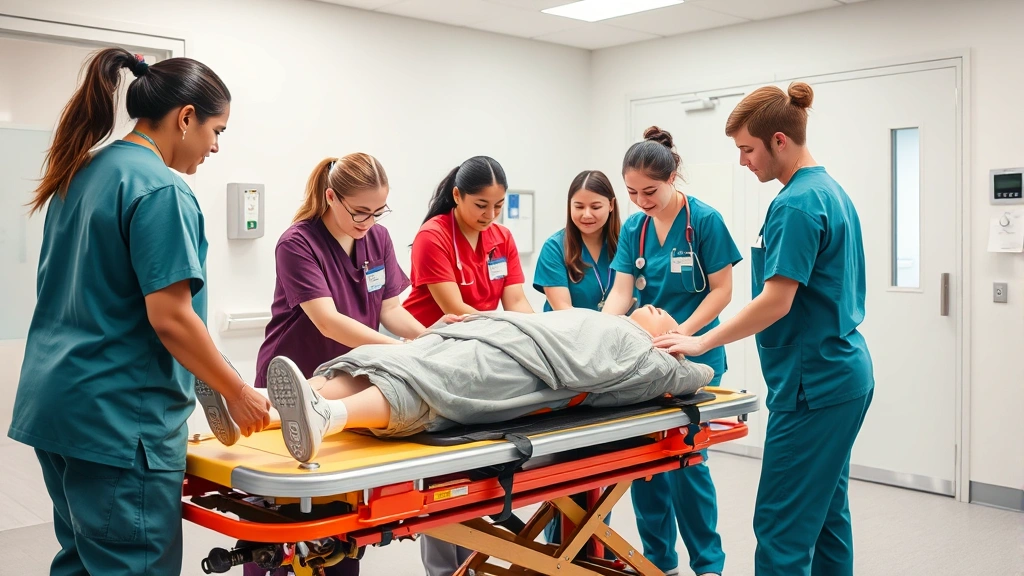
Understanding PCT Roles and Responsibilities
Patient Care Technicians are frontline healthcare workers who support medical teams in patient care delivery. Your responsibilities will include taking vital signs, assisting with patient hygiene and mobility, performing basic patient care tasks, and maintaining clean clinical environments. Understanding these duties helps you determine if this career aligns with your goals and interests.
PCTs work in diverse healthcare settings including hospitals, outpatient clinics, dialysis centers, and assisted living facilities. The role requires strong interpersonal skills, physical stamina, and attention to detail. You’ll interact directly with patients during vulnerable moments, making compassion and professionalism absolutely critical. Many PCTs describe their work as deeply fulfilling because they directly improve patient outcomes and comfort.
The Bureau of Labor Statistics projects steady growth for healthcare support occupations, with PCTs among the fastest-growing positions. This career offers multiple advancement opportunities—many PCTs transition into nursing, respiratory therapy, or other specialized healthcare roles after gaining clinical experience.

Educational Prerequisites and Requirements
Most PCT positions require a high school diploma or GED as the minimum educational foundation. However, the specific requirements vary significantly by employer, state, and certification type. Researching your local job market early helps you understand what qualifications employers in your area prioritize most.
Before enrolling in formal PCT training, ensure you meet basic prerequisites: high school completion, age requirements (typically 18+), and basic literacy in English. Some employers prefer candidates with CPR certification before hiring, though they may provide training. Checking with local hospitals and healthcare facilities about their specific requirements prevents wasted time and money on unnecessary coursework.
State regulations significantly impact PCT requirements. Some states require certification, while others allow PCTs to work with only on-the-job training. The American Association of Colleges of Nursing provides state-specific certification information, making it an excellent first resource for understanding your local landscape.
Consider pursuing additional healthcare certifications alongside PCT training to enhance your marketability. Certifications like CPR/BLS, phlebotomy, or EKG technician credentials make you a more competitive candidate for desirable positions.
Certification Pathways and Exams
The primary certification bodies for PCTs are the National Healthcareer Association (NHA) and the American Registry of Clinical Laboratory Scientists (ARCLS). Each organization maintains rigorous standards and offers different credential levels. Understanding these pathways helps you choose the certification most valued in your target job market.
The NHA Certified Patient Care Technician/Specialist (CPCT/S) exam is the most widely recognized certification. This comprehensive exam covers patient care fundamentals, safety protocols, infection control, and communication skills. Passing requires demonstrating competency across multiple healthcare domains, ensuring you’re prepared for real-world clinical challenges.
Exam preparation typically requires 6-12 weeks of dedicated study. Most candidates use official study guides, practice exams, and review courses to build confidence before testing. Many community colleges and training providers offer exam prep workshops specifically designed to maximize your pass rate on the first attempt.
The certification process involves submitting an application, paying examination fees (typically $150-300), and scheduling your test at an approved testing center. After passing, you’ll maintain your certification through continuing education requirements, usually requiring 36 continuing education hours every two years. This ongoing education keeps you current with evolving healthcare practices and safety standards.
Training Programs and Course Options
Multiple educational pathways lead to PCT certification, each offering different advantages depending on your schedule, budget, and learning preferences. Community colleges offer comprehensive programs combining classroom instruction with clinical practicum hours, while private vocational schools provide accelerated options.
Certificate programs typically span 4-12 months of full-time study or 6-18 months part-time. Curriculum covers anatomy and physiology, medical terminology, patient communication, vital signs assessment, infection control, and HIPAA compliance. Most programs include 40-100 clinical hours in actual healthcare settings, providing hands-on experience under supervision.
Online and hybrid programs have expanded access significantly. These flexible options allow working adults to pursue certification while maintaining employment. However, clinical practicum hours still require in-person attendance at healthcare facilities. Choosing an accredited program ensures your training meets industry standards and that employers recognize your credentials.
Tuition ranges from $1,500 to $8,000 depending on program length and institution type. Community colleges typically offer the most affordable options, while private schools may charge more but sometimes provide job placement assistance. Financial aid, scholarships, and employer tuition reimbursement programs can significantly reduce your out-of-pocket costs.
When selecting a training program, verify accreditation through the Commission on Accreditation of Allied Health Education Programs (CAAHEP). Accredited programs meet rigorous quality standards and produce graduates with higher certification pass rates.
Consider programs offering multi-credential pathways that combine PCT training with phlebotomy or EKG certification. These comprehensive programs increase your employment flexibility and earning potential without significantly extending your total training time.
Building Clinical Skills and Experience
Clinical practicum experience is non-negotiable for becoming an effective PCT. This hands-on training in real healthcare environments teaches you skills that classroom instruction cannot replicate. During practicum, you’ll work alongside experienced PCTs and nursing staff, learning the rhythms and realities of patient care.
Your practicum placement exposes you to diverse patient populations and clinical scenarios. You’ll practice taking vital signs, assisting with patient transfers, maintaining patient dignity while providing personal care, and responding to emergencies. This real-world experience builds the muscle memory and confidence essential for independent practice.
Many facilities hire newly certified PCTs from their practicum programs, making your clinical placement a potential job interview. Demonstrating reliability, enthusiasm, and strong work ethic during practicum can lead directly to employment offers. Treating your practicum as a paid audition for permanent employment maximizes this opportunity.
After certification, continue building skills through specialized training in your workplace. Many PCTs pursue additional certifications in phlebotomy, EKG, or patient transport, expanding their responsibilities and earning potential. Each additional skill makes you more valuable to employers and opens advancement pathways.
Seek mentorship from experienced nurses and senior PCTs. These relationships accelerate your professional development and help you navigate workplace culture. Experienced colleagues can teach you shortcuts, help you understand complex patient situations, and provide emotional support during challenging shifts.
Continuing Education and Career Growth
Maintaining your PCT certification requires ongoing professional development. Most certifications mandate 36 continuing education hours every two years, ensuring you stay current with evolving healthcare standards and best practices. Planning your continuing education strategically aligns professional development with your career goals.
Continuing education options include online courses, conference attendance, hospital-sponsored training, and specialized workshops. Many employers offer tuition assistance for continuing education, making professional development affordable. Selecting courses aligned with your interests—whether critical care, pediatrics, or geriatrics—shapes your career trajectory.
PCTs with strong performance records and additional certifications often transition into advanced healthcare roles. Many pursue nursing degrees, respiratory therapy, or other specialized fields. Your PCT experience provides invaluable clinical foundation and helps you succeed in more advanced healthcare education.
Leadership opportunities emerge as you gain experience. Senior PCTs may mentor new staff, lead quality improvement initiatives, or specialize in particular patient populations. These roles increase job satisfaction and earning potential while allowing you to shape healthcare delivery in your facility.
Stay engaged with professional organizations like the National Healthcareer Association, which offers networking opportunities, continuing education resources, and career advancement information. Professional involvement demonstrates commitment to your field and expands your professional network.
Consider pursuing additional professional development resources that complement your healthcare career. Understanding business fundamentals, leadership skills, or specialized clinical knowledge prepares you for supervisory and management positions.
FAQ
How long does it take to become a PCT?
Most PCT certification programs require 4-12 months of full-time study, though part-time options extend to 18 months. This timeline includes classroom instruction and required clinical practicum hours. Accelerated programs can compress this into 8-10 weeks, though they demand intense study commitment.
Do I need a specific high school diploma type?
A standard high school diploma or GED satisfies most employer requirements. Some programs may require specific high school courses like biology or health science, but these prerequisites are relatively minimal. Contact your target training program about specific prerequisites they require.
What’s the difference between PCT and CNA certification?
Certified Nursing Assistants (CNAs) focus primarily on patient hygiene, comfort, and basic care. PCTs have broader training including vital signs, patient mobility assistance, and more clinical responsibilities. PCTs often earn more and have greater advancement opportunities, though CNA training is typically shorter and less expensive.
Can I work as a PCT without certification?
Many states allow uncertified PCTs to work under direct nursing supervision with on-the-job training. However, certification significantly improves job prospects, earning potential, and career advancement. Most desirable positions require or strongly prefer certified PCTs.
How much do PCTs earn?
PCT salaries vary by location, facility type, and experience. Entry-level positions typically start at $24,000-$28,000 annually, while experienced PCTs earn $32,000-$42,000. Shift differentials, overtime opportunities, and specialized certifications increase earning potential significantly.
What’s the job outlook for PCTs?
The Bureau of Labor Statistics projects 8-10% growth for healthcare support occupations through 2032, faster than average. An aging population and expanding healthcare services drive consistent demand for qualified PCTs across all settings.


