Can You Build a Treehouse? Expert Tips & Tricks for Safe, Sturdy Structures
Building a treehouse is an exciting DIY project that combines adventure, creativity, and hands-on construction skills. Whether you’re creating a childhood retreat, a backyard entertainment space, or a unique family gathering spot, treehouses offer an escape from everyday life while challenging your building abilities. The good news: with proper planning, the right materials, and safety-conscious execution, most homeowners can successfully construct a functional treehouse.
However, treehouse construction isn’t a casual weekend project. It requires understanding structural engineering principles, local building codes, tree biology, and safety protocols. This comprehensive guide walks you through everything you need to know before climbing that first ladder and hammering that first nail.
Understanding Treehouse Basics and Feasibility
Before committing time and money to a treehouse project, honestly assess whether this endeavor fits your skills and situation. A treehouse requires structural integrity, proper engineering, and unwavering commitment to safety standards. Unlike typical basement finishing projects, treehouse construction involves working at heights and managing live tree health simultaneously.
The feasibility question depends on several factors: Do you have suitable trees on your property? Can you obtain necessary permits? Do you have basic carpentry experience or access to expert guidance? Are you willing to invest in quality materials and safety equipment? If you’re hesitant about your abilities, consulting a professional treehouse builder or structural engineer is wise. Many communities have International Code Council certified professionals who specialize in elevated structures.
Treehouse construction shares some similarities with major home additions, particularly regarding permits and inspections. Both projects require documentation, planning approval, and verification that work meets local building standards. The primary difference is that treehouses operate within a living ecosystem, adding complexity to the building process.
Selecting the Perfect Tree
Tree selection is absolutely critical to your treehouse’s success and safety. Not every tree can support an elevated structure. The ideal treehouse tree must be healthy, mature, and structurally sound.
Species Considerations: Oak, maple, fir, and Douglas fir trees are excellent choices due to their strength and size. Avoid trees with weak wood like willow, birch, or ash. Consult a certified arborist who can assess your specific trees. They’ll examine branch diameter, wood density, overall health, and weight-bearing capacity.
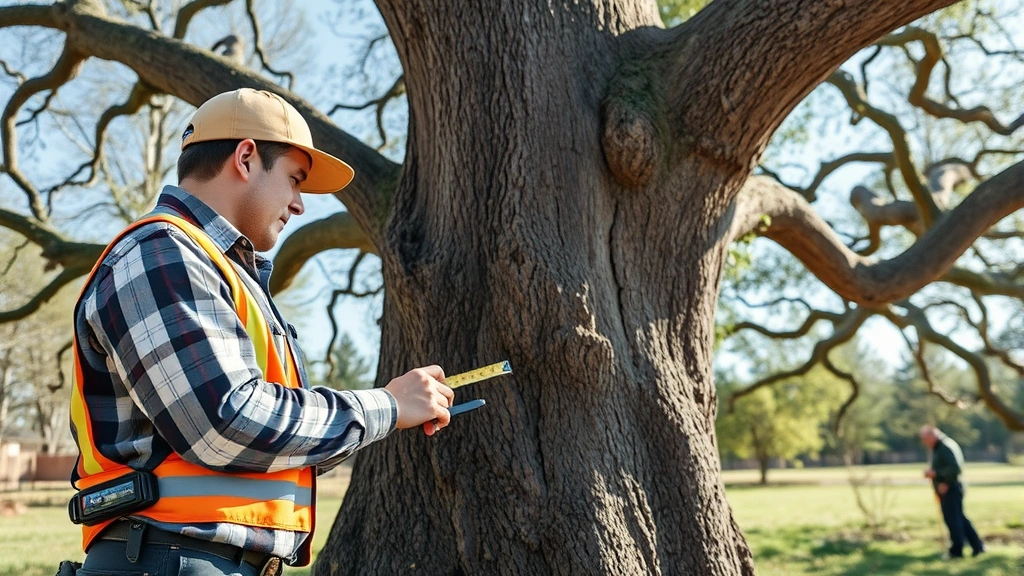
Minimum Requirements: Your tree should be at least 12 inches in diameter at the base. Multiple trees are preferable—ideally, you’ll use two or more trees for load distribution. The tree must be at least 15-20 feet tall with sturdy primary branches. Ensure the tree shows no signs of disease, pest infestation, or structural damage. Dead or dying trees cannot support a treehouse safely.
Health Assessment: Observe the tree throughout seasons. Does it leaf out fully? Are branches actively growing? Look for cavities, hollow sections, or extensive bark damage. Hire an arborist to perform a detailed health evaluation. This investment—typically $150-300—could prevent catastrophic failure.
Branch Angle: Select primary branches that extend at 45-90 degree angles from the trunk. Horizontal or near-horizontal branches provide better load distribution than steep angles. Branches should be at least 10 inches in diameter where they’ll support major structural components.
Planning and Design Considerations
Detailed planning prevents costly mistakes and safety hazards. Start with sketches, then progress to professional-grade designs if your project is substantial.
Size and Scope: A beginner-friendly treehouse measures 8×8 feet to 10×12 feet. This size is manageable to construct, won’t excessively stress trees, and provides comfortable functionality. Larger structures (15×20 feet or more) require advanced engineering and substantial material investment.
Height Decisions: Platform height typically ranges from 8-15 feet. Lower platforms (8-10 feet) are safer for children and easier to build. Higher platforms offer better views but increase fall risk and construction difficulty. Consider how high you need to go for privacy, views, and functional use.
Weight Distribution: Calculate total anticipated weight: structure, occupants, furniture, and equipment. A safe rule of thumb suggests limiting platform loading to 50 pounds per square foot maximum. A 10×10 platform should support no more than 5,000 pounds total. Professional engineers can provide precise calculations based on your specific design.
Structural Design: Your platform must incorporate proper support beams, cross-bracing, and load-bearing connections. Avoid cantilever designs (platforms extending beyond tree support points) unless engineered by professionals. The most stable designs use multiple support points across different trees or branches.
Essential Tools and Materials
Gathering quality materials before starting ensures consistency and safety. Substandard materials compromise structural integrity.
Fastening Hardware: Use galvanized or stainless steel bolts, lag bolts, and hardware rated for outdoor use. Avoid regular steel fasteners that rust and weaken. Tree Attachment Bolts (TABs) and specialized tree-house fasteners are preferable to standard construction bolts. The International Society of Arboriculture recommends specific fastener types and installation methods.
Lumber Selection: Choose pressure-treated lumber rated for ground contact or naturally rot-resistant species like cedar or redwood. Avoid particle board, plywood, or untreated softwoods. All lumber should be rated for structural use. Pressure-treated lumber typically lasts 15-20 years in outdoor conditions.
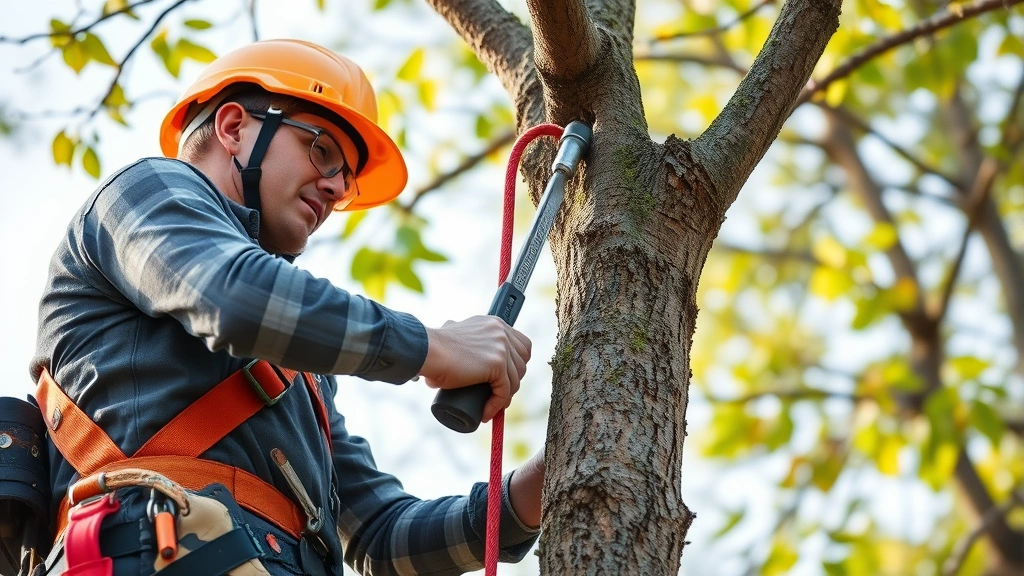
Tools Required: Basic tools include a circular saw, drill-driver, level, measuring tape, and socket set. Advanced projects benefit from a reciprocating saw, impact driver, and pneumatic nailer. Safety equipment—harness, helmet, gloves, and eye protection—is non-negotiable. Never work at height without proper fall protection.
Safety Equipment: Invest in a quality harness rated for your weight plus 100 pounds. Climbing carabiners, ropes, and anchor points are essential. A safety lanyard prevents falls during construction. These items aren’t optional—they’re insurance against serious injury or death.
Foundation and Support Systems
The foundation determines whether your treehouse stands or falls. This is where engineering matters most.
Attachment Methods: Two primary methods secure platforms to trees: bolted connections and strap systems. Bolted connections involve drilling into the tree trunk and inserting lag bolts or specialized tree bolts. Strap systems use heavy-duty straps wrapped around branches, minimizing tree damage. Each method has advantages; your choice depends on tree species, branch configuration, and design requirements.
Proper Bolt Installation: Bolts should penetrate at least 8-10 inches into the tree. Drill holes slightly smaller than bolt diameter to ensure tight fitting. Use washers under bolt heads to distribute pressure. Never force bolts—if resistance is excessive, stop and reassess. Bolts should pass completely through branches if possible, with nuts and washers on both sides.
Load Distribution: Spread weight across multiple attachment points. A small platform might use four attachment bolts; larger structures might need eight or more. Uneven loading stresses individual trees and creates safety hazards. Calculate loads and position attachments accordingly.
Beam Support: Primary support beams rest on attachment points and transfer weight to the tree structure. These beams, typically 6×8 or 6×10 pressure-treated lumber, must be level and properly secured. Use shims to achieve perfect level—this prevents platform warping and ensures safe railings.
Building the Platform and Frame
With proper foundation established, platform construction becomes straightforward carpentry work similar to home security system installation in terms of careful attention to detail and proper technique.
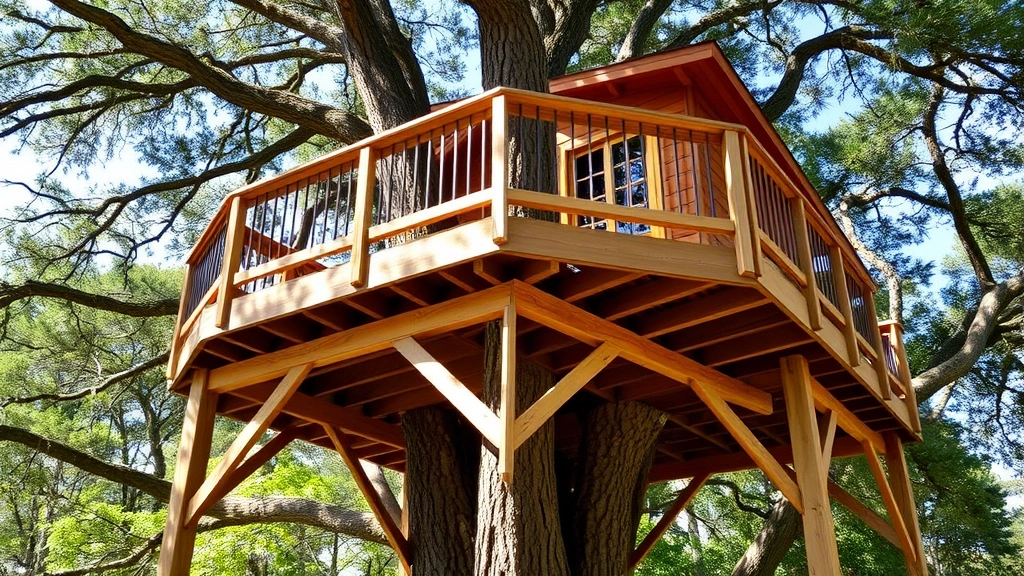
Platform Framing: Construct the platform frame using 2×8 or 2×10 joists spaced 16 inches on center. This spacing prevents excessive deflection under weight. Joists should rest securely on primary support beams. Use galvanized bolts or lag screws to attach joists to beams—never rely on nails alone.
Decking Installation: Cover the frame with pressure-treated 2×6 decking boards, leaving small gaps (approximately 1/4 inch) for drainage and wood expansion. These gaps prevent water pooling and reduce rot. Use corrosion-resistant fasteners—stainless steel or galvanized screws work well. Avoid leaving nail heads exposed where they might cause injuries.
Structural Bracing: Add diagonal cross-bracing beneath the platform to prevent racking (side-to-side movement). This bracing dramatically increases rigidity and safety. Use 2×4 lumber for bracing, connecting it securely to support beams and joists with bolts or lag screws.
Quality Control: Test the platform’s stability before proceeding. Apply weight gradually—first with a person standing, then jumping gently. The platform should feel solid with minimal movement. Any noticeable flex or shifting indicates inadequate support or fastening issues requiring correction.
Safety Features and Railings
Railings aren’t optional—they’re legally required and essential for accident prevention. Building codes specify minimum railing heights and specifications.
Railing Height: Railings must extend at least 36 inches above the platform surface. Some jurisdictions require 42 inches. Check your local building code requirements before construction. Inadequate railings violate codes and create liability issues.
Railing Construction: Railings must withstand 200 pounds of horizontal force without failing. This requires sturdy posts (4×4 minimum) spaced no more than 6 feet apart, with horizontal members or vertical balusters preventing falls. Avoid designs with horizontal members that encourage climbing.
Baluster Spacing: Vertical balusters (spindles) must be spaced no more than 4 inches apart. This prevents children from getting heads stuck or falling through. Horizontal spacing in railings should also follow the 4-inch rule.
Additional Safety: Install handrails along stairs or ramps at 34-38 inches height. Add non-slip surfaces to all walking areas, especially stairs. Consider safety netting if fall hazards exist. Ensure adequate lighting if the treehouse will be used at dusk or evening.
Access and Egress Solutions
Safe access is as important as the platform itself. Poor access creates injury risk during entry and exit.
Ladder Options: Rope ladders are fun but unstable for regular use. Wooden ladders with 2×4 rungs spaced 12 inches apart are more reliable. Metal ladders rust outdoors. Fixed wooden ladders should include railings and follow building code specifications for ladder angle (typically 60-75 degrees from horizontal).
Stairs and Ramps: For frequently used treehouses, fixed stairs provide safer access. Stairs should have consistent step heights (7-8 inches), treads at least 10 inches deep, and sturdy handrails. Ramps work for wheelchair accessibility but require substantial space and proper slope (1:12 maximum).
Rope Access: Rope systems can supplement fixed access but shouldn’t be primary entry points. If using ropes, ensure they’re rated for climbing, properly anchored, and regularly inspected for wear or damage.
Emergency Egress: Plan secondary exit routes in case primary access is blocked. A rope ladder, pole, or secondary stair provides emergency escape options. This is particularly important for elevated platforms where being trapped creates serious hazards.
Weatherproofing and Finishing
Protecting your treehouse from weather extends its lifespan and improves usability.
Sealant Application: Apply exterior-grade sealant or stain to all exposed wood. This prevents water penetration, which causes rot and structural failure. Reapply sealant every 2-3 years. Pressure-treated lumber still benefits from additional sealing, particularly at cut ends where treatment is incomplete.
Roofing Options: A roof provides weather protection and extends usable seasons. Simple pitched roofs using corrugated metal or polycarbonate panels work well. Ensure proper drainage to prevent water pooling. Metal roofing is durable; shingles are more attractive but require more maintenance at height.
Drainage Systems: The platform should slope slightly (1/8 inch per foot) to encourage water runoff. Avoid creating pooling areas where water accumulates. Proper drainage prevents wood saturation and extends structure life significantly.
Furniture and Amenities: Use outdoor-rated furniture that won’t rot or rust. Store items that shouldn’t get wet. Consider removable furniture that can be taken down seasonally. Avoid permanent installations of electronics unless properly weatherproofed.
Legal Requirements and Permits
Many homeowners skip this step, but it’s critical for liability and legal protection. Building codes exist for safety reasons, not bureaucratic obstruction.
Permit Requirements: Check with your local building department about treehouse permits. Some jurisdictions require permits for any structure over a certain height or size. Others have specific treehouse regulations. National Association of Home Builders resources can guide you through local requirements.
Zoning Regulations: Verify that treehouses are permitted in your zone. Some residential areas prohibit accessory structures or have size limitations. Setback requirements might restrict treehouse placement. Understanding these rules prevents costly removal orders after construction.
Homeowner Association Rules: If you live in an HOA community, check covenants and restrictions. Many HOAs prohibit treehouses or require approval. Getting written approval prevents expensive disputes later.
Insurance Implications: Notify your homeowner’s insurance about the treehouse. Some policies require additional coverage for elevated structures. Treehouse injuries might not be covered under standard homeowner policies. Professional liability coverage is advisable if others regularly use the structure.
Tree Preservation: Some jurisdictions have tree preservation ordinances protecting large or heritage trees. Verify that your tree isn’t protected before installing fasteners. Violating preservation laws can result in significant fines.
Like considering DIY car repairs, treehouse construction requires honest assessment of your capabilities. Both projects involve systems that, if improperly maintained, create safety hazards. When in doubt, consult professionals. Your safety and your family’s safety are worth the investment.
FAQ
How much does it cost to build a treehouse?
Small basic treehouses (8×8 feet, no roof) cost $1,500-$3,000 for materials. Mid-size structures with roofing and amenities range $5,000-$15,000. Elaborate designs with multiple rooms, utilities, or complex engineering exceed $20,000. Professional builders typically charge $100-$300 per square foot. Your costs depend on size, materials quality, complexity, and whether you hire professionals.
How long does a treehouse last?
Well-built treehouses using quality materials and proper maintenance last 15-25 years. Pressure-treated lumber typically lasts 15-20 years before requiring replacement. Regular maintenance—sealant reapplication, fastener inspection, and damage repair—extends lifespan significantly. Treehouses in harsh climates deteriorate faster than those in mild regions.
Can you build a treehouse in a small tree?
Trees under 12 inches diameter at base cannot safely support treehouses. Small trees lack structural strength and won’t sustain weight without excessive stress. Stressed young trees may fail unexpectedly. If you have only small trees, consider waiting for them to mature or selecting a different building location. Alternatively, look for multiple small trees that can share the load through interconnected platforms.
Do treehouses damage trees?
Properly installed treehouses cause minimal tree damage. Trees compartmentalize around bolts and fasteners, essentially treating them like natural wounds. However, poor installation—driving multiple nails, using improper fasteners, or creating large cavities—can harm trees. Consult an arborist to minimize damage and monitor tree health post-construction. Many trees successfully host treehouses for decades with no significant health decline.
What’s the safest treehouse height?
Heights of 8-12 feet balance functionality with safety. Falls from 10 feet can cause serious injuries, but lower heights feel less adventurous. Higher platforms (15+ feet) increase fall severity but provide better views and privacy. Consider intended users—children’s treehouses should be lower than adult structures. Regardless of height, railings, safety netting, and proper construction are essential.
Can you build a treehouse alone?
Working alone at height is dangerous. You need spotters for safety, assistance with material handling, and someone to call for help if accidents occur. Most treehouse projects benefit from at least two people working together. Complex projects might require three or more helpers. Never work alone at heights—the risks far outweigh time savings from solo construction.
What permits do I need for a treehouse?
Permit requirements vary dramatically by jurisdiction. Contact your local building department with your treehouse plans. Many areas require building permits for structures exceeding 200 square feet or 12 feet height. Some jurisdictions have specific treehouse ordinances. Getting permits isn’t burdensome—it’s protection. Permitted structures are safer, insurable, and legally defensible if injuries occur.


