Becoming an arborist is a rewarding career path that combines outdoor work, environmental stewardship, and technical expertise. Arborists are certified professionals who specialize in the cultivation, management, and study of trees, providing essential services that enhance landscape health and safety in residential and commercial settings. Whether you’re passionate about trees, enjoy working outdoors, or seek a skilled trade career, arboriculture offers diverse opportunities and competitive compensation.
The journey to becoming an arborist typically involves formal education, hands-on training, and professional certification. Unlike some trades that require years of apprenticeship before earning credentials, arboriculture offers multiple pathways to entry, allowing you to start working while pursuing certifications. This guide walks you through the essential steps, requirements, and expert tips to launch a successful career in tree care.
Understanding the Arborist Profession
An arborist is a trained professional who provides expert care for trees and woody plants. This skilled trade encompasses pruning, trimming, removal, disease diagnosis, and overall tree health management. Arborists work in diverse environments including residential yards, commercial properties, municipal parks, utility companies, and forestry operations. The profession demands physical stamina, technical knowledge, problem-solving abilities, and a genuine commitment to environmental conservation.
The U.S. Bureau of Labor Statistics classifies arborists under tree trimmers and pruners, a field experiencing steady growth as property owners increasingly recognize the value of professional tree care. Unlike general landscaping work, arboriculture requires specialized knowledge about tree biology, pest management, climbing techniques, and equipment operation. Many homeowners and property managers prefer hiring certified professionals rather than attempting DIY tree work, which reduces injury risks and ensures proper care.
Arborists often collaborate with other professionals including carpenters and construction specialists, particularly when tree removal impacts structural projects or property development. Understanding how tree work integrates with broader property management, much like understanding basement finishing projects, requires comprehensive knowledge of building systems and safety protocols.
Educational Requirements and Training
Most arborists begin their careers with a high school diploma or GED, though some pursue formal post-secondary education in arboriculture or horticulture. Several pathways lead to becoming an arborist, and choosing the right educational foundation accelerates your professional development.
High School and Pre-Career Preparation
Starting in high school, take courses in biology, chemistry, environmental science, and mathematics. These subjects provide foundational knowledge for understanding tree physiology, disease identification, and equipment calculations. Many high schools offer vocational programs in horticulture or landscaping that introduce basic tree care principles. Volunteering with local parks departments or tree services while still in school provides valuable early exposure to the profession.
Post-Secondary Education Options
Several educational pathways accelerate your arborist career. Community colleges throughout North America offer two-year arboriculture programs covering tree biology, climbing techniques, equipment maintenance, and business management. Universities provide four-year degrees in forestry or horticulture with arboriculture specializations, ideal if you aspire to leadership or research roles. Trade schools and specialized arboriculture institutes offer intensive certificate programs ranging from six months to two years, allowing faster entry into the field.
The International Society of Arboriculture (ISA) maintains a comprehensive database of accredited educational programs across North America. These programs ensure you receive training meeting industry standards and prepare you for certification exams. Many employers prefer hiring candidates with formal education credentials, as they typically require less on-the-job training before working independently.
Apprenticeship Programs
Traditional apprenticeships combine classroom instruction with supervised field work, typically lasting three to four years. Many established tree service companies sponsor apprentices, providing paid training while you develop practical skills. Apprenticeships offer immediate income while earning credentials, making this pathway attractive for career-changers seeking financial stability. Contact local tree services, municipal forestry departments, and landscape companies to inquire about apprenticeship opportunities in your region.
Certifications and Credentials
Professional certification distinguishes qualified arborists from untrained workers and significantly impacts earning potential and job opportunities. The primary certification pathway involves the International Society of Arboriculture (ISA) Certified Arborist credential, recognized as the gold standard in the industry.
ISA Certified Arborist Certification
To qualify for the ISA Certified Arborist exam, you need either three years of documented full-time arboriculture work experience or a combination of education and experience (e.g., two years of experience plus a relevant degree). The comprehensive exam covers tree biology, pruning principles, climbing and rigging, pest management, tree identification, and safety regulations. Most candidates spend 50-100 hours studying before attempting the exam, which costs approximately $250-$300.
The certification process demonstrates your competency to employers, clients, and insurance companies. Many tree service companies require or strongly prefer hiring certified arborists, and some clients specifically request certified professionals for high-value work. Maintaining certification requires continuing education credits every three years, keeping you updated on industry advances and best practices.
Specialized Certifications
Beyond the general certification, arborists can pursue specialized credentials including ISA Certified Arborist – Utility Specialist (for power line work), ISA Board Certified Master Arborist (advanced credential requiring 10+ years experience), and ISA Certified Arborist – Municipal Specialist. Some states require specific licenses for pesticide application or tree removal, adding credentials that enhance your marketability and earning potential.
Safety Certifications
Professional safety certifications complement arborist credentials and are often mandatory for employment. First Aid/CPR certification is essential, as is OSHA 10-hour or 30-hour card completion for construction safety. Many employers require OSHA certification before allowing workers to operate heavy equipment or work at heights. Climbing-specific certifications like the Certified Tree Climber (CTC) credential demonstrate advanced technical skills in rope work and rescue procedures.
Gaining Hands-On Experience
Theoretical knowledge must be paired with extensive field experience to become a competent arborist. The transition from classroom learning to professional practice requires mentorship, deliberate practice, and exposure to diverse tree species and work scenarios.
Starting Your Career in Tree Services
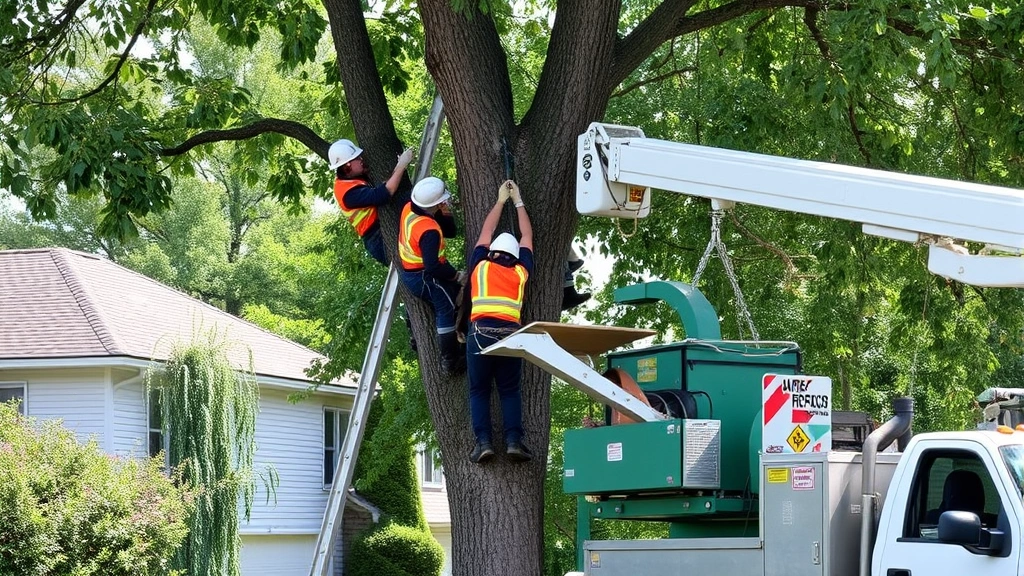
Many successful arborists begin as general laborers or groundskeepers for established tree service companies. These entry-level positions involve chipping branches, hauling debris, and assisting experienced climbers—work that teaches you equipment operation, tree care principles, and industry standards from experienced professionals. Starting at ground level provides financial stability while you develop skills and pursue certifications. After six months to two years of solid performance, you’ll be ready to pursue climbing training and advance to higher-responsibility roles.
Climbing and Technical Skills Development
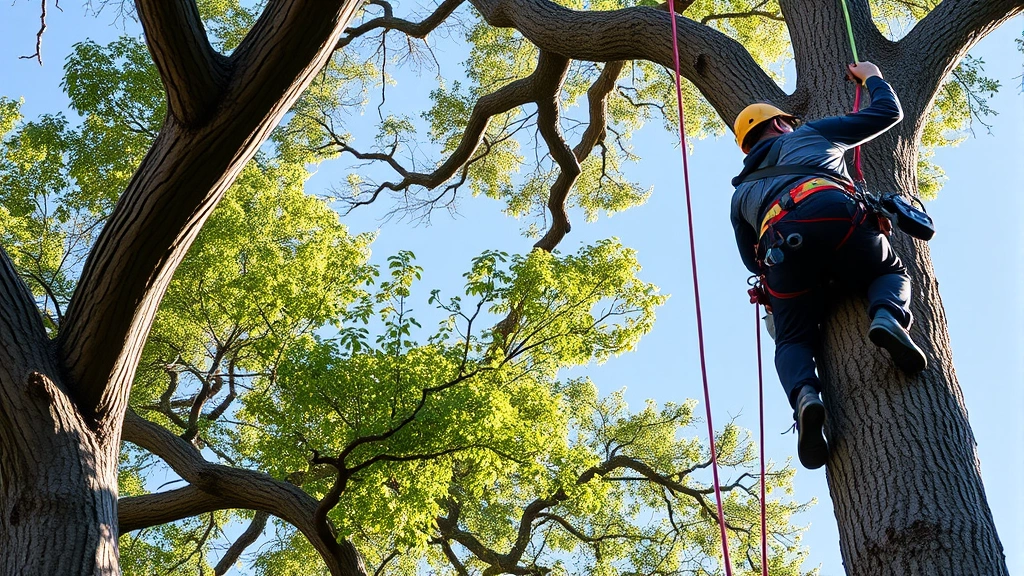
Climbing is the signature skill distinguishing arborists from other tree workers. Proper climbing requires mastery of rope systems, harness use, safety anchors, and rescue techniques. Professional climbing training typically involves 40-80 hours of instruction from certified trainers, teaching you how to ascend safely, position yourself in the canopy, and execute pruning cuts at height. Never attempt climbing without formal instruction—falls from heights represent the primary injury risk in arboriculture.
Mentorship from experienced climbers accelerates skill development beyond what formal classes alone can provide. Working alongside accomplished arborists teaches you problem-solving approaches, equipment selection, and how to read tree structure and health. The craftsmanship aspect of arboriculture—understanding how to shape trees, preserve health, and achieve aesthetic goals—develops through years of guided practice similar to learning woodworking techniques.
Diverse Work Experience
Seek opportunities to work with different tree species, climates, and project types. Residential pruning differs from commercial tree removal, which differs from utility line clearance work. Each specialization develops distinct skills and knowledge. Volunteering with municipal parks departments, working for utility companies, or joining specialized firms (like those focusing on disease management or storm cleanup) builds comprehensive experience that makes you more valuable to employers and clients.
Safety Training and Equipment
Arboriculture ranks among the most hazardous occupations, making safety training and proper equipment use non-negotiable aspects of your career development. Understanding safety protocols protects your health and your professional reputation.
Essential Safety Equipment
Professional arborists use specialized equipment designed to prevent injuries. A climbing harness distributes your weight safely across your body when suspended from ropes. Climbing helmets protect against falling branches and impact injuries. Eye protection, hearing protection, and cut-resistant chaps protect against common workplace hazards. Proper footwear with ankle support prevents slips and sprains on uneven ground and wet surfaces. Your employer should provide quality equipment, and you should never compromise on safety gear to save costs.
Height Safety and Rescue Procedures
Working at heights demands strict adherence to safety protocols. Modern climbing systems use redundancy—multiple anchor points and backup systems—so single point failures don’t cause falls. Rescue training teaches you how to safely lower an injured climber to ground level, critical knowledge for working in teams. ANSI (American National Standards Institute) publishes climbing standards that professional companies follow, ensuring consistent safety practices across the industry.
Ground Safety and Equipment Operation
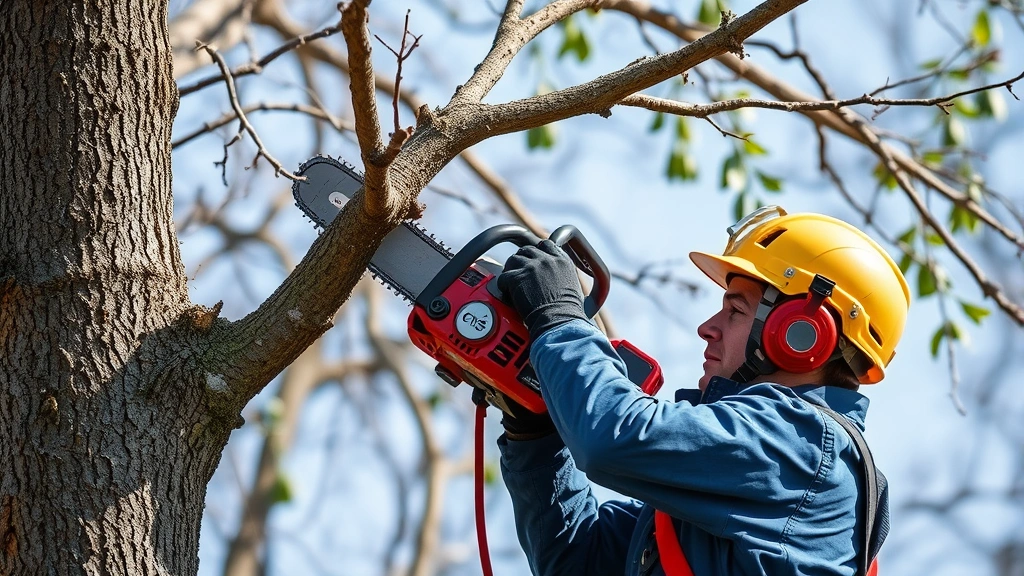
While climbing receives emphasis, ground-level work presents significant hazards. Operating chainsaws requires protective equipment, proper technique, and constant attention. Chippers can cause severe injuries if operated carelessly. Heavy equipment like bucket trucks and stump grinders demand certification and training. Always follow manufacturer guidelines and company safety protocols, and never operate equipment when fatigued or impaired.
Career Advancement and Specializations
Once established as a certified arborist, numerous career paths offer advancement and specialization opportunities. Your career trajectory depends on your interests, skills, and business acumen.
Climbing and Technical Specialization
Some arborists pursue advanced climbing certifications and specialize in high-risk work like hazard tree removal, storm cleanup, or technical rigging. These specialists command premium rates and work on complex projects requiring exceptional skill. Becoming known for expertise in difficult removals or specialized techniques like crown restoration positions you as a premium service provider.
Business Ownership and Management
Many successful arborists eventually start their own tree service companies or transition to management roles within established firms. Understanding business fundamentals—pricing, marketing, customer relations, and employee management—becomes as important as technical skills. Reading about comprehensive business approaches helps you understand systematic thinking applicable to any enterprise.
Specialization in Urban Forestry and Municipal Work
Municipal arborists manage public trees in cities, developing tree inventories, maintenance programs, and long-term forest management plans. These positions typically offer stable employment, benefits, and regular hours compared to field work. Urban forestry requires additional knowledge of tree preservation ordinances, community engagement, and ecosystem management. Many municipalities hire arborists for planning and administrative roles after years of field experience.
Pest and Disease Management
Arborists specializing in integrated pest management (IPM) diagnose tree diseases, recommend treatments, and execute management strategies. This specialization requires additional training in entomology and plant pathology but opens doors to consulting work and higher-value projects. As invasive pests and diseases threaten urban and forest ecosystems, demand for specialists in this area continues growing.
Consulting and Education
Experienced arborists transition to consulting roles, advising property owners, developers, and municipalities on tree-related matters. Teaching opportunities arise at community colleges, universities, and professional conferences. Writing about arboriculture, similar to how we explore comprehensive building and home topics, allows you to share expertise and build professional recognition.
FAQ
How long does it take to become a certified arborist?
The timeline varies based on your educational pathway and experience level. With an apprenticeship or entry-level position, you can complete requirements for ISA Certified Arborist within 3-4 years. Formal post-secondary education combined with part-time work may take 2-3 years. The certification exam itself requires passing after meeting experience requirements, but the overall professional development journey typically spans 3-5 years before you’re fully established and earning competitive wages.
What is the salary range for arborists?
Entry-level arborists typically earn $25,000-$35,000 annually, while experienced certified arborists earn $45,000-$70,000. Business owners and specialists can exceed $100,000 annually. Compensation varies by region, company size, and specialization. Urban areas with higher costs of living generally offer higher wages. Self-employed arborists have unlimited earning potential but must account for business expenses and variable income.
Do I need a degree to become an arborist?
No formal degree is required, though it accelerates your career. You can become certified with three years of documented full-time experience without formal education. However, candidates with relevant degrees qualify for certification with only two years of experience. A degree in horticulture, forestry, or arboriculture provides competitive advantages in hiring and advancement, particularly for management or specialized roles.
What physical demands should I expect?
Arboriculture is physically demanding work involving climbing to heights, carrying heavy equipment, repetitive motions with chainsaws and hand tools, and working in various weather conditions. You need good balance, upper body strength, cardiovascular fitness, and mental resilience for working at heights. Many arborists maintain active fitness routines throughout their careers. The work isn’t suitable for individuals with severe fear of heights or significant physical limitations preventing climbing and manual labor.
Are there geographic limitations to arborist careers?
Arborist opportunities exist nationwide and internationally, though demand varies by region. Urban areas with mature tree populations and higher property values typically offer more abundant work. Rural areas may have fewer specialized opportunities but still need tree services. Climate influences tree species and seasonal work patterns—warmer climates allow year-round work, while northern regions experience seasonal fluctuations. You can build a successful career in virtually any location with trees.
What’s the difference between a tree trimmer and an arborist?
Tree trimmers perform cutting and pruning work, which is often how arborists start their careers. Certified arborists possess comprehensive knowledge of tree biology, disease diagnosis, advanced pruning techniques, and professional standards. Arborists can diagnose problems, recommend treatment strategies, and provide expert consultation. While all certified arborists do tree trimming, not all tree trimmers are certified arborists. Certification demonstrates professional expertise beyond basic trimming skills.
Is arboriculture a recession-proof career?
Arboriculture shows relative resilience during economic downturns because property owners prioritize maintaining valuable trees and removing hazardous ones regardless of economic conditions. Storm cleanup creates surge demand following severe weather. However, discretionary tree work like aesthetic pruning may decrease during recessions. Developing multiple skill areas and maintaining strong customer relationships helps weather economic fluctuations better than specializing in one service type.


