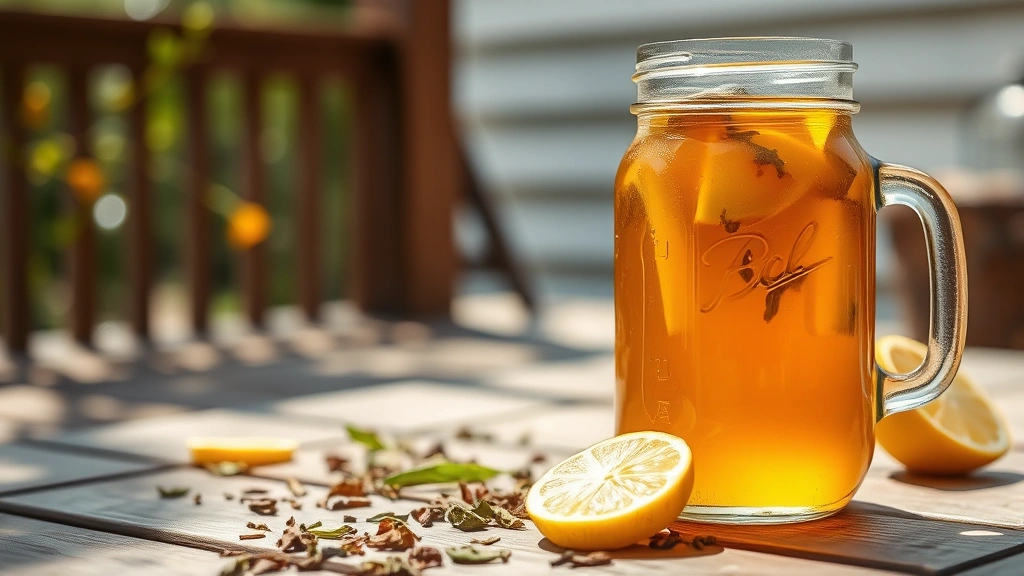
Sun Tea Brewing Guide: Expert-Approved Steps
Sun tea represents one of the simplest and most rewarding DIY beverage projects you can undertake at home. Unlike traditional hot brewing methods, sun tea leverages natural solar energy to gradually extract flavors from tea leaves, creating a smooth, naturally sweet beverage that requires minimal effort. This ancient brewing technique has gained renewed popularity among home enthusiasts who appreciate both the simplicity and the unique taste profile that sun-steeped tea delivers.
The beauty of how to brew tea in the sun lies in its accessibility—you need only a few basic materials, some patience, and favorable weather conditions. Whether you’re preparing refreshment for a backyard gathering or simply exploring new ways to enjoy your favorite tea varieties, mastering sun tea brewing transforms an ordinary afternoon into a culinary experience. This comprehensive guide walks you through every step of the process, from selecting your tea to troubleshooting common issues, ensuring consistent results every time.
Understanding Sun Tea Basics
Sun tea brewing is fundamentally different from conventional hot water steeping. Rather than using boiling water to rapidly extract tea compounds, the sun’s warmth gradually infuses water with tea flavors over several hours. This slower extraction process produces a distinctly different flavor profile—typically smoother, less astringent, and naturally sweeter than hot-brewed tea. The extended brewing time allows for a more complete extraction of beneficial compounds while minimizing the harsh tannins that sometimes characterize quickly-brewed varieties.
The chemistry behind sun tea involves cold and room temperature steeping, which activates different flavor compounds than hot water does. This method has been used for centuries in various cultures, particularly in regions with abundant sunshine. Modern DIY enthusiasts appreciate sun tea not only for its taste but also for its energy efficiency—you’re using free solar power rather than electricity or gas to prepare your beverage. Understanding these fundamentals helps you appreciate why sun tea tastes distinctly different and why the brewing parameters matter significantly.
One important consideration involves food safety. The CDC provides guidance on safe food preparation, and sun tea sits in a unique position where water temperatures remain below pasteurization levels for extended periods. This makes using high-quality water and maintaining proper sanitation practices essential. Many experienced brewers now follow specific protocols to ensure their sun tea remains safe for consumption throughout the steeping and storage phases.
Essential Equipment and Materials
Creating quality sun tea requires minimal equipment, making this an ideal project for budget-conscious DIY enthusiasts. Your primary vessel should be a clear glass jar or container—clear glass allows you to monitor steeping progress while providing an aesthetically pleasing presentation. A one-gallon or half-gallon mason jar works perfectly for most household needs. Avoid using plastic containers, as they can leach chemicals into your tea during prolonged sun exposure and don’t provide the same visual appeal.
Beyond the primary container, you’ll need several supporting materials:
- Cheesecloth or fine mesh strainer for filtering spent tea leaves from your finished brew
- Coffee filters or unbleached paper filters for additional filtration if desired
- A wooden spoon or non-reactive stirring utensil to gently mix ingredients without introducing metallic flavors
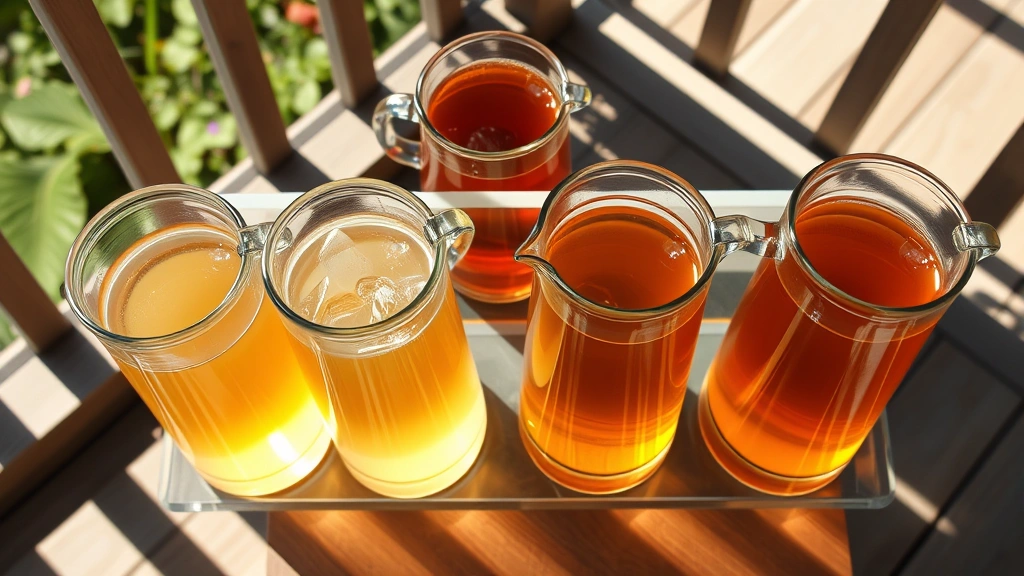
- Glass bottles or containers for storing your finished sun tea
- A thermometer to monitor water temperature during the steeping process
- Labels and markers to track brewing start times and tea varieties
- Cheesecloth covers or loose-fitting lids to protect tea from debris while allowing air circulation
When selecting your glass containers, prioritize food-grade materials that have been properly cleaned and sanitized. You might explore DIY Nest Hub Blog resources for additional home preparation guidance. The investment in proper equipment pays dividends in both safety and taste quality.
Selecting Your Tea Leaves
The quality of your starting tea directly determines the quality of your finished product. Sun tea brewing works particularly well with certain tea varieties while producing less impressive results with others. Black teas like Assam, Ceylon, and Keemun are excellent choices, offering robust flavors that shine through the gentle extraction process. Green teas such as jasmine, sencha, and dragon well produce delicate, nuanced flavors that benefit from the slower steeping method.
Herbal infusions excel at sun tea brewing. Chamomile, hibiscus, peppermint, and rooibos all develop complex, naturally sweet profiles when steeped in sunlight over extended periods. White teas, though more delicate, can produce remarkably smooth results when given adequate time. Oolong teas occupy a middle ground, offering versatility with most sun tea applications.
Consider these selection criteria when choosing your tea:
- Leaf size and density affects steeping speed and final flavor intensity
- Origin and processing method influence how different compounds extract in cool water
- Freshness and storage conditions ensure optimal flavor development
- Personal taste preferences guide whether you prefer robust or delicate profiles
- Blend compatibility if combining multiple varieties for custom infusions
Loose leaf tea generally produces superior results compared to tea bags, though high-quality tea bags work adequately. Avoid low-grade commercial tea dust, which can produce murky, unpleasant results. Many specialty tea retailers provide guidance on which varieties perform best for sun brewing—don’t hesitate to ask for recommendations.
Step-by-Step Brewing Process
Begin by thoroughly cleaning and sanitizing your glass brewing vessel. Rinse with hot water and allow it to air dry completely. Fill your container with filtered water—this step matters significantly, as chlorine or mineral content in tap water can affect flavor. If your tap water quality concerns you, consider using filtered or bottled water for superior results.
Add your tea leaves to the water using approximately one teaspoon of loose leaf tea per cup of water, adjusting to personal preference. Some brewers prefer slightly less for delicate teas and slightly more for robust varieties. Stir gently to ensure all leaves become properly submerged and begin releasing their compounds. Cover your container with cheesecloth or a loose-fitting lid that allows air circulation while preventing debris from entering.
Position your container in direct sunlight, ideally where it will receive unobstructed sun exposure for four to eight hours. The exact duration depends on several factors including tea variety, water temperature, desired strength, and sunlight intensity. Black teas typically require four to six hours, while green teas and delicate varieties benefit from six to eight hours of steeping.
Monitor your tea’s progress periodically, observing how the water gradually changes color and develops aroma. This visual feedback helps you understand how different conditions affect extraction rates. As the afternoon progresses, you’ll notice increasingly rich coloring and more pronounced tea aroma emanating from your container.
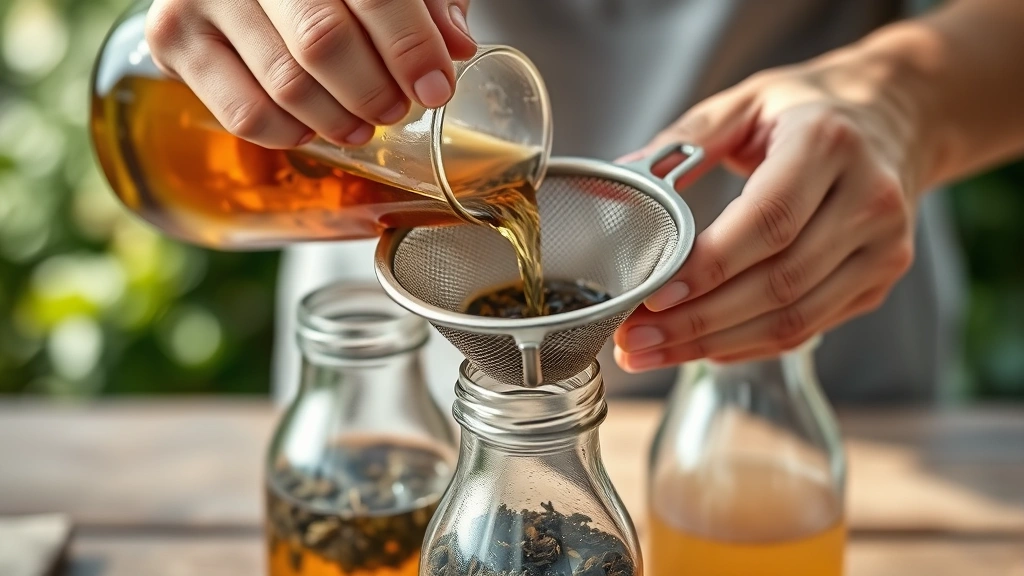
When your tea reaches desired strength, carefully strain the leaves using cheesecloth or a fine mesh strainer. Pour the liquid into clean glass storage bottles, removing all leaf material to prevent over-steeping. Some brewers prefer additional filtration through coffee filters for crystal-clear results, though this step remains optional.
Temperature and Timing Guidelines
Water temperature profoundly affects sun tea brewing speed and flavor development. On warm days with intense sunlight, your water may reach 70-80°F (21-27°C)—warm enough for steady extraction but cool enough to preserve delicate flavors. On cooler days or in partial shade, temperatures might remain around 60-70°F (15-21°C), requiring longer steeping times but producing exceptionally smooth results.
The relationship between temperature and time follows predictable patterns:
- Hot summer days (85°F+ ambient): Water may reach 75-85°F; steep for 3-5 hours
- Warm days (75-85°F ambient): Water reaches 70-75°F; steep for 4-6 hours
- Mild days (65-75°F ambient): Water reaches 65-70°F; steep for 6-8 hours
- Cool days (below 65°F ambient): Water remains below 65°F; steep for 8-12 hours or overnight
Timing precision matters more than absolute accuracy. Rather than rigidly adhering to specific hour counts, taste your tea at regular intervals beginning around the three-hour mark. This approach lets you determine when your particular combination of tea variety, water quality, and conditions produces your preferred strength. Keep notes on successful combinations—you’ll develop personalized timing guidelines based on your preferences and local climate patterns.
One advanced consideration involves understanding how UV exposure affects tea compounds. Extended sun exposure can degrade certain volatile aromatics, so avoiding excessive steeping beyond your desired strength point preserves optimal flavor. This represents another advantage of monitoring progress—you’ll achieve perfect results consistently rather than occasionally over-steeping.
Flavor Variations and Infusions
Sun tea’s gentle extraction process makes it ideal for creating custom flavor combinations. Fresh fruit additions like sliced peaches, berries, or citrus segments infuse beautifully over extended steeping periods. The sun’s warmth coaxes natural juices and aromatics from fresh ingredients, creating complex flavor profiles impossible to achieve with hot brewing.
Popular sun tea variations include:
- Citrus-infused sun tea: Add lemon, lime, or orange slices directly to your brewing vessel for bright, refreshing notes
- Berry combinations: Strawberries, raspberries, or blueberries add natural sweetness and subtle flavor complexity
- Herbal blends: Combine complementary herbs like mint with chamomile or hibiscus with rose petals
- Spiced variations: Cinnamon sticks, star anise, or clove add warming notes without the harshness of hot-spice extraction
- Floral infusions: Edible flowers like lavender, rose, or hibiscus create elegant presentations and delicate flavors
When creating infusions, add fresh ingredients at the beginning of your steeping process, allowing them to contribute their full flavor profile throughout the extended brewing time. Remove solid ingredients during straining to prevent decomposition during storage.
For cold-weather variations or indoor preparation, consider exploring DIY home projects that complement your tea culture—perhaps creating DIY woodworking plans for custom tea serving trays or organizing a dedicated tea storage area. These complementary projects enhance your overall tea experience.
Storage and Safety Considerations
Proper storage extends your sun tea’s shelf life while maintaining flavor quality and safety. Transfer your finished tea to clean glass bottles immediately after straining, ensuring all leaf material has been removed. Glass containers preserve flavor better than plastic and allow you to monitor tea condition visually.
Store your sun tea in the refrigerator at 40°F (4°C) or below. Properly stored sun tea remains fresh for three to five days, though most people consume it within 24-48 hours for optimal flavor. The extended storage window differs significantly from hot-brewed tea, which can develop off-flavors more quickly.
Safety considerations deserve serious attention. The FDA provides comprehensive food safety guidelines addressing potential concerns with room-temperature water steeping. Water temperatures below 140°F cannot reliably eliminate harmful bacteria, making water quality and sanitation absolutely critical:
- Use filtered or bottled water to eliminate potential pathogens present in tap water
- Sanitize all equipment thoroughly before each brewing session
- Never leave sun tea at room temperature for more than two hours after removing from sunlight
- Refrigerate immediately after straining to halt bacterial growth
- Discard any tea showing cloudiness, unusual odors, or visible contamination
Pregnant women, young children, elderly individuals, and immunocompromised persons should consult healthcare providers before consuming sun tea, given the lower pasteurization temperatures involved in this brewing method. This represents a responsible approach to food safety that protects vulnerable populations.
Troubleshooting Common Problems
Even experienced sun tea brewers occasionally encounter issues. Understanding common problems and their solutions helps you achieve consistent results. Cloudy appearance typically results from inadequate straining or mineral content in your water. Ensure complete leaf removal and consider using filtered water for future batches. A secondary filtration through coffee filters produces crystal-clear results if appearance matters for your application.
Weak flavor despite adequate steeping time usually indicates insufficient tea leaf quantity or lower water quality than ideal. Increase your tea-to-water ratio slightly, or upgrade to higher-quality loose leaf varieties. Conversely, overly strong or bitter tea suggests excessive steeping time or too much leaf material. Reduce steeping duration or decrease leaf quantity for subsequent batches.
Sour or unpleasant odors indicate bacterial growth, typically from inadequate sanitation or excessive room-temperature storage time. Always discard tea showing any off-odors and restart with thoroughly sanitized equipment. This safety concern reinforces the importance of immediately refrigerating your finished tea.
Insufficient color development despite long steeping periods points toward inadequate sunlight intensity. Position your container in more direct sun, or extend steeping time during cloudy weather. Some brewers use the warmest hours of the day (10 AM to 3 PM) for maximum sun exposure efficiency.
Flat or dull flavor sometimes results from using tea past its prime. Tea leaves gradually lose aromatic compounds and flavor intensity over time. Purchase smaller quantities more frequently to ensure maximum freshness. Store your tea in airtight containers away from light, heat, and strong odors to preserve quality between brewing sessions.
If you’re interested in home improvement and preparation techniques, you might also explore DIY basement finishing guides that discuss creating dedicated spaces for hobbies like tea brewing and storage. A properly organized tea preparation area enhances your overall experience.
FAQ
Can I brew sun tea overnight?
Yes, overnight sun tea brewing is possible and produces excellent results, particularly with delicate tea varieties. Position your container in moonlight or starlight—while less intense than sunlight, extended overnight steeping allows thorough extraction. Alternatively, prepare your tea in late afternoon so it steeps through the evening and into the following morning. This approach works especially well during summer months when nights remain relatively warm. Refrigerate immediately upon sunrise to prevent bacterial growth.
What water temperature is too warm for sun tea?
Water temperatures above 85°F (29°C) begin extracting compounds more rapidly, potentially producing harsher, more astringent results similar to hot-brewed tea. While not dangerous at these temperatures, the brewing method’s advantages diminish as water temperature rises. Aim for water temperatures between 60-80°F (15-27°C) for optimal sun tea characteristics. On exceptionally hot days, consider brewing in partial shade or during cooler morning hours.
Do I need special tea for sun brewing?
No special tea exists exclusively for sun brewing, though certain varieties perform better than others. Any loose leaf tea or high-quality tea bags can produce sun tea, but black teas, green teas, and herbal infusions generally yield superior results compared to white teas or delicate oolongs. Experiment with varieties you already enjoy to discover your personal preferences. Many tea enthusiasts maintain separate tea selections for sun brewing and hot water preparation.
Can I reuse tea leaves for multiple batches?
Tea leaves can be reused for additional infusions, though quality diminishes with each successive brewing. First-time steep produces optimal flavor, while second infusions yield acceptable but noticeably weaker results. For sun tea specifically, reusing leaves means extending your already-long steeping times even further to extract remaining flavor compounds. Most brewers prefer fresh leaves for each batch rather than dealing with extended resteeping requirements.
What’s the difference between sun tea and cold brew?
Cold brew involves steeping tea in cold water (typically 40°F or below) for 8-24 hours in the refrigerator, while sun tea steeps in ambient temperature water in sunlight for shorter durations. Cold brew produces smoother, less astringent results and offers superior safety due to refrigeration throughout the process. Sun tea develops slightly different flavor characteristics due to warmer water temperatures and sunlight exposure. Both methods produce excellent beverages—choose based on your available time and taste preferences.
How much sun tea should I brew at once?
Start with one-gallon batches to understand your preferences and local conditions before scaling up. One gallon provides several servings and allows you to experiment with variations without committing excessive resources. As you develop expertise, you might prepare multiple gallon batches simultaneously for gatherings or weekly consumption. Storage capacity in your refrigerator should guide your batch size—ensure adequate space for proper cooling and storage.


