How to Brush Teeth After Wisdom Teeth Removal: Dentist Tips
Wisdom teeth extraction is one of the most common oral surgical procedures, with millions of Americans undergoing this treatment each year. After your procedure, maintaining proper oral hygiene becomes critically important—yet it requires a fundamentally different approach than your normal brushing routine. The extraction sites are vulnerable to infection, dry socket (alveolar osteitis), and complications that can derail your recovery if you’re not careful about how you clean your teeth and mouth.
Understanding the proper techniques for brushing after wisdom teeth removal helps accelerate healing, prevents infection, and protects the blood clots that form in the extraction sockets. This comprehensive guide covers everything you need to know about post-extraction oral care, from the first 24 hours through complete recovery, with evidence-based recommendations from dental professionals and surgical guidelines.

The First 24 Hours: Critical Care Period
The first day after wisdom teeth removal is the most critical phase for protecting your extraction sites. During this period, your body forms blood clots that are essential for proper healing and preventing complications like dry socket, which occurs in approximately 2-5% of tooth extractions and causes significant pain and delayed healing.
Do not brush your teeth in the first 24 hours after surgery. This is the most important rule from oral surgeons and dentists. The extraction sites need undisturbed time to form stable blood clots. Any brushing, rinsing, or aggressive mouth movements can dislodge these clots and compromise healing. Instead, follow your surgeon’s post-operative instructions, which typically include keeping gauze in place for 30-45 minutes and avoiding eating solid foods.
During this critical first day, focus on keeping your mouth clean through gentle rinsing with saltwater solution only if your dentist recommends it—and only after 24 hours have passed. Some surgeons prefer no rinsing at all during the first day. The safest approach is to follow the specific post-operative instructions provided by your oral surgeon, as protocols can vary based on the complexity of your extraction.
Rest is equally important as avoiding oral care. Keep your head elevated above your heart to minimize swelling and bleeding. Ice packs applied for 15 minutes on, 15 minutes off during the first 24 hours reduce inflammation and pain. Avoid hot beverages, smoking, alcohol, and strenuous activity that increases blood pressure and can restart bleeding.
Gentle Brushing Techniques for Days 2-7
After the first 24 hours, you can resume gentle oral hygiene, but with significant modifications to your normal routine. This period is crucial for maintaining cleanliness while protecting the extraction sites from trauma and infection. The goal is to keep bacteria away from the sockets without disturbing the healing process.
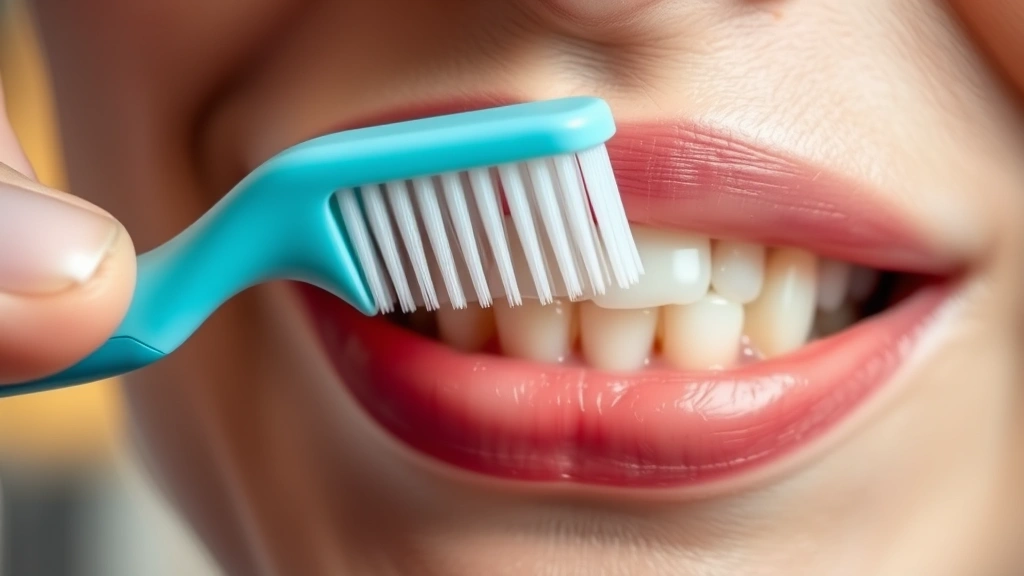
Soft-bristled toothbrush selection is essential. Use a toothbrush with extra-soft bristles—look for brushes specifically labeled “soft” or “ultra-soft.” Medium or hard bristles can damage healing tissue and potentially disrupt blood clots. Electric toothbrushes with sensitive modes work well, but manual brushing with a soft brush gives you better control and reduces the risk of aggressive brushing near extraction sites.
When brushing during days 2-7, avoid the extraction sites entirely. Focus on the front teeth, outer surfaces, and other areas of your mouth away from where teeth were removed. Use gentle, circular motions with minimal pressure—imagine you’re brushing a baby’s teeth. Spend 30-45 seconds on each quadrant of your mouth, moving slowly and deliberately. Avoid the chewing surfaces and inner sides of your back teeth where the extraction sites are healing.
Saltwater rinses become your primary cleaning tool during this phase. Mix 1/2 teaspoon of salt with 8 ounces of warm water and gently rinse after meals, starting 24 hours after surgery. The American Dental Association recommends saltwater rinses as an effective, gentle way to keep extraction sites clean without mechanical disturbance. Tilt your head gently and let the solution flow around the extraction area—do not swish vigorously or create suction.
Water flossing offers another gentle option during this phase. Traditional floss can catch on extraction sites and cause bleeding or clot disruption, but a water flosser set to low pressure provides gentle cleaning between teeth. Keep the water flosser away from extraction sites and focus on areas between healthy teeth. Some patients find this more comfortable than traditional flossing during recovery.
Transitioning to Normal Oral Hygiene
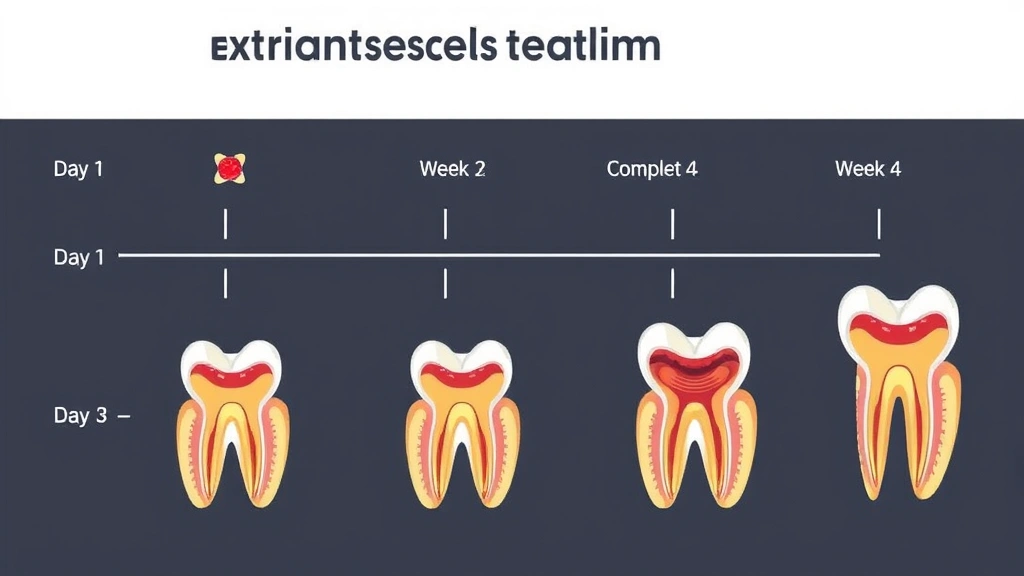
By days 7-10, depending on your healing progress, you can gradually return to more normal brushing habits. However, extraction sites remain sensitive and vulnerable for 2-3 weeks, so continued gentleness is important. Your surgeon will provide guidance on when you can resume normal activities based on your individual healing.
During weeks 2-3, you can brush closer to extraction sites, but still use a soft-bristled brush and gentle pressure. The socket opening will begin to fill in with new bone and tissue, but the area remains delicate. Avoid directly brushing over the extraction site—instead, approach from the gum line at a 45-degree angle, brushing away from the socket.
Gradually reintroduce traditional flossing around week 2, but skip areas directly adjacent to extraction sites until your surgeon confirms complete healing. If your extraction was complex or involved multiple teeth, recovery takes longer. Some surgeons recommend waiting 3-4 weeks before resuming normal flossing.
By week 4, most patients can return to their normal brushing and flossing routine, though some tenderness may persist. The extraction socket continues filling in with bone for several months, but surface healing is typically complete within 3-4 weeks. Continue using a soft-bristled brush for at least 4 weeks post-extraction as a precaution against complications.
Tools and Products That Promote Healing
Selecting the right oral care products accelerates healing and reduces infection risk. Several categories of products are particularly beneficial during post-extraction recovery.
Antimicrobial rinses help prevent infection without the trauma of brushing. Chlorhexidine rinse, prescribed by some surgeons, reduces bacterial growth in the mouth. However, use only as directed—overuse can stain teeth and disrupt normal oral bacteria. Alcohol-free mouthwashes are gentler on healing tissues than alcohol-based formulas. The American Dental Association provides evidence-based recommendations on antimicrobial products for post-surgical care.
Prescription or over-the-counter oral gels containing benzocaine provide temporary pain relief and can be applied directly to tender areas. These products also create a protective barrier over healing tissue. Apply sparingly according to package directions, typically 3-4 times daily or after meals.
Soft-bristled toothbrushes designed for sensitive teeth offer extra comfort during recovery. Brands like Sensodyne, Oral-B Sensi-Soft, and Colgate Gentle Care specifically target sensitive mouths. These brushes often have rounded bristle tips that minimize trauma to delicate gum tissue.
Vitamin C and zinc supplements support immune function and tissue healing. Discuss supplementation with your surgeon, as some patients benefit from additional nutritional support during recovery. Proper nutrition, including adequate protein, vitamin C, and zinc, accelerates bone and tissue healing.
Avoid commercial mouthwashes containing high alcohol content during the first 2 weeks. Alcohol irritates healing tissue and can increase bleeding. Stick to saltwater rinses, alcohol-free mouthwashes, or products specifically recommended by your surgeon.
Common Mistakes to Avoid
Many patients unknowingly sabotage their recovery through common post-extraction mistakes. Understanding these pitfalls helps you maintain proper healing and avoid complications.
Using a toothpick or probing the extraction site is one of the most common errors. The urge to explore the socket with your tongue or a toothpick is natural, but this dislodges blood clots and introduces bacteria. Avoid this behavior completely for at least one week, and minimize it for 2-3 weeks.
Vigorous rinsing or spitting creates negative pressure in your mouth that can dislodge blood clots, causing dry socket. Even after 24 hours, rinse gently without creating suction. Let saltwater solution flow passively from your mouth rather than actively spitting it out.
Smoking and tobacco use dramatically increase dry socket risk and slow healing. Nicotine constricts blood vessels, reducing blood flow to healing tissue. Smoking creates suction that can dislodge clots. If possible, avoid tobacco completely for at least 72 hours post-extraction, and ideally for one week or longer.
Drinking through straws creates suction that disturbs extraction sites. Avoid straws for at least one week, and be cautious with them for 2-3 weeks. The same applies to eating foods requiring excessive chewing near extraction sites—stick to soft foods like yogurt, applesauce, mashed potatoes, and soup for the first week.
Lying flat immediately after surgery increases bleeding and swelling. Maintain elevation for the first 24-48 hours. Sleep with your head elevated on 2-3 pillows to promote healing and reduce discomfort. This is similar to proper positioning during recovery from any home injury requiring proper positioning.
Skipping follow-up appointments prevents early detection of complications. Attend all post-operative visits scheduled by your surgeon. These appointments monitor healing and catch problems like dry socket, infection, or delayed healing before they become serious.
When to Seek Professional Help
While most extractions heal without complications, certain symptoms warrant immediate professional attention. Contact your surgeon if you experience severe pain beginning 3-4 days after extraction (dry socket), fever above 101°F, excessive bleeding that doesn’t stop after 30 minutes of pressure, difficulty swallowing or breathing, numbness extending beyond the first week, or pus or foul odor from the extraction site.
Dry socket is the most common post-extraction complication, occurring when the blood clot dissolves prematurely. Symptoms include throbbing pain in the jaw, visible bone in the socket, and bad taste or odor. This condition requires professional treatment—your surgeon will clean the socket and may place medicated dressing to promote healing and relieve pain.
Infection signs include increasing pain after initial improvement, fever, swelling that worsens after day 3, and pus drainage. Infections require prompt antibiotic treatment and professional cleaning. Never attempt to self-treat suspected infection.
Persistent numbness lasting more than a few weeks may indicate nerve involvement. While temporary numbness from anesthesia is normal, prolonged numbness requires professional evaluation. Most nerve-related symptoms resolve within weeks or months, but your surgeon should monitor this.
Excessive bleeding that doesn’t respond to gentle pressure and rest needs evaluation. While some oozing is normal for 24-48 hours, bright red bleeding after this period may indicate clot disruption or other issues requiring professional assessment.
FAQ
Can I brush my teeth the day after wisdom teeth removal?
Yes, but only gently and away from extraction sites. After 24 hours, you can resume minimal brushing using a soft-bristled brush on teeth away from the extraction area. Focus on saltwater rinses for the first week rather than aggressive brushing.
What’s the best toothbrush to use after extraction?
Use an extra-soft bristled toothbrush, preferably one labeled “ultra-soft” or “sensitive.” Electric toothbrushes with sensitive modes work well, but manual brushes provide better control near healing sites. Avoid medium or hard bristles that can damage healing tissue.
How long until I can use regular mouthwash?
Stick with alcohol-free mouthwash or saltwater rinses for the first 2-3 weeks. Alcohol-based mouthwashes irritate healing tissue and can increase bleeding. After complete healing (3-4 weeks), you can resume your regular mouthwash routine.
Is dry socket preventable?
While you cannot guarantee prevention, proper post-operative care significantly reduces risk. Avoid smoking, straws, vigorous rinsing, and disturbing extraction sites. Follow your surgeon’s instructions precisely. Complex extractions and smoking are the biggest risk factors for dry socket.
When can I resume normal flossing?
Wait at least one week before flossing near extraction sites, and ideally 2-3 weeks for complete healing. Start with areas away from extraction sites, then gradually approach the healed areas. Use gentle pressure and avoid catching floss on the socket opening.
What should I eat or drink immediately after extraction?
Stick to soft, cool foods and beverages for the first 24-48 hours. Yogurt, applesauce, smoothies (without straws), ice cream, mashed potatoes, and soup are excellent choices. Avoid hot beverages, hard or crunchy foods, and anything requiring vigorous chewing. Stay hydrated with water.
How much swelling is normal after extraction?
Moderate swelling peaks around day 2-3 after extraction and gradually decreases over 7-10 days. Apply ice for the first 24-48 hours, then switch to heat if swelling persists. Elevation and rest reduce swelling. Contact your surgeon if swelling worsens after day 3 or doesn’t improve after one week.


