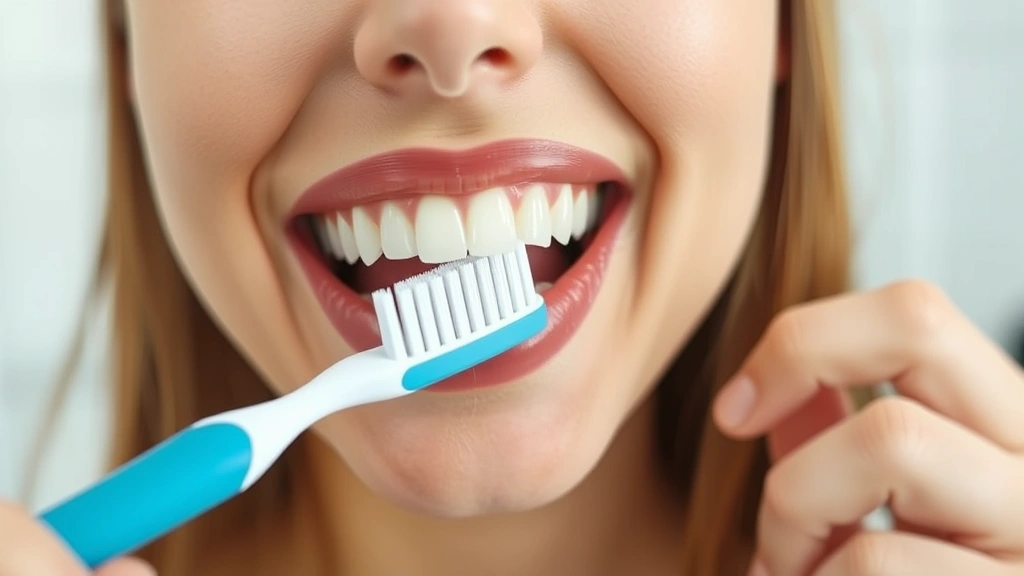
Post-Wisdom Removal Oral Care: Dentist Tips
Wisdom teeth extraction is one of the most common dental procedures, affecting millions of people annually. The recovery period following surgery requires careful attention to oral hygiene, yet many patients struggle with how to properly clean their mouth without disrupting the healing process. Understanding the right techniques and timeline for post-extraction oral care is essential for preventing complications like dry socket, infection, and prolonged discomfort.
This comprehensive guide covers everything you need to know about maintaining oral hygiene after wisdom teeth removal, from the critical first 24 hours through the complete healing phase. Whether you’re preparing for an upcoming extraction or recovering from one, these evidence-based dentist tips will help you navigate the process safely and effectively.
The First 24 Hours: Critical Care Guidelines
The immediate post-operative period is the most critical phase for your recovery. During the first 24 hours after wisdom teeth removal, you should avoid brushing, rinsing, or any aggressive oral manipulation. Your dentist will have placed gauze over the extraction sites to help form blood clots, which are essential for proper healing.
Disturbing these clots prematurely can lead to dry socket, a painful condition where the bone beneath the extraction site becomes exposed. This complication significantly prolongs healing time and increases discomfort. Instead of brushing, focus on keeping your mouth clean by avoiding food debris accumulation. Do not use a straw, as the suction can dislodge blood clots. Avoid hot liquids, smoking, and spitting forcefully during this critical window.
After the first 24 hours, you can begin gentle oral care, but with strict modifications. Your extraction site needs protection while the initial clot stabilizes. Most dentists recommend waiting until day two before introducing any cleaning routine near the surgical areas.
Gentle Brushing Techniques During Recovery
Once you’ve cleared the first 24-hour period, gentle brushing can resume, but technique matters significantly. Use a soft-bristled toothbrush exclusively—medium or hard bristles can traumatize healing tissues. When brushing, avoid the extraction sites entirely for the first week. Focus on cleaning your other teeth using gentle, circular motions rather than aggressive back-and-forth strokes.
Position your toothbrush at a 45-degree angle to your gum line and use light pressure. Electric toothbrushes with pressure sensors can be helpful, as they alert you if you’re applying too much force. Brush for the recommended two minutes, but dedicate only 30 seconds to areas near the extraction sites, and only after the first week when initial healing is more advanced.
By week two, you can gradually increase attention to areas adjacent to the extraction sites, but continue avoiding direct contact with the sockets themselves. Around day 10-14, depending on your healing progress, you may begin gently brushing closer to the surgical areas. Always follow your dentist’s specific post-operative instructions, as healing timelines vary based on extraction complexity.
When becoming knowledgeable about dental care, understanding tissue sensitivity becomes crucial. The gum tissue surrounding extraction sites remains sensitive for weeks, and premature aggressive brushing can cause bleeding, swelling, and delayed healing.

Rinsing and Mouthwash Protocols
Proper rinsing is one of the most misunderstood aspects of post-extraction care. For the first 24 hours, do not rinse at all. Starting on day two, you can begin gentle salt water rinses, but the technique is critical. Mix one-half teaspoon of salt in eight ounces of warm water and gently swish this solution in your mouth after meals and before bed.
The key word is “gently.” Do not swish vigorously, as this creates pressure that can dislodge blood clots. Instead, allow the solution to passively move around your mouth, then let it fall out naturally. Never spit forcefully. This passive approach maintains cleanliness while protecting the extraction sites.
Avoid commercial mouthwash containing alcohol for at least one week, as alcohol can irritate healing tissues and delay clot formation. Once you progress to week two, alcohol-free mouthwash can be introduced, but continue using gentle rinsing techniques. Many dentists recommend continuing salt water rinses throughout the healing process, as salt has natural antimicrobial properties and promotes tissue healing.
Some patients benefit from prescription antimicrobial rinses prescribed by their dentist. These are particularly useful if infection risk is elevated due to extraction complexity or individual health factors. Always discuss mouthwash options with your dental professional before introducing new products.
Flossing After Wisdom Teeth Extraction
Flossing requires complete avoidance during the first week following extraction. The motion required for flossing can disturb healing tissues and potentially damage blood clots. Starting in week two, you can resume flossing on teeth not adjacent to extraction sites. Avoid the teeth immediately next to the sockets for at least two weeks.
When flossing resumes, use gentle motions and avoid snapping the floss into contact with gum tissue. If you experience any bleeding or discomfort when flossing near extraction sites, wait an additional few days before attempting again. By week three, you can typically resume normal flossing around most teeth, though continue extra caution near extraction sites until week four.
Water flossers offer a gentler alternative during recovery and can be used starting in week two, provided you use low pressure settings. These devices are less likely to traumatize healing tissues compared to traditional floss. However, they should not be directed forcefully at extraction sites.

Managing Bleeding and Socket Care
Some bleeding and oozing from extraction sites is normal during the first few days. If active bleeding occurs while brushing, stop immediately and apply gentle pressure with clean gauze for 15-20 minutes. Do not rinse the area, as this can restart bleeding. Allow the gauze to remain undisturbed, and the clot should stabilize.
If you notice persistent oozing that doesn’t stop after applying pressure for 30 minutes, contact your dentist immediately. Excessive bleeding may indicate a problem requiring professional attention. Once the socket stabilizes, maintaining cleanliness without disturbing the healing tissue becomes your primary goal.
Never use a toothpick or any object to clean the extraction socket. Food particles will naturally dislodge as healing progresses. If food becomes trapped in the socket, gentle salt water rinsing will typically dislodge it without requiring mechanical intervention. Your dentist may recommend a special irrigation syringe for more stubborn debris, but only after initial healing is well-established.
Timeline for Returning to Normal Habits
Your return to normal oral hygiene follows a gradual progression. Days 1-7: Avoid brushing extraction sites; gentle salt water rinses only after day one. Week 2: Resume soft-bristled brushing of other teeth; begin gentle flossing away from extraction sites; continue salt water rinses. Week 3-4: Gradually resume normal brushing technique on teeth adjacent to extraction sites; normal flossing resumes. Week 4 and beyond: Most patients can return to completely normal oral hygiene routines.
However, individual healing varies significantly. Some people heal faster than others based on age, overall health, extraction complexity, and adherence to post-operative instructions. Always prioritize your dentist’s specific timeline over general guidelines. Complications like dry socket or infection may extend this recovery period significantly.
By following the comprehensive dental care guidance provided by professionals, you’ll optimize your healing trajectory. Rushing the recovery process by returning to normal brushing too quickly is one of the most common mistakes patients make, often resulting in preventable complications.
Warning Signs and When to Contact Your Dentist
Certain symptoms indicate complications requiring immediate professional attention. Contact your dentist if you experience severe pain that worsens after day three (may indicate dry socket), fever above 101°F, excessive swelling after day three, persistent oozing that doesn’t stop with pressure, or signs of infection like pus or foul odor from the extraction site.
Additionally, watch for difficulty swallowing or breathing, which could indicate serious complications. While some swelling and discomfort are normal, progressive worsening suggests problems. Dry socket typically develops 2-4 days after extraction and causes severe, throbbing pain that doesn’t respond well to over-the-counter pain medication. This requires immediate professional treatment.
According to the American Dental Association, proper post-operative care significantly reduces complication rates. Following evidence-based guidelines and maintaining communication with your dental team ensures optimal outcomes. Don’t hesitate to contact your dentist with questions or concerns—early intervention prevents minor issues from becoming serious problems.
Many complications are completely preventable through proper technique and timeline adherence. The temporary inconvenience of modified oral hygiene for a few weeks is vastly preferable to managing preventable complications that could extend recovery by months.
FAQ
When can I start brushing my teeth after wisdom teeth removal?
You should avoid brushing for the first 24 hours. Starting on day two, you can resume brushing other teeth with a soft-bristled brush, but avoid the extraction sites entirely for at least one week. Gentle brushing near extraction sites can begin around day 10-14, depending on your healing progress.
Can I use regular mouthwash after extraction?
Avoid alcohol-containing mouthwash for at least one week. Salt water rinses are preferred starting day two. Alcohol-free mouthwash can be introduced after one week, but continue using gentle rinsing techniques. Always consult your dentist about specific mouthwash recommendations.
Is it normal to have bleeding while brushing after extraction?
Minor bleeding is normal during the first few days. If active bleeding occurs, stop brushing and apply gentle pressure with gauze for 15-20 minutes. If bleeding persists beyond 30 minutes of pressure, contact your dentist. Avoid the extraction sites entirely if they’re actively bleeding.
When can I resume normal flossing?
Wait at least one week before resuming any flossing. Starting in week two, you can floss teeth not adjacent to extraction sites. Avoid teeth immediately next to sockets until week three or four. Use gentle motions and avoid snapping floss into healing tissues.
How long does complete healing take?
While initial healing progresses over 2-4 weeks, complete bone healing takes several months. Most patients can return to normal oral hygiene within 3-4 weeks. However, the extraction sites may remain tender for several months. Follow your dentist’s specific timeline, as individual healing varies based on extraction complexity and overall health.
What causes dry socket and how can I prevent it?
Dry socket occurs when blood clots dislodge from extraction sites, exposing bone. According to MouthHealthy.org, prevention involves avoiding straws, smoking, spitting, and aggressive rinsing during the first week. Don’t disturb extraction sites with toothbrushes, floss, or fingers. Follow all post-operative instructions carefully.
Can I use an electric toothbrush during recovery?
Yes, electric toothbrushes with soft bristles and pressure sensors are excellent during recovery. They provide gentle, consistent cleaning without excessive pressure. Avoid directing the brush at extraction sites for at least one week, and use light pressure settings throughout the recovery period.


