
Burn Bum Fat Fast: Trainer-Backed Techniques for Building a Stronger Posterior
The gluteal muscles represent one of the largest muscle groups in the human body, and strengthening this area requires a strategic combination of targeted exercises, proper nutrition, and consistency. Unlike spot reduction myths that suggest you can burn fat from specific body areas, effective gluteal development involves building lean muscle mass while maintaining a sustainable caloric deficit. Trainers and fitness professionals consistently emphasize that achieving visible results in the buttocks region demands a comprehensive approach addressing both exercise selection and lifestyle factors.
This guide explores evidence-based techniques that fitness professionals recommend for enhancing gluteal strength and appearance. Whether you’re preparing for a specific event or committed to long-term body composition changes, understanding the biomechanics of effective glute training will accelerate your progress. The following sections detail the most effective exercises, nutritional strategies, and recovery protocols used by certified trainers working with clients seeking gluteal development.
Understanding Gluteal Anatomy and Fat Loss
The gluteus maximus, medius, and minimus comprise the gluteal complex, with the maximus being the largest and primary mover in hip extension exercises. Effective glute training requires understanding that fat loss occurs through systemic caloric deficit rather than targeted fat burning from specific regions. When you maintain a calorie deficit while engaging in resistance training, your body draws energy from fat stores throughout the system, though genetics largely determine where fat reduces first and last.
Trainers emphasize that building muscle in the gluteal region simultaneously accomplishes two goals: increasing the size and shape of the muscle belly while the surrounding adipose tissue diminishes through proper nutrition. This dual approach creates the appearance of a more prominent, lifted posterior. The gluteus maximus alone can generate tremendous force output, making it an ideal target for progressive strength training that naturally increases metabolic demand and caloric expenditure.
Research from the National Academy of Sports Medicine demonstrates that resistance training combined with adequate protein intake preserves lean muscle during caloric deficits. When you perform glute-focused exercises while eating sufficient protein, your body preferentially maintains muscle tissue while mobilizing fat stores for energy. This physiological response is crucial for achieving the toned, defined appearance most people seek.
Compound Exercises That Target the Glutes
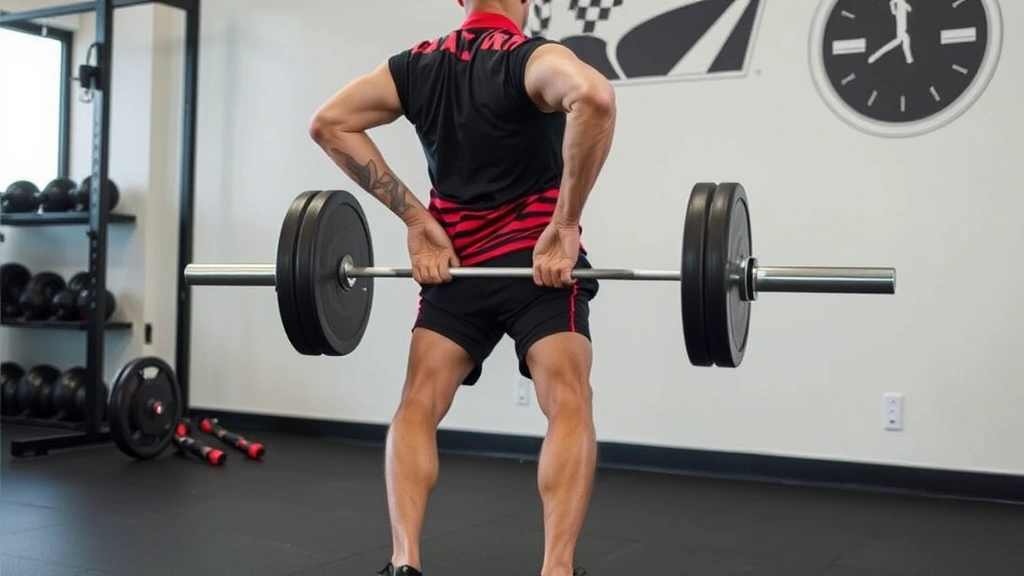
Compound movements engage multiple muscle groups simultaneously and generate the highest force production, making them non-negotiable for gluteal development. The barbell back squat remains the foundation of effective lower body training, recruiting the glutes as primary movers while engaging the quadriceps and stabilizing muscles. Proper squat depth—achieving hip crease below parallel—maximizes glute activation compared to partial range movements.
The deadlift and its variations represent the single most effective exercise for gluteal hypertrophy according to ISSA certification standards. Conventional deadlifts, sumo deadlifts, and Romanian deadlifts each emphasize the glutes through different ranges of motion and loading angles. The Romanian deadlift particularly emphasizes the stretch phase of the glute, creating mechanical tension that drives muscle growth.
Hip thrusts have gained prominence in recent years, with trainers recognizing their superior glute activation compared to traditional exercises. The hip thrust positions the glutes as the primary mover throughout the entire range of motion, allowing heavy loading without compromising form. Performing hip thrusts with a barbell, dumbbell, or resistance band provides progressive overload opportunities essential for continued adaptation.
Bulgarian split squats and single-leg variations demand significant glute activation while addressing muscular imbalances between sides. These unilateral movements also engage stabilizer muscles and require greater core engagement, increasing overall metabolic demand. Including single-leg variations in your training program ensures balanced development and prevents compensation patterns that limit progress.
Isolation Movements for Maximum Activation
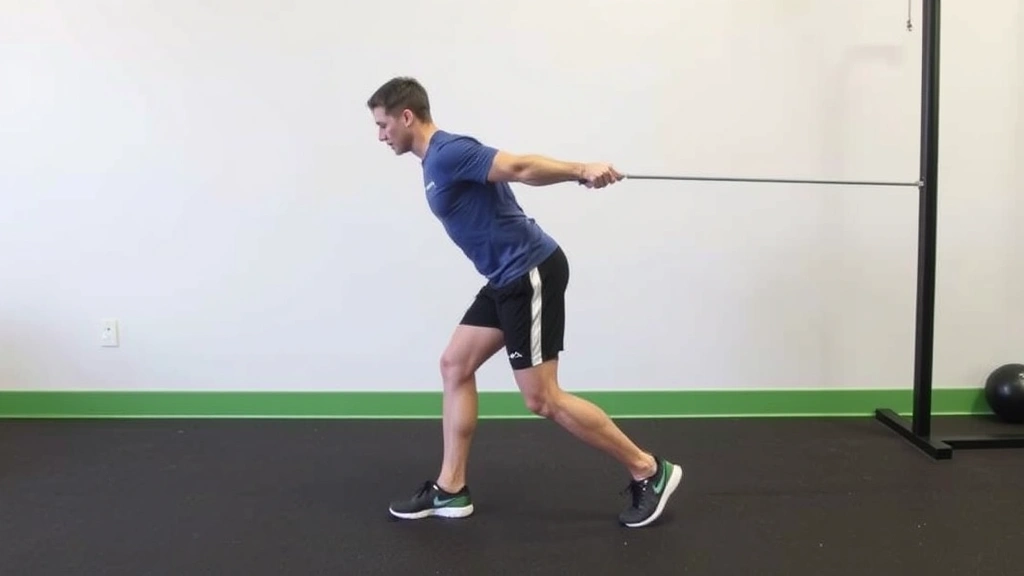
After establishing strength through compound movements, isolation exercises provide direct stimulus to the gluteal muscles with reduced demand on stabilizing structures. Cable pull-throughs mimic the hip thrust pattern while allowing controlled tempo and constant tension throughout the movement. The cable machine’s resistance curve complements glute physiology, providing maximum tension at hip extension lockout where the glutes achieve peak contraction.
Glute-focused machines, including the lever-based hip abduction and hip extension devices found in most gyms, provide consistent resistance throughout the range of motion. Machine-based training allows higher volume without requiring the stabilization demands of free weights, making it ideal for accumulating training volume when fatigue is a limiting factor. Many trainers program machine work as supplemental volume following heavy compound lifts.
Resistance band exercises offer versatility and convenience for glute activation, particularly for side-lying abductions, quadruped kickbacks, and standing hip abductions. Bands provide accommodating resistance that increases as you move toward full hip extension, creating a resistance profile that aligns with human strength curves. This makes bands particularly effective for glute activation without requiring expensive equipment or gym access.
Step-ups and box jumps provide dynamic glute training that incorporates the power component of athletic development. These exercises demand rapid force production and significant muscle fiber recruitment, creating metabolic stress that contributes to muscle growth. Step-ups performed with heavy dumbbells or a weighted vest allow progressive overload while maintaining the functional movement pattern.
Progressive Overload and Training Intensity
Progressive overload—consistently increasing demands on the muscular system—represents the fundamental principle driving adaptation and growth. Trainers implement progressive overload through increased weight, additional repetitions, reduced rest periods, or improved movement quality. The specific method matters less than consistent application of progressive stimulus over weeks and months.
A practical approach involves establishing baseline performance metrics for key exercises: the number of repetitions achievable with a specific weight, the maximum weight you can lift for a target rep range, or the volume completed within a set timeframe. Tracking these metrics allows objective assessment of progress and prevents the common mistake of maintaining the same stimulus indefinitely.
Periodization structures training cycles to emphasize different adaptations: strength phases using low repetitions with heavy weight, hypertrophy phases using moderate weight and repetitions, and endurance phases using lighter weight with higher repetitions. A well-designed training program alternates between these phases to prevent plateaus and maintain engagement.
Rate of perceived exertion (RPE) provides a subjective method for monitoring intensity when precise weight tracking isn’t possible. Training the final sets of exercises to near-maximum effort (RPE 8-9 out of 10) generates sufficient stimulus for adaptation while maintaining safety margins. This approach works particularly well when training alone or without access to advanced tracking tools.
Nutrition Strategies for Fat Loss and Muscle Gain
Protein intake represents the most critical nutritional factor for gluteal development during a caloric deficit. Consuming 0.8 to 1 gram of protein per pound of body weight daily ensures adequate amino acids for muscle protein synthesis. This higher protein intake becomes especially important when eating fewer total calories, as protein has greater thermic effect than carbohydrates or fats, meaning your body burns more calories digesting it.
Caloric deficit magnitude determines the rate of fat loss and the likelihood of preserving lean muscle. A moderate deficit of 300-500 calories below maintenance allows steady fat loss while maintaining strength and performance. Excessive deficits exceeding 500-750 calories daily increase muscle loss risk and create unsustainable hunger that leads to dietary non-compliance.
Carbohydrate timing around training sessions provides energy for intense glute workouts and supports recovery through insulin-mediated nutrient delivery. Consuming carbohydrates before and after training sessions supports performance and muscle protein synthesis without requiring excessive daily carbohydrate intake. This targeted approach allows flexibility in overall macronutrient distribution.
Micronutrient adequacy—ensuring sufficient vitamins and minerals—supports hormonal function and recovery. Magnesium, zinc, and vitamin D particularly influence testosterone production and muscle protein synthesis. Consuming whole foods including leafy greens, nuts, seeds, and fatty fish ensures micronutrient needs are met while providing satiety from whole food sources.
Recovery and Hormonal Optimization
Sleep quality directly influences muscle growth, with most muscle protein synthesis occurring during sleep when growth hormone secretion peaks. Aiming for 7-9 hours nightly allows adequate recovery between intense training sessions. Sleep deprivation impairs recovery, increases cortisol (a catabolic hormone), and undermines dietary adherence through increased appetite signaling.
Stress management becomes increasingly important during caloric deficits, as elevated cortisol from psychological stress or excessive training volume interferes with muscle growth and fat loss. Incorporating relaxation techniques, moderate cardiovascular activity, and adequate rest days prevents overtraining and maintains hormonal balance. Many trainers recommend limiting high-intensity training to 2-3 sessions weekly while keeping total training volume sustainable.
Menstrual cycle considerations apply for female athletes, with evidence suggesting that training intensity and volume tolerance fluctuate across cycle phases. Training harder during follicular and ovulatory phases when hormonal support for muscle growth is highest, while maintaining moderate volume during luteal phases, allows optimization of training stimulus. This cyclical approach requires self-awareness and willingness to adjust training based on individual response.
Supplementation can support recovery and performance when foundational nutrition and sleep are optimized. Creatine monohydrate, supported by extensive research, increases muscle phosphocreatine stores and supports power output during high-intensity training. Beta-alanine may support muscular endurance during moderate-rep training, while caffeine enhances focus and power output. These supplements provide modest benefits that complement rather than replace proper training and nutrition.
Creating Your Complete Training Program
An effective glute-focused program includes 2-4 dedicated lower body sessions weekly, with at least one session emphasizing heavy compound movements and another emphasizing volume and hypertrophy. A practical structure involves one strength-focused session with heavy squats or deadlifts for 3-5 repetitions and one hypertrophy-focused session with moderate weight for 8-12 repetitions.
Sample strength session: Barbell back squat 5×3, Romanian deadlift 4×5, and glute-focused accessory work for 3×8-10. This session emphasizes heavy loading and neural adaptation while providing sufficient volume for muscle stimulation. Rest periods of 3-5 minutes between compound movements allow adequate recovery for maximum force production.
Sample hypertrophy session: Hip thrusts 4×8-10, Bulgarian split squats 3×10-12, cable pull-throughs 3×12-15, and machine-based abduction work 3×15-20. This session accumulates significant training volume with moderate loads, creating metabolic stress and mechanical tension that drive muscle growth. Rest periods of 60-90 seconds maintain elevated heart rate while allowing adequate recovery between sets.
Incorporating variety prevents adaptation plateau and maintains motivation. Rotating between squat variations (back squat, front squat, goblet squat), deadlift variations (conventional, sumo, trap bar), and hip thrust variations ensures balanced development and addresses different movement patterns. Changing exercises every 4-6 weeks provides novelty while maintaining progressive overload on primary movements.
Monitoring progress through body composition assessment, strength metrics, and visual changes guides program adjustments. If progress stalls for 2-3 weeks despite consistent training and nutrition, increasing training volume, changing exercise selection, or adjusting caloric intake provides renewed stimulus. Conversely, if fat loss exceeds 1-2 pounds weekly, increasing calories slightly prevents excessive muscle loss.
FAQ
How long does it take to see visible glute development results?
Most people notice visible changes within 4-8 weeks of consistent training and proper nutrition, though significant transformation typically requires 12-16 weeks. The timeline depends on starting point, training adherence, dietary compliance, and individual genetics. Those starting with minimal glute development may see faster relative changes than those already fairly developed.
Can you burn glute fat without building muscle there?
Spot reduction is not physiologically possible—fat loss occurs throughout the body based on genetics. However, building muscle in the glutes while maintaining a caloric deficit creates the appearance of a more defined, toned posterior. The combination of muscle building and fat loss produces superior aesthetic results compared to diet alone.
Is cardio necessary for glute fat loss?
Resistance training combined with dietary adjustments produces fat loss without requiring cardio. However, moderate cardio (150-300 minutes weekly at moderate intensity) supports cardiovascular health and can slightly increase caloric deficit without compromising recovery. High-intensity cardio may interfere with glute hypertrophy when volume is excessive.
What’s the best rep range for glute growth?
Research suggests that 6-30 repetitions can drive muscle growth when sets are taken near technical failure. Most trainers recommend incorporating both moderate loads with 8-12 repetitions and heavier loads with 4-6 repetitions for balanced stimulus. Including higher-rep work (15-20 reps) addresses metabolic stress and provides training variety.
How important is form versus load in glute training?
Form quality determines whether the glutes actually receive sufficient stimulus. Partial-range movements or compensation patterns reduce glute involvement significantly. Progressive overload should occur through improved form and increased range of motion before simply adding weight. A lighter weight with perfect form outperforms heavy weight with poor positioning.
Should I train glutes every day?
Training the same muscle group daily without adequate recovery impairs adaptation and increases injury risk. Most evidence supports training glutes 2-4 times weekly with at least one rest day between dedicated lower body sessions. Active recovery (walking, light stretching) on rest days supports blood flow and recovery without interfering with adaptation.


