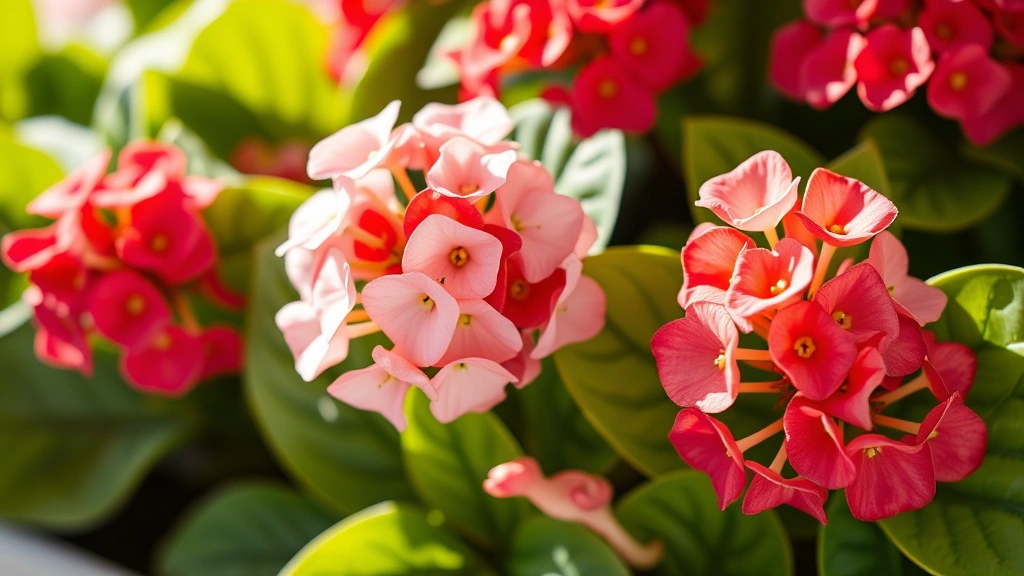
Caring for Begonias: Gardener-Approved Tips for Thriving Indoor and Outdoor Plants
Begonias are among the most versatile and rewarding plants for both novice and experienced gardeners. With their stunning foliage, vibrant flowers, and relatively forgiving nature, these plants have earned their place in gardens worldwide. Whether you’re cultivating them indoors as decorative houseplants or establishing outdoor garden beds, understanding the fundamentals of begonia care will ensure your plants flourish year-round.
This comprehensive guide provides everything you need to know about maintaining healthy, beautiful begonias. From watering schedules to pest management, we’ll cover the essential practices that separate thriving plants from struggling ones. By following these gardener-approved tips, you’ll develop the confidence to grow begonias successfully in virtually any environment.
Understanding Begonia Varieties
Before diving into care instructions, it’s essential to recognize that begonias encompass over 2,000 species and hybrid varieties, each with slightly different requirements. The three primary categories are wax begonias, tuberous begonias, and rex begonias, and understanding which type you’re growing will significantly impact your success rate.
Wax begonias, scientifically known as Begonia semperflorens, are the most common household variety. These compact plants feature thick, waxy leaves and continuous blooming throughout the growing season. They’re incredibly forgiving and ideal for beginners just starting their gardening journey. Tuberous begonias, conversely, produce larger, more dramatic flowers and require seasonal dormancy periods. Rex begonias are prized for their extraordinary foliage rather than flowers, displaying intricate patterns and striking color combinations.
Understanding your specific begonia type determines everything from dormancy schedules to humidity preferences. Take time to identify your plant variety before implementing care strategies. This foundational knowledge prevents common mistakes and sets the stage for long-term success.
Light Requirements for Optimal Growth
Light is perhaps the most critical factor in begonia cultivation. These plants require bright, indirect light to thrive, though specific intensity varies by variety. Providing inadequate light results in leggy growth, reduced flowering, and weakened plant structure. Conversely, excessive direct sunlight scorches leaves and causes color fading.
For indoor begonias, position plants near east or west-facing windows where they receive gentle morning or afternoon light filtered through sheer curtains. South-facing windows work well during winter months when the sun’s angle is lower and less intense. During summer, move plants slightly back from windows or provide afternoon shade protection.
Outdoor begonias perform best in partial shade environments, receiving approximately 3-4 hours of morning sunlight followed by afternoon shade. In regions with intense afternoon heat, prioritize shade during peak sun hours. Monitoring your plants weekly helps identify light stress symptoms including pale leaves, sparse flowering, and elongated stems reaching toward light sources.
Consider installing grow lights for indoor gardening setups if natural light proves insufficient. LED grow lights positioned 12-18 inches above plants provide consistent illumination without excessive heat generation.
Watering and Humidity Management
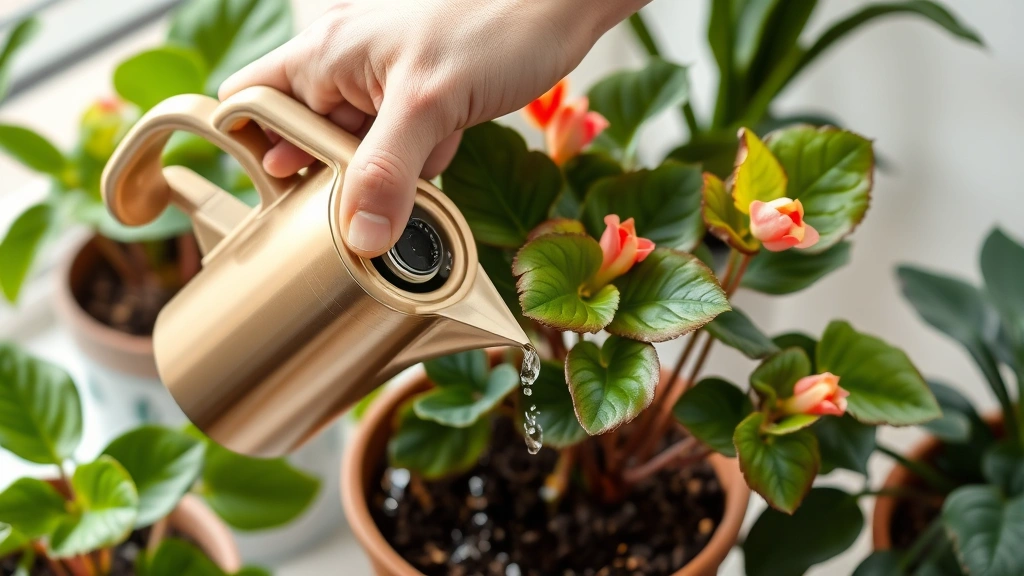
Watering begonias requires careful attention to soil moisture without creating waterlogged conditions. Unlike succulents that tolerate drought, begonias prefer consistently moist but never soggy soil. The key is finding the balance between these extremes.
Check soil moisture by inserting your finger approximately one inch into the potting medium. If the soil feels dry at this depth, water thoroughly until liquid drains from drainage holes. If soil remains moist, wait another day or two before watering. During growing seasons (spring and summer), begonias typically need watering every 2-3 days, though frequency varies based on temperature, humidity, and pot size.
Use room-temperature water and avoid wetting foliage directly, as wet leaves encourage fungal diseases and leaf spotting. Water at the soil level using a narrow-spout watering can for precision. Rainwater or distilled water is preferable to chlorinated tap water, though most tap water proves acceptable if allowed to sit overnight before application.
Humidity is equally important for begonia health. These tropical plants appreciate moisture in the air, ideally between 50-80% relative humidity. In dry indoor environments, increase humidity by grouping plants together, placing them on pebble trays filled with water, or using humidifiers. Misting foliage occasionally helps, though prioritize morning application to allow leaves to dry before evening.
Soil Composition and Potting
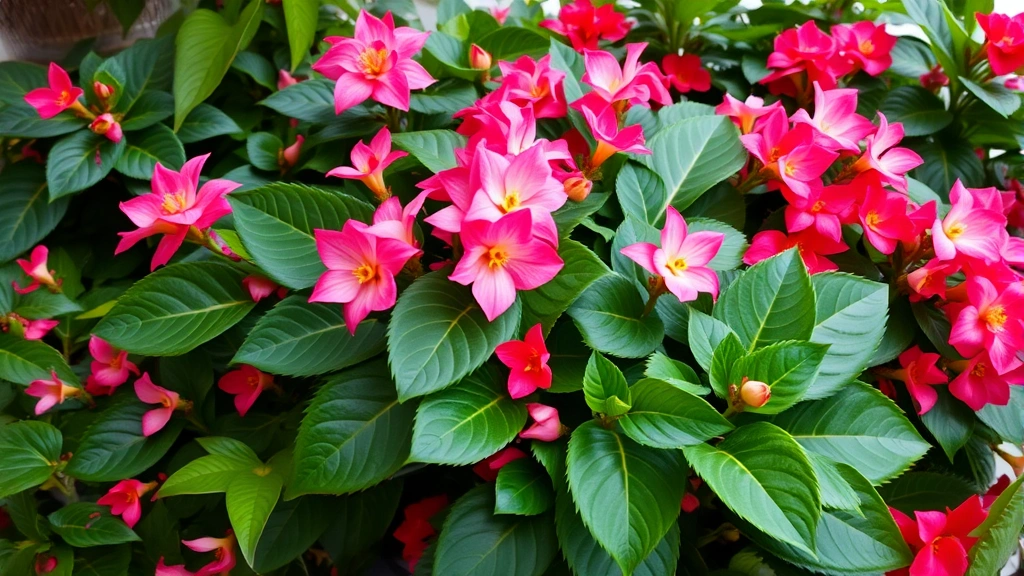
Begonias demand well-draining soil rich in organic matter. Standard potting soil often compacts over time, reducing drainage and creating root rot conditions. Create an ideal begonia potting mix by combining equal parts high-quality potting soil, peat moss or coconut coir, and perlite or coarse sand.
This combination ensures adequate moisture retention while preventing waterlogging. The perlite or sand particles create air pockets essential for healthy root respiration. Avoid heavy garden soil or clay-based mixes that retain excessive moisture and compact easily.
Select pots with drainage holes measuring at least one-quarter inch in diameter. Pot size matters significantly—containers that are too large hold excessive water around roots, while undersized pots restrict root development. Generally, choose pots approximately one inch larger in diameter than the previous container when repotting established begonias.
Repot begonias annually during early spring as new growth emerges. Gently remove plants from existing containers, loosen root balls carefully, and transfer to fresh potting medium. This annual refresh replenishes depleted nutrients and prevents soil compaction issues that develop over time.
Fertilizing Your Begonias
Begonias are moderate feeders requiring regular nutrient supplementation during active growth periods. A balanced, water-soluble fertilizer formulated for houseplants or flowering plants works well. Look for products with equal nitrogen, phosphorus, and potassium ratios (such as 10-10-10 or 5-5-5).
During spring and summer growing seasons, apply diluted fertilizer every 2-3 weeks. Always follow package instructions carefully, as over-fertilizing causes salt accumulation in soil, damaging roots and causing leaf burn. Reduce fertilizing frequency during fall and winter when growth naturally slows.
Organic fertilizer options including fish emulsion, seaweed extract, and compost tea provide gentle, slow-release nutrition. These alternatives appeal to gardeners preferring natural approaches and often produce excellent results with begonias. Regardless of fertilizer type, err on the side of under-fertilizing rather than over-feeding, as excessive nutrients cause more problems than deficiencies.
Monitor foliage color and growth rate to assess fertilizing adequacy. Yellowing lower leaves might indicate nitrogen deficiency, while stunted growth suggests insufficient overall nutrition. Conversely, dark green foliage with excessive leaf production but minimal flowering suggests over-fertilizing.
Temperature and Environmental Conditions
Begonias prefer moderate temperatures between 65-75°F (18-24°C) during daytime and 60-65°F (15-18°C) at night. These tropical plants struggle in cold conditions below 50°F (10°C), experiencing leaf drop, growth cessation, and potential death if exposed to freezing temperatures.
Protect begonias from sudden temperature fluctuations, cold drafts from windows or air conditioning vents, and heat sources including radiators and heating vents. Maintain consistent environmental conditions as much as possible, as dramatic temperature swings stress plants and reduce blooming.
Air circulation proves important for disease prevention. Stagnant air encourages fungal and bacterial infections. Position oscillating fans to provide gentle air movement without directly blasting plants. This circulation strengthens stems, reduces pest populations, and promotes overall plant vigor.
Indoor begonias benefit from seasonal adjustments. During winter, move plants away from cold windows and closer to moderate heat sources. Maintain warmer nighttime temperatures if possible, as begonias rest during winter months and appreciate slightly warmer conditions during this dormant period.
Pruning and Propagation Techniques
Regular pruning maintains attractive plant shapes, encourages bushier growth, and removes diseased or damaged portions. Pinch out growing tips when plants are young to promote branching rather than single-stem development. As plants mature, remove leggy stems by cutting above leaf nodes at 45-degree angles.
Deadheading spent flowers encourages continuous blooming throughout the season. Remove flower clusters as they fade to redirect plant energy toward new bloom production rather than seed development. This simple practice dramatically extends flowering periods.
Begonias propagate easily from stem cuttings, making them excellent candidates for sharing with fellow gardeners. Select healthy, non-flowering stems measuring 3-4 inches long. Remove lower leaves and insert cuttings into moist propagation medium (peat moss and perlite mixture). Cover with clear plastic to maintain humidity and place in bright, indirect light. Roots typically develop within 2-3 weeks, after which cuttings can transition to standard potting soil.
Tuberous begonias can be divided during dormancy. Carefully separate tubers ensuring each section contains at least one growth bud. Plant divided tubers in fresh potting soil and resume watering as new growth emerges in spring.
Common Pests and Disease Prevention
While begonias are relatively pest-resistant compared to many houseplants, several insects occasionally cause problems. Mealybugs, spider mites, and whiteflies represent the most common begonia pests. Early detection proves crucial for effective management.
Inspect plants weekly, checking undersides of leaves where pests congregate. Mealybugs appear as white cottony masses, spider mites cause fine webbing and yellowed leaves, and whiteflies create tiny white flying insects when plants are disturbed. Isolate infested plants immediately to prevent pest spread to neighboring plants.
Treat minor infestations with insecticidal soap or neem oil spray, following product instructions carefully. Spray thoroughly, coating all leaf surfaces and stems. Repeat applications every 7-10 days for 2-3 weeks to eliminate pest populations. For severe infestations, contact local cooperative extension services for professional guidance.
Fungal and bacterial diseases including powdery mildew, leaf spot, and root rot develop in conditions of poor air circulation, excessive humidity, or overwatering. Prevention through proper cultural practices proves far more effective than treatment. Ensure adequate spacing between plants, water at soil level rather than overhead, and maintain air circulation.
Remove infected leaves immediately using sterile pruning tools, disinfecting between cuts with rubbing alcohol or 10% bleach solution. Avoid overhead watering and reduce watering frequency if root rot appears likely. In severe cases, repot plants in fresh soil and reduce watering significantly.
Seasonal Care Adjustments
Begonia care requirements shift dramatically across seasons. Spring marks the beginning of active growth as temperatures warm and daylight increases. Resume regular fertilizing, increase watering frequency, and repot plants if necessary during this period. Prune winter-damaged stems and pinch growing tips to encourage bushier development.
Summer brings peak blooming for most begonia varieties. Maintain consistent watering as heat increases evaporation rates. Provide afternoon shade in regions with intense sun exposure. Continue fertilizing every 2-3 weeks and deadhead flowers regularly to maximize blooming.
Fall signals the transition toward dormancy as temperatures cool and daylight decreases. Gradually reduce watering frequency and discontinue fertilizing as growth naturally slows. Allow plants to rest during this period—reduced water and nutrients support the dormancy process essential for winter survival and spring vigor.
Winter represents the dormant season for most begonias. Minimize watering, allowing soil to dry slightly between applications. Stop fertilizing entirely until spring growth resumes. Move plants to slightly cooler locations if possible, maintaining temperatures between 60-65°F. Reduce watering further for tuberous begonias, allowing soil to become quite dry during dormancy.
Understanding these seasonal rhythms and adjusting care accordingly prevents common problems including winter leaf drop, reduced spring blooming, and overall plant decline. Work with your begonias’ natural growth cycles rather than maintaining identical care year-round.
Frequently Asked Questions
Why are my begonia leaves turning yellow?
Yellow leaves typically result from overwatering, poor drainage, or nutrient deficiency. Check soil moisture first—if soggy, reduce watering and improve drainage. If soil moisture is appropriate, apply diluted fertilizer to address potential nutrient deficiency. Lower leaves naturally yellow and drop as plants mature, but widespread yellowing indicates problems requiring attention.
Can begonias grow outdoors year-round?
This depends entirely on your climate. Begonias thrive outdoors in USDA zones 10-11 year-round. In colder regions, treat them as seasonal annuals or bring potted plants indoors before first frost. Tuberous begonias should be dug and stored indoors during winter in most climates.
How often should I repot my begonias?
Repot annually during early spring as new growth emerges. If plants become severely root-bound before spring arrives, repot immediately into containers only slightly larger than current pots. Avoid excessive pot size increases, which lead to overwatering problems.
What’s the best way to propagate begonias?
Stem cuttings represent the easiest propagation method. Take 3-4 inch cuttings from healthy stems, remove lower leaves, and insert into moist propagation medium. Cover with plastic to maintain humidity and place in bright, indirect light. Roots develop within 2-3 weeks, after which cuttings transition to potting soil.
Do begonias need dormancy periods?
Tuberous begonias absolutely require dormancy, with tubers dug and stored dry indoors during winter. Wax begonias tolerate but don’t require strict dormancy, though they benefit from reduced watering and cooler temperatures during winter months. Rex begonias prefer consistent conditions year-round but tolerate slight winter reductions in watering.
Can I grow begonias from seed?
Yes, though begonia seeds are extremely tiny and require specific conditions. Start seeds in sterile seed-starting mix under grow lights, maintaining 70-75°F temperatures and high humidity. Seedlings develop slowly and require 6-8 months to reach transplant size. Most gardeners prefer stem cuttings for faster results.


