How to Check Battery Health: Expert Tips for DIY Diagnostics
Your vehicle’s battery is one of the most critical components, yet many drivers overlook its maintenance until it fails completely. Understanding how to check battery health empowers you to catch problems early, avoid unexpected breakdowns, and extend your battery’s lifespan. Whether you’re experiencing slow cranking, dimming lights, or simply want to perform preventive maintenance, learning battery diagnostics is an essential skill for any DIY enthusiast.
Battery degradation happens gradually over time due to temperature fluctuations, chemical reactions, and charging cycles. By regularly monitoring your battery’s condition, you can plan replacements strategically and maintain reliable vehicle performance. This comprehensive guide walks you through professional-grade diagnostic methods that you can perform safely in your own driveway, using basic tools and equipment.
Understanding Battery Health Basics
Battery health encompasses several measurable parameters that indicate whether your battery can reliably start your vehicle and power electrical systems. The primary metrics include voltage, amperage capacity, and internal resistance. A healthy automotive battery maintains approximately 12.6 volts when the engine is off and charging system is functioning properly.
Lead-acid batteries, the standard in most vehicles, contain six cells connected in series, each producing roughly 2.1 volts. As batteries age, sulfation accumulates on the plates, reducing their ability to accept and deliver charge efficiently. Temperature extremes accelerate this degradation—heat causes faster chemical reactions while cold reduces the battery’s ability to deliver adequate cranking amps.
Understanding the relationship between voltage and state of charge helps you interpret test results accurately. A fully charged battery reads 12.6-12.8 volts, while 12.2 volts indicates approximately 50% charge. Below 12 volts suggests significant discharge, and readings below 11.8 volts indicate the battery cannot reliably start most vehicles. When learning how to check amps using multimeter, you’ll discover that amperage capacity is equally important to voltage readings.
The battery’s cold cranking amps (CCA) rating represents the amperage it can deliver at 0°F for 30 seconds while maintaining at least 7.2 volts. This specification becomes critical in cold climates where battery performance drops significantly. Age, temperature, and usage patterns all affect whether your battery can meet its rated CCA specification.
Visual Inspection Methods
Before connecting any testing equipment, perform a thorough visual inspection of your battery and its connections. This preliminary assessment often reveals obvious problems that prevent you from wasting time with electrical testing.
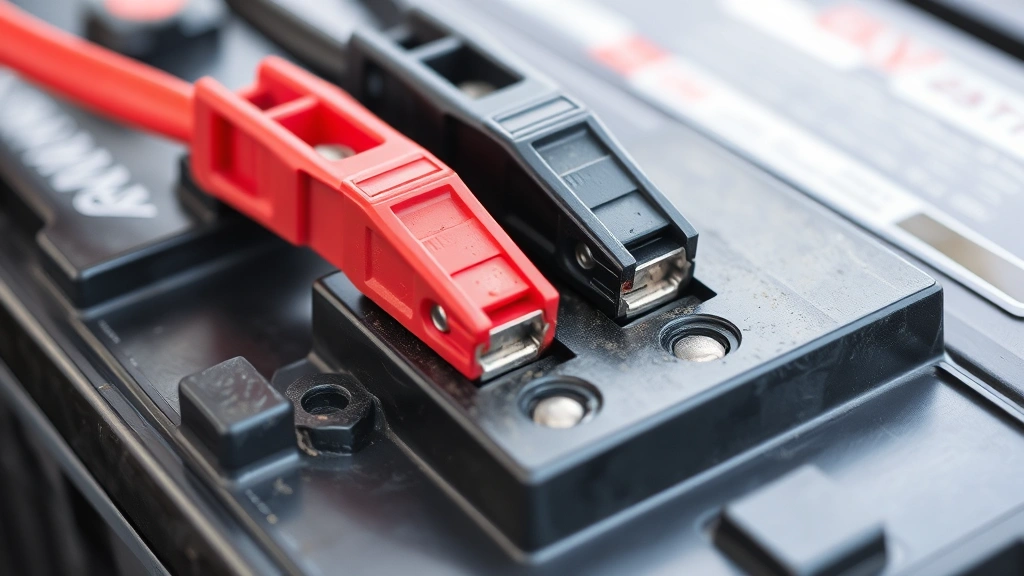
Examine the battery case for cracks, bulging, or leaking electrolyte. Any physical damage compromises the battery’s integrity and indicates replacement is necessary. Bulging typically results from overcharging or internal short circuits that generate excessive heat. Check battery terminals for corrosion—a white, blue, or green crusty buildup indicates chemical reactions between the terminal material and electrolyte vapors. Corroded terminals create poor electrical contact, reducing the battery’s ability to deliver current even if the cells remain healthy.
Clean corroded terminals using a wire brush and a solution of baking soda and water. Remove the negative terminal first (marked with a minus sign), then the positive terminal. Scrub the terminal posts and cable ends until bright metal appears. Rinse thoroughly with clean water and dry completely before reconnecting. Reconnect the positive terminal first, then the negative terminal. This sequence prevents accidental short circuits.
Inspect battery cables for damage, fraying, or corrosion along their entire length. Damaged insulation creates safety hazards and poor electrical connections. Verify secure connections by attempting to wiggle the terminals—they should not move. Loose connections reduce current flow and can prevent proper charging.
Check your vehicle’s charging system to ensure the alternator maintains proper voltage while the engine runs. A malfunctioning charging system causes rapid battery drain and prevents adequate recharging. The serpentine belt that drives the alternator should be intact and properly tensioned.
<
>
Using a Multimeter for Testing
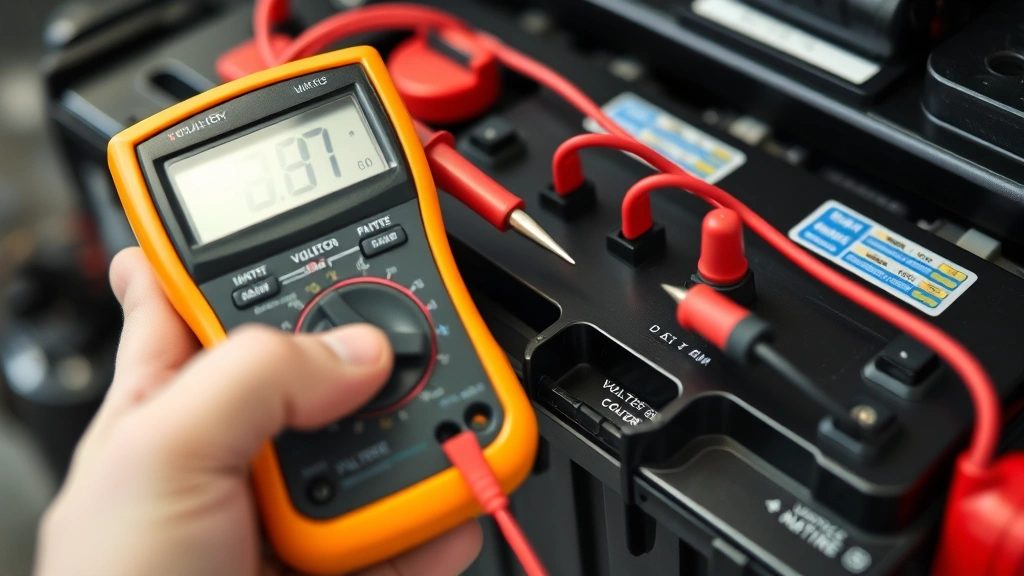
A digital multimeter is an indispensable tool for battery diagnostics. This device measures voltage, resistance, and amperage—three critical parameters for assessing battery health. Quality multimeters cost $20-50 and last for years, making them excellent investments for any DIYer.
Measuring resting voltage provides your first quantitative assessment. Ensure the engine is completely cold and has been off for at least 12 hours. This waiting period allows the battery to reach its true resting state without surface charge effects. Set your multimeter to DC voltage (typically marked with a V and dashed line). Connect the red probe to the positive terminal and the black probe to the negative terminal.
Record the voltage reading. A healthy battery should display 12.6-12.8 volts. Readings between 12.2-12.6 volts indicate the battery is discharged but may still be serviceable. Below 12.2 volts suggests significant degradation. Readings below 11.8 volts typically mean the battery cannot reliably start your vehicle and should be replaced.
Measuring voltage under load provides more accurate health information than resting voltage alone. Start the engine and allow it to reach normal operating temperature, then turn on the headlights and read the voltage. The reading should remain above 10 volts. If voltage drops below 10 volts, the battery cannot deliver adequate current under load and should be tested further or replaced.
Related to battery testing, understanding electrical systems is crucial. When you’re familiar with how to check AC capacitor, you develop skills transferable to battery diagnostics since both involve measuring voltage and resistance with a multimeter.
Resistance testing measures internal battery condition. Set your multimeter to resistance mode (ohms). A healthy battery typically shows between 0-0.02 ohms of internal resistance. Higher resistance indicates sulfation and degraded internal plates. Some advanced multimeters have specific battery testing modes that automatically calculate internal resistance and predict remaining battery life.
Load Testing Your Battery
Load testing provides the most comprehensive assessment of battery capacity and reliability. This test applies a controlled electrical load to the battery and measures how voltage responds. Professional mechanics use specialized load testers, but you can perform simplified load testing with your multimeter and vehicle systems.
DIY load testing procedure: Ensure the battery is fully charged, then start the engine and let it warm to normal operating temperature. Turn on the headlights, then switch on the high beams to increase electrical load. Activate the rear defrost if available. Read the voltage while maintaining these loads. Healthy batteries maintain above 10 volts under significant load. If voltage drops below 9.5 volts, the battery cannot deliver adequate current and is failing.
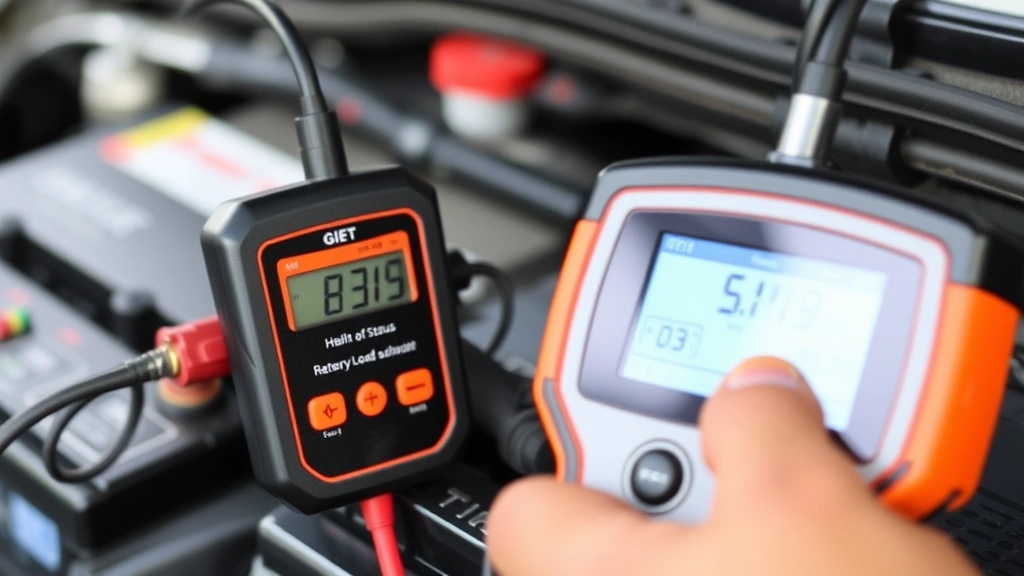
For more rigorous testing, purchase an inexpensive battery load tester (typically $30-80). These devices clamp onto the battery terminals and apply a precise load while measuring voltage response. Professional-grade load testers provide more accurate results and often calculate remaining battery life in months. Many auto parts retailers offer free load testing if you bring your battery to their store.
Temperature significantly affects load test results. Cold batteries perform worse than warm batteries, so perform load testing when the battery temperature is 50°F or warmer. If your vehicle has been parked in cold conditions, warm the battery by running the headlights for several minutes before testing.
Understanding your vehicle’s overall electrical system helps contextualize battery health. Review how to DIY car repairs: a beginner’s guide for comprehensive information about vehicle maintenance and electrical diagnostics.
<
>
Digital Battery Testers
Modern digital battery testers employ advanced technology to assess battery health more accurately than traditional multimeters. These devices measure internal resistance and use sophisticated algorithms to predict remaining battery life. They’re particularly useful for determining whether a weak battery can last several more months or needs immediate replacement.
How digital testers work: They apply an AC signal at specific frequencies to measure how the battery responds. This technique, called conductance testing, correlates directly to battery capacity without requiring full discharge. Results appear on a display, often indicating battery condition as Good, Fair, or Bad, along with estimated remaining lifespan.
Conductance testers ($50-150) are more expensive than basic multimeters but provide superior diagnostic capability. Auto parts stores often have these testers available and may perform testing for free. Some testers also measure alternator output, helping you determine whether charging system problems are causing rapid battery drain.
When selecting a digital battery tester, ensure it’s compatible with your battery type—some testers work with standard lead-acid batteries while others accommodate AGM (Absorbent Glass Mat) or lithium batteries. AGM batteries are increasingly common in modern vehicles and require specific testing procedures.
Interpreting Your Results
Battery test results require context to be meaningful. A single voltage reading doesn’t tell the complete story of battery health—you need to consider multiple measurements and environmental conditions.
Voltage interpretation: Resting voltage between 12.6-12.8 volts indicates a healthy, fully charged battery. 12.4-12.6 volts shows good condition with slight discharge. 12.2-12.4 volts indicates moderate discharge—the battery needs charging but likely remains serviceable. Below 12.2 volts suggests significant degradation or discharge. If the battery won’t hold charge after recharging, it’s failing.
Load test interpretation: Voltage above 10 volts under load indicates the battery can reliably start your vehicle. Between 9.5-10 volts suggests the battery is marginal and may fail in cold weather. Below 9.5 volts indicates the battery cannot deliver adequate cranking current and should be replaced immediately.
Age considerations: Most lead-acid batteries last 3-5 years depending on climate and usage. If your battery is approaching this age and showing declining performance, replacement is prudent even if current tests appear acceptable. Preventive replacement avoids inconvenient failures.
Seasonal variation: Battery performance varies dramatically with temperature. Cold weather reduces available capacity by 30-50% compared to warm weather. If your battery barely starts in winter but performs adequately in summer, consider replacement before the next winter season. A marginal battery that functions in warm weather will fail when cold weather arrives.
Understanding your vehicle’s electrical demands helps interpret results accurately. High-performance audio systems, aftermarket lighting, or additional accessories increase electrical load. A battery adequate for a stock vehicle might struggle with significant aftermarket electrical additions.
Maintenance Tips for Longevity
Proper maintenance significantly extends battery lifespan and prevents premature failure. These practices reduce sulfation, prevent corrosion, and ensure your battery operates at peak efficiency.
Keep terminals clean: Check battery terminals monthly for corrosion. Clean buildup immediately using the baking soda and water solution described earlier. Corroded terminals create resistance that forces the battery to work harder, accelerating degradation.
Ensure proper charging: A healthy alternator maintains battery voltage between 13.5-14.5 volts while the engine runs. If your battery doesn’t charge adequately, the alternator needs testing or replacement. Undercharging causes rapid battery failure; overcharging damages battery plates and reduces lifespan.
Minimize parasitic drain: Some vehicles draw small amounts of current when parked, powering security systems and computer modules. Excessive parasitic drain (more than 50 milliamps) depletes the battery over weeks of parking. If your battery drains quickly when parked, have the electrical system tested for parasitic draw issues.
Protect from temperature extremes: Insulating battery covers protect against temperature fluctuations in harsh climates. Cold climates particularly benefit from thermal protection since cold dramatically reduces battery performance. In hot climates, ensure adequate ventilation around the battery to prevent overheating.
Avoid deep discharge: Repeatedly draining the battery completely accelerates sulfation. Ensure your vehicle starts reliably and the charging system functions properly to prevent deep discharge cycles. If you store vehicles for extended periods, use a battery maintainer (trickle charger) to keep the battery charged.
Use quality replacement batteries: When your battery fails, invest in a quality replacement with adequate cold cranking amps for your climate. Undersized batteries designed for warm climates will struggle in cold conditions. Check your vehicle’s specifications and purchase accordingly.
For comprehensive understanding of your vehicle’s systems, reviewing how to check ATF fluid and how to change your oil helps you develop a complete maintenance routine. Regular maintenance of all vehicle systems ensures reliable operation and catches problems early.
FAQ
How often should I check my battery health?
Check battery health every six months, or whenever you notice warning signs like slow cranking or dimming lights. Monthly visual inspections of terminals and cables take only minutes but catch many problems early. Formal testing with a multimeter or load tester is recommended annually, particularly before winter in cold climates.
Can I charge a dead battery back to health?
A deeply discharged battery can often be recharged and returned to service, but repeated deep discharge cycles cause permanent damage through sulfation. If your battery dies once due to leaving lights on, proper charging usually restores it. If it repeatedly fails to hold charge, the battery is failing and replacement is necessary.
What’s the difference between CCA and CA ratings?
Cold Cranking Amps (CCA) measures amperage at 0°F, while Cranking Amps (CA) measures at 32°F. CCA is the more demanding specification and better indicates battery performance in cold weather. When replacing your battery, match or exceed the CCA rating specified by your vehicle manufacturer.
Why does my battery test well but still won’t start my car?
A battery testing well electrically might still fail to start due to corroded terminals creating high resistance, a failing starter motor, or charging system problems. Verify terminal connections are clean and tight. If the battery tests well and terminals are clean, have the starter and alternator tested. A multimeter check of amps helps diagnose starter and alternator issues.
Is it normal for battery voltage to fluctuate?
Minor voltage fluctuations (0.1-0.2 volts) are normal as temperature and charge state change. Dramatic fluctuations indicate a failing battery or charging system problem. If resting voltage varies by more than 0.5 volts between measurements, have the battery and charging system tested professionally.
Can cold weather permanently damage my battery?
Cold weather reduces battery performance temporarily but doesn’t cause permanent damage if the battery is healthy. However, cold stress on a marginal battery can cause permanent failure. If your battery barely starts in winter, don’t wait for warm weather—replace it before it fails completely and leaves you stranded.
What’s the best way to store a vehicle with a weak battery?
Use a battery maintainer (trickle charger) if storing a vehicle for more than a few weeks. These devices provide small charging currents that keep the battery fully charged without overcharging. Alternatively, disconnect the negative battery terminal to eliminate parasitic drain. Check the battery monthly and recharge as needed.


