Spotting Bed Bugs? Expert-Approved Hotel Guide
Bed bugs are one of the most common hotel room problems travelers face, yet many people don’t know what to look for or how to inspect properly. These tiny parasites have made a significant comeback in recent decades, infesting luxury hotels and budget chains alike. Unlike other pest problems, bed bug infestations have nothing to do with cleanliness—they’re equal-opportunity pests that can hitch a ride in anyone’s luggage. Understanding how to check for bed bugs in a hotel room is essential knowledge for any frequent traveler, and it can save you from bringing an expensive problem home.
This comprehensive guide walks you through the professional inspection techniques used by pest control experts and hotel management. You’ll learn where bed bugs hide, what signs to look for, and the specific steps to take before unpacking your belongings. Whether you’re staying at a five-star resort or a modest motel, the inspection methods remain consistent and straightforward. By following this expert-approved approach, you can travel with confidence and protect your home from infestation.
What Are Bed Bugs and Why Hotels Matter
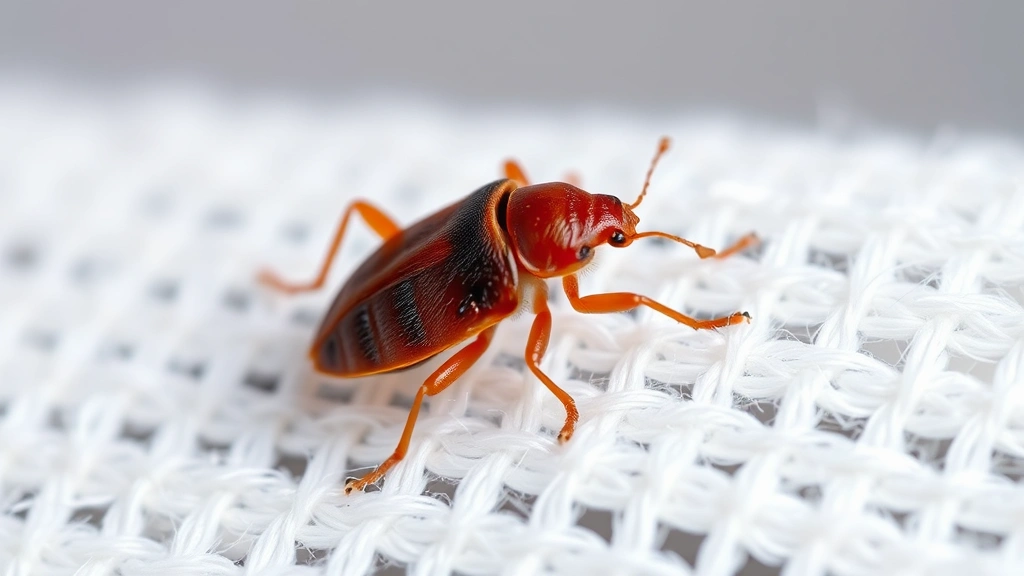
Bed bugs are small, oval-shaped insects approximately the size of an apple seed, measuring 4-5 millimeters in length. They’re reddish-brown in color and feed exclusively on blood, typically human blood. Unlike mosquitoes or other biting insects, bed bugs don’t transmit diseases, but their bites cause itching, welts, and can lead to secondary infections from scratching. Hotels are particularly vulnerable to bed bug infestations because of the constant turnover of guests—thousands of people pass through hotel rooms annually, any of whom could inadvertently introduce bed bugs.
The reason bed bugs thrive in hotels relates to their biology and behavior. These insects are attracted to carbon dioxide, body heat, and certain pheromones that humans emit. They’re nocturnal, hiding in cracks and crevices during the day and emerging at night to feed. A single pregnant female can establish an infestation, and they reproduce rapidly. Hotels provide ideal conditions: numerous hiding spots, a steady food source, and minimal disturbance during the day when housekeeping occurs. Professional pest control companies recognize that hotel bed bug problems require immediate attention, as infestations can spread to adjacent rooms through wall voids and shared piping.
Understanding bed bug behavior is crucial for effective inspection. They don’t jump or fly—they crawl. This means they travel from room to room along baseboards, through electrical outlets, and via furniture placement. When you secure your home with proper maintenance practices, you should also consider pest prevention as part of home protection. The good news is that bed bugs are visible to the naked eye, and their evidence—fecal spots, shed skins, and eggs—can be detected with careful inspection.
Initial Room Inspection Protocol
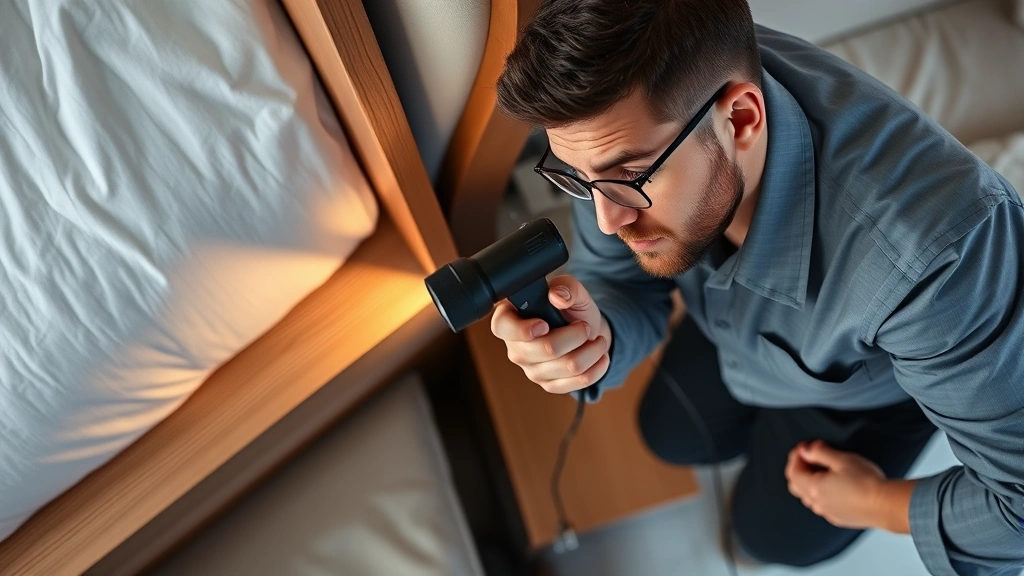
Upon entering your hotel room, resist the urge to unpack immediately. Instead, conduct a systematic inspection before bringing luggage into the main sleeping area. Start by turning on all lights and closing the curtains or blinds to reduce ambient light, which helps you spot bed bugs more easily. Keep your phone’s flashlight or a small pocket flashlight handy—adequate lighting is essential for thorough inspection.
Begin your examination in the entryway and bathroom. Check behind door frames, along baseboards, and in any cracks or crevices. Bed bugs often congregate in areas away from the main living space initially, though they’ll eventually migrate to sleeping areas. Inspect the bathroom thoroughly, including behind the toilet, under the sink vanity, and along any caulking lines. While less common in bathrooms, bed bugs can establish populations there, particularly in older hotels with plumbing issues.
Move systematically into the main room. Examine all light switches, electrical outlets, and phone bases—bed bugs frequently hide behind these fixtures. Check the curtain rods and the tops of door frames. Look at the ceiling corners and any crown molding. Pay special attention to upholstered furniture such as chairs and sofas. Use your flashlight to peer into seams, under cushions, and along the wooden frame.
Document what you find. If you spot any suspicious signs, take photos with your phone. This evidence is valuable when reporting to management and helps establish a timeline if you later discover you’ve brought bed bugs home. Most hotels appreciate being informed of pest problems, as it allows them to address infestations promptly and prevent spread to adjacent rooms.
Detailed Mattress and Box Spring Examination
The mattress and box spring are the most critical areas to inspect thoroughly. These are bed bugs’ preferred habitat because of proximity to their food source and abundant hiding spots. Begin by pulling the mattress away from the headboard and wall, creating space to examine all sides. Lift the mattress completely off the box spring if possible.
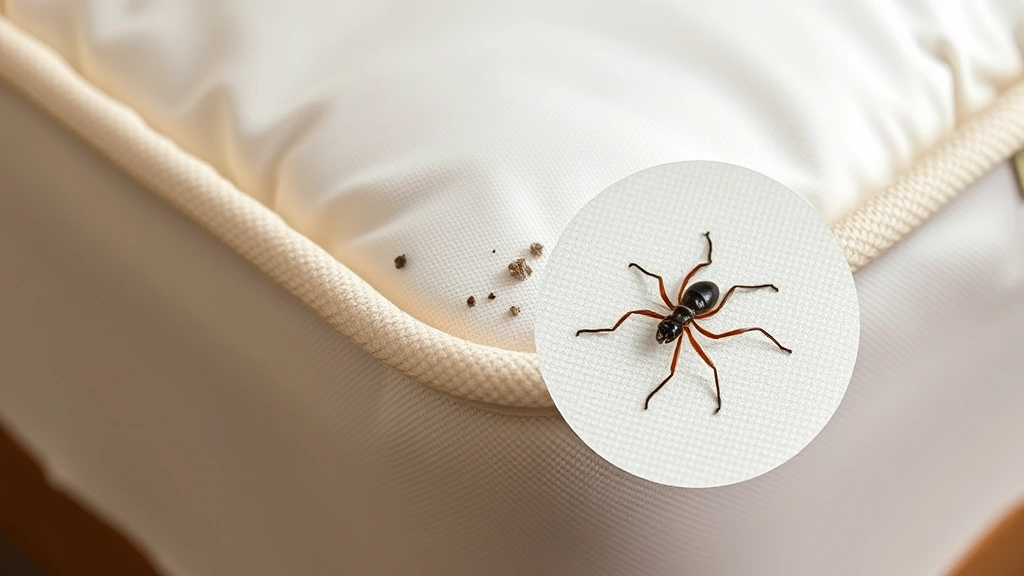
Inspect the mattress seams methodically. Bed bugs hide in the piping and stitching along all edges. Look for small dark spots (fecal matter), which appear as tiny pepper-like specks. You may also see translucent, tan-colored shed exoskeletons or small white eggs. Run your fingers along seams while looking closely—don’t just rely on visual inspection. The texture of bed bug fecal spots differs from dust; they’ll appear as concentrated deposits rather than random dust particles.
Examine the mattress underside, particularly the corner seams and any labels or tags. Bed bugs congregate in these protected areas. Check the piping around the entire perimeter. Look for live bugs, which appear as small reddish-brown insects, though they may appear darker if they’ve recently fed.
Now inspect the box spring with equal care. Remove the fabric covering if possible—many box springs have a removable bottom panel. Bed bugs frequently hide in the wooden frame structure and between coils. Examine all wooden joints, particularly corners where pieces are stapled together. Check the underside thoroughly, as bed bugs often congregate on the bottom surface where they’re less likely to be disturbed.
Inspect the bed frame itself. Examine all joints, particularly where wood pieces meet. Check any decorative elements or carved areas where bed bugs can hide. If the frame has wheels, inspect those closely. Don’t forget to check behind any attached headboard or under the bed platform.
Checking Furniture and Soft Furnishings
After examining the bed thoroughly, inspect all other furniture in the room. Bed bugs aren’t confined to beds—they’ll inhabit any furniture where they can hide and access sleeping humans. Examine upholstered chairs and sofas by checking seams, under cushions, and along the frame. Look behind any buttons or tufting where fabric is gathered.
Inspect wooden furniture carefully. Check drawers, particularly the corners and underneath. Examine the back panels and any decorative inlays. Bed bugs can hide in surprisingly small spaces—a gap as small as 1-2 millimeters is sufficient for them to squeeze into.
Don’t overlook curtains and drapes. Examine the hem, pleats, and where fabric attaches to the rod. Check the curtain rod itself and any brackets. Bed bugs will hide in these locations if they can’t find better spots. Examine any upholstered headboards by checking the fabric, seams, and the wall behind where it’s mounted.
Look at nightstands and dressers carefully. These pieces are positioned near sleeping areas and provide excellent hiding spots. Check drawer undersides, the backs of drawers, and any gaps between drawers and the frame. Examine picture frames on walls, particularly the corners where frame meets wall.
Check closet areas thoroughly, including shelving, hangers, and the floor. While bed bugs prefer areas near where people sleep, they’ll establish populations throughout a room if an infestation is established. Look at luggage racks and any other furniture pieces. If the room has a desk or work area, inspect that thoroughly as well.
Protecting Your Luggage and Belongings
Once you’ve completed your inspection and determined the room is bed bug-free, take precautions to prevent infestation during your stay. Keep luggage elevated and away from the floor. Use the luggage rack provided, or place suitcases on the bathroom counter or in the bathtub. Bed bugs can climb most surfaces, but keeping luggage elevated and isolated reduces the likelihood of infestation. Don’t place luggage on upholstered furniture or the bed.
Consider using luggage encasement bags—clear plastic covers designed specifically for travel protection. These create a barrier that bed bugs cannot penetrate. Store clean clothes in sealed plastic bags rather than in drawers or the closet. When packing to leave, keep potentially infested items separate from clean items, even if you didn’t find bed bugs.
Keep your suitcase closed when not actively packing or unpacking. Store it in the bathroom if possible, as bathrooms typically have fewer hiding spots for bed bugs. Don’t leave clothing on the floor or scattered on furniture. Keep items organized and contained.
If you’ve brought a laptop or other electronics, keep them elevated and away from soft furnishings. Bed bugs can hide in electronics, particularly in crevices and ports. When you pack to leave, inspect your luggage carefully before closing it. Look for any signs of bed bugs, shed skins, or fecal spots.
What to Do If You Find Bed Bugs
If your inspection reveals bed bugs or signs of infestation, don’t panic. Remain calm and professional. Do not attempt to treat the infestation yourself—this is a job for professional pest control. Immediately contact hotel management or the front desk. Explain what you’ve found and request a different room. Specify that you want a room in a different part of the hotel, preferably not adjacent to the infested room.
When moving to a new room, inspect that room with the same thoroughness before bringing your luggage in. Many hotels will relocate guests multiple times if necessary. Request a room on a different floor, as bed bugs can spread through wall voids between floors, though this is less common.
Document everything. Take photos of any bed bugs, fecal spots, or other evidence. Get the room number in writing and note the date and time of your report. Ask management what treatment procedures they’ll implement and when. Reputable hotels will take immediate action, often closing the room and calling professional pest control services the same day.
Request compensation for the inconvenience. Most hotels will offer a refund, room credit, or future stay discount. You’re entitled to a safe, pest-free room, and hotels recognize this responsibility. Don’t accept a room in an adjacent area without assurance it’s been inspected and is pest-free.
After Your Stay: Prevention at Home
When you return home from any hotel stay, take precautions to prevent introducing bed bugs to your residence. Unpack directly into the washing machine rather than setting suitcases on bedroom furniture. Wash all clothing in hot water (at least 118°F) and dry on high heat. Heat kills bed bugs in all life stages.
Inspect your empty suitcase thoroughly in a well-lit area. Look for bed bugs, fecal spots, or shed skins. Pay special attention to seams, pockets, and any fabric linings. If you’re uncertain, place the suitcase in a hot dryer on high heat for 20-30 minutes. This kills any potential stowaways.
Store suitcases in sealed plastic storage bins or bags. Don’t store them in bedrooms or on upholstered furniture. Keep them in basements, garages, or closets away from sleeping areas. This containment strategy prevents any overlooked bed bugs from establishing an infestation.
Monitor your home for signs of bed bugs for at least two weeks after travel. Look for bites on your body, particularly on arms, legs, and torso. Check your own bed thoroughly, including the mattress, box spring, and bed frame using the same inspection techniques you used at the hotel. Bed bugs may take several days to emerge and feed after arriving in a new environment, so vigilance during this window is crucial.
If you do discover bed bugs at home, contact a professional pest control service immediately. Home infestations require professional treatment, often involving multiple applications of pesticides or heat treatment. The cost of professional treatment is significantly less than the expense of replacing furniture and dealing with an established infestation.
FAQ
Can bed bugs transmit diseases?
No, bed bugs do not transmit diseases to humans. However, their bites can cause allergic reactions in some people, and scratching bites can lead to secondary skin infections. The primary concern is the infestation itself and the difficulty of eliminating established populations.
How quickly can bed bugs reproduce?
Bed bugs reproduce rapidly under ideal conditions. A female can lay 1-5 eggs per day, and eggs hatch within 6-10 days. Nymphs mature to adults in 5-8 weeks. A single pregnant female can establish a significant infestation within a few months.
What’s the difference between bed bug fecal spots and other stains?
Bed bug fecal spots appear as small, dark, concentrated deposits along seams and in corners. They don’t smudge like dust and have a slightly raised appearance. They’re typically found in clusters rather than randomly scattered. When you rub them with a damp cloth, they may leave a reddish smear due to undigested blood.
Can I treat bed bugs with over-the-counter pesticides?
While over-the-counter pesticides exist, they’re often ineffective because bed bugs have developed resistance to many common insecticides. Professional pest control services use integrated pest management approaches, including targeted pesticides, heat treatment, and follow-up inspections. DIY treatment frequently fails to eliminate all bed bugs, allowing populations to rebound.
How long does professional bed bug treatment take?
Professional treatment typically requires 2-3 visits spaced 7-14 days apart. Heat treatment can eliminate bed bugs in a single application but is expensive and requires vacating the premises. Chemical treatment is more affordable but requires multiple applications to catch eggs as they hatch. Complete elimination usually takes 2-4 weeks.
Should I be embarrassed about finding bed bugs?
Absolutely not. Bed bugs infest hotels of all price points and quality levels. They’re not an indicator of poor housekeeping or personal hygiene. Hotels recognize bed bug problems as a business reality and have procedures for addressing them. Professional management appreciates being informed promptly so they can prevent spread to other rooms.
What if I have bites but didn’t find bed bugs?
Bed bug bites can take several days to appear, and not everyone reacts to bites visibly. If you have unexplained bites after hotel stays, conduct a thorough home inspection anyway. Look for bed bugs in your mattress, box spring, and bed frame. Monitor the situation for 1-2 weeks. If bites continue and you find bed bugs, contact a professional immediately.
Can bed bugs hide in electronics?
Yes, bed bugs can hide in laptops, tablets, and other electronics, particularly in ports, vents, and crevices. However, they prefer to stay close to where people sleep. If you’re concerned about electronics, store them in sealed plastic bags during your stay and inspect them carefully before packing.


