
How to Clean a Coffee Maker with Vinegar: Expert Tips for Optimal Performance
Your morning coffee ritual depends on equipment that works flawlessly, yet many homeowners overlook one of the simplest maintenance tasks: regular coffee maker cleaning. Over time, mineral deposits, oils, and residue accumulate inside your machine, affecting both taste and functionality. The good news? You likely have the perfect cleaning solution already in your kitchen pantry.
Vinegar is an economical, non-toxic, and highly effective cleaning agent that removes mineral buildup, disinfects internal components, and restores your coffee maker to like-new condition. Whether you own a drip machine, single-serve brewer, or espresso maker, this comprehensive guide walks you through professional-grade cleaning techniques that extend equipment lifespan and ensure every cup tastes fresh.

Why Vinegar Works for Coffee Maker Cleaning
Vinegar’s effectiveness stems from its acetic acid content, typically 4-8% by volume in household white vinegar. This mild acid dissolves mineral deposits—primarily calcium and magnesium carbonates—that accumulate when water passes through heating elements. Unlike harsh commercial descalers, vinegar breaks down these deposits safely without damaging internal components, rubber seals, or plastic housings.
The cleaning science is straightforward: acetic acid chemically reacts with mineral buildup through a process called chelation, where the acid molecules surround mineral particles and suspend them in solution for easy removal. This same mechanism works on limescale, hard water stains, and residual coffee oils that degrade flavor and machine performance.
Beyond mineral removal, vinegar possesses natural antimicrobial properties that eliminate bacteria and mold growth in water reservoirs and internal passages. Studies show that white vinegar reduces bacterial populations by up to 99% on food-contact surfaces, making it suitable for cleaning equipment where beverages are prepared. When compared to commercial descaling products, vinegar achieves comparable results at a fraction of the cost—typically $2-4 per cleaning versus $8-15 for branded solutions.
Environmental considerations matter too. Vinegar is biodegradable, non-toxic, and safe for household drain systems, unlike some commercial descalers containing phosphates or other harsh chemicals. This makes vinegar an ideal choice for environmentally conscious homeowners seeking effective yet sustainable cleaning methods.
Types of Coffee Makers and Cleaning Approaches
Different coffee maker designs require slightly modified cleaning techniques to ensure thorough descaling without damaging specialized components. Understanding your specific machine type prevents costly mistakes and ensures maximum cleaning effectiveness.
Drip Coffee Makers: Standard automatic drip machines are most common and respond excellently to vinegar cleaning. Their simple water flow design—from reservoir through heating element to carafe—allows vinegar solution to reach all mineral-accumulating surfaces. Most drip makers can accommodate a full vinegar cleaning cycle without disassembly.
Single-Serve Pod Brewers: Machines like Keurig-style brewers have more complex internal plumbing with multiple narrow passages where mineral buildup concentrates. These machines often include manufacturer-approved descaling cycles, though vinegar works effectively when the machine’s cleaning mode is activated. Some manufacturers recommend specific vinegar concentrations or brands, so consult your user manual before proceeding.
Espresso Machines: Espresso makers present greater complexity due to high-pressure systems, group heads, and portafilters. Manual espresso machines tolerate vinegar cleaning, but superautomatic machines with complex electronics may require professional descaling. Always verify your machine’s manual before using vinegar, as some manufacturers void warranties for non-approved cleaning methods.
French Press and Pour-Over: These manual brewers lack internal components and require only basic soaking and scrubbing with vinegar solution. They’re excellent starting points for learning vinegar cleaning techniques.
Regardless of machine type, consult your equipment’s user manual before cleaning. Some premium machines specify exact descaling procedures or approved products. Modern brewers increasingly include automatic cleaning alerts that trigger when mineral accumulation reaches threshold levels, indicating optimal timing for vinegar cleaning.
Step-by-Step Cleaning Process for Drip Machines
Drip coffee makers represent the most straightforward vinegar-cleaning application. This process typically requires 60-90 minutes and produces dramatic improvements in coffee quality and machine performance.
Materials Needed:
- White vinegar (distilled or standard household grade)
- Fresh, cold water
- Clean cloth or paper towels
- Small bottle brush or pipe cleaner (optional)
- Carafe and filter basket
Preparation Phase:
Start by emptying your coffee maker completely. Remove the carafe, filter basket, and any removable components. Discard old grounds and rinse the carafe and filter basket thoroughly with warm water. Check the water reservoir for visible debris or mold growth; if present, wipe interior surfaces with a damp cloth. This preliminary cleaning removes loose particles that might clog spray heads during the vinegar cycle.
Vinegar Cleaning Cycle:
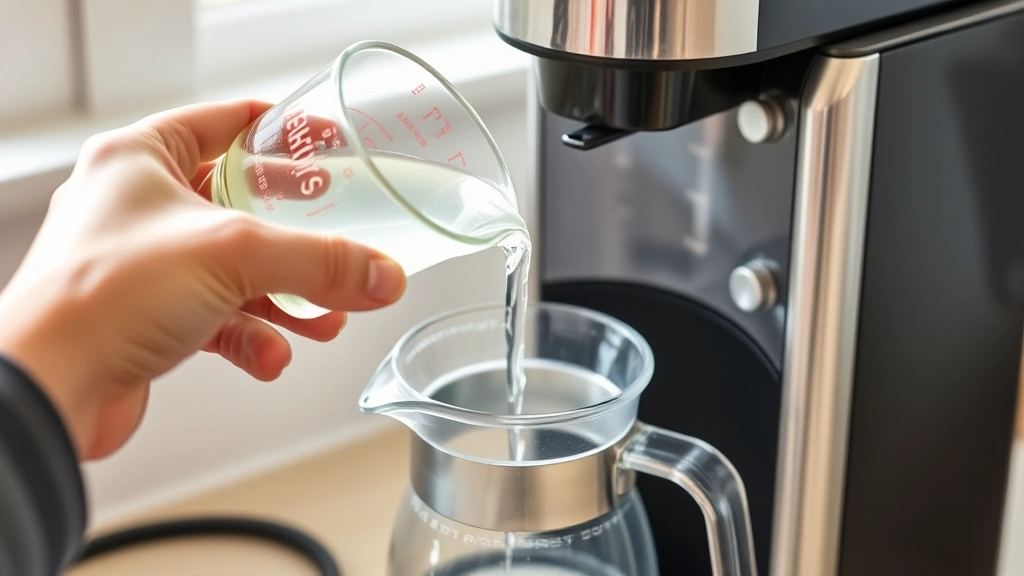
Fill the water reservoir with a 50-50 mixture of white vinegar and water. This ratio provides sufficient acetic acid concentration for effective mineral dissolution while minimizing vinegar odor in subsequent brews. Pour the solution into the reservoir until full, then place the empty carafe on the warming plate. Do NOT insert a filter or grounds—you want vinegar solution flowing through all internal passages.
Turn on your coffee maker and allow it to brew approximately half the vinegar solution through the system. This half-cycle ensures vinegar reaches the heating element where mineral deposits concentrate most heavily. After roughly 5-10 minutes, turn off the machine and let it sit for 15-20 minutes. This dwell time allows acetic acid to work on stubborn mineral deposits, softening and dissolving them chemically.
Turn the machine back on and brew the remaining vinegar solution completely. You’ll notice the carafe collecting dark, mineral-laden liquid—this is the descaling process working. Once the full reservoir has cycled through, turn off the machine and allow it to cool for 10-15 minutes.
Rinsing Phase:
The rinsing phase is absolutely critical and often overlooked. Residual vinegar affects coffee flavor significantly if not completely removed. Fill the reservoir with fresh, cold water and run a complete brew cycle with the empty carafe. Discard this water. Repeat the fresh water cycle 2-3 additional times until no vinegar smell remains in the carafe or brewing chamber.
Some users prefer filling the reservoir and running 3-4 half cycles (running the machine for 2-3 minutes, turning it off, waiting 5 minutes, then resuming) to ensure thorough rinsing of internal passages. This extended rinsing approach is particularly important if your machine had heavy mineral buildup.
Final Inspection:
After rinsing, reassemble all components and brew a full pot of fresh coffee using regular grounds and a clean filter. Discard this first pot—while safe to drink, it may retain slight vinegar notes. Your second pot should taste noticeably cleaner and brighter, with improved flavor clarity.
Cleaning Single-Serve and Espresso Makers
Single-serve brewers and espresso machines require modified approaches due to their specialized designs and, in some cases, manufacturer restrictions on cleaning methods.
Single-Serve Pod Brewer Cleaning:
Most single-serve machines include a dedicated cleaning mode designed to accommodate descaling solutions. Check your user manual for the exact procedure—some machines require entering a special menu sequence, while others activate cleaning mode by pressing specific button combinations.
Fill the water reservoir with equal parts white vinegar and water. Remove the K-cup holder or pod basket and run the cleaning cycle without inserting any pod. Allow the machine to pump vinegar solution through the system for the full cycle duration. Some machines have 30-minute cleaning cycles; others complete in 10-15 minutes.
Once the cleaning cycle finishes, empty the drip tray and carafe. Fill the reservoir with fresh water and run the standard brewing cycle multiple times (typically 3-5 cycles) to flush vinegar completely. Run these rinse cycles without inserting pods. The machine is ready for regular use once all vinegar smell is eliminated.
Manual Espresso Machine Cleaning:
Manual espresso machines tolerate vinegar cleaning but require careful technique to avoid damaging gaskets and seals. Never use the group head steam wand with vinegar solution, as the high-pressure steam can force vinegar into sensitive internal components.
Instead, prepare a vinegar-water mixture (50-50 ratio) and soak removable components—portafilter, basket, shower screen—in this solution for 20-30 minutes. Use a small brush to scrub away mineral deposits and coffee oils. Rinse thoroughly with fresh water.
For the machine’s internal group head, run water (not vinegar) through the group head for 10-15 seconds, then insert a blind basket (basket without holes) into the portafilter and run the group head again. This backflushing action helps dislodge mineral deposits without introducing vinegar into high-pressure zones. Repeat 5-6 times, then run regular water through normally for 30 seconds to clear any remaining debris.
Superautomatic Machine Caution:
Superautomatic espresso machines with integrated grinders and complex electronics often have built-in descaling programs using manufacturer-approved solutions. Consult your specific machine’s manual before using vinegar, as some brands explicitly prohibit vinegar descaling and may void warranties. Many superautomatic manufacturers sell proprietary descaling solutions designed for their machines’ internal complexity.
Maintenance Schedule and Prevention Tips
Establishing a regular maintenance schedule prevents heavy mineral buildup and keeps your coffee maker performing optimally. Cleaning frequency depends on your water’s mineral content—a factor called water hardness measured in parts per million (PPM) of dissolved minerals.
Cleaning Frequency Guidelines:
In soft water areas (0-60 PPM), clean your coffee maker with vinegar every 3-4 months. Moderate hardness water (61-120 PPM) requires cleaning every 6-8 weeks. Hard water areas (121-180 PPM) benefit from monthly vinegar cleaning, while very hard water (180+ PPM) may require cleaning every 2-3 weeks. You can test your water hardness using inexpensive test kits available at hardware stores, or contact your municipal water department for a water quality report.
Daily Maintenance Practices:
Beyond periodic vinegar cleaning, simple daily habits prevent excessive mineral accumulation. Empty the carafe and filter basket immediately after brewing—stagnant water left in the machine promotes mineral concentration and mold growth. Rinse the carafe with fresh water daily. If your machine has a removable water reservoir, empty it completely after each use rather than leaving water sitting between brewing sessions.
Use filtered water instead of tap water whenever possible. Filtering removes dissolved minerals before they enter your machine, dramatically reducing descaling frequency. Even inexpensive pitcher filters or faucet-mounted filters significantly decrease mineral content. This single habit can extend the interval between vinegar cleanings from monthly to quarterly, saving time and effort.
Water Hardness Solutions:
For users in extremely hard water areas, consider installing a whole-home water softening system or point-of-use softener dedicated to your kitchen. While initial investment ranges from $200-1500, softened water eliminates mineral-related maintenance almost entirely and improves all appliances using hard water. This represents a practical investment for heavy coffee drinkers in mineral-rich regions.
Related to whole-home maintenance, learning how to clean a chimney and other household systems ensures comprehensive home care. Similarly, understanding DIY home security and how to change your oil rounds out essential home and equipment maintenance knowledge.
Safety Considerations and Best Practices
While vinegar cleaning is generally safe, several precautions ensure optimal results and prevent damage to your equipment or health.
Ventilation and Odor Management:
Vinegar produces a strong, pungent odor during the cleaning cycle. Ensure your kitchen is well-ventilated by opening windows or running exhaust fans. The smell dissipates quickly but can be overwhelming in enclosed spaces. Never attempt vinegar cleaning in kitchens without adequate ventilation, as prolonged exposure to concentrated vinegar vapor can irritate respiratory passages, particularly for individuals with asthma or respiratory sensitivity.
Vinegar Concentration and Type:
Use only standard white distilled vinegar with 4-5% acetic acid content. Apple cider vinegar, rice vinegar, and other specialty vinegars contain additional compounds that may leave residue or flavor in your machine. Avoid vinegar concentrates (20% acetic acid) designed for weed-killing, as these are excessively strong and can damage rubber seals and internal components. The 50-50 vinegar-water ratio recommended in this guide provides optimal cleaning power without excessive aggressiveness.
Machine-Specific Warnings:
Never use vinegar in machines where manufacturers explicitly prohibit it. Certain premium or commercial-grade machines have internal components incompatible with vinegar’s acidity. Always consult your user manual’s cleaning section. If your manual recommends specific descaling solutions, follow those recommendations to preserve warranty coverage.
Avoiding Common Mistakes:
Never leave vinegar solution sitting in your coffee maker for extended periods (beyond 20-30 minutes). Prolonged contact with acetic acid can potentially damage rubber gaskets, though this is rare with standard household vinegar at recommended concentrations. Always complete the rinsing phase thoroughly—inadequate rinsing leaves vinegar taste in subsequent brews and can irritate your mouth and digestive system if consumed in significant quantities.
Don’t use vinegar to clean the external carafe or components visible to users—these require only warm soapy water and a cloth. The vinegar cleaning process targets internal passages where mineral deposits accumulate, not external surfaces.
For additional guidance on DIY maintenance projects, explore resources like our DIY Nest Hub Blog for comprehensive how-to articles covering household equipment and systems.
When approaching any cleaning project, whether coffee makers or larger home systems, prioritize safety by consulting manufacturer guidelines and testing procedures on small areas first. This methodical approach prevents costly mistakes and ensures long equipment lifespan.
FAQ
How often should I clean my coffee maker with vinegar?
Cleaning frequency depends on water hardness. Soft water areas require cleaning every 3-4 months, moderate hardness every 6-8 weeks, hard water monthly, and very hard water every 2-3 weeks. Test your water hardness using inexpensive test kits or contact your local water utility for mineral content information.
Can I use apple cider vinegar instead of white vinegar?
While technically possible, white distilled vinegar is superior for coffee maker cleaning. Apple cider vinegar contains additional compounds and sediment that may leave residue inside your machine, potentially affecting taste. Stick with standard white vinegar at 4-5% acetic acid concentration for best results.
Will my coffee taste like vinegar after cleaning?
Only if you skip the rinsing phase. Thorough rinsing with 3-5 cycles of fresh water removes all vinegar solution. If your coffee tastes slightly vinegary, run additional water cycles until the smell completely disappears from your machine.
Is vinegar safe for all coffee maker types?
Vinegar works for most standard drip, single-serve, and manual espresso machines. However, some premium or superautomatic machines prohibit vinegar use in their manuals. Always consult your equipment’s user guide before cleaning, as using unapproved methods may void warranties.
Can vinegar damage my coffee maker’s rubber seals?
Standard household vinegar at 50-50 concentration with water is safe for rubber seals and gaskets. Vinegar concentrates (20%+ acidity) or prolonged soaking (beyond 30 minutes) could potentially damage seals, but normal cleaning procedures pose no risk. Avoid leaving vinegar solution sitting longer than recommended.
What should I do if my coffee maker has heavy mineral buildup?
For machines with significant buildup, run the vinegar cycle twice, allowing 20-30 minutes dwell time between cycles. After the second vinegar cycle, complete the full rinsing phase with 5-6 fresh water cycles. Severely calcified machines may benefit from extended vinegar soaking (remove any removable components and soak them in vinegar solution for 1-2 hours) before running the machine cycle.
Is vinegar cleaning more effective than commercial descalers?
Vinegar and commercial descalers achieve comparable descaling effectiveness. The primary advantages of vinegar are cost (typically $2-4 versus $8-15 for commercial products) and safety (non-toxic, biodegradable). Commercial descalers may work slightly faster in some cases, but vinegar’s thorough mineral removal equals commercial products over the standard cleaning cycle.


