
How to Clean a Sleeping Bag: Expert Tips Inside
A quality sleeping bag is an investment in comfort and warmth during outdoor adventures, camping trips, and backpacking expeditions. However, many outdoor enthusiasts neglect proper sleeping bag maintenance, which can significantly reduce its lifespan and insulating effectiveness. Regular cleaning removes dirt, body oils, sweat, and environmental debris that accumulate over time and compromise the bag’s performance. Understanding the correct cleaning methods ensures your sleeping bag remains functional, hygienic, and ready for your next adventure.
Cleaning a sleeping bag requires careful attention to detail because improper techniques can damage the fabric, compromise the insulation, or affect water-resistant coatings. Whether you have a down-filled bag or synthetic insulation, the approach differs slightly, but the fundamental principles remain consistent. This comprehensive guide walks you through every step of the cleaning process, from pre-cleaning inspection to proper drying techniques that preserve your sleeping bag’s integrity and warmth rating.

Understanding Your Sleeping Bag Material
Before you begin any cleaning process, identifying your sleeping bag’s construction is essential. Sleeping bags typically feature two primary insulation types: down and synthetic. Down-filled sleeping bags use natural goose or duck down, which provides exceptional warmth-to-weight ratio and compressibility. However, down is more delicate and requires gentler cleaning methods to maintain its lofting ability. Synthetic insulations like polyester and acrylic are more durable, water-resistant, and easier to clean, making them ideal for beginners or frequent users.
The outer shell and inner lining materials also matter significantly. Most sleeping bags feature nylon or polyester shells with varying water-resistant treatments. Check your bag’s care label or manufacturer documentation to identify specific material composition and recommended cleaning methods. Understanding these details prevents damage and ensures you select appropriate detergents and water temperatures. Many manufacturers provide detailed care instructions that supersede general guidelines, so reviewing your bag’s documentation before cleaning is crucial.
The insulation type directly influences cleaning frequency and methodology. Down bags need less frequent washing but require more careful handling, while synthetic bags tolerate more aggressive cleaning. Additionally, some bags have permanent water-resistant coatings that can be compromised by harsh detergents or high temperatures. Taking time to understand your specific sleeping bag’s construction ensures effective cleaning without unintended damage.
Pre-Cleaning Inspection and Preparation
Proper preparation significantly impacts cleaning success and prevents potential damage. Start by thoroughly inspecting your sleeping bag for existing damage, including small tears, loose seams, or compromised zippers. Cleaning wet materials inside damaged areas can accelerate mold growth or allow water to penetrate insulation layers. If you notice damage, consider professional repair services before cleaning.
Next, remove all loose debris by gently shaking your sleeping bag outdoors or using a soft brush to dislodge dirt, dust, and leaves from the exterior. Pay special attention to seams, zippers, and interior crevices where debris accumulates. For heavily soiled bags, a vacuum cleaner with an upholstery attachment can effectively remove surface dirt without damaging fabric. This preliminary step reduces the cleaning load and prevents dirt from spreading during washing.
Check all zippers for smooth operation and clean them with a soft brush if necessary. Zippers are common problem areas, and water entering during cleaning can cause corrosion or malfunction. If your bag has a detachable hood or collar, remove these components before washing if the manufacturer permits. Some bags feature removable liners that can be washed separately, significantly reducing overall cleaning time and risk. Always refer to care labels for specific removal instructions and warnings.
Machine Washing Your Sleeping Bag
Machine washing is the quickest method for synthetic sleeping bags and moderately soiled down bags. However, standard washing machines can damage sleeping bags due to agitation and high spin cycles. Front-loading machines are significantly safer than top-loaders because they use gentler tumbling action rather than aggressive agitation. If possible, use commercial-grade machines at laundromats, which are larger and distribute stress more evenly across the fabric.
Select a gentle or delicate cycle with cold water, as hot water can damage insulation and compromise water-resistant coatings. Use a specialized down or technical fabric detergent rather than standard laundry soap. Regular detergents contain additives that strip natural oils from down or leave residue on synthetic insulations, reducing breathability and warmth. Specialized outdoor gear detergents are formulated specifically to clean technical fabrics while preserving performance characteristics.
Add approximately one-quarter to one-half the recommended detergent amount, as sleeping bags require less soap than regular clothing. Excess detergent leaves residue that reduces insulation effectiveness and creates stiff, uncomfortable fabric. For heavily soiled bags, run a rinse cycle after the wash cycle to ensure all detergent residue is removed. Never use fabric softeners or bleach, which damage insulation and compromise water-resistant treatments.
If your machine has a gentle spin cycle, use it to remove excess water without wringing or twisting the bag. However, some experts recommend skipping the spin cycle entirely and allowing the bag to drain naturally. When removing the sleeping bag from the machine, support it carefully to prevent stress on seams and insulation distribution.
Hand Washing Method for Delicate Bags
Hand washing is the safest method for premium down bags, vintage sleeping bags, or bags with delicate constructions. Fill a large bathtub or basin with cold water and add the recommended amount of specialized technical fabric detergent. Submerge the sleeping bag gently, allowing water to penetrate all layers without forcing or wringing. Let the bag soak for 10-15 minutes, allowing the detergent to break down oils and dirt naturally.
Once soaked, gently agitate the water around the bag with your hands, paying special attention to heavily soiled areas like the foot box and shoulder region. Use a soft brush or sponge to gently scrub persistent stains without aggressive pressure. Never wring, twist, or compress the sleeping bag forcefully, as this damages insulation lofting and can cause down migration. Work methodically through the entire bag, ensuring all areas receive gentle cleaning attention.
Drain the soapy water and refill the basin with clean cold water. Submerge the bag again and gently agitate to rinse away detergent. Repeat this rinsing process 3-4 times until the water remains clear and no soap residue appears. Thorough rinsing is critical because detergent residue reduces insulation performance and creates uncomfortable stiffness. After final rinsing, carefully lift the bag from the water and allow excess water to drain naturally.
Spot Cleaning and Stain Removal
For minor stains or localized dirt, spot cleaning between full washes extends your sleeping bag’s lifespan and reduces unnecessary cleaning stress. Create a solution of cold water and specialized technical fabric detergent, using a ratio of approximately 10 parts water to 1 part detergent. Dampen a soft cloth or sponge with this solution and gently dab the stained area, working from the outside edges toward the center to prevent spreading.
For stubborn stains, allow the cleaning solution to sit on the affected area for 5-10 minutes before gently scrubbing with a soft brush. Avoid harsh scrubbing that damages fabric or pushes dirt deeper into insulation layers. Once the stain is removed, rinse the area thoroughly with clean, cold water using a separate damp cloth. Repeat rinsing until no soap residue remains. Pat the area dry with a clean towel and allow the bag to air dry completely before storage.
Common stains like grass, mud, or food residue often respond well to spot cleaning. However, for oil-based stains or persistent marks, full washing may be necessary. Never apply heat to stains, as this can set them permanently. If you’re unsure whether a stain will respond to water-based cleaning, test your solution on an inconspicuous area first to ensure it won’t damage the fabric or create discoloration.
Drying and Storage Best Practices
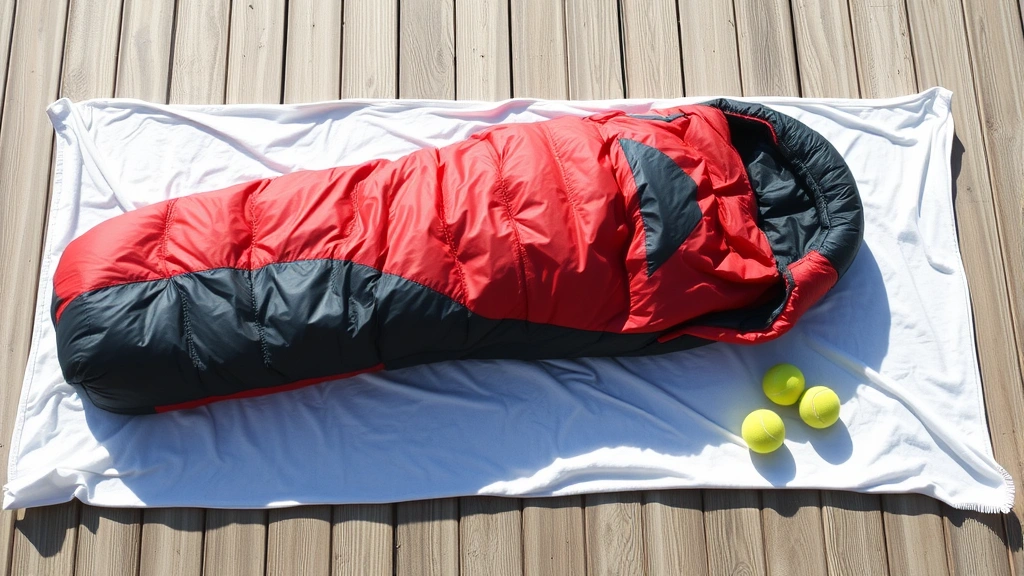
Proper drying is absolutely critical and often determines whether your sleeping bag maintains its insulating properties. After washing, resist the urge to wring or squeeze excess water from the bag. Instead, lay the sleeping bag flat on a clean, dry surface or hang it loosely in a well-ventilated area. Many experts recommend laying the bag flat on a clean sheet or towel, allowing gravity to drain water naturally. This process takes significantly longer than machine drying but prevents damage to insulation and seams.
If you use a dryer, set it to the lowest heat setting and include several clean tennis balls or dryer balls to gently agitate the bag and restore loft. Run multiple short cycles (15-20 minutes each) rather than one long cycle, checking progress frequently. The tennis balls help separate clumped insulation and distribute heat evenly. Never use high heat, which can melt synthetic fabrics or damage down feather structures. Some experts prefer air drying exclusively, especially for down bags, even though it requires more patience.
Complete drying takes 24-48 hours or longer, depending on humidity levels and bag thickness. The sleeping bag should feel completely dry before storage, as any residual moisture encourages mold and mildew growth. If possible, dry the bag in sunlight, which provides natural antimicrobial benefits and helps restore loft. Once completely dry, store your sleeping bag loosely in a breathable storage bag or hang it on a hook. Never compress sleeping bags in tight stuff sacks for extended periods, as this permanently damages insulation loft and reduces warmth rating.
Maintenance Tips Between Cleanings
Regular maintenance extends the time between full cleanings and preserves your sleeping bag’s performance. Use a sleeping bag liner, which creates a barrier between your body and the bag’s interior. Liners are inexpensive, easy to wash, and significantly reduce how often you need to clean the main bag. Wash liners after every few uses or whenever they become visibly soiled. This simple practice dramatically extends your sleeping bag’s lifespan.
Air out your sleeping bag regularly after camping trips, even if you don’t plan to wash it immediately. Hang the bag in sunlight and fresh air to remove odors, moisture, and surface contaminants. This practice is similar to maintaining other outdoor equipment through regular exposure to fresh conditions. Quarterly airing prevents musty smells and reduces the accumulation of body oils and sweat.
Store your sleeping bag in a cool, dry location away from direct sunlight, which can degrade fabrics and water-resistant coatings over time. Avoid storing the bag in compression stuff sacks for more than a few weeks, as this permanently damages insulation. Instead, use breathable mesh storage bags that allow air circulation. Check your bag periodically for signs of mold, mildew, or pest damage, addressing any issues immediately.
For bags used frequently during camping season, plan one full cleaning at the beginning of the season and another at the end. This schedule maintains cleanliness without excessive washing that can compromise materials. Between seasonal cleanings, spot-clean stains and use liners to minimize soiling. If you notice persistent odors despite regular airing, a full wash is warranted to remove accumulated bacteria and sweat residue.
Consider the manufacturer’s specific recommendations for your sleeping bag model, as some premium bags have unique care requirements. Many manufacturers offer detailed care videos or guides that provide visual instruction for their specific designs. Consulting these resources ensures you’re following the most accurate guidance for your particular bag’s construction and materials.
FAQ
How often should I wash my sleeping bag?
Wash your sleeping bag once or twice per year, depending on usage frequency and soiling level. Light users might only need annual washing, while frequent campers should wash twice yearly. Use a sleeping bag liner to minimize soiling and extend intervals between full cleanings. Spot-clean stains as they appear rather than waiting for full washes.
Can I use regular laundry detergent on my sleeping bag?
No, regular laundry detergent contains additives and surfactants that damage insulation and compromise water-resistant coatings. Always use specialized technical fabric or down-specific detergents formulated for outdoor gear. These products clean effectively without leaving harmful residue or stripping essential properties from your sleeping bag.
Is it safe to machine wash down sleeping bags?
Machine washing is acceptable for down bags if you use a front-loading machine on a gentle cycle with cold water and specialized detergent. However, hand washing is safer and preferred by many experts, especially for premium down bags. If machine washing, support the bag carefully when removing it from the machine to prevent stress on seams and insulation.
What’s the best way to dry a sleeping bag after washing?
Air drying is the safest method. Lay the bag flat on a clean surface in a well-ventilated area or hang it loosely. If using a dryer, set it to low heat and include tennis balls to restore loft. Complete drying takes 24-48 hours or longer. Never use high heat, and ensure the bag is completely dry before storage to prevent mold growth.
Can I use fabric softener on my sleeping bag?
No, fabric softeners damage insulation and reduce breathability and warmth rating. Never use bleach, fabric softeners, or other laundry additives on sleeping bags. Stick exclusively to specialized technical fabric detergents designed for outdoor gear to ensure safety and effectiveness.
Why does my sleeping bag smell bad after washing?
Persistent odors often indicate incomplete rinsing or residual detergent. Ensure you’ve completed at least 3-4 thorough rinse cycles after washing. If odors persist after drying, the bag may not be completely dry, encouraging bacterial growth. Air the bag in sunlight for several hours to eliminate remaining odors naturally.
Should I compress my sleeping bag for storage?
Never compress sleeping bags in tight stuff sacks for extended storage periods. Compression permanently damages insulation loft and reduces warmth rating. Store bags loosely in breathable mesh bags or hang them on hooks. Only compress bags immediately before use when packing for trips.
How do I remove mold or mildew from my sleeping bag?
If mold develops, air the bag in direct sunlight for several hours, which provides natural antimicrobial effects. For persistent mold, wash the bag using the hand-washing method with specialized detergent, then dry completely in sunlight. If mold penetration is extensive, professional cleaning services may be necessary to prevent permanent damage.


