How to Clean a Whirlpool Tub: Expert Tips & Tricks
Whirlpool tubs offer a luxurious spa experience right in your home, but maintaining them requires specialized knowledge and proper technique. Unlike standard bathtubs, whirlpool tubs feature complex jet systems, pipes, and internal plumbing that can accumulate bacteria, mold, and mineral deposits if not cleaned correctly. Understanding how to clean a whirlpool tub properly ensures your investment remains hygienic, functional, and beautiful for years to come.
Whether you’ve recently installed a whirlpool tub or you’ve owned one for years, neglecting its maintenance can lead to clogged jets, unpleasant odors, and costly repairs. This comprehensive guide walks you through every aspect of whirlpool tub cleaning, from daily maintenance routines to deep-cleaning methods that eliminate stubborn buildup. By following these expert tips and tricks, you’ll keep your tub in pristine condition while maximizing the therapeutic benefits of your hydrotherapy system.
Understanding Your Whirlpool Tub System
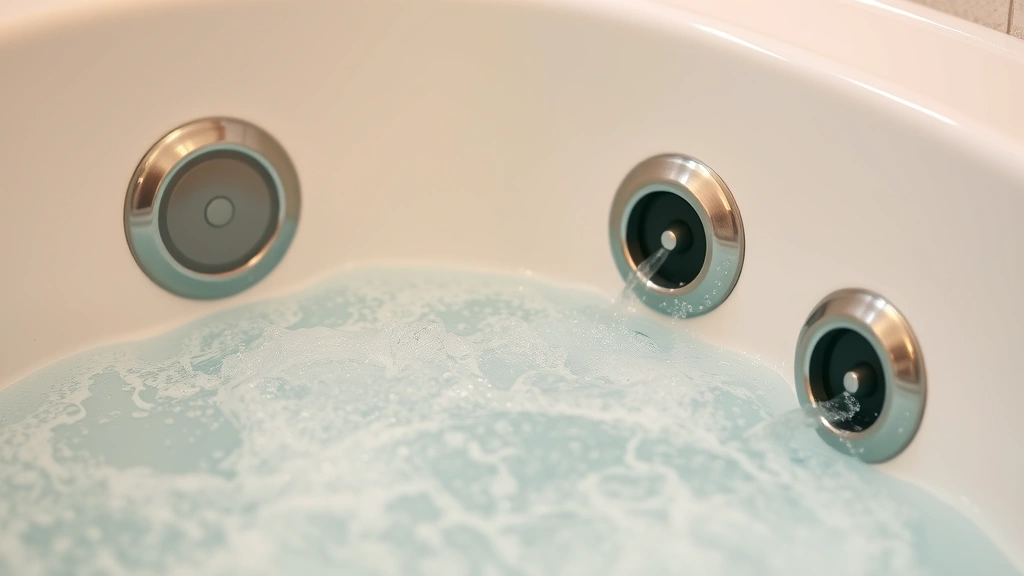
Before diving into cleaning methods, it’s essential to understand how your whirlpool tub operates. A whirlpool tub contains several key components: the basin (the visible tub), the jet system (typically 4-12 jets positioned around the tub), internal plumbing lines, a pump motor, and control mechanisms. Water circulates through these jets via a network of pipes, creating the massaging action that makes whirlpool tubs so therapeutic.
The complexity of this system means that debris, soap residue, and mineral deposits can accumulate in places you can’t see. When water stagnates in these hidden areas, bacteria and mold thrive, potentially creating health hazards. This is why cleaning a whirlpool tub differs significantly from cleaning a standard bathtub—you must address both visible surfaces and internal components.
Most modern whirlpool tubs come with manufacturer guidelines that specify recommended cleaning products and frequencies. Consult your tub’s documentation before using any cleaning solutions, as some chemicals can damage internal seals or the pump system. Many manufacturers recommend using Whirlpool-approved cleaning products to maintain warranties and ensure safety.
Daily and Weekly Maintenance Routines
Establishing consistent maintenance habits prevents major cleaning challenges down the road. After each use, drain your whirlpool tub completely and wipe down the interior surfaces with a soft cloth or sponge. This simple step removes soap scum, body oils, and other residues before they have time to harden or accumulate.
For weekly maintenance, fill your tub with hot water and add a commercial whirlpool tub cleaner or a mild solution of white vinegar and water (one part vinegar to three parts water). Run the jets for 15-20 minutes to circulate the cleaning solution through the internal pipes and jets. This flushes out debris and prevents bacterial growth in the hidden plumbing lines. After running the jets, drain completely and rinse thoroughly with fresh water to remove any cleaning solution residue.
Never use abrasive scrubbers or harsh chemicals during regular cleaning, as these can scratch the tub’s surface or damage internal components. Stick with soft cloths, non-abrasive sponges, and pH-neutral cleaners. If you’re looking for general guidance on cleaning techniques, our DIY carpet cleaning step-by-step guide demonstrates methodical approaches applicable to various surfaces.
- After each use: Drain completely and wipe surfaces dry
- Weekly: Run cleaning solution through jets for 15-20 minutes
- Monthly: Perform a deep jet cleaning with specialized products
- Quarterly: Address mineral deposits and hard water staining
Deep Cleaning the Jet System
Monthly deep cleaning keeps your jet system functioning optimally and prevents bacterial contamination. For this process, you’ll need a commercial whirlpool jet cleaner (available at most home improvement stores) or a specialized enzymatic cleaner designed for hot tub and spa systems. These products contain ingredients that break down biofilm, soap residue, and other organic matter that accumulates inside jets.
Fill your tub with hot water (around 104°F or 40°C is ideal) and add the recommended amount of jet cleaner according to product instructions. Run the jets on high for 30-45 minutes to allow the cleaning solution to penetrate deep into the system. This extended runtime helps dislodge stubborn buildup from jet nozzles and internal piping.
After the initial cleaning cycle, drain the tub completely. Refill with hot water only (no cleaning solution) and run the jets for another 15-20 minutes to rinse away all residual cleaner. Drain again and inspect the water—if it appears cloudy or discolored, repeat the rinse cycle until the water runs clear. This thorough rinsing prevents chemical residues from affecting water quality during your next use.
For tubs with removable jet covers, you can enhance cleaning by removing these covers and soaking them in a solution of white vinegar and warm water for 30 minutes. Use an old toothbrush to gently scrub away any visible deposits, then rinse thoroughly before reinstalling. This targeted approach addresses jet nozzles that may harbor stubborn debris.
Removing Mineral Deposits and Buildup
Hard water creates mineral deposits that accumulate on jet nozzles, internal pipes, and the tub surface. These deposits reduce jet pressure, diminish water circulation, and create an unsightly appearance. White vinegar is an excellent natural solution for dissolving mineral buildup without harsh chemicals that might damage your tub’s finish.
For moderate mineral deposits, fill your tub with hot water and add two cups of white vinegar. Run the jets for 30 minutes, then drain and rinse thoroughly. For stubborn deposits, you can increase the vinegar concentration or let the solution sit for several hours before running the jets. The acetic acid in vinegar dissolves calcium and magnesium deposits effectively.
If mineral buildup is severe, commercial descaling products designed for hot tubs provide stronger cleaning power. Always follow manufacturer instructions carefully and ensure adequate ventilation while using chemical descalers. After using any descaling product, run multiple rinse cycles with fresh water to eliminate all chemical residues.
To prevent future mineral accumulation, consider installing a water softener if you have particularly hard water. Regular weekly maintenance also prevents deposits from becoming problematic. If you’re interested in comprehensive home improvement strategies, explore our DIY home security comprehensive guide for systematic approaches to home maintenance.
Addressing Mold and Mildew Issues
Mold and mildew thrive in warm, moist environments—exactly what a whirlpool tub provides. These fungi don’t just create unsightly stains; they pose genuine health risks, especially for individuals with respiratory issues or compromised immune systems. Addressing mold and mildew requires both immediate treatment and preventative measures.
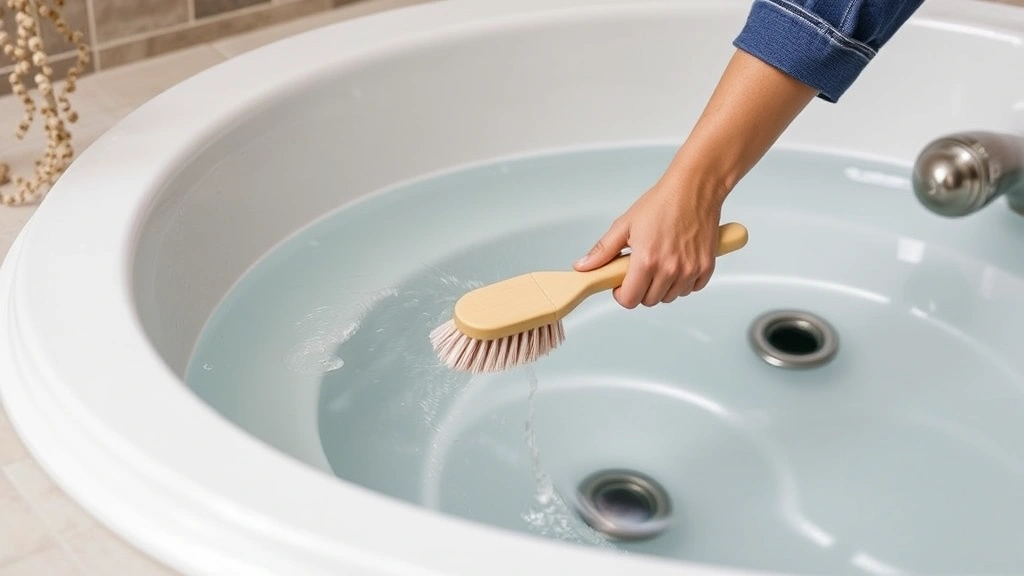
If you notice black or green spots around jet nozzles or on the tub surface, act quickly. Mix a solution of one part bleach to ten parts water and apply it to affected areas using a soft brush. Allow the solution to sit for 10 minutes, then scrub gently and rinse thoroughly. For internal mold growth in pipes, run a bleach solution through the jets (following the same dilution ratio) for 20 minutes, then drain and rinse extensively.
Prevention is more effective than treatment. After each use, ensure your tub is completely dry. Leave the cover off for several hours to allow air circulation, or use a dehumidifier in the bathroom to reduce moisture. Never leave standing water in your tub between uses, as this creates ideal conditions for mold proliferation. If your tub will sit unused for extended periods, drain it completely and leave the cover off to allow air circulation.
According to CDC guidelines on water-related infections, maintaining proper sanitation in recreational water systems prevents serious health issues. Regular cleaning and proper drainage are your best defenses against dangerous microbial growth.
Cleaning External Surfaces and Controls
While internal cleaning is crucial, don’t neglect the visible surfaces of your whirlpool tub. The exterior basin, rim, and surrounding surfaces accumulate soap scum, hard water deposits, and general grime. Use a non-abrasive bathroom cleaner and a soft cloth to wipe these surfaces weekly. For stubborn soap scum, apply the cleaner and let it sit for 5-10 minutes before wiping.
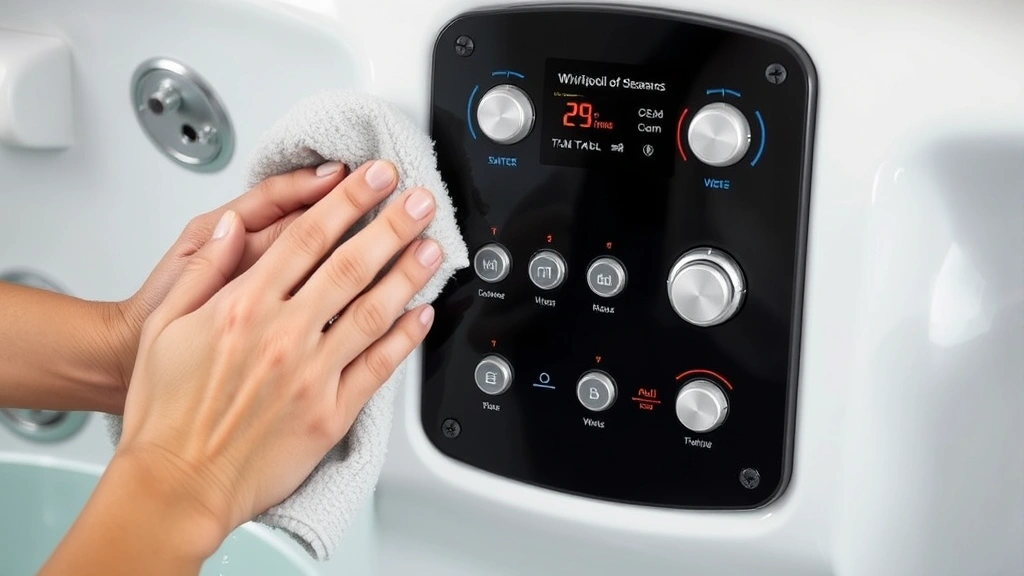
Control panels and jet buttons require special attention since they’re frequently touched and can harbor bacteria. Dampen a microfiber cloth with a 50/50 solution of white vinegar and water, then wipe all control surfaces carefully. Avoid spraying liquid directly on electronics; instead, apply the solution to the cloth first. Dry immediately with a separate clean cloth to prevent water damage.
For acrylic tubs, avoid products containing acetone or harsh solvents that can cloud or damage the finish. Stick with pH-neutral cleaners specifically designed for acrylic surfaces. If your tub has a stone or tile surround, use appropriate cleaners for those materials—grout requires different treatment than acrylic, and using the wrong product can cause permanent damage.
Professional Maintenance and When to Call Experts
While regular DIY maintenance keeps most whirlpool tubs in excellent condition, certain situations warrant professional service. If you notice reduced jet pressure despite thorough cleaning, it may indicate internal pipe blockages that require specialized equipment to clear. Professional technicians have access to industrial-strength cleaning solutions and high-pressure systems that can reach areas standard home cleaning cannot.
Strange odors emanating from your tub despite regular cleaning suggest biofilm accumulation deep within the plumbing system. This requires professional biofilm removal treatments that go beyond standard cleaning solutions. Similarly, if jets don’t operate evenly or some jets produce significantly less pressure than others, internal damage or blockages may be present.
Leaks, unusual noises from the pump, or electrical issues definitely require professional attention. Attempting to repair internal plumbing or electrical components yourself risks voiding your warranty and creating safety hazards. Licensed plumbers and hot tub specialists possess the expertise and tools to diagnose and repair these complex systems properly.
For those interested in broader home maintenance topics, our DIY Nests Hub blog offers extensive resources on various home improvement projects. Additionally, the International Association of Plumbing and Mechanical Officials (IAPMO) provides resources on plumbing standards that apply to whirlpool tub installation and maintenance.
Establish a relationship with a qualified hot tub or spa technician who can perform annual professional inspections. They’ll identify potential issues before they become expensive problems and ensure your system complies with current safety standards. Many manufacturers recommend professional servicing every 12-24 months, depending on usage frequency.
FAQ
How often should I clean my whirlpool tub?
Weekly maintenance is essential—run cleaning solution through jets for 15-20 minutes weekly. Monthly deep cleaning with specialized jet cleaners prevents bacterial buildup. Daily drainage and surface wiping after each use maintains overall cleanliness. Adjust frequency based on usage; heavily used tubs may need more frequent attention.
Can I use regular bathroom cleaners in my whirlpool tub?
Avoid standard bathroom cleaners for internal jet cleaning, as they may contain ingredients that damage seals or the pump system. Use only products specifically designed for whirlpool tubs or mild solutions like vinegar and water. Always check your manufacturer’s recommendations before using any cleaning product, as using unapproved cleaners may void your warranty.
What’s the best way to remove stubborn jet nozzle clogs?
Run a commercial jet cleaner through the system for extended periods (30-45 minutes) to dissolve organic buildup. For physical debris, remove jet covers if possible and soak them in vinegar solution, then use an old toothbrush to gently clean nozzles. If clogs persist, professional service with high-pressure cleaning equipment may be necessary.
Is it safe to use bleach in my whirlpool tub?
Diluted bleach (1 part bleach to 10 parts water) can address mold and mildew but should be used sparingly and only on external surfaces or during emergency sanitation. Never use bleach in internal jet cleaning unless absolutely necessary for mold remediation. Always rinse extensively after bleach exposure and ensure adequate ventilation.
Why does my tub smell even after cleaning?
Persistent odors indicate biofilm accumulation in pipes that regular cleaning cannot reach. Try extended jet cleaning cycles with specialized enzymatic cleaners. If odors continue, professional biofilm removal treatment is necessary. Ensure your tub drains completely after each use and remains dry between uses to prevent odor-causing bacterial growth.
How do I maintain my whirlpool tub during winter or extended non-use?
Drain your tub completely and leave the cover off to allow air circulation. If you live in freezing climates, consult your manufacturer about winterization procedures to prevent pipe damage. Before returning to regular use after extended downtime, run several complete cleaning cycles with fresh water to flush out any accumulated debris or stale water.


