How to Clean a White Hat at Home: Expert Laundry Tips
White hats are versatile wardrobe staples that require proper care to maintain their bright appearance and structural integrity. Whether you own a baseball cap, fedora, or wide-brimmed sun hat, cleaning techniques vary based on material composition and construction. This comprehensive guide walks you through proven methods used by professional cleaners and laundry experts to restore your white hats to like-new condition without causing damage.
Proper hat cleaning starts with understanding your specific hat’s material—cotton, wool, linen, or synthetic blends all respond differently to cleaning solutions and water temperatures. Ignoring manufacturer guidelines or using aggressive scrubbing can lead to fading, shrinkage, or permanent shape distortion. By following these expert-approved strategies, you’ll extend your hat’s lifespan while keeping it pristine white and fresh-smelling.
Understanding Your Hat Material
Before you start cleaning, identify your hat’s primary material composition. Cotton hats are durable and can typically withstand more aggressive cleaning, while wool felt hats require gentler handling to prevent matting and shape loss. Linen blends offer breathability but may wrinkle easily during washing. Synthetic materials like polyester or acrylic often resist staining but can melt under high heat.
Check the care label sewn into your hat’s interior band—manufacturers provide specific instructions based on construction methods and material blends. Some hats feature leather sweatbands, plastic visors, or decorative elements that need individual consideration. Understanding these components prevents costly damage during cleaning. If your hat lacks a care label, research the manufacturer’s website or contact them directly before proceeding with any cleaning method.
Material composition directly impacts which cleaning agents you can safely use. AATCC (American Association of Textile Chemists and Colorists) provides standardized testing methods for textile care, helping manufacturers determine appropriate cleaning instructions. Following these professional standards ensures your hat cleaning results in the best possible outcome.
Different hat styles also present unique challenges. Baseball caps have structured bills requiring special attention, while beanies and bucket hats offer more flexibility. Fedoras and wide-brimmed styles depend heavily on maintaining their shape, making drying methods critical to success.
Pre-Cleaning Inspection and Preparation
Inspect your white hat thoroughly before washing. Identify any visible stains, discolored areas, or odors that require targeted treatment. Use a soft-bristled brush or lint roller to remove surface dust, lint, and debris—this preliminary step prevents dirt from becoming embedded during washing. Pay special attention to the sweatband area, which accumulates body oils, sweat residue, and bacteria that cause yellowing.
Check for loose threads, decorative elements, or embellishments that might come off during washing. Some hats feature removable sweatbands or inserts that should be cleaned separately. Test colored trim or decorative dyes by applying a damp cloth to ensure colors won’t bleed onto the white material. If bleeding occurs, avoid submerging the hat completely and use spot-cleaning methods instead.
Prepare your cleaning workspace by gathering necessary supplies: mild detergent, soft brushes, clean towels, and a basin or sink. Having everything ready prevents rushing and reduces the chance of accidental damage. Fill your basin with cool water—hot water can cause yellowing in white fabrics and may shrink certain materials. The FTC Care Labeling Rule requires manufacturers to provide safe care instructions; following these guidelines protects your investment.
Consider whether your hat needs immediate full cleaning or spot treatment. Light soiling might only require targeted stain removal rather than complete washing. This approach preserves the hat’s condition better than frequent full cleanings and extends the time between washes.
Hand Washing Method for White Hats
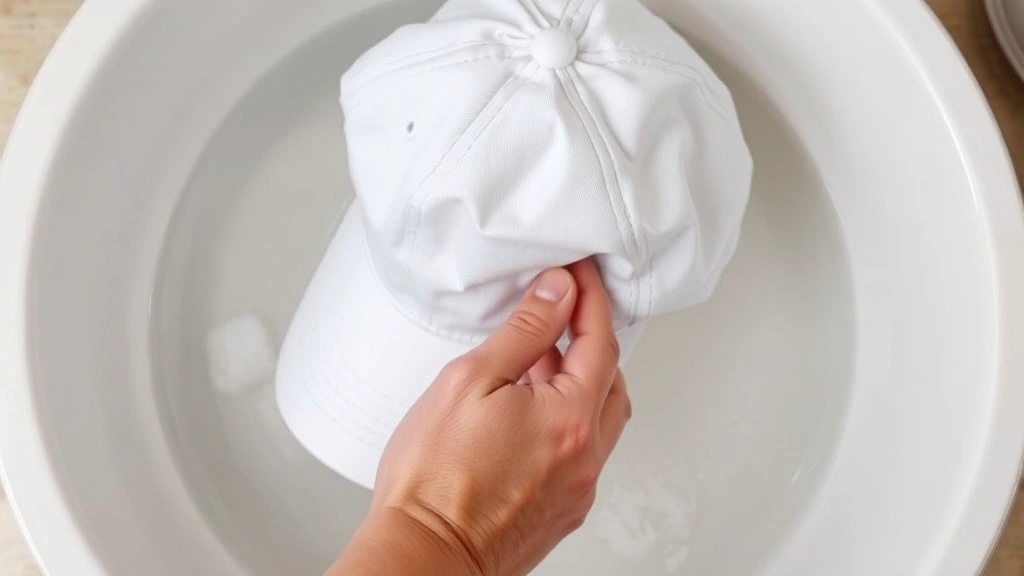
Hand washing remains the safest cleaning method for most white hats, particularly those made from delicate materials or featuring special construction. Fill a clean basin with cool water and add a small amount of mild detergent—use approximately one-quarter teaspoon for a standard sink basin. Stir gently to distribute the soap evenly throughout the water.
Submerge your white hat completely and let it soak for 10-15 minutes. This soaking period allows water and detergent to penetrate fibers and loosen embedded dirt without aggressive scrubbing. After soaking, gently agitate the hat by hand, focusing on heavily soiled areas like the sweatband. Use a soft brush with gentle circular motions rather than harsh scrubbing, which can damage fibers and cause pilling.
For stubborn stains, create a paste using mild detergent and a small amount of water. Apply this paste directly to the affected area and let it sit for 5-10 minutes before gently working it in with a soft brush. Avoid bleach unless your hat’s care label specifically permits it, as bleach can cause yellowing or weakening of fibers over time. Consumer Reports testing has shown that oxygen-based cleaners work effectively on white fabrics while being gentler than chlorine bleach.
Rinse thoroughly with cool running water until all soap residue disappears. Soap remaining in the fabric causes yellowing and stiffness. Rinse multiple times, gently squeezing water through the material—never wring or twist, as this distorts the hat’s shape. Continue rinsing until water runs completely clear.
After rinsing, gently press excess water out using a clean, absorbent towel. Pat the hat rather than rubbing, which can damage surface fibers. The goal is moisture removal without compression that affects shape. Many cleaning experts recommend this hand-washing approach as the gold standard for maintaining hat quality.
Machine Washing Considerations
Machine washing white hats is possible but carries greater risks than hand washing. Only attempt machine washing if the care label explicitly permits it and your hat is made from sturdy material like heavy cotton. Use a mesh laundry bag to protect the hat during the wash cycle—this containment prevents structural damage and reduces friction with other garments.
Select the delicate or hand-wash cycle with cold water and mild detergent. Never use hot water or heavy-duty cycles, which can cause shrinkage, shape distortion, and color changes. Avoid fabric softeners and bleach, which can weaken fibers and cause yellowing. Spin cycles can be particularly damaging to hat structure, so consider selecting a cycle without spinning or removing the hat before the spin phase begins.
Machine washing works best for everyday cleaning essentials when hand washing feels impractical for heavily soiled hats. However, for best results and maximum hat lifespan, hand washing provides superior outcomes with minimal risk. The extra time invested in hand washing pays dividends through extended hat durability.
If your hat has a structured bill, avoid machine washing entirely, as the agitation can permanently bend or crease the bill in unnatural ways. Structured bills require hand-washing methods to maintain their original shape and appearance.
Stain Removal Techniques
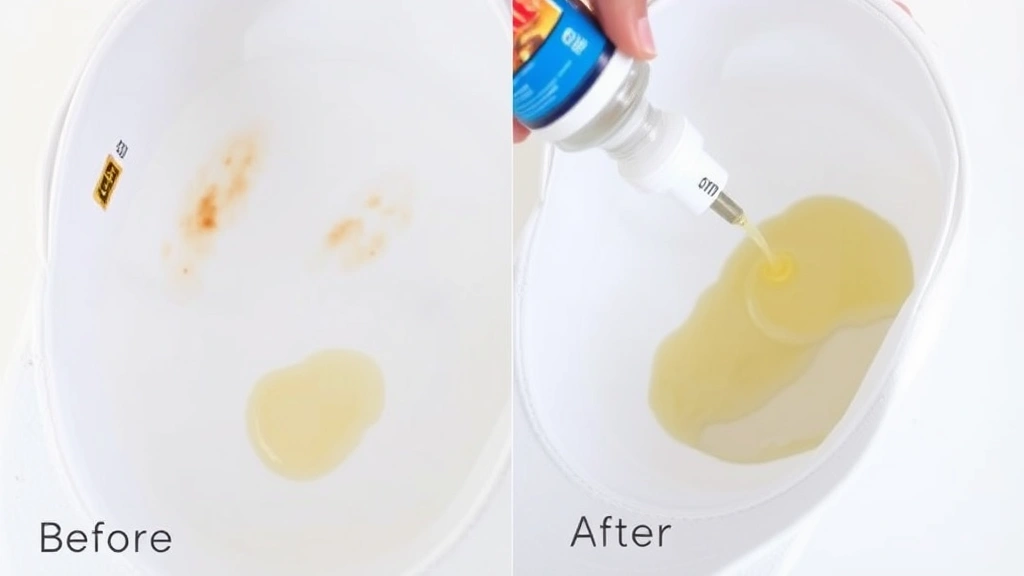
Different stains require different treatment approaches. Sweat and body oil stains respond well to a mixture of equal parts white vinegar and water applied with a soft brush. The acidity in vinegar breaks down oils without damaging white fabrics. Apply the solution, let it sit for 5-10 minutes, then rinse thoroughly with cool water. This method works particularly well on sweatbands where yellowing typically occurs.
For food and beverage stains, act quickly by blotting excess liquid with a clean cloth. Mix a small amount of mild detergent with cool water to create a cleaning solution, then apply it to the stain using a soft brush with gentle circular motions. Avoid rubbing aggressively, which can spread the stain deeper into fibers. Rinse thoroughly and allow to air dry to assess whether the stain has been completely removed.
Grass or dirt stains should be allowed to dry completely before cleaning. Dried stains often brush away more easily than wet ones. Once dry, use a soft brush to remove loose particles, then treat any remaining discoloration with your standard hand-washing method. Attempting to clean wet dirt stains often drives them deeper into the fabric.
Ink or pen marks require immediate attention before they set permanently. Blot gently with cool water—never rub. If water alone doesn’t work, try a small amount of rubbing alcohol applied with a cotton ball, testing first on an inconspicuous area. Work from the outside of the stain toward the center to prevent spreading.
For mildew or mold spots, which sometimes develop on hats stored in damp conditions, mix equal parts white vinegar and water. Apply this solution and allow it to sit for 15-20 minutes before rinsing thoroughly. If the odor persists after cleaning, place your hat in direct sunlight for several hours—UV rays naturally eliminate odor-causing bacteria and help prevent yellowing when used occasionally for this purpose.
Always test any cleaning solution on an inconspicuous area first, particularly for hats with colored trim or delicate materials. This precaution prevents accidental damage or discoloration before treating visible stains.
Drying and Reshaping
Proper drying is crucial for maintaining your white hat’s shape and appearance. Never use a clothes dryer, as high heat causes shrinkage, yellowing, and permanent shape distortion. Instead, gently squeeze excess water from your clean hat using a clean, absorbent towel. Pat rather than wring to avoid damaging fibers and changing the hat’s shape.
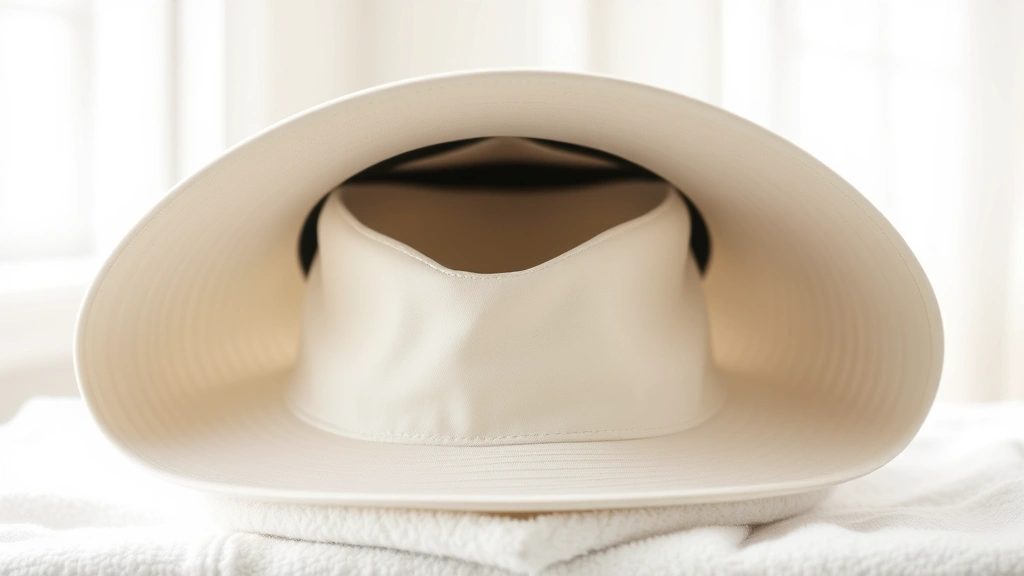
Place your damp hat on a clean, dry towel in a well-ventilated area away from direct sunlight and heat sources. For baseball caps and structured hats, place them on a hat form or stuff them loosely with acid-free tissue paper to maintain their original shape while drying. This technique prevents creasing and ensures the hat dries in its proper configuration.
Air drying typically takes 24-48 hours depending on humidity and hat material. Never accelerate drying with fans, hair dryers, or heating vents, which can cause uneven drying and potential damage. Patience during this stage pays dividends in preserving your hat’s quality.
Once completely dry, gently reshape any areas that may have shifted during drying. Use your hands to smooth the crown and adjust the bill to its original position. For wide-brimmed hats, you can carefully reshape the brim by hand, working slowly to avoid creasing or cracking the material. Some hat enthusiasts use steam from a kettle (held at a safe distance) to help reshape stubborn areas, though this requires caution to avoid burns or over-moistening the hat.
Store your clean, dry white hat in a cool, dry location away from direct sunlight. A hat box with acid-free tissue paper provides excellent protection from dust and prevents color changes from UV exposure. Proper storage prevents the need for frequent cleaning and maintains your hat’s appearance between wears.
Preventing Yellowing and Discoloration
Yellowing is the primary concern when maintaining white hats. This discoloration typically results from accumulated body oils, sweat, improper storage, or exposure to heat and sunlight. Prevention is far easier than correction, making proactive measures worthwhile. Wear your white hat regularly with clean hands and clean hair to minimize oil transfer. Wash your hat every 2-4 weeks depending on how frequently you wear it and how much you perspire.
Store your white hat away from direct sunlight and heat sources, which accelerate yellowing and can cause fiber damage. A cool, dark closet or hat box provides ideal storage conditions. Avoid plastic bags for long-term storage, as they trap moisture and promote yellowing. Instead, use breathable cotton bags or acid-free tissue paper.
Never use chlorine bleach to prevent yellowing, despite its tempting promise of brightness. Chlorine actually accelerates yellowing in white fabrics over time and weakens fibers. If your hat becomes slightly yellowed, soak it in a solution of oxygen-based brightener (like OxiClean) following product instructions. This gentler alternative safely brightens white fabrics without the risks associated with chlorine bleach.
Perspiration and body chemistry vary among individuals, affecting how quickly hats yellow. Those who perspire heavily should consider washing their hats more frequently and using the vinegar-water treatment on sweatbands between full cleanings. This targeted maintenance prevents visible yellowing from developing in the first place.
Environmental factors also influence discoloration. Hats worn near salt water, chlorinated pools, or in areas with high pollution may require more frequent cleaning. Rinse your hat with cool fresh water immediately after exposure to these elements to prevent staining and discoloration.
Consider investing in quality cleaning supplies designed specifically for whites, which often include brightening agents that enhance appearance without damaging fibers. These specialized products provide better results than generic laundry detergents for maintaining white hat brightness.
FAQ
Can I use bleach on my white hat?
Chlorine bleach is not recommended for white hats. While it may provide temporary brightness, it weakens fibers and accelerates yellowing over time. Instead, use oxygen-based cleaners like OxiClean or white vinegar solutions, which safely brighten white fabrics without damage. Always check your hat’s care label before using any bleach product.
How often should I wash my white hat?
Wash your white hat every 2-4 weeks depending on usage and perspiration levels. Hats worn daily in warm weather may need weekly washing, while those worn occasionally might require cleaning only monthly. Regular cleaning prevents stain setting and yellowing better than infrequent deep cleaning.
Why is my white hat turning yellow after washing?
Yellowing after washing typically results from soap residue remaining in the fabric or exposure to heat during drying. Ensure you rinse thoroughly multiple times until water runs completely clear, and always air dry away from heat sources and sunlight. If yellowing persists, try soaking the hat in an oxygen-based brightener solution.
Can I wash my white hat with other clothes?
Hand washing your hat separately is safest to prevent dye transfer from colored garments and to provide the gentle care white hats need. If machine washing, always use a mesh laundry bag and wash only with other white or very light-colored items. Never wash white hats with dark colors, as dye bleeding can permanently stain the hat.
What should I do if my hat’s shape gets distorted during washing?
Reshape your hat while it’s still damp by placing it on a hat form or stuffing it with acid-free tissue paper. For baseball caps, place them on a clean surface with the bill properly positioned. Allow the hat to dry completely in this position—the damp fibers will set into the correct shape as they dry.
Is it safe to use a hat cleaning service?
Professional hat cleaning services use specialized equipment and expertise to handle delicate hats safely. For expensive or sentimental white hats, professional cleaning may be worthwhile. However, most standard white hats can be successfully cleaned at home using these expert-approved methods, saving money while achieving excellent results.
How can I remove odors from my white hat?
Place your clean hat in direct sunlight for 2-3 hours, which naturally eliminates odor-causing bacteria. For persistent odors, soak the hat in a solution of equal parts white vinegar and water for 15-20 minutes before rinsing thoroughly. You can also place the hat in a sealed container with baking soda overnight to absorb stubborn smells.
Should I use fabric softener when washing my white hat?
Avoid fabric softeners when cleaning white hats. These products leave residue that can cause yellowing and stiffness. Gentle hand washing with mild detergent and thorough rinsing produces softer results than fabric softener without the negative side effects.
Can I use a washing machine for a structured baseball cap?
Machine washing is not recommended for structured baseball caps, as the agitation can permanently bend the bill and distort the crown shape. Hand washing with a mesh laundry bag provides better results and preserves the cap’s structure. If you must use a machine, select the delicate cycle and remove the cap before the spin cycle begins.


