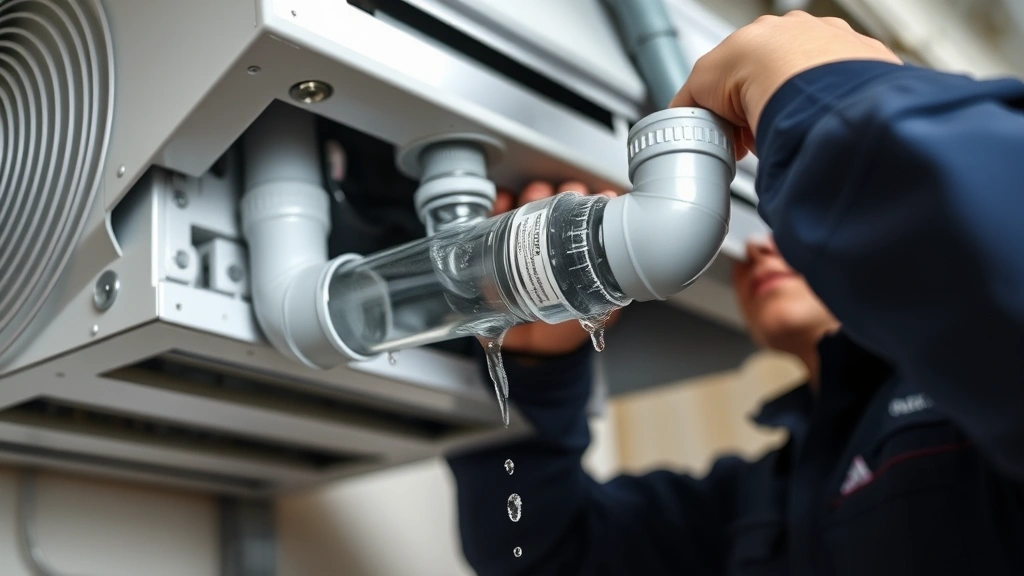
How to Clean Air Conditioner Drain Line: Expert-Backed Guide
Your air conditioning system works hard to keep your home comfortable, but one critical component often gets overlooked: the drain line. This unassuming pipe is responsible for removing condensation that your AC unit produces during operation. When it clogs, the consequences can range from reduced efficiency to water damage inside your home. Understanding how to clean an air conditioner drain line is essential knowledge for any homeowner who wants to maintain their cooling system and avoid expensive repair bills.
The AC drain line, also called the condensate drain line, sits at the heart of your system’s moisture management. As refrigerant cycles through your evaporator coil, it absorbs heat from indoor air, causing moisture to condense on the coil’s surface. This water must go somewhere—and that’s where your drain line comes in. Over time, algae, dust, and debris accumulate inside this line, creating blockages that prevent proper drainage. Regular maintenance of your home’s systems includes keeping this drain clear and functional.
This comprehensive guide walks you through everything you need to know about maintaining your AC drain line, from identifying warning signs to performing professional-grade cleaning techniques yourself. By following these expert-backed methods, you’ll ensure your air conditioning system operates at peak efficiency while protecting your home from water damage.
Why AC Drain Lines Clog and Why It Matters
Understanding the root causes of drain line clogs helps you appreciate why regular cleaning is non-negotiable. Your air conditioning system removes significant moisture from indoor air—sometimes several gallons per day during peak cooling season. This water naturally carries particles, dust, and microorganisms that accumulate along the drain line’s interior walls.
Algae and mold thrive in the warm, moist environment inside your drain line, creating a sticky biofilm that traps additional debris. Over time, this buildup narrows the pipe’s diameter, slowing water flow. Eventually, the line becomes completely blocked, and water backs up into your AC unit. This backup creates several dangerous situations: water can leak into your attic or crawlspace, damage insulation and wood framing, or spill into your living areas. Additionally, standing water in a clogged drain line accelerates mold and mildew growth, potentially affecting your home’s air quality and your family’s health.
Beyond water damage concerns, a clogged drain line forces your AC system to work harder to compensate for reduced efficiency. The evaporator coil may freeze if water cannot drain properly, causing the system to shut down automatically as a safety measure. This means no cool air when you need it most, and potentially thousands of dollars in compressor replacement if the freeze damage is severe. Regular cleaning of your drain line is truly preventive maintenance that protects both your investment and your home’s structural integrity.
Warning Signs Your Drain Line Needs Cleaning
Catching a clogged drain line early prevents major problems. Watch for these telltale warning signs that indicate your drain line requires immediate attention:
- Water pooling near your indoor unit: If you notice water accumulating around your furnace, air handler, or wall-mounted unit, your drain line is likely blocked. This is the most obvious and urgent warning sign.
- Musty odors from vents: A clogged drain line allows mold and mildew to flourish, producing the distinctive musty smell that may spread throughout your home via your ductwork.
- Reduced cooling capacity: When your system can’t drain properly, the evaporator coil may freeze, forcing your AC to cycle on and off repeatedly. You’ll notice your home isn’t cooling as effectively as it should.
- Visible mold around the unit: Black or dark green growth around your indoor AC unit indicates serious moisture problems and almost certainly means your drain line is compromised.
- Increased humidity indoors: If your AC isn’t removing humidity effectively despite running frequently, a drainage issue is likely responsible.
- Strange gurgling sounds: Unusual noises from your AC unit often indicate water backing up in the system.
Don’t ignore these warning signs. Acting quickly prevents secondary damage and keeps your system running smoothly. The longer you wait, the more extensive the cleaning becomes and the greater the risk of costly repairs.
” alt=”AC unit condensate drain line connection showing water drainage point” />
Tools and Materials You’ll Need
Before starting your drain line cleaning project, gather these essential tools and materials. Having everything ready ensures you work efficiently and safely:
- Wet/dry vacuum: Essential for removing standing water and debris. A shop vacuum works perfectly for this application.
- Flexible drain brush or plumbing snake: These tools break up stubborn clogs and dislodge debris stuck to the line’s interior walls. A 25-foot plumbing snake provides good reach for most residential systems.
- Distilled white vinegar: This natural cleaning agent dissolves mineral deposits and kills mold and algae without damaging your system. Avoid bleach, which can corrode metal components.
- Compressed air or air compressor: Low-pressure compressed air helps dislodge clogs and dry the line after cleaning.
- Bucket: Catch water and debris as you work. A 5-gallon bucket provides adequate capacity.
- Towels and rags: Keep these handy to manage water spills and clean up debris.
- Safety glasses: Protect your eyes from splashing water and debris.
- Work gloves: Chemical-resistant gloves protect your hands when working with vinegar and handling dirty drain components.
- Flashlight or headlamp: Proper lighting helps you see the drain line access point and monitor your progress.
Optional but helpful items include a drain pan to catch water before it spills, a pipe wrench if you need to disconnect the drain line, and a small funnel for pouring cleaning solutions into the line. Quality tools make the job easier and reduce the risk of accidentally damaging your system.
Step-by-Step Cleaning Process
Follow this systematic approach to clean your AC drain line effectively. The process takes 30-60 minutes depending on the severity of the clog.
Step 1: Locate Your Drain Line
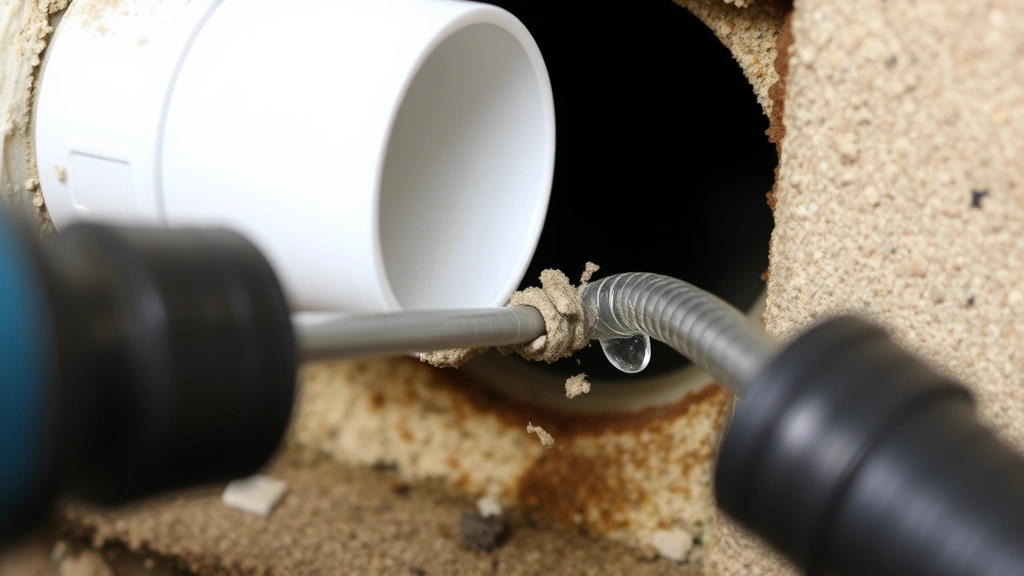
Find your AC unit’s indoor component, typically located in a basement, attic, or utility closet. The drain line usually exits near the unit’s base or side. It’s a small-diameter PVC pipe (typically 3/4 inch) that runs to a floor drain, basement drain, or outside. Trace the line to identify where it terminates. Some systems have a secondary drain line that serves as a backup if the primary line clogs.
Step 2: Turn Off Your AC System
Always shut down your air conditioning system before working on it. This is a critical safety step that prevents water from flowing through the line while you’re cleaning it and protects you from electrical hazards.
Step 3: Locate the Access Point
Most drain lines have a removable cap or access port where you can insert cleaning tools. This is typically located near the indoor unit or at the beginning of the drain line. If your system doesn’t have an obvious access point, you may need to carefully disconnect a section of PVC pipe using a pipe wrench. Have your bucket ready to catch water that will spill when you open the line.
Step 4: Remove Visible Debris
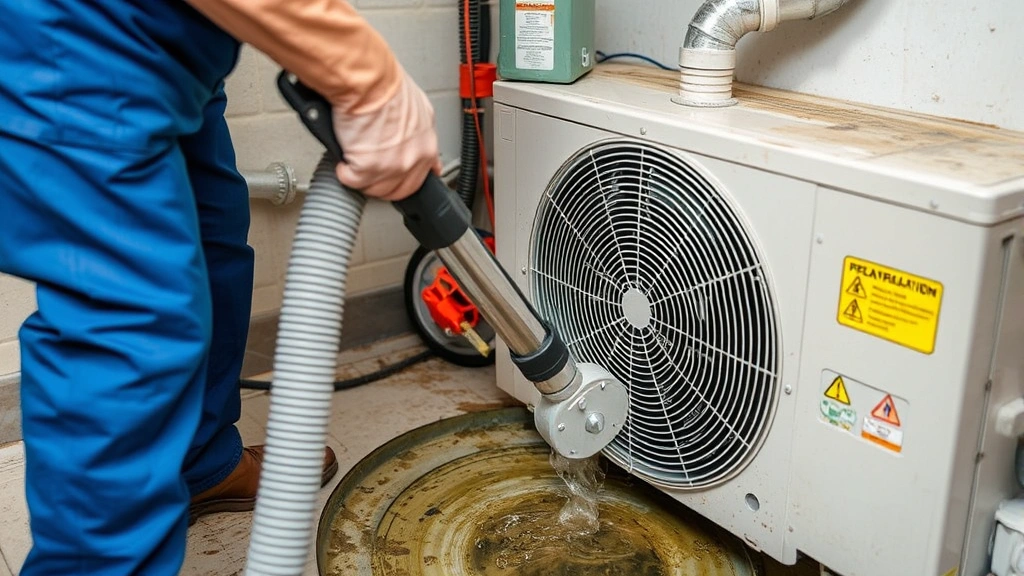
Use your wet/dry vacuum to suction out any visible debris, standing water, or sludge from the drain line opening. This initial removal makes subsequent cleaning steps more effective. Be gentle to avoid damaging the PVC pipe.
Step 5: Run Vinegar Through the Line
Pour one cup of distilled white vinegar into the drain line opening. You can use a small funnel to direct the vinegar accurately. The vinegar will dissolve mineral deposits, kill mold and algae, and help break up stubborn clogs. Let the vinegar sit for 30 minutes to work on the buildup. During this time, you might see bubbling or hear gurgling sounds as the vinegar reacts with deposits—this is normal and indicates the cleaning process is working.
Step 6: Use a Drain Snake or Brush
After the vinegar has soaked, insert your flexible drain brush or plumbing snake into the line. Push it through gently but firmly, using a twisting motion to dislodge debris stuck to the pipe walls. Work the snake back and forth, gradually advancing it further into the line. If you encounter significant resistance, don’t force it—you could puncture the PVC pipe. Instead, try using shorter, controlled strokes or switch to a more flexible tool.
Step 7: Flush with Water
Once you’ve mechanically cleaned the line, flush it with warm water to rinse away loosened debris and remaining vinegar residue. Pour water slowly and steadily into the opening, allowing it to flow through the line. If you have access to a garden hose with low pressure, that works well. Watch where the line exits to confirm water is flowing freely. If water backs up at the opening, you still have a clog that requires additional attention.
Step 8: Apply Preventive Treatment
Pour another cup of vinegar into the line, followed by a cup of hot water. This final treatment kills any remaining mold spores and helps prevent future clogs. Let this solution sit for 15-20 minutes, then flush with warm water one more time.
Advanced Techniques for Stubborn Clogs
Some clogs resist standard cleaning methods. If your drain line remains blocked after following the basic process, try these advanced techniques:
Compressed Air Method
Low-pressure compressed air can dislodge stubborn clogs that mechanical tools can’t reach. Using an air compressor set to 40-50 PSI (not full pressure, which could damage the PVC), apply short bursts of air into the drain line opening. This creates pressure that pushes debris through the line. Hold a wet cloth over the line’s exit point to contain any debris that shoots out.
Enzyme-Based Drain Cleaner
Commercial enzyme drain cleaners specifically designed for AC systems can dissolve organic matter more aggressively than vinegar. Follow the product instructions carefully, as different brands have varying application methods. These cleaners are gentler on PVC pipes than chemical drain cleaners and more effective against mold and algae buildup. Check that any cleaner is specifically rated for AC system cleaning to avoid damaging your equipment.
Boiling Water Treatment
Pouring boiling water down the drain line can soften stubborn debris and help flush it through. However, use this method cautiously with PVC pipes, as extremely hot water can warp or damage the plastic. Let the water cool slightly before pouring, or use water that’s hot but not quite boiling.
Complete Line Disconnection
If other methods fail, you may need to disconnect the entire drain line section and clean it separately. Using a pipe wrench, carefully disconnect the PVC pipe at both ends. Have your bucket ready to catch water. You can then soak the disconnected section in a mixture of equal parts vinegar and water for several hours, use a plumbing snake to clear the interior, or even run it under high-pressure water outdoors. Once clean, reconnect the line securely, ensuring all connections are tight to prevent leaks.
” alt=”Close-up of AC condensate drain pipe being cleaned with professional equipment” />
Prevention Strategies for Long-Term Maintenance
Preventing clogs is far easier than removing them. These maintenance strategies keep your drain line flowing freely year-round:
- Monthly vinegar treatments: During cooling season, pour one cup of vinegar down your drain line monthly. This prevents mold and algae from establishing themselves and keeps mineral deposits from accumulating. This simple habit eliminates most clogs before they develop.
- Install a drain line cap: A simple cap or strainer at the drain line’s exit point prevents debris, insects, and leaves from entering the line from outside. These inexpensive devices (typically $10-20) offer excellent protection with zero maintenance.
- Change your AC filter regularly: A clean air filter reduces dust circulation through your system, which means less dust reaches your drain line. Change filters every 1-3 months depending on usage and your home’s air quality.
- Maintain proper humidity levels: Using a dehumidifier in areas with high moisture reduces the workload on your AC system and slows mold growth in the drain line. Target indoor humidity between 30-50%.
- Schedule annual professional maintenance: An HVAC technician can inspect your drain line, perform a professional cleaning, and identify potential issues before they become problems. This typically costs $100-200 annually but prevents costly emergency repairs.
- Keep the area around your AC unit clean: Dust and debris near your indoor unit eventually make their way into the drain line. Vacuuming around your furnace or air handler weekly reduces this source of contamination.
These preventive measures work together to keep your drain line clear and your AC system operating efficiently. The time investment is minimal compared to the protection you gain.
When to Call a Professional
While many homeowners can handle basic drain line cleaning, certain situations warrant professional help. Contact a licensed HVAC technician if:
- You cannot locate your drain line or access point safely
- Your drain line is disconnected or damaged, causing water to leak inside your home
- Water continues backing up after you’ve followed all cleaning steps
- You notice water damage to insulation, drywall, or wooden framing near your AC unit
- Your system has a frozen evaporator coil, requiring professional thawing and diagnosis
- You’re uncomfortable working with plumbing components or electrical systems
- Your AC unit is under warranty, and you want to avoid voiding coverage by attempting repairs yourself
Professional HVAC technicians have specialized equipment, including high-powered vacuum systems and video inspection cameras that can identify exactly where clogs are located. They can also perform comprehensive system checks to ensure your entire air conditioning setup operates optimally. The cost of professional cleaning typically ranges from $150-300, which is a worthwhile investment if you’re uncertain about your abilities or if you’ve encountered complications.
Regular maintenance through your own efforts, supplemented by annual professional inspections, represents the ideal approach to drain line care. This combination catches problems early while keeping maintenance costs reasonable.
Frequently Asked Questions
How often should I clean my AC drain line?
During the cooling season, perform preventive monthly vinegar treatments. A thorough cleaning is recommended annually before summer cooling begins, and immediately if you notice any warning signs. High-humidity climates or homes with pets may require more frequent attention.
Can I use bleach to clean my AC drain line?
No. While bleach kills mold effectively, it can corrode metal components in your AC system and damage PVC pipes over time. Distilled white vinegar is safer and nearly as effective. If you prefer a commercial cleaner, choose products specifically designed for AC drain line cleaning.
What’s the difference between the primary and secondary drain lines?
Most modern AC systems include both a primary drain line and a secondary safety drain. The primary line handles normal condensation drainage. If the primary line clogs, water backs up into a secondary line designed to drain outside the home. If you see water coming from your secondary drain, your primary line is definitely clogged and requires immediate cleaning.
Will cleaning my drain line improve my AC’s cooling performance?
Yes. A clear drain line allows your system to operate at designed efficiency. If your evaporator coil has been frozen due to drainage problems, cleaning the line and allowing the coil to thaw will noticeably improve cooling performance and reduce your energy bills.
How can I tell if my drain line is clogged versus if I have a refrigerant leak?
A clogged drain line causes water pooling around your AC unit and reduced cooling capacity with visible ice on the evaporator coil. A refrigerant leak also reduces cooling but won’t cause water pooling. A professional HVAC technician can perform a pressure test to distinguish between these issues.
Is it normal for my AC drain line to produce water?
Yes, absolutely. Your AC system should continuously produce water during operation—typically several gallons daily during hot weather. This water should flow freely through the drain line without pooling or backing up. If you don’t see water coming from your drain line’s exit point on a hot day when your AC is running, the line may be clogged.
For more information on maintaining your home’s systems, explore our comprehensive DIY Nests Hub Blog, which covers everything from carpet cleaning to broader home maintenance strategies.
Conclusion
Cleaning your AC drain line is one of the most impactful maintenance tasks you can perform yourself. By understanding why clogs develop, recognizing warning signs, and following the systematic cleaning process outlined in this guide, you’ll protect your air conditioning system and prevent expensive water damage to your home. Start with preventive monthly vinegar treatments, perform thorough annual cleanings, and don’t hesitate to call a professional if complications arise. Your commitment to drain line maintenance ensures reliable cooling, improved energy efficiency, and peace of mind throughout the hot months ahead.
For authoritative guidance on HVAC standards and best practices, consult resources like the Air Conditioning Contractors of America, which provides detailed technical information for homeowners and professionals. The American Society of Heating, Refrigerating and Air-Conditioning Engineers (ASHRAE) establishes industry standards for cooling system design and maintenance. Your local building code enforcement office can also provide guidance specific to your area’s requirements. Additionally, manufacturer documentation for your specific AC unit often includes drain line maintenance recommendations—consult your equipment’s manual for model-specific instructions.


