Cement Cleaning Tips: Expert-Backed Techniques for DIY Success
Cement surfaces accumulate dirt, stains, and weathering that can diminish curb appeal and structural integrity. Whether you’re maintaining a driveway, patio, basement floor, or foundation, knowing how to clean cement properly prevents damage while extending surface life. This guide covers professional-grade techniques that homeowners can execute safely and effectively.
Cement is porous and absorbs liquids, oils, and organic matter. Understanding your specific stain type determines the most effective cleaning approach. From simple pressure washing to chemical treatments, these expert-backed methods deliver results without costly professional services. We’ll explore safety protocols, equipment selection, and step-by-step procedures that transform grimy cement into pristine surfaces.
Understanding Cement Surfaces and Stain Types
Cement composition varies by mix design, age, and environmental exposure. Portland cement contains calcium silicates that hydrate and harden into a durable but permeable matrix. This porosity is the primary reason cement attracts and retains contaminants. Recognizing stain categories helps determine appropriate cleaning methods that won’t damage the surface.
Organic Stains include mold, mildew, algae, and moss. These thrive in damp environments and appear as dark streaks or discoloration. Biological growth penetrates cement pores and requires biocidal treatment. Oil and Grease Stains from vehicles or equipment soak into cement and resist water-based cleaning. These demand degreasing agents or poultice treatments. Rust Stains develop from metal oxidation or embedded iron particles, creating orange or brown discoloration. Acid-based treatments work effectively for rust removal.
Efflorescence appears as white, chalky deposits when water carries dissolved salts through cement. This indicates moisture issues but typically requires only mechanical removal. Paint or Sealant Residue requires stripper products or grinding depending on adhesion strength. Understanding your specific stain type prevents wasted effort and ensures successful results.
Essential Equipment and Safety Gear
Proper equipment investment ensures efficient cleaning and personal safety. A pressure washer rated 3000-4000 PSI handles most residential cement applications without causing surface damage. Lower PSI (under 2500) may prove ineffective, while excessive pressure (over 4000 PSI) can erode cement and create pitting. Electric models suit smaller areas like patios, while gas-powered units handle extensive driveways efficiently.
Safety equipment is non-negotiable when cleaning cement. Protective eyewear shields against debris ejected by pressure washers. Heavy-duty gloves protect hands from chemical exposure and sharp aggregate. Respirators or dust masks are essential when using dry cleaning methods or chemical treatments that produce fumes. OSHA guidelines recommend respirators meeting NIOSH standards for chemical exposure.
Footwear with slip-resistant soles prevents falls on wet cement. Long pants and long-sleeved shirts provide chemical splash protection. Chemical cleaning requires mixing containers, brushes, squeegees, and brooms. For stubborn stains, acquire a surface grinder or wire brush attachment for your drill. Having the right tools eliminates frustration and accelerates project completion.
Pressure Washing Fundamentals
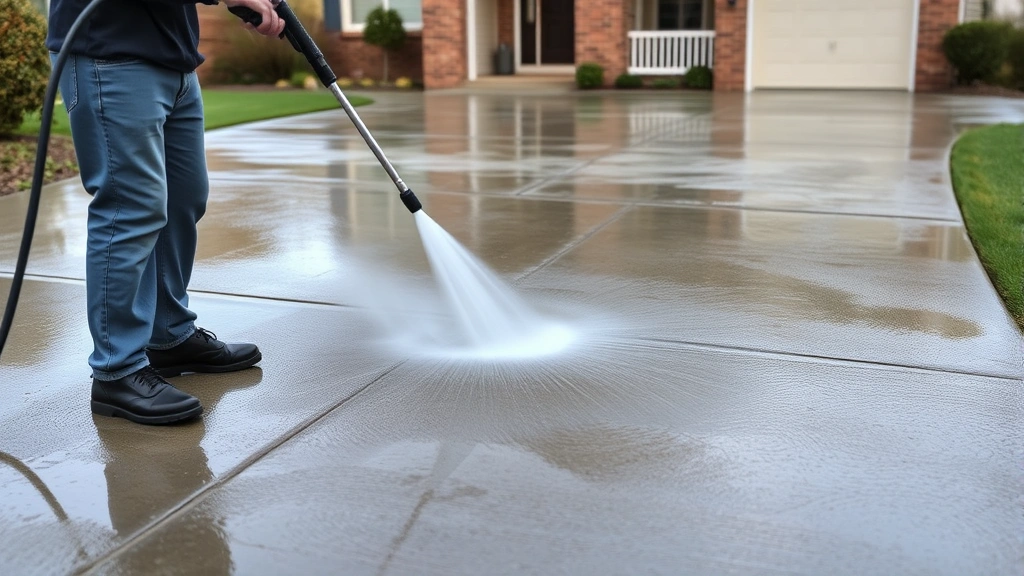
Pressure washing is the foundation of most cement cleaning projects. This mechanical method uses high-velocity water to dislodge surface contaminants. Starting with pressure washing before chemical treatments prevents chemical waste and improves overall results. Understanding proper technique prevents damage to cement and surrounding surfaces.
Pre-washing Preparation involves clearing the area of debris, vehicles, and obstacles. Wet surrounding plants and lawn to protect them from chemical runoff. Test your pressure washer on an inconspicuous area first to verify it won’t damage the cement. Begin with lower pressure settings and increase gradually if needed. Hold the nozzle 12-18 inches from the surface, maintaining consistent distance for uniform cleaning.
Washing Technique matters significantly. Move the nozzle in overlapping strokes, working in a consistent pattern from one end to the other. Avoid holding the nozzle in one spot, which creates pitting or surface gouging. Work at angles rather than perpendicular to the surface to minimize damage. For vertical surfaces like foundation walls, work from bottom to top to prevent dirty water from running over already-cleaned areas.
Water Temperature impacts effectiveness. Cold water pressure washing removes surface dirt effectively but struggles with oils and biological growth. Hot water (140-180°F) paired with chemical treatments dramatically improves results for stubborn stains. Rental companies offer hot water pressure washers for approximately $75-150 per day, making them cost-effective for major projects.
Chemical Cleaning Solutions
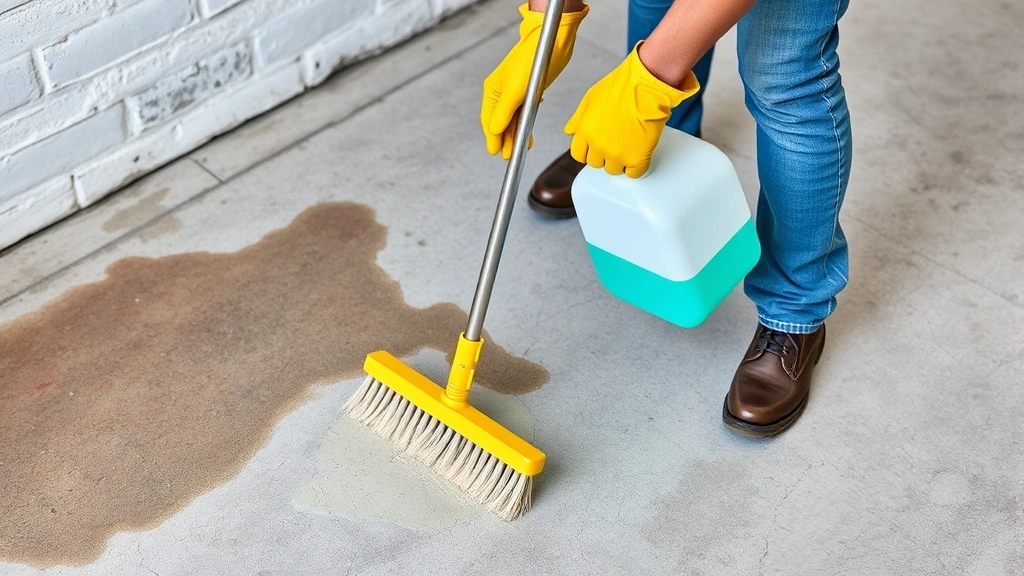
Chemical treatments target stains that pressure washing alone cannot remove. Selecting the appropriate cleaner for your specific stain type ensures effective results without surface damage. Always follow manufacturer instructions and test chemical solutions on inconspicuous areas before full application.
Degreasing Agents break down oil and grease through surfactant action. Commercial degreasers contain alkaline compounds that emulsify oils, making them water-soluble. Apply degreaser generously to affected areas, allow 15-30 minutes dwell time, then pressure wash thoroughly. For severe oil stains, repeat the process or use enzymatic degreasers that biologically break down petroleum products. Popular options include ACT Concrete Cleaner and Oil Eater Original Cleaner/Degreaser.
Acid-Based Cleaners effectively remove rust stains, efflorescence, and mineral deposits. Muriatic acid (hydrochloric acid) is the standard choice, diluted 1:10 with water for safety. Always add acid to water, never water to acid, which creates violent reactions. Acid cleaners require careful handling and proper ventilation. The International Code Council provides guidelines for chemical handling in construction applications.
Alkaline Cleaners address organic stains like mold and mildew without the hazards of acid. Sodium hypochlorite (bleach) at 10-20% concentration kills biological growth effectively. Mix bleach with water in ratios of 1:3 to 1:5 for safety and effectiveness. Enzymatic cleaners containing protease enzymes break down organic matter naturally and safely. These work slower than chemical alternatives but pose minimal health risks.
Specialty Sealers and Cleaners combine cleaning action with protective coating. These products clean surface contaminants while applying a hydrophobic barrier that repels water and future staining. Applying sealer after thorough cleaning extends cleaning intervals and protects your investment. Most concrete sealers require 24-48 hours curing before exposure to moisture.
Addressing Stubborn Stains
Persistent stains require aggressive techniques beyond standard pressure washing and chemical treatment. A comprehensive approach combining multiple methods achieves results on the most challenging contamination. Patience and persistence yield superior outcomes when tackling decades of accumulated grime.
Poultice Method draws deep stains to the surface. Mix powdered absorbent material (talc, diatomaceous earth, or commercial poultice powder) with appropriate solvent—acetone for oils, bleach solution for organics, or acid for rust. Apply the paste thickly to stains and cover with plastic for 24-48 hours. As the poultice dries, it absorbs stain-causing compounds from cement pores. Sweep away dried poultice and repeat if necessary. This method works exceptionally well for oil stains that penetrate deep into cement.
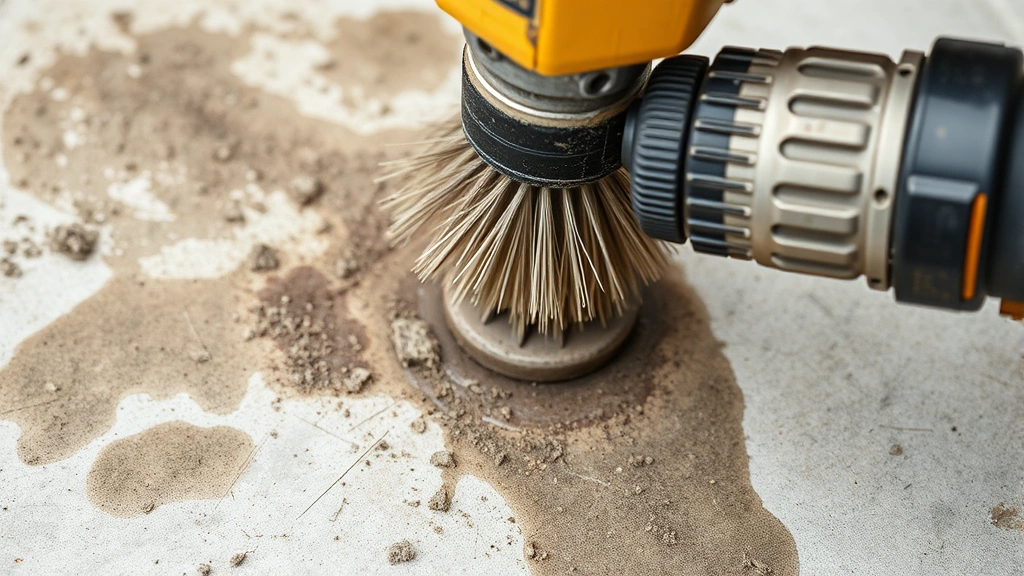
Wire Brushing and Grinding mechanically remove surface stains and contamination. A wire brush attachment on a power drill removes loose material and biological growth. For severe staining, surface grinding with a concrete grinder removes the top layer of cement, exposing clean material beneath. This technique works for paint, sealant residue, and deeply embedded stains. Grinding creates significant dust, requiring proper respiratory protection and dust containment.
Combination Treatments maximize effectiveness. Begin with pressure washing to remove loose contamination. Apply chemical treatment appropriate to your stain type and allow adequate dwell time. Pressure wash again to remove dissolved contaminants. For remaining stains, apply poultice or mechanical treatment. This layered approach addresses stains at multiple depths and ensures thorough cleaning.
For information on safe chemical handling in residential settings, consult EPA guidelines on household chemical safety. When using industrial-strength cleaners, review CDC recommendations for chemical exposure prevention.
Preventative Maintenance Strategies
Regular maintenance prevents heavy contamination and extends cleaning intervals significantly. Establishing a maintenance routine protects your cement investment and maintains property appearance. Preventative measures cost substantially less than dealing with deeply embedded stains.
Routine Sweeping and Rinsing removes loose debris before it becomes embedded. Weekly sweeping of driveways and patios prevents dirt accumulation. Monthly rinsing with a garden hose removes dust and organic spores before they establish. These simple habits dramatically reduce cleaning demands and prevent stain development.
Sealing Application creates a protective barrier against stains and moisture intrusion. High-quality concrete sealers prevent oil absorption and reduce biological growth. Penetrating sealers work best for vertical surfaces and areas prone to moisture, while film-forming sealers provide glossy appearance and enhanced protection. Reapply sealers every 2-3 years depending on traffic and weather exposure. Sealed cement cleans more easily and resists staining significantly better than unsealed surfaces.
Spill Management prevents stain establishment. Clean oil spills immediately using absorbent materials like kitty litter or sand, then remove with a broom. Address organic growth promptly before it spreads. Cover cement during storage of materials that might leak or stain. Installing gutters and proper drainage prevents water pooling that encourages mold and mildew growth.
Strategic Placement minimizes staining. Position vehicle parking away from cement edges to prevent oil migration. Use drip trays under equipment storage areas. Apply landscape edging to prevent soil and mulch contamination. These preventative measures require minimal effort but significantly reduce cleaning needs.
For comprehensive guidance on cement maintenance, the American Concrete Institute provides technical resources for residential applications. Additionally, National Ready Mixed Concrete Association offers maintenance recommendations for homeowners.
FAQ
Can I use a pressure washer on all cement surfaces?
Most cement can withstand pressure washing at 3000-4000 PSI. However, newly poured cement (under 28 days old) should not be pressure washed as it hasn’t fully cured. Decorative concrete with thin overlays or stains may be damaged by excessive pressure. Always test on inconspicuous areas first. If unsure about your cement’s condition, start with lower pressure and increase gradually.
Is muriatic acid safe for residential use?
Muriatic acid requires careful handling but is safe when used properly. Always dilute appropriately (1:10 with water), wear protective equipment, ensure adequate ventilation, and never mix with other chemicals. Add acid to water, never reverse. For those uncomfortable with strong chemicals, alkaline or enzymatic alternatives provide safer options with slightly longer processing times.
How often should I clean my cement driveway?
Cleaning frequency depends on climate, traffic, and surrounding environment. Light sweeping monthly and pressure washing annually maintains most driveways effectively. High-traffic areas or regions with heavy rainfall may need more frequent cleaning. Sealed driveways require less frequent cleaning than unsealed surfaces. Following a comprehensive maintenance routine reduces deep cleaning needs substantially.
What’s the best way to remove paint from cement?
Paint removal depends on paint type and adhesion. Pressure washing removes loose paint but may not eliminate well-bonded coatings. Chemical paint strippers dissolve paint for easier removal. Grinding or sanding mechanically removes paint but creates significant dust. For latex paint, alkaline strippers work effectively. Oil-based paint requires stronger solvents. Combination approaches—stripping followed by pressure washing and wire brushing—typically prove most effective.
Can I seal cement immediately after cleaning?
No. Cement must dry completely before sealing, typically 24-48 hours after cleaning depending on temperature and humidity. Applying sealer to damp cement traps moisture and causes sealer failure. Check that cement surface is completely dry and free of efflorescence before sealing. Most manufacturers recommend 48 hours drying time for best results.
Are eco-friendly cement cleaners effective?
Environmentally friendly options like enzymatic cleaners and vinegar-based solutions work effectively for organic stains but may require longer dwell times than chemical alternatives. These safer products produce minimal fumes and pose reduced health risks. They work best for preventative maintenance rather than severe staining. For heavily contaminated surfaces, conventional chemicals typically deliver faster, more dramatic results, though eco-friendly options suit maintenance cleaning perfectly.


