How to Clean Cheesecloth Properly: Expert Tips Inside
Cheesecloth is one of the most versatile tools in any kitchen or workshop, serving purposes from straining yogurt and making cheese to filtering liquids and even construction applications. However, many people don’t realize that proper cleaning and maintenance of cheesecloth extends its lifespan significantly and ensures it remains food-safe and effective for future use. Whether you’re a home cook, a DIY enthusiast, or someone who uses cheesecloth regularly, understanding the correct cleaning methods will save you money and prevent contamination.
The challenge with cheesecloth lies in its delicate, open-weave structure. This same feature that makes it excellent for straining also makes it prone to trapping food particles, oils, and bacteria deep within its fibers. If not cleaned properly, cheesecloth can retain odors, discoloration, and microbial growth that compromise its functionality. In this comprehensive guide, we’ll walk you through expert techniques for cleaning cheesecloth, maintaining it properly, and knowing when it’s time to replace it.
Immediate Rinsing: The First Critical Step
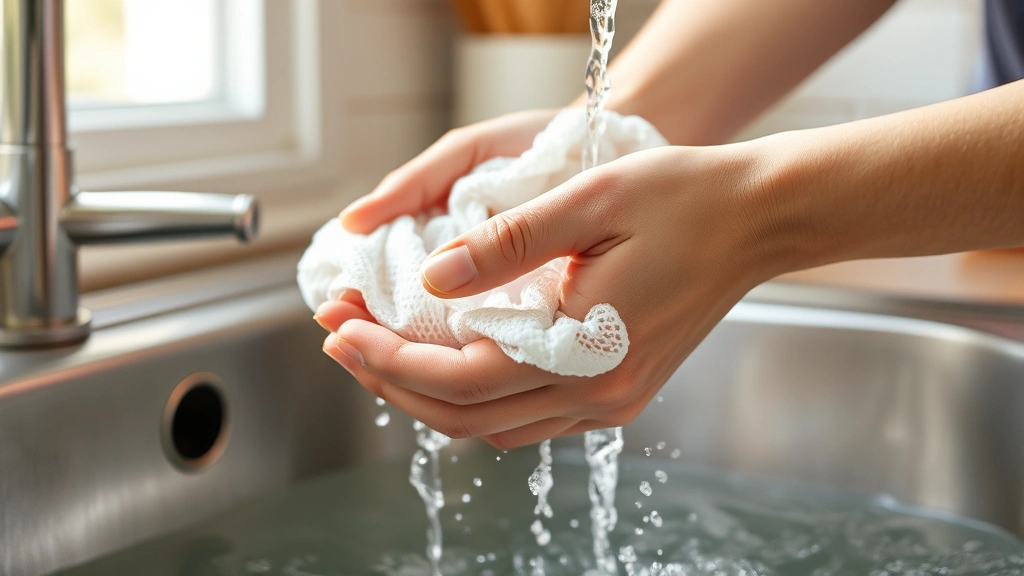
The moment you finish using cheesecloth, immediate action is essential. Don’t let it sit in the sink or dry out with residue stuck to it—this is the fastest way to create permanent stains and bacterial growth. Begin by gently rinsing the cheesecloth under lukewarm running water, working from the side that had contact with food or liquid. Use your fingers to gently separate the layers and encourage particles to flow away with the water.
For heavier residues like cheese curds, yogurt cultures, or cooking fats, hold the cloth under running water and use a soft brush or your fingertips to gently agitate the fibers. Avoid aggressive scrubbing at this stage, as cheesecloth tears easily. If you’re dealing with particularly stubborn residue, soak the cloth in cool water for 5-10 minutes before rinsing. This pre-soaking softens dried particles and makes removal easier without damaging the delicate weave.
Temperature matters during this initial rinse. Cold to lukewarm water is ideal because hot water can set protein-based stains permanently into the fibers. If you’ve used cheesecloth for straining dairy products or meat broths, cold water is particularly important. Once you’ve removed the bulk of visible debris, you’re ready to move to the next cleaning stage.
Hand Washing Methods for Best Results
Hand washing is the preferred method for cleaning cheesecloth because it gives you complete control over pressure and agitation. Fill a basin with warm water—not hot—and add a small amount of mild dish soap. For food-grade cheesecloth that contacted dairy or meat products, consider using USDA-approved food safety protocols when selecting your soap.
Submerge the cheesecloth completely and let it soak for 10-15 minutes. This allows the soap to penetrate the weave and break down oils and residual particles. After soaking, gently massage the cloth between your hands, working the soapy water through every layer. Pay special attention to areas that contacted thick substances—these regions may need gentle rubbing to release trapped particles.
For particularly greasy cheesecloth, you might add a small amount of white vinegar to the wash water. Vinegar’s acidity helps cut through grease while being gentle on the fibers and safe for food contact. Use a ratio of one part vinegar to four parts water. The vinegar also helps eliminate odors that might have been absorbed during use.
Once you’ve finished washing, rinse thoroughly under clean running water until no soap residue remains. You’ll know the rinsing is complete when the water runs clear and there are no more soap suds visible. Incomplete rinsing can leave soap residue that affects the cloth’s absorptive qualities and may introduce unwanted flavors if you’re using it for food applications again.
For detailed information on other kitchen cleaning methods, check out our guide on how to clean ceramic pans, which covers similar delicate cleaning principles applicable to various kitchen items.
Machine Washing Cheesecloth Safely
While hand washing is preferred, you can machine wash cheesecloth if you follow specific precautions. First, place the cheesecloth in a mesh laundry bag or fine-mesh washing net. This containment prevents the cloth from tangling with other items and protects it from aggressive agitation inside the machine.
Use the gentlest cycle available on your washing machine—typically labeled as “delicate,” “hand wash,” or “gentle.” Set the water temperature to warm rather than hot, and use only a small amount of mild detergent. Never use bleach or oxygen-based cleaners on cheesecloth unless it’s specifically designated as non-food-grade cloth, as these chemicals can damage the fibers and leave residues.
If your washing machine has a soak or pre-wash option, use it to give the cheesecloth extra time to release trapped particles before the main wash cycle begins. This reduces the need for aggressive mechanical action during the actual wash phase. Keep the load light—don’t wash cheesecloth with heavy items like towels or jeans, as the friction and weight can damage the delicate weave.
Machine washing is particularly useful when you have multiple pieces of cheesecloth to clean at once, or when dealing with very oily residues that benefit from the extended soaking time a machine cycle provides. However, for everyday use and lighter cleaning needs, hand washing remains the gentler and more effective option.
Removing Stubborn Stains and Odors
Despite your best efforts, cheesecloth sometimes develops stubborn stains or absorbs persistent odors. Turmeric, beet juice, and certain spices can leave yellow or red discoloration that seems permanent. For these situations, several proven methods exist.
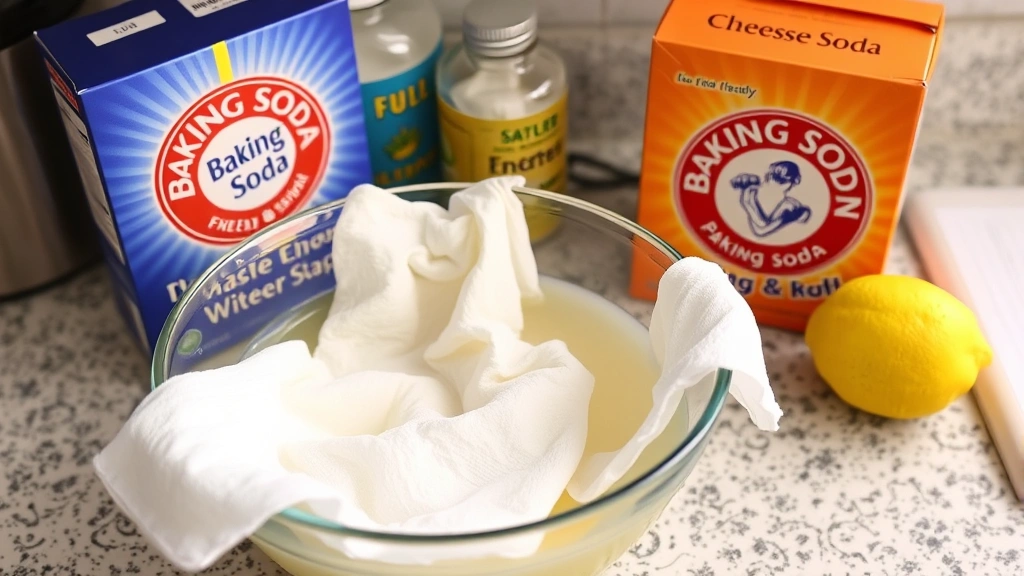
Baking soda paste: Mix baking soda with a small amount of water to create a paste. Apply this directly to stained areas and let it sit for 30 minutes to an hour. Gently rub the paste into the stains using a soft cloth or your fingertips, then rinse thoroughly. Baking soda is mildly abrasive enough to lift stains without damaging cheesecloth fibers.
Lemon juice treatment: The natural bleaching properties of lemon juice work well on light stains. Soak the cheesecloth in a solution of equal parts lemon juice and water for 2-4 hours, then wash as normal. This method works particularly well for dairy-based stains and general yellowing.
Sunlight exposure: Natural sunlight is an excellent natural bleaching agent. After washing, hang the cheesecloth in direct sunlight for several hours. UV rays naturally break down chromophores responsible for staining and also provide mild sanitization. This method takes longer but requires no chemicals.
Vinegar soak: For odor removal, soak cheesecloth in a solution of one part white vinegar to three parts water for 30 minutes. The vinegar neutralizes odor-causing compounds and helps brighten the cloth. This is particularly effective for cheesecloth that’s absorbed strong cooking smells.
If stains persist after trying these methods, the cheesecloth may have reached the end of its useful life, especially if it’s food-grade and you’re concerned about residual contamination. For information on maintaining other kitchen items with similar care concerns, review our comprehensive guide on how to clean cast iron griddles, which addresses stubborn buildup removal.
Drying and Storage Best Practices
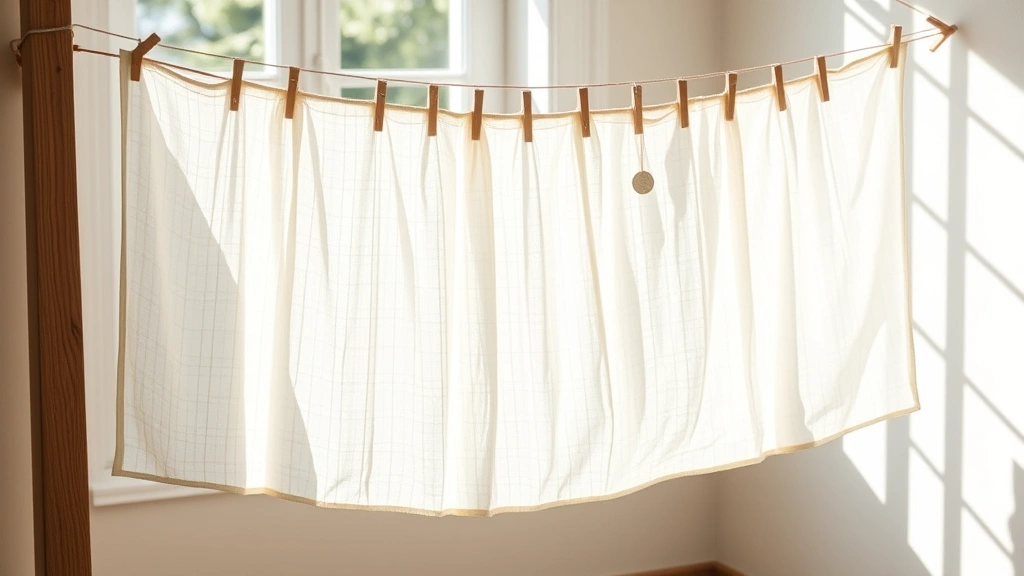
Proper drying is crucial for preventing mold growth and odor development in cheesecloth. Never leave damp cheesecloth bundled up or in a closed container, as this creates an ideal environment for bacterial and fungal growth. Instead, hang the cloth in a well-ventilated area or lay it flat on a clean, dry surface.
If hanging the cloth, use a clothesline or even a wooden dowel across two chairs. Ensure air circulates freely around all sides of the cloth. Avoid direct heat sources like radiators or ovens, as excessive heat can damage the fibers and cause uneven drying. In humid climates, using a fan to increase air circulation speeds the drying process and prevents moisture from lingering.
Lay-flat drying works well for smaller pieces. Spread the cheesecloth on a clean kitchen towel or drying rack, smoothing out wrinkles as you arrange it. This method prevents the cloth from stretching unevenly, which can happen when wet cloth hangs under its own weight.
Once completely dry, store cheesecloth in a clean, dry location away from strong odors. A dedicated drawer or cabinet works well, or keep it in an airtight container with a piece of parchment paper between each folded piece if you’re storing multiple cloths. Proper storage prevents dust accumulation and keeps the cloth ready for its next use.
Never store cheesecloth while damp or even slightly moist, as this guarantees mold and mildew growth. If you notice any musty smell or visible discoloration when retrieving stored cheesecloth, it’s time to replace it rather than risk contaminating food or projects.
Sanitization Techniques for Food Safety
If you use cheesecloth for food applications—particularly for straining dairy products, making nut milks, or filtering broths—periodic sanitization beyond regular washing is important. The FDA and CDC food safety guidelines recommend sanitization methods for food-contact surfaces and materials.
Boiling method: After washing, place cheesecloth in a pot of boiling water for 10 minutes. This kills most bacteria and pathogens. Allow the cloth to cool in the hot water, then remove with tongs and hang to dry. The boiling method is particularly effective before using cheesecloth for new food projects or after extended storage.
Steam sanitization: If you have a steam cleaner or even a regular steamer, you can sanitize cheesecloth by exposing it to steam for 5-10 minutes. The high temperature eliminates microorganisms without the harshness of boiling water, making this ideal for delicate cloths.
Diluted bleach solution: For non-food applications or food-grade cheesecloth that will be thoroughly rinsed, a diluted bleach solution works effectively. Mix one tablespoon of unscented bleach in one gallon of water, soak the cheesecloth for 5 minutes, then rinse extremely thoroughly under running water. This method is harsh and should only be used when other methods aren’t practical.
According to NSF International standards, food-contact materials should be sanitized regularly if used in commercial or high-volume food preparation. Even for home use, regular sanitization every few weeks ensures your cheesecloth remains safe for dairy and fermentation projects.
For additional information on maintaining food-preparation tools and surfaces, explore our DIY Nests Hub Blog for comprehensive cleaning and maintenance guides across various household items and equipment.
FAQ
Can you put cheesecloth in the dishwasher?
It’s not recommended. The high heat and aggressive water jets in dishwashers can damage the delicate weave of cheesecloth. Hand washing or gentle machine washing in a mesh bag is far safer and more effective.
How often should cheesecloth be replaced?
With proper care, a single piece of cheesecloth can last 6-12 months or longer. Replace it if you notice tears, persistent staining that affects function, mold growth, or if it’s been used for particularly contaminated applications. Food-grade cheesecloth should be replaced more frequently if used regularly.
Is bleach safe for food-grade cheesecloth?
Diluted bleach can be used for sanitization, but the cheesecloth must be rinsed extremely thoroughly afterward. Many experts prefer gentler sanitization methods like boiling for food applications to eliminate any risk of bleach residue.
Why does my cheesecloth smell bad even after washing?
Persistent odors usually indicate incomplete rinsing, inadequate drying, or bacterial growth. Ensure you rinse completely until no soap remains, dry thoroughly in a well-ventilated area, and consider soaking in vinegar solution before washing. If odors persist, the cloth may be compromised and should be replaced.
Can you dry cheesecloth in the dryer?
Machine drying is possible but not ideal. Use the lowest heat setting and remove the cloth while still slightly damp to prevent shrinkage and fiber damage. Air drying is gentler and more effective for preserving the cloth’s integrity.
What’s the difference between washing and sanitizing cheesecloth?
Washing removes visible dirt, food particles, and oils using soap and water. Sanitizing kills microorganisms through heat, chemicals, or steam. Both processes are important for food-grade cheesecloth, with sanitization being the final step before storing or using the cloth for new food preparation.


