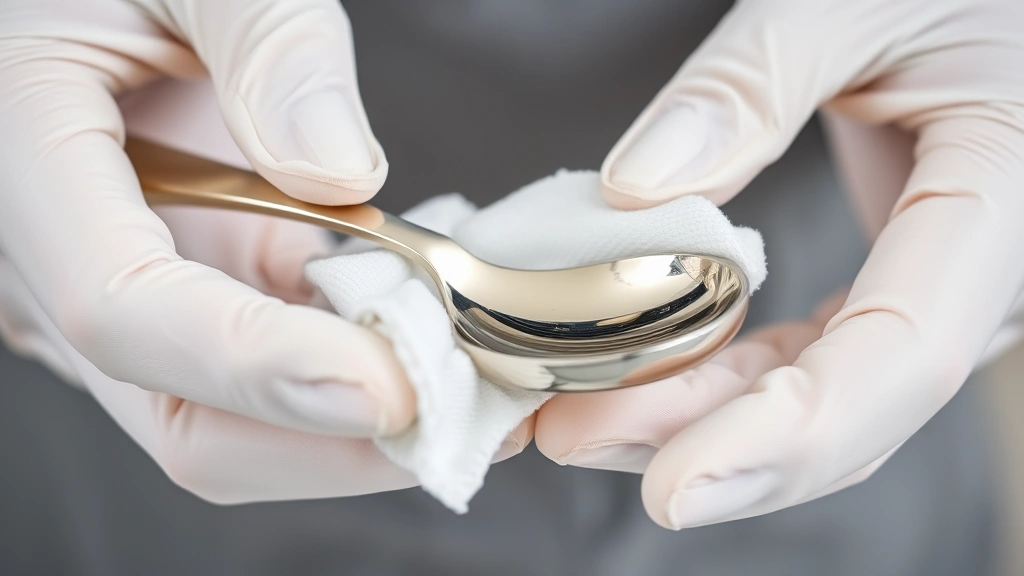
Clean Silver Plate? Expert Tips for a Gleaming Finish
Silver plated items are treasured possessions in many homes, from heirloom flatware to decorative serving pieces and jewelry. However, maintaining that brilliant shine requires knowledge and care to avoid damaging the delicate plating layer underneath. Whether you’re dealing with tarnish buildup or everyday grime, understanding the right cleaning methods will help preserve your silver plate for generations to come.
Silver plate consists of a thin layer of pure silver bonded to a base metal, typically copper or another alloy. Unlike solid silver, this construction means aggressive cleaning techniques can wear through the plating and expose the base metal beneath. Learning how to clean silver plate properly ensures you maintain both its aesthetic appeal and its structural integrity while keeping your items looking museum-quality.
Understanding Silver Plate Construction
Before you begin any cleaning process, it’s crucial to understand what you’re working with. Silver plate manufacturing involves electroplating, where a layer of pure silver—typically between 0.5 and 2 micrometers thick—is electrically bonded to a base metal substrate. This creates a durable, beautiful finish that’s more affordable than solid silver while maintaining similar aesthetic qualities.
The thickness of the plating matters significantly when determining appropriate cleaning methods. Sterling silver plate, which contains at least 92.5% pure silver, offers better durability than lower-grade silver plating. Understanding your item’s composition helps you choose gentler or more aggressive cleaning approaches accordingly. Check any hallmarks or stamps on your silver plate pieces, as these indicate manufacturing standards and plating thickness.
Tarnish forms when silver reacts with sulfur compounds in the air, creating silver sulfide—a dark coating that protects the underlying metal from further oxidation. While this might seem beneficial, heavy tarnish obscures the beauty of your items and can eventually compromise the plating if left untreated. Regular cleaning prevents excessive buildup and maintains the protective barrier between your silver plate and environmental contaminants.
Essential Cleaning Supplies and Tools
Gathering the right materials before you start ensures efficient, safe cleaning without damaging your precious silver plate items. Your cleaning arsenal should include soft materials, gentle cleaners, and proper protective equipment to handle items safely throughout the process.
Primary Cleaning Materials:
- Microfiber cloths (never use paper towels, which can scratch)
- Soft-bristled toothbrushes for detailed areas
- Distilled water (prevents mineral deposits from tap water)
- Mild dish soap specifically formulated without harsh abrasives
- Cotton balls or soft cotton pads for application
- Soft sponges for gentle surface cleaning
Polishing and Protection Items:
- Silver polishing cream designed for plated items
- Specialized silver dip solutions (use cautiously on thin plating)
- Tarnish-preventative cloths or treated storage bags
- Soft buffing cloths for final shine
Safety and Workspace Setup:
- Rubber gloves to protect your hands and the silver
- Well-ventilated workspace away from direct sunlight
- Newspaper or cloth to protect work surfaces
- Soft padding or towels to prevent accidental drops
Avoid commercial silver cleaners containing harsh chemicals, abrasive powders, or ammonia-based formulas. These can strip plating faster than you’d expect and create uneven wear patterns across your items. When selecting cleaning products for delicate surfaces, prioritize gentleness over aggressive action.

Basic Cleaning Method for Light Tarnish
For silver plate with light tarnish or everyday dust and fingerprints, a simple water-based approach works beautifully without risking the delicate plating. This method is ideal for regularly used items like flatware or decorative pieces displayed in climate-controlled environments.
Step-by-Step Light Cleaning Process:
- Fill a shallow bowl with lukewarm distilled water and add a few drops of mild dish soap
- Submerge your silver plate item for 2-3 minutes to loosen surface debris
- Use a soft-bristled brush or microfiber cloth to gently wipe all surfaces, paying special attention to crevices and decorative details
- For intricate areas, use a soft toothbrush with gentle circular motions rather than scrubbing pressure
- Rinse thoroughly under running distilled water until all soap residue disappears
- Immediately dry with a clean microfiber cloth, working in one direction to prevent water spotting
- Buff gently with a dry section of the cloth for added shine
This basic method removes approximately 70-80% of light tarnish and environmental grime without chemical exposure. The warm water helps lift oils and dust, while the mild soap breaks down surface contaminants. Timing matters—don’t leave silver plate soaking for extended periods, as prolonged water exposure can eventually seep between the plating and base metal, causing deterioration.
For flatware, consider cleaning pieces in small batches to maintain control and prevent accidental damage. Handle each piece individually rather than stacking them together, which can cause scratching. If your silver plate has wooden handles or other non-metal components, keep water exposure to the metal portions only.
Advanced Techniques for Heavy Tarnish
When light cleaning doesn’t restore your silver plate’s brilliance, heavier tarnish requires more intensive treatment. These advanced methods work effectively but demand careful attention to prevent plating damage through overuse or improper technique.
Baking Soda Paste Method:
This gentle yet effective approach harnesses the mild abrasive properties of baking soda without the harshness of commercial polishes. Mix three parts baking soda with one part distilled water to create a thick paste. Apply this paste to tarnished areas using a soft cloth in gentle circular motions, working on small sections at a time. After 5-10 minutes, rinse thoroughly with distilled water and dry immediately. This method works particularly well for flatware handles and decorative raised areas where tarnish accumulates.
Cream of Tartar and Lemon Juice Treatment:
Combine cream of tartar with fresh lemon juice to form a paste with similar consistency to the baking soda method. The mild acidity helps dissolve tarnish while cream of tartar provides gentle abrasive action. Apply in small sections, allowing the paste to sit for 10-15 minutes before gently buffing with a soft cloth. This approach is particularly effective for items with intricate designs where tarnish settles into crevices.
Silver Dip Solutions:
Specialized silver dip products work through chemical immersion rather than mechanical action. However, these require extreme caution with plated items. Dips designed specifically for silver plate are gentler than those for solid silver. Follow manufacturer instructions precisely, limiting immersion time to 15-30 seconds maximum. Immediately rinse in distilled water and dry thoroughly. Never use dips intended for solid silver on plated items, as they can remove plating faster than you’d expect.
Test any new cleaning method on an inconspicuous area first, particularly with valuable or heirloom pieces. This allows you to assess how your specific silver plate responds before treating visible surfaces. Some pieces have varying plating thicknesses or multiple metal components that react differently to treatments.

Polishing and Buffing for Maximum Shine
After removing tarnish, proper polishing elevates your silver plate from clean to gleaming. Professional-quality results come from using appropriate products and techniques that enhance shine without compromising the delicate plating layer.
Choosing the Right Polish:
Select polishing creams specifically formulated for silver plate rather than solid silver varieties. These gentler formulations contain lower concentrations of abrasives and include ingredients that protect thin plating. Apply polish sparingly—a small dab on a soft cloth goes much further than you’d expect. Work in small circular motions, covering one section completely before moving to the next area.
Avoid polishing cloths treated with harsh chemicals or tarnish removers. While convenient, these often contain aggressive abrasives that wear through plating with repeated use. Instead, invest in high-quality microfiber or treated cotton polishing cloths designed specifically for silver care. These provide excellent buffing action with minimal risk of damage.
Buffing Technique for Professional Results:
After applying polish, buff using light pressure and directional strokes rather than random circular motions. Directional buffing—moving in one consistent direction—creates uniform shine and prevents swirl marks. For flatware, buff along the length of the handle and across the bowl or tines in one direction. For decorative pieces, follow the natural contours and design lines.
Use separate cloths for applying polish and final buffing. The application cloth collects tarnish residue and loose polish particles, while the buffing cloth should be clean to achieve maximum shine. Between uses, wash polishing cloths separately from regular laundry to prevent cross-contamination with detergents or fabric softeners that can leave residue on silver.
The final step involves a gentle buff with a completely dry microfiber cloth to remove any remaining polish residue and maximize reflectivity. This takes your silver plate from clean to genuinely gleaming, revealing the depth and beauty of the underlying plating.
Preventative Maintenance Strategies
Preventing tarnish formation is far easier than removing heavy buildup, making preventative maintenance essential for long-term silver plate care. Regular, gentle cleaning prevents the need for aggressive treatments that risk plating damage.
Establish a Cleaning Schedule:
Silver plate used regularly for dining should be cleaned monthly to prevent significant tarnish accumulation. Decorative pieces displayed in living spaces benefit from quarterly cleaning. Items stored away from regular use require cleaning only before display or use occasions. This preventative approach maintains shine while minimizing wear from excessive cleaning.
Regular use actually helps prevent tarnish formation—the oils from your hands and friction from use create a natural protective barrier. Silver plate that sits unused in dark storage tarnishes more rapidly than pieces handled regularly. If you use your silver plate frequently, simple weekly dusting with a soft cloth prevents dust accumulation and maintains shine between deeper cleanings.
Environmental Control Measures:
Keep silver plate in cool, dry environments away from direct sunlight, which can accelerate tarnishing. Humidity promotes sulfur compound formation, so maintain relative humidity between 30-50% in storage and display areas. Avoid storing silver plate in basements or attics where temperature and humidity fluctuate dramatically.
Chemical exposure accelerates tarnishing significantly. Keep silver plate away from areas where rubber bands, elastic, or sulfur-containing materials might contact the surface. Never wrap silver plate in newspaper or unbleached paper, which contain sulfur compounds that promote rapid tarnishing. Similarly, avoid storing silver plate near wool or felt items without protective barriers between them.
Consider implementing the same protective strategies you’d use for maintaining other household surfaces—environmental control prevents problems rather than requiring intensive remediation later.
Storage Solutions to Minimize Tarnishing
Proper storage is arguably the most important factor in long-term silver plate preservation. The right storage method can extend the time between cleanings by months or even years, significantly reducing the cumulative wear from cleaning processes.
Specialized Storage Materials:
Invest in tarnish-preventative storage bags or cloths that contain activated charcoal or other sulfur-absorbing materials. These bags create a protective microenvironment around your silver plate, absorbing sulfur compounds before they can react with the metal surface. Store individual pieces in separate bags to prevent them from rubbing together and causing scratches.
For flatware sets, consider wooden flatware chests with felt-lined compartments specifically designed for silver storage. These provide physical protection, organization, and an attractive display option. The felt lining prevents direct contact between pieces, eliminating scratch risk. Ensure the chest is stored in a climate-controlled area away from humidity extremes.
Wrapping and Packaging Techniques:
If specialized storage bags aren’t available, wrap each piece individually in acid-free tissue paper or unbleached muslin cloth. Secure the wrapping loosely—tight wrapping can create crease marks that attract moisture. Never use plastic wrap or non-breathable materials that trap humidity against the silver surface.
For items you display regularly, consider using glass display cabinets with silica gel packets inside to maintain low humidity. This allows you to enjoy your silver plate’s beauty while protecting it from environmental exposure. Change silica gel packets quarterly or when they become saturated with moisture.
Organizing Storage Spaces:
Keep silver plate in dedicated storage areas away from items that might damage or tarnish them. Avoid storing near cleaning supplies, chemicals, or anything with strong odors. Basements and attics should be avoided unless climate-controlled, as temperature and humidity fluctuations accelerate tarnishing. Upper-level closets, pantries, or climate-controlled storage areas work better for maintaining stable conditions.
Label your storage containers clearly, noting the contents and last cleaning date. This helps you track which pieces need attention and prevents unnecessary disturbance of items in storage. Document your silver plate collection with photographs and descriptions, particularly for valuable or heirloom pieces, for insurance and maintenance planning purposes.
Common Mistakes to Avoid
Even well-intentioned efforts can damage silver plate when certain common mistakes are made. Understanding these pitfalls helps you protect your items while achieving excellent cleaning results.
Using Harsh Abrasives:
Never use scouring powders, steel wool, or abrasive scrubbing pads on silver plate. These remove plating faster than you’d expect, creating bare spots that expose the base metal underneath. Even vigorous scrubbing with soft cloths can wear through thin plating over time. Always use gentle pressure and soft materials, prioritizing patience over aggressive action.
Improper Drying and Storage:
Leaving silver plate wet or damp promotes tarnishing and can cause water spotting that’s difficult to remove. Always dry immediately after cleaning with a clean cloth, paying special attention to crevices and detailed areas where water collects. Never air-dry silver plate or leave it sitting wet while you attend to other tasks.
Mixing Incompatible Cleaning Methods:
Avoid combining different cleaning products or methods in succession without thorough rinsing between treatments. Mixing baking soda with commercial polishes, for example, can create pastes that are too abrasive or react unpredictably. Always rinse completely with distilled water between different cleaning approaches.
Neglecting Non-Metal Components:
Many silver plate items have wooden handles, pearl inlays, or other non-metal components that require different care. Keep water away from these materials, and never apply harsh chemicals to them. Focus your cleaning efforts on the metal portions, and use a dry cloth to gently clean around non-metal elements.
Storing in Wrong Materials:
Never wrap silver plate in newspaper, regular plastic wrap, or rubber bands. These materials contain sulfur compounds or can trap moisture, accelerating tarnishing. Similarly, avoid storing silver plate touching rubber or elastic items, which promote rapid oxidation. Always use silver-specific storage materials or acid-free alternatives.
Ignoring Professional Help for Valuable Items:
If you own valuable antique silver plate or pieces with significant sentimental value, consider professional cleaning for major restoration work. Professional conservators have specialized equipment and expertise to handle heavily tarnished or damaged pieces without risking further deterioration. This investment protects items that can’t be replaced.
For routine maintenance of valuable pieces, the gentle methods described above work excellently. However, professional assessment before attempting any cleaning on extremely valuable items provides peace of mind and prevents costly mistakes. Many professional conservators offer consultations at reasonable rates to advise on appropriate care strategies.
FAQ
Can I use vinegar to clean silver plate?
White vinegar can work for very light cleaning when diluted with equal parts water, but it’s not ideal for silver plate. The acidity can be too strong for delicate plating, particularly on items with thin plating layers. Stick with gentler options like baking soda paste or mild dish soap solutions, which provide excellent results without risk of chemical damage.
How often should I clean my silver plate?
Frequency depends on usage and storage conditions. Regularly used items benefit from monthly cleaning, while displayed pieces need quarterly attention. Stored pieces only require cleaning before use or display occasions. This schedule prevents excessive tarnish buildup while minimizing wear from frequent cleaning.
What’s the difference between silver plate and sterling silver?
Sterling silver is at least 92.5% pure silver throughout, making it more durable and valuable. Silver plate consists of a thin layer of pure silver bonded to a base metal, making it more affordable but requiring gentler care to preserve the plating layer. Both can achieve beautiful shine with proper maintenance, but silver plate demands more careful cleaning techniques.
Can I use a dishwasher for silver plate flatware?
Hand washing is strongly recommended for silver plate flatware. Dishwashers expose items to high heat, harsh detergents, and mechanical agitation that can damage plating. The combination of heat and strong chemicals accelerates wear and can strip plating faster than hand cleaning. Hand washing preserves your silver plate’s finish for decades longer than dishwasher use.
Why does my silver plate tarnish so quickly?
Rapid tarnishing indicates exposure to sulfur compounds in your storage or display environment. Check for nearby rubber items, wool storage, or inadequate humidity control. Proper storage in tarnish-preventative bags or climate-controlled areas significantly slows tarnishing. If tarnishing occurs despite proper storage, environmental sulfur sources may need addressing.
Is it safe to use commercial silver dips on silver plate?
Use only dips specifically formulated for silver plate, as general silver dips designed for solid silver can remove plating excessively fast. Even plate-specific dips require careful attention—limit immersion to 15-30 seconds maximum and follow all manufacturer instructions precisely. Gentler methods like baking soda paste work almost as effectively with less risk of damage.
What should I do if my silver plate has pitting or bare spots?
Pitting indicates the plating has been compromised. While you can’t restore the plating yourself, you can prevent further deterioration through gentle cleaning and proper storage. For valuable items with significant damage, professional replating is available but expensive. Focus on preventing additional wear through careful maintenance of remaining plating.
Can I restore severely tarnished silver plate myself?
Yes, even heavily tarnished silver plate responds well to patient treatment using the methods described in this guide. The cream of tartar and lemon juice method or specialized silver dips work effectively on severe tarnish. However, if the plating appears damaged or if the item is extremely valuable, professional restoration provides better results and peace of mind.


