Table of Contents
Introduction
Your hair deserves better than whatever’s been sitting in that plastic bottle under your sink for months. And honestly? You probably already have everything you need for amazing hair treatments right in your kitchen. DIY hair masks aren’t just trendy—they’re a game-changer for anyone who wants healthier hair without breaking the bank or loading up on chemicals.
Here’s the thing about store-bought hair products: most of them are packed with preservatives and synthetic stuff that your hair doesn’t actually need. When you make your own masks, you get to call the shots. Dry hair? Grab some avocado. Damaged strands? Honey’s your friend. Scalp issues? Aloe vera to the rescue. It’s like having a personal hair stylist who actually listens to what your hair needs. (And speaking of natural treatments, if you’re interested in pampering your skin too, our guide to DIY face masks for glowing skin covers similar natural approaches that work beautifully together.)
Let’s talk money for a second. Those fancy salon treatments? They add up fast. But when you’re mixing up a hair mask with ingredients from your pantry, you’re looking at maybe a few dollars per treatment—if that. Plus, you’re doing the planet a favor by cutting down on all that plastic packaging. Win-win, right? If you’re already into the DIY lifestyle, you might love our guide on DIY bath salts for relaxation to complete your at-home spa experience.
The best part? You can actually target your specific hair concerns instead of hoping that one-size-fits-all product will somehow work miracles. Whether you’re dealing with frizz that has a mind of its own, dryness that makes your hair feel like straw, or a cranky scalp, natural ingredients can help. Our article on natural hair care routines digs deeper into this whole approach. And here’s something people don’t always think about—what you eat affects your hair too. Check out how to maintain a balanced diet because healthy hair really does start from the inside out.
What You’ll Learn in This Guide
We’re going to cover everything you need to know about DIY hair masks—no fluff, just the good stuff:
- The Benefits of DIY Hair Masks: Why making your own masks beats buying them, including how you can customize everything and avoid the weird chemicals you can’t pronounce.
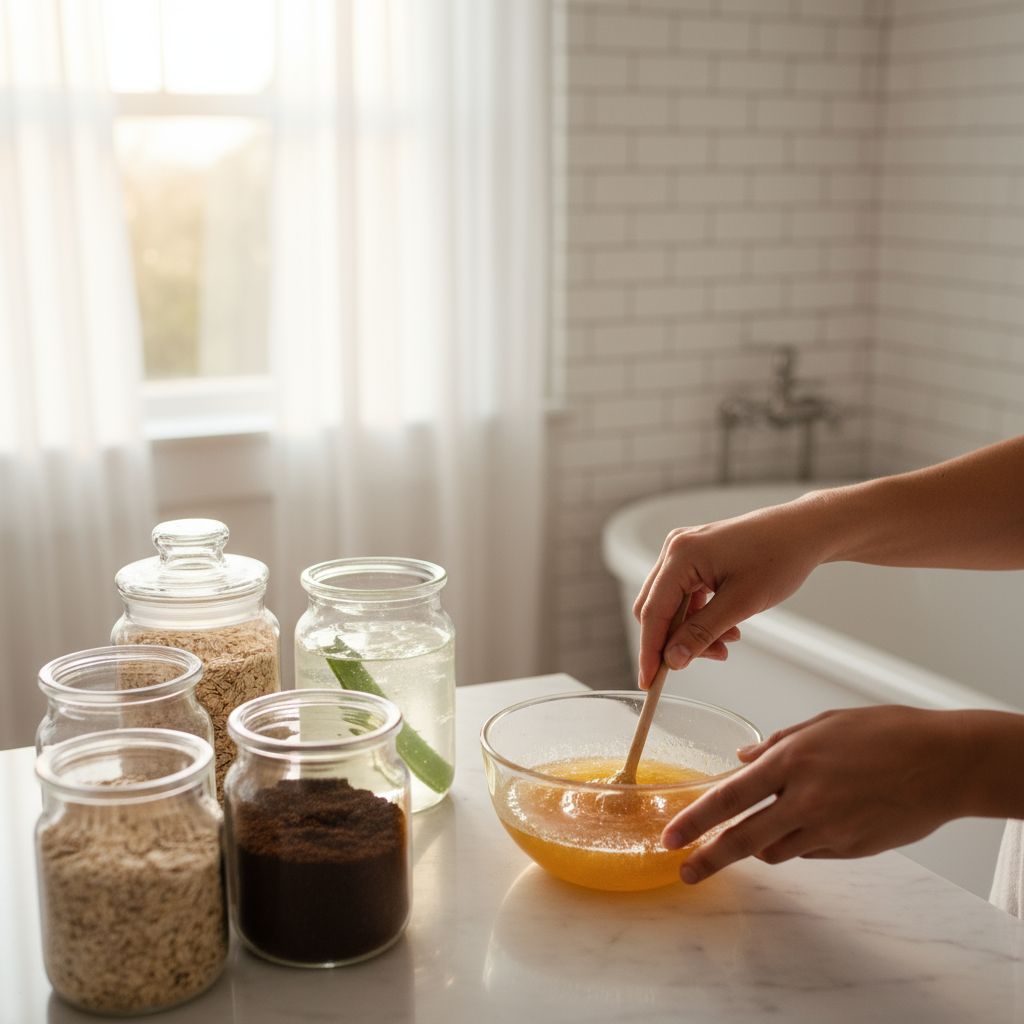
- Essential Ingredients and Recipes: Simple recipes using stuff you probably already have—avocado, honey, oils, aloe vera—plus which ones work best for different hair types.
- Application Techniques: The right way to apply these masks so you actually get results, from prep work to the final rinse.
- Safety and Precautions: How to test for allergies, which ingredients to avoid, and when you should probably just see a professional instead.
Throughout this guide, you’ll learn not just what to do, but why it works. We’ll get into the science (don’t worry, we’ll keep it simple), share practical tips that actually make a difference, and cover safety stuff so you can feel confident about what you’re putting on your hair. If you’re also interested in natural skincare, our DIY face scrubs guide pairs perfectly with hair care routines for a complete natural beauty approach.
By the time you finish reading this, you’ll have real recipes, real techniques, and the confidence to make hair masks a regular part of your routine. You’ll save money, avoid harsh chemicals, and actually enjoy taking care of your hair. Plus, there’s something pretty satisfying about mixing up your own treatments—it feels like you’re taking control of your hair care instead of just hoping the latest product will work.
Ready to see what your kitchen can do for your hair? Let’s get started with some seriously effective (and surprisingly simple) DIY hair masks that’ll leave your hair looking and feeling amazing.
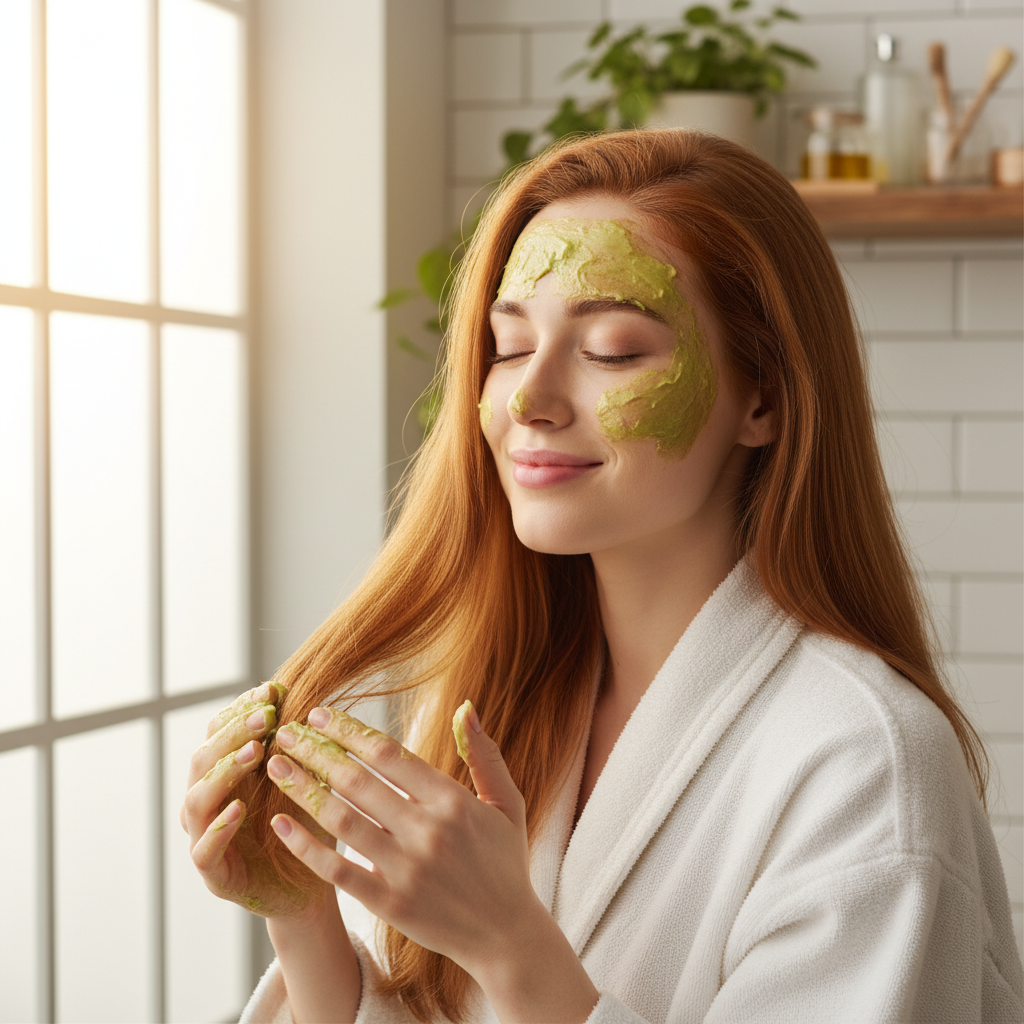
So you’ve gotten a taste of what DIY hair masks can do—pretty amazing, right? But here’s where it gets really interesting. These natural, kitchen-based treatments aren’t just trendy; they’re actually revolutionizing how we think about hair care. And trust me, once you understand why they work so well, you’ll wonder why you waited so long to try them. Whether your hair feels like straw, won’t stop breaking, or gets greasy by noon, we’re going to figure out exactly which masks will work for you. Plus, I’ll share some application tricks that make all the difference between “meh” results and “wow, what did you do to your hair?” moments.
Benefits and Advantages of DIY Hair Masks
Here’s the thing about making your own hair masks—they beat store-bought products in ways that might surprise you. First off, you know exactly what’s going on your hair. No mystery chemicals with names you can’t pronounce. No preservatives that strip away your hair’s natural oils (which, by the way, your hair actually needs). Just pure, simple ingredients that actually nourish instead of just coating your hair with silicones.
But the real magic? Customization. Think about it—your hair isn’t exactly like anyone else’s, so why use the same mask as everyone else? When you’re mixing up your own treatments, you can target exactly what your hair needs. Dry ends? Add some avocado. Oily roots? A little clay works wonders. Dull and lifeless? Honey brings back that shine like nothing else.
And let’s talk about your wallet for a second. Those fancy salon masks that cost $30+ for a tiny jar? You can make something just as effective (sometimes better) for a fraction of the cost using ingredients you probably already have. I’m talking avocado, honey, yogurt, oils—stuff that’s sitting in your kitchen right now. Plus, you’re doing the planet a favor by skipping all that plastic packaging. Win-win.
The convenience factor is huge too. No more running to the store when your hair feels like a haystack. No waiting for online orders. Just raid your fridge and pantry, and you’re good to go. These everyday ingredients are packed with nutrients that actually feed your hair follicles and scalp—not just make your hair look good temporarily. Want to explore more natural beauty treatments? Check out our guide on DIY face masks for glowing skin—it uses the same kitchen-staple approach for your face. And if you’re getting into the whole natural self-care thing, our DIY bath salts guide shows how homemade products can transform your entire wellness routine.
Key Aspects of Choosing DIY Hair Masks
Before you start mixing ingredients like a mad scientist, here’s what you need to consider for the best results:
- Ingredient Suitability: Match your ingredients to what your hair actually needs. Rich oils like coconut and olive are perfect for dry, damaged hair, while aloe vera is your best friend if your scalp gets irritated easily.
- Customization Potential: Don’t be afraid to experiment! Mix and match ingredients to tackle multiple issues—like adding protein for strength and moisture for hydration in the same mask.
- Freshness and Quality: Fresh ingredients make a difference. That week-old avocado that’s turning brown? Skip it. Spring for organic honey if you can—your hair will thank you.
- Frequency and Compatibility: Think about how often you’ll use masks and whether they play nice with your shampoo and conditioner. Some combinations work better than others.
Getting these basics right sets you up for success. Now let’s talk about how to actually apply these masks so you get the most bang for your buck.
Effective Application and Precautions for DIY Hair Masks
Okay, so you’ve mixed up the perfect mask. Now what? Here’s where a lot of people mess up—they just slap it on and hope for the best. But proper application? That’s where the magic really happens.
Start with clean, detangled hair. I know, I know—it seems obvious, but you’d be surprised how many people skip this step. Clean hair means better penetration, and detangled hair means even distribution without tugging and breaking. Use ingredients at room temperature (nobody wants cold avocado sliding down their neck), and work in sections. Think of it like painting a wall—you want full, even coverage.
Here’s a pro tip: massage it in. Really massage it. This isn’t just about getting the product distributed; you’re boosting blood circulation to your scalp, which helps your hair follicles get more nutrients. Your scalp will feel amazing, and your hair growth might even get a little boost.
When it’s time to rinse, use lukewarm water—not hot, not cold. Hot water strips away all the good stuff you just put on your hair, and cold water doesn’t rinse thoroughly. Follow up with a light conditioner if your hair feels like it needs it. Some masks are so moisturizing that you might not need anything else.
Now, let’s talk safety—because nobody wants a reaction that leaves them looking like they stuck their finger in an electrical socket. Always, always do a patch test first. Mix a tiny bit of your mask and test it on your inner wrist or behind your ear. Wait 24 hours. If you get any redness, itching, or irritation, skip that ingredient. And if you have ongoing scalp issues, hair loss, or anything that seems serious, talk to a professional. DIY is awesome, but it’s not a substitute for medical advice when you need it.
Want more tips on natural beauty treatments? Our DIY face masks guide has similar application techniques for your skin. And if you’re building a whole natural beauty routine, check out our DIY body scrubs guide—it’s all about using natural ingredients safely and effectively.
Key Application and Precaution Points
Keep these essentials in mind every time you use a hair mask:
- Preparation: Clean, detangled hair is non-negotiable. It makes everything else work better and prevents breakage during application.
- Application Technique: Section your hair, massage thoroughly, and don’t forget those ends. Your scalp and hair tips need the most attention.
- Rinsing and Aftercare: Lukewarm water is your friend. Follow with conditioner only if needed—sometimes these masks are moisturizing enough on their own.
- Allergy and Sensitivity Testing: A 30-second patch test can save you hours of regret. Trust me on this one—it’s worth the extra step.

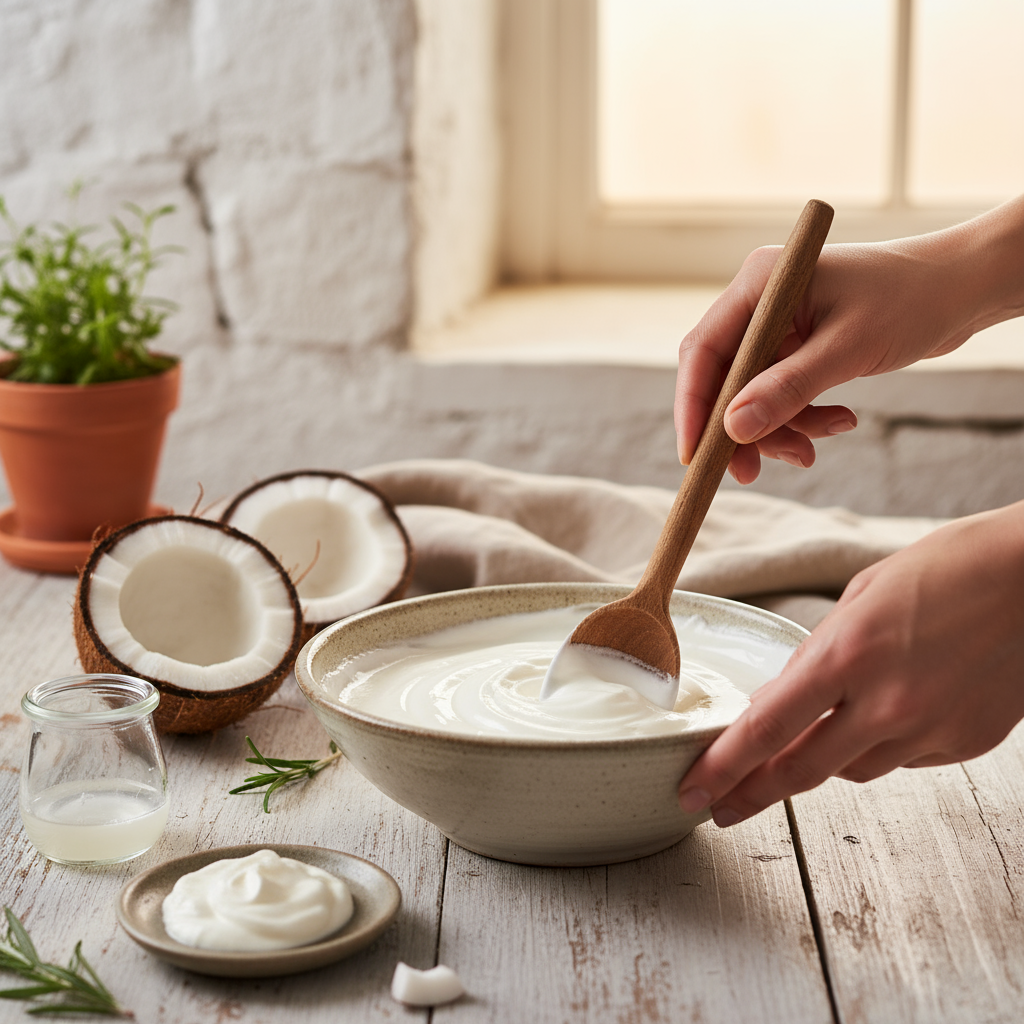
Here’s what I love most about DIY hair masks—they’re like giving your hair a custom-made spa treatment right in your own bathroom. No harsh chemicals, no breaking the bank, just pure nourishment from ingredients you probably already have in your kitchen. We’ve explored how simple things like avocado, honey, coconut oil, and aloe vera can work magic on everything from dry, damaged hair to an irritated scalp. And the best part? You get to play scientist and create exactly what your hair needs.
But it’s not just about the natural ingredients (though they’re pretty amazing). Think about it—every time you whip up a homemade mask, you’re saying no to another plastic bottle and yes to a more mindful way of caring for yourself. The application process itself becomes this little ritual: cleaning your hair, working the mask through with gentle massages that boost circulation, then rinsing with lukewarm water. It transforms your regular routine into something truly special. Just remember to patch test first—trust me, it’s worth those extra few minutes to avoid any unwanted surprises.
Ready to expand your DIY game? Your hair care routine is just the beginning. Our DIY body scrubs guide will help you create silky smooth skin from head to toe, while our DIY face masks collection gives you natural solutions for every skin concern. Want to create the ultimate at-home spa experience? Check out our DIY bath salts guide—nothing beats a relaxing soak after treating your hair. And if you’re feeling crafty, our DIY paper crafts offer the perfect stress-busting activity while your mask works its magic.
Don’t forget the bigger picture, though. Hair health isn’t just about what you put on it—it’s about how you treat it every single day. That’s where natural hair care routines come in handy, giving you the lifestyle tips and daily habits that keep your hair thriving. Combine those practices with your new DIY mask skills? That’s when you’ll really see the magic happen.
Look, DIY hair masks aren’t just about saving money or going green (though both are nice bonuses). They’re about taking control. Creating something with your own hands that makes you feel amazing. Knowing exactly what’s going on your hair and why. As you start making these masks part of your weekly routine, you’ll notice your hair getting stronger, shinier, and healthier. But more than that? You’ll feel proud knowing you did it yourself. Be patient with the process, trust what you’re doing, and get ready to fall in love with your hair all over again.
Frequently Asked Questions
-
How often should I use a DIY hair mask?
- Most hair types do great with a DIY mask once or twice a week—enough to keep things moisturized and strong without going overboard and weighing your hair down.
-
Can DIY hair masks work for all hair types?
- Absolutely! The beauty of natural ingredients is there’s something for everyone—whether you’re dealing with dry, oily, damaged, or color-treated hair, you can find (or create) the perfect recipe.
-
Are natural ingredients always safe?
- While natural is generally gentler than synthetic, your skin can still react to anything—that’s why patch testing is so important. Better safe than sorry, right?
-
How long should I leave a hair mask on?
- Anywhere from 15 to 30 minutes is usually the sweet spot—long enough for all those good ingredients to really penetrate your hair, but not so long that you get bored waiting around.
-
Can I use DIY hair masks on color-treated hair?
- You bet! Many natural masks are actually perfect for color-treated hair because they’re so gentle and hydrating—they can help your color last longer by keeping your strands healthy and strong.