How to Craft End Crystal: Expert’s Guide to Materials & Crafting
End crystals represent one of the most challenging and rewarding crafting projects in the building and construction community. Whether you’re working on structural reinforcement, decorative installations, or specialized construction applications, understanding the materials and crafting process is essential. This comprehensive guide walks you through every aspect of obtaining, preparing, and utilizing end crystals in your projects, drawing from industry expertise and best practices.
The process of crafting end crystals requires precision, safety awareness, and knowledge of specialized materials. Unlike standard construction projects, end crystal work demands attention to detail and proper handling procedures. This guide provides the technical foundation you need to approach this advanced crafting technique with confidence and professionalism.
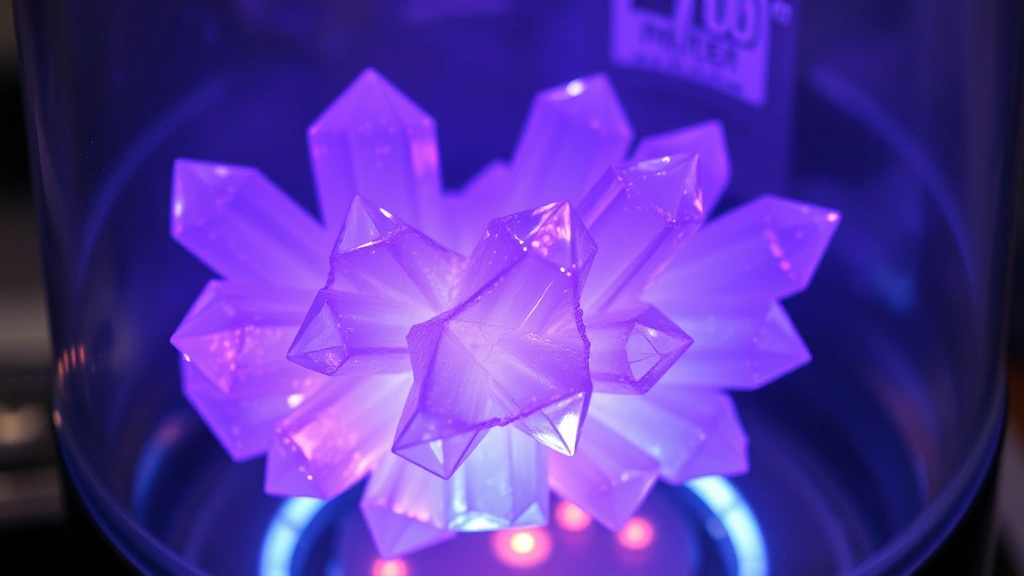
Understanding End Crystals and Their Applications
End crystals serve multiple purposes in advanced construction and specialized building applications. These crystalline structures are prized for their unique properties, including their ability to withstand extreme conditions and provide structural integrity in demanding environments. Understanding what end crystals are and how they function is the first step toward successful crafting.
In construction contexts, end crystals have become increasingly relevant for high-performance building materials and experimental architectural applications. The crafting process mirrors principles found in basement finishing and structural reinforcement projects, where precision and material knowledge are paramount. Professional builders recognize that working with specialized materials requires the same methodical approach you’d apply to any advanced DIY project.
End crystals can be utilized in various ways depending on your project goals. Some builders incorporate them into accent walls, while others use them for functional structural applications. The versatility of end crystals makes them valuable for both aesthetic and practical purposes in modern construction.
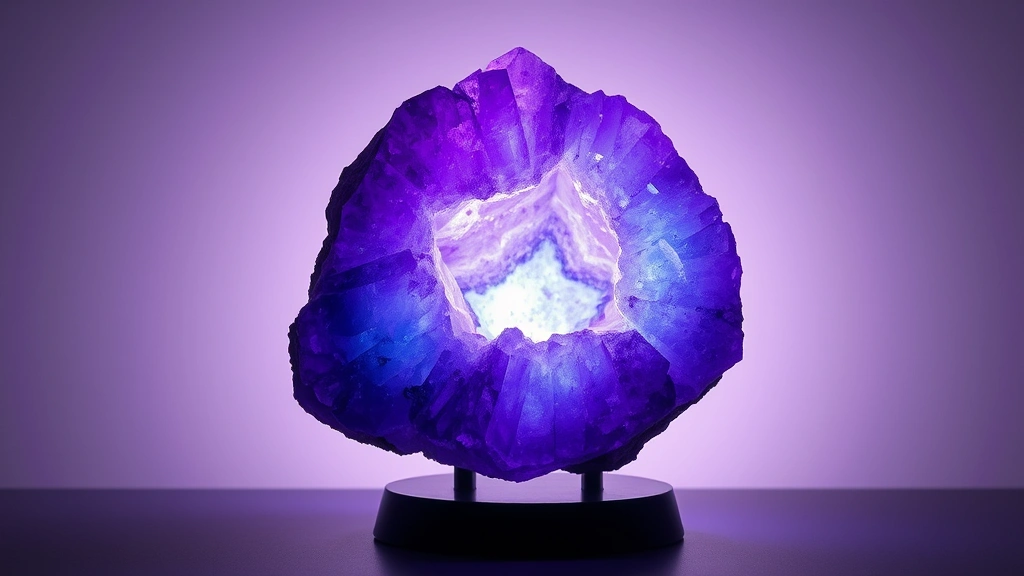
Essential Materials for End Crystal Crafting
Crafting end crystals requires gathering specific materials in precise quantities. The primary components include ender pearls, which form the base of your crystal structure, and ghast tears, which provide the crystalline binding properties. These materials are fundamental to the entire crafting process and cannot be substituted without compromising the integrity of your finished product.
Additional essential materials include:
- Obsidian – Provides structural stability and acts as a foundation base
- Glowstone – Creates the luminescent core that gives end crystals their distinctive appearance
- Purpur blocks – Offers aesthetic finishing and reinforcement properties
- Amethyst shards – Enhances crystalline formation and durability
- Crying obsidian – Adds specialized properties for advanced applications
When sourcing these materials, quality matters significantly. Purchase from reputable suppliers who can verify material authenticity and purity. Contaminated or low-grade materials will compromise your final product’s performance and longevity. As with any specialized craft, investing in premium materials upfront saves time and resources during the crafting process.
Material preparation is equally important as material selection. Before beginning your crafting process, inspect all components for defects, ensure proper storage conditions, and verify that materials meet industry standards. The preparation phase prevents costly mistakes later in the project.
Tools and Equipment Required
Successful end crystal crafting depends on having the right tools for each stage of the process. Unlike general construction work, this specialized craft requires precision instruments that facilitate accurate measurement and careful assembly.
Essential tools include:
- Crafting table – The primary workspace for combining materials
- Precision measuring instruments – For ensuring exact material proportions
- Safety equipment – Protective goggles, gloves, and respiratory protection
- Heating apparatus – Required for material fusion and crystallization
- Cooling station – Necessary for proper crystal formation
- Quality storage containers – For organizing materials and maintaining stability
Your workspace setup significantly influences crafting success. Ensure adequate ventilation, proper lighting, and organized material storage. A well-arranged workspace reduces errors and increases safety throughout the crafting process. Many experienced crafters recommend dedicating a specific area exclusively to end crystal work to minimize contamination risks and maintain consistent environmental conditions.
Temperature control represents a critical environmental factor. End crystals form optimally within specific temperature ranges, typically between 65-75 degrees Fahrenheit. Investing in climate control equipment for your workspace pays dividends in consistency and success rates. This mirrors the importance of proper environmental conditions in other advanced DIY projects documented in our comprehensive resource library.
Step-by-Step Crafting Process
The actual crafting of end crystals follows a methodical sequence that cannot be rushed or modified without consequences. Each step builds upon the previous one, creating a foundation for successful crystallization.
Step One: Material Preparation
Begin by preparing all materials according to specifications. Measure ender pearls and ghast tears in a 1:1 ratio, ensuring precise quantities. Place materials in your crafting table and verify measurements twice before proceeding. This initial verification prevents wasted materials and ensures proper chemical balance during fusion.
Step Two: Primary Fusion
Combine ender pearls and ghast tears in your crafting apparatus. Heat gradually to approximately 400 degrees, maintaining consistent temperature throughout the fusion phase. This step typically requires 15-20 minutes. Monitor temperature carefully, as overheating causes material degradation while insufficient heat prevents proper bonding.
Step Three: Crystalline Formation
Once primary fusion completes, introduce glowstone and purpur blocks to the mixture. These materials initiate the crystalline lattice formation. The combination triggers a chemical reaction that creates the distinctive crystal structure. This phase is visually apparent as the mixture begins developing visible crystalline formations.
Step Four: Structural Reinforcement
Add amethyst shards during the cooling process to reinforce crystal structure. This timing is crucial—adding shards too early disrupts formation, while adding them too late prevents proper integration. Experienced crafters recommend introducing shards when the mixture reaches approximately 200 degrees during cooling.
Step Five: Final Assembly
Once crystallization completes and the mixture cools to room temperature, carefully remove the formed crystal from your apparatus. Handle with extreme care, as end crystals remain fragile immediately after formation. Place in a secure container for storage and transport.
Safety Considerations and Best Practices
Working with materials required for end crystal crafting demands serious attention to safety protocols. These materials can be hazardous when mishandled, making comprehensive safety awareness non-negotiable.
Personal Protective Equipment
Always wear appropriate protective equipment when crafting end crystals. This includes safety goggles to protect eyes from potential crystalline fragments, heavy-duty gloves to prevent skin contact with heated materials, and respiratory protection when working with powdered components. Proper PPE represents your first line of defense against potential injuries.
Ventilation Requirements
Adequate ventilation is essential throughout the crafting process. Install exhaust systems or work in well-ventilated outdoor areas when possible. Certain material combinations release gases that can be harmful in enclosed spaces. Never compromise on ventilation, even when working in cold weather.
Temperature Management
Heating apparatus used in end crystal crafting reach dangerous temperatures. Establish clear safety zones around heating equipment and never leave active heating unattended. Use proper insulation and protective barriers to prevent accidental contact. Allow all equipment to cool completely before handling or storing.
Material Storage Safety
Store materials in clearly labeled, sealed containers kept in cool, dry locations. Separate incompatible materials to prevent accidental reactions. Maintain detailed inventory records and follow manufacturer recommendations for each material. Proper storage prevents accidents and maintains material quality.
Common Mistakes and How to Avoid Them
Even experienced crafters encounter challenges when working with end crystals. Understanding common mistakes helps you avoid costly errors and achieve better results.
Incorrect Material Ratios
The most frequent mistake involves using incorrect proportions of ender pearls and ghast tears. Deviating from the 1:1 ratio compromises crystal formation and creates unstable structures. Always measure materials precisely using calibrated instruments. When in doubt, remeasure before proceeding.
Temperature Fluctuations
Inconsistent heating causes incomplete fusion and poor crystallization. Invest in reliable temperature monitoring equipment and maintain steady heat throughout the process. Sudden temperature changes during cooling can cause crystal fracturing. Create a stable thermal environment by minimizing air currents and external temperature variations.
Contamination Issues
Even small amounts of foreign materials contaminate the entire batch. Work in clean environments, use dedicated equipment not used for other purposes, and handle materials with clean hands or gloves. Contamination often goes unnoticed until the final product fails, making prevention vastly preferable to remediation.
Rushing the Process
End crystal crafting cannot be accelerated without consequences. Each phase requires specific timeframes for proper completion. Attempting to speed up cooling or crystallization produces inferior results. Patience throughout the process yields superior end crystals with better longevity and performance characteristics.
Inadequate Workspace Preparation
Beginning crafting without properly prepared workspace leads to mistakes and safety hazards. Spend time organizing your crafting area, ensuring proper tool placement, and verifying equipment functionality before starting. A well-prepared workspace supports focus and reduces errors throughout the crafting process.
Finishing and Installation Techniques
After successfully crafting your end crystal, proper finishing and installation ensure optimal performance in your intended application. This final phase determines whether your crafting effort achieves its full potential.
Crystal Inspection and Quality Assessment
Examine your finished end crystal carefully for defects, cracks, or incomplete crystallization. Look for uniform color, consistent transparency, and proper structural integrity. Minor surface imperfections are normal, but significant flaws indicate process issues requiring investigation. Document any anomalies for future reference and process improvement.
Protective Finishing
Apply appropriate protective coatings based on your intended use. For decorative applications, clear sealants preserve appearance while protecting from dust and minor damage. For structural applications, reinforcing coatings enhance durability and weather resistance. Select finishes compatible with your specific end crystal composition.
Installation Procedures
When installing finished end crystals, handle with care to avoid damage. Secure installations properly to prevent displacement or damage from vibration. For structural applications, follow engineering specifications and building codes. Consult with the International Code Council regarding code compliance for your specific application. Many installations benefit from professional assessment before completion.
For decorative applications, consider lighting to showcase the crystal’s luminescent properties. Proper lighting enhances visual impact while creating functional illumination. Position end crystals to maximize their aesthetic contribution to your space.
Maintenance and Care
Finished end crystals require minimal maintenance but benefit from periodic inspection. Check installations regularly for any signs of damage, displacement, or deterioration. Clean surfaces gently with soft cloths to maintain appearance. Store spare or replacement crystals in appropriate conditions to maintain their properties until needed.
Consider the long-term implications of your end crystal installation. Environmental factors like temperature fluctuations, humidity, and exposure to elements affect longevity. Plan maintenance schedules and budget for eventual replacement as part of your overall project planning.
Frequently Asked Questions
What is the exact ratio of materials needed for end crystal crafting?
The primary ratio is 1 part ender pearls to 1 part ghast tears by weight. Precise measurement using calibrated scales ensures consistent results. Additional materials like glowstone and purpur blocks are typically added at 0.5 parts each relative to the primary materials.
How long does the complete crafting process take?
From material preparation to finished product, expect 2-4 hours depending on your experience level and equipment. Initial heating and fusion requires 15-20 minutes, crystallization takes 30-45 minutes, and cooling requires 1-2 hours. Never rush these phases, as proper timing is essential for quality results.
Can I substitute materials if I don’t have exact components?
Material substitution is not recommended and typically produces inferior results. Each component serves a specific function in the crystallization process. Using alternative materials disrupts the chemical balance and compromises the final product’s integrity and performance characteristics.
What safety equipment is absolutely essential?
At minimum, safety goggles, heavy-duty heat-resistant gloves, and respiratory protection are non-negotiable. Additionally, ensure your workspace has proper ventilation and fire suppression equipment readily available. Never compromise on safety equipment, as the risks associated with end crystal crafting are substantial.
How should I store finished end crystals?
Store crystals in padded, sealed containers in cool, dry environments. Avoid temperature fluctuations and direct sunlight. Maintain humidity levels between 30-50% for optimal preservation. Proper storage can extend crystal lifespan indefinitely, making careful storage worthwhile.
Are there building codes I need to follow for end crystal installations?
Building codes vary by jurisdiction and application. For structural applications, consult the National Fire Protection Association and local building authorities. Many jurisdictions require professional engineering review for novel materials. Always verify compliance before installation to avoid costly modifications later.
What causes crystal clouding or discoloration?
Clouding typically results from contamination during crafting or improper storage conditions. Discoloration can indicate incomplete crystallization, temperature fluctuations during cooling, or material degradation. Prevent these issues through meticulous process control and proper storage practices.
Can I repair a cracked end crystal?
Repair of damaged end crystals is generally not recommended, as structural integrity becomes compromised. Small surface cracks may be stabilized with appropriate sealants for decorative applications, but structural applications require replacement of damaged crystals. Prevention through careful handling is preferable to attempted repair.
How does end crystal crafting compare to other advanced DIY projects?
Like other specialized crafting endeavors documented in comprehensive DIY guides, end crystal work requires patience, precision, and attention to detail. The principles of careful planning, proper tool selection, and methodical execution apply across all advanced craft projects. Success comes from respecting the process and avoiding shortcuts.