When working on DIY skincare projects, homemade remedies, or craft solutions, precise measurements are crucial for achieving consistent results. One of the most common measurement challenges DIY enthusiasts face is converting milliliters to drops, particularly when following recipes that call for small quantities of essential oils, extracts, or concentrated solutions. Understanding this conversion is essential for creating effective and safe homemade products.
The relationship between milliliters and drops isn’t as straightforward as many assume, as it depends on several factors including liquid viscosity, dropper size, and environmental conditions. This comprehensive guide will help you master accurate measurements for all your DIY projects, ensuring professional-quality results every time you create homemade beauty products, cleaning solutions, or craft materials.
Basic Conversion: 1ml to Drops
The standard conversion for most liquids is approximately 20 drops per milliliter, though this can vary significantly depending on the liquid’s properties and the dropper being used. This baseline measurement serves as a starting point for most DIY applications, but understanding the variables that affect this ratio is crucial for accurate results.
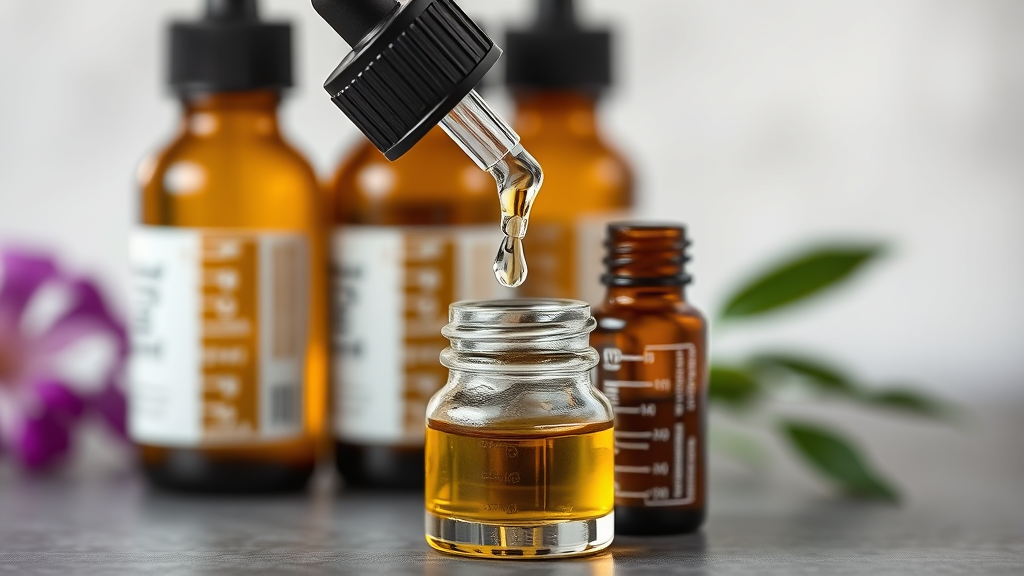
For water-based solutions at room temperature, the 20-drop rule generally applies. However, when working with oils, alcohol-based tinctures, or viscous liquids, you’ll need to adjust your calculations accordingly. Essential oils, commonly used in DIY skincare recipes, typically produce 15-18 drops per milliliter due to their lower surface tension and different viscosity properties.
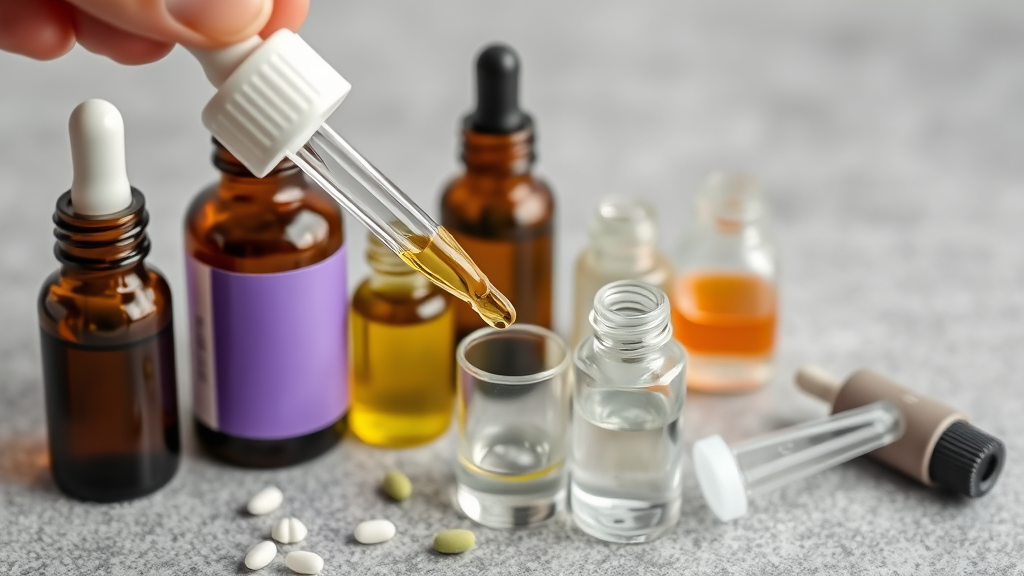
Professional laboratories often use standardized droppers that deliver exactly 0.05ml per drop, resulting in precisely 20 drops per milliliter. However, household droppers can vary significantly, producing anywhere from 15 to 25 drops per milliliter. This variation makes it essential to test your specific dropper with the liquids you’ll be using most frequently in your DIY projects.
Factors Affecting Drop Measurements
Several key factors influence the number of drops you’ll get from one milliliter of liquid. Understanding these variables helps ensure consistent results across different projects and environmental conditions. Temperature plays a significant role, as warmer liquids generally have lower viscosity and produce smaller drops, while cooler liquids create larger drops.
Liquid viscosity is perhaps the most critical factor affecting drop size. Thin liquids like water or alcohol-based solutions create smaller drops, while thick liquids such as glycerin or honey produce much larger drops. When creating homemade face masks or beauty treatments, this variation becomes particularly important for achieving the right consistency and effectiveness.
The dropper’s opening size and material also significantly impact drop formation. Glass droppers typically produce more consistent drops than plastic ones, while larger openings create bigger drops. Environmental factors such as humidity and air pressure can also affect drop size, though these variations are usually minimal for most DIY applications.
Surface tension varies between different liquids, affecting how drops form and separate from the dropper. Oils generally have lower surface tension than water, creating smaller drops, while solutions with surfactants or detergents may behave differently. The National Institute of Standards and Technology provides detailed information about liquid properties that can help you understand these variations better.
Essential Measuring Tools and Techniques
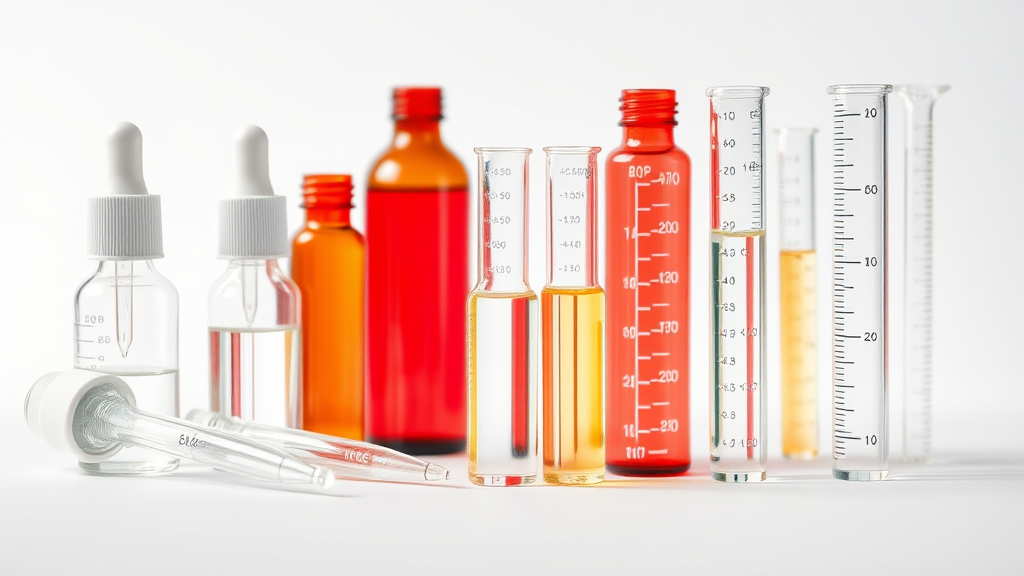
Investing in quality measuring tools significantly improves the accuracy and consistency of your DIY projects. Graduated cylinders, available in various sizes, provide the most accurate measurements for milliliter quantities. For drop counting, calibrated droppers or pipettes offer superior precision compared to standard eyedroppers found in most households.
Digital scales capable of measuring to 0.1 grams can be invaluable for very small quantities. Since 1ml of water weighs approximately 1 gram, you can use weight measurements as a cross-reference for volume measurements. This technique proves particularly useful when working with expensive ingredients like essential oils or specialized extracts.
When measuring drops, maintain consistent technique by holding the dropper vertically, allowing drops to form naturally without rushing, and counting carefully. Practice with water first to establish your baseline measurements with your specific equipment. Keep a measurement log for your most frequently used liquids and droppers to ensure consistency across multiple projects.
For projects requiring extreme precision, consider using microsyringes or adjustable pipettes. These tools, commonly available from scientific supply companies, can deliver exact volumes down to microliters. While initially more expensive, they pay for themselves through reduced waste and improved project outcomes.
DIY Applications and Project Examples
Understanding milliliter-to-drop conversions proves essential in numerous DIY applications. When creating homemade bath salts, essential oil measurements often call for specific drop counts rather than milliliter measurements. Knowing that lavender essential oil typically produces about 16-17 drops per milliliter helps you scale recipes accurately.
Skincare formulations require particularly precise measurements for active ingredients. When making vitamin C serums or retinol treatments, even small measurement errors can affect product stability and effectiveness. DIY body scrub recipes often specify essential oil quantities in drops, making accurate conversion knowledge crucial for achieving the desired scent intensity without skin irritation.
Cleaning solution recipes frequently use concentrated ingredients measured in drops. When creating natural disinfectants or specialized cleaning products, understanding these conversions ensures effective cleaning power while maintaining safety standards. The Environmental Protection Agency provides guidelines for safe DIY cleaning product concentrations that rely on accurate measurements.
Craft projects such as soap making, candle creation, and resin work also depend on precise measurements. Fragrance oils, colorants, and additives are typically measured in small quantities where drop-to-milliliter accuracy directly affects the final product quality. Many professional crafters maintain conversion charts specific to their most-used materials.
Troubleshooting Common Measurement Issues
Even experienced DIY enthusiasts encounter measurement challenges. Inconsistent drop sizes often result from environmental factors or technique variations. To minimize these issues, perform all measurements in a controlled environment with stable temperature and humidity when possible. Allow liquids to reach room temperature before measuring unless the recipe specifically requires different conditions.
When drops seem too large or small compared to expected measurements, first verify your dropper’s calibration by testing with distilled water. Count drops carefully into a graduated cylinder or onto a digital scale to establish your specific dropper’s characteristics. Document these findings for future reference, as dropper performance can change over time due to wear or residue buildup.
Contamination between different liquids can affect drop formation and measurement accuracy. Always clean droppers thoroughly between uses, especially when switching between oil-based and water-based solutions. Use appropriate cleaning solvents such as isopropyl alcohol for oil removal, followed by distilled water rinses.
For projects requiring multiple small measurements, batch preparation can improve consistency. Measure larger quantities when possible, then divide into smaller portions rather than measuring tiny amounts multiple times. This approach reduces cumulative measurement errors and saves time during project execution.
Safety Considerations for DIY Measuring
Accurate measurements aren’t just about project quality—they’re essential for safety, especially when working with concentrated ingredients or potentially hazardous materials. Essential oils, while natural, can cause skin irritation or allergic reactions if used in excessive concentrations. Following proper conversion guidelines helps ensure safe usage levels.
Always wear appropriate protective equipment when measuring chemicals or concentrated solutions. Safety glasses, gloves, and adequate ventilation become particularly important when working with small quantities where measurement errors can significantly affect concentration levels. The Occupational Safety and Health Administration provides comprehensive safety guidelines for handling various chemicals in DIY applications.
Label all measured quantities clearly and immediately. Small containers of measured ingredients can easily be confused, leading to dangerous mix-ups. Use waterproof labels and permanent markers to prevent accidental misidentification. Store measured ingredients in appropriate containers away from children and pets.
When working with new ingredients or unfamiliar liquids, start with smaller test batches to verify measurements and observe results before scaling up to larger quantities. This approach minimizes waste and potential safety risks while allowing you to refine your measurement techniques. Consider consulting resources like Poison Control for information about specific ingredient safety profiles.
Maintain detailed records of your measurements and results. This documentation helps identify patterns in measurement accuracy and provides valuable reference information for future projects. Note any variations in drop size, environmental conditions, and final product outcomes to continuously improve your measurement techniques.
Frequently Asked Questions
How many drops equal 1ml for essential oils?
Essential oils typically produce 15-18 drops per milliliter, depending on the specific oil’s viscosity and the dropper being used. Thicker oils like sandalwood or vetiver may produce fewer drops, while thinner oils like eucalyptus or peppermint may produce more. Always test your specific combination of oil and dropper for the most accurate measurements in your DIY projects.
Does the dropper type affect the number of drops per milliliter?
Yes, dropper type significantly affects drop count. Glass droppers with standardized openings typically produce more consistent results than plastic droppers. Medical-grade droppers are calibrated to deliver approximately 20 drops per milliliter, while household droppers can vary from 15-25 drops per milliliter. The dropper’s opening size, material, and design all influence drop formation and size.
Can I use a regular kitchen measuring spoon instead of counting drops?
While kitchen measuring spoons work for larger quantities, they’re not accurate for the small measurements typically required in DIY skincare and craft projects. The smallest standard measuring spoon is 1/8 teaspoon, which equals approximately 0.6ml—too large for most essential oil or extract measurements. For projects requiring precision, stick to calibrated droppers or syringes.
How do temperature changes affect drop measurements?
Temperature significantly affects liquid viscosity and drop size. Warmer liquids generally have lower viscosity and form smaller drops, while cooler liquids create larger drops. For most accurate results, measure ingredients at room temperature (around 68-72°F) unless your recipe specifically requires different conditions. Allow refrigerated ingredients to warm up before measuring.
What’s the most accurate way to measure very small quantities for DIY projects?
For maximum accuracy in small quantity measurements, use calibrated microsyringes or adjustable pipettes rather than counting drops. These tools can measure precise volumes down to microliters. Digital scales accurate to 0.1 grams also provide excellent precision, especially for water-based solutions where 1ml equals approximately 1 gram. Combine multiple measurement methods for critical applications.
How can I convert drop measurements from different recipes that use different droppers?
To standardize measurements between recipes using different droppers, first calibrate each dropper by measuring how many drops it takes to equal 1ml of distilled water. Create a conversion chart for your droppers, then adjust recipe quantities accordingly. When sharing recipes, always specify the dropper type used or provide milliliter measurements alongside drop counts for better accuracy.
Are there any liquids where the standard conversion doesn’t apply?
Yes, several liquids deviate significantly from the standard 20-drops-per-milliliter rule. Very viscous liquids like glycerin or honey may produce only 10-12 drops per milliliter, while very thin liquids like isopropyl alcohol might produce 22-25 drops per milliliter. Surfactant-containing solutions and liquids with unusual surface tension properties also require individual calibration for accurate measurements.