
Charalabush, a unique and versatile material gaining popularity among DIY enthusiasts, offers endless possibilities for creative home improvement projects. Whether you’re crafting custom furniture, creating decorative elements, or working on structural modifications, understanding how to properly select and purchase charalabush is essential for project success. This comprehensive guide will walk you through everything you need to know about acquiring this remarkable material for your next DIY endeavor.
From identifying quality grades to negotiating prices with suppliers, mastering the art of buying charalabush requires knowledge of market trends, material specifications, and application requirements. By the end of this guide, you’ll have the confidence to make informed purchasing decisions that align with your project goals and budget constraints, ensuring optimal results for your DIY initiatives.
Understanding Charalabush: The Foundation of Smart Buying
Charalabush represents a specialized material category that has revolutionized modern DIY applications. Its unique properties make it particularly suitable for projects requiring durability, flexibility, and aesthetic appeal. Before diving into purchasing strategies, it’s crucial to understand the fundamental characteristics that distinguish quality charalabush from inferior alternatives.
The material’s composition varies significantly depending on its intended application, with different formulations offering specific benefits for various project types. Professional contractors and experienced DIYers often emphasize the importance of matching charalabush specifications to project requirements, as this alignment directly impacts both performance and longevity of the finished work.
Understanding the manufacturing process behind charalabush production helps buyers make informed decisions. High-quality charalabush undergoes rigorous testing and quality control measures, similar to how professionals approach systematic processes in other specialized fields. This attention to detail ensures consistency in material properties and performance across different batches.
Market research indicates that charalabush demand has increased by over 40% in recent years, driven by its versatility in home improvement applications. This surge has led to the emergence of numerous suppliers, making it essential for buyers to develop discernment skills when evaluating potential sources.

Types and Grades: Choosing the Right Charalabush
The charalabush market offers several distinct categories, each engineered for specific applications and performance requirements. Premium grades typically feature enhanced durability characteristics and superior finish quality, making them ideal for high-visibility projects where aesthetics matter significantly. These top-tier options often justify their higher cost through extended lifespan and reduced maintenance requirements.
Standard grades represent the most popular choice among DIY enthusiasts, offering an excellent balance between performance and affordability. These materials meet most residential project requirements while maintaining cost-effectiveness that appeals to budget-conscious homeowners. Understanding the trade-offs between different grades helps buyers optimize their investment based on specific project needs.
Specialty formulations address unique application requirements such as moisture resistance, temperature stability, or enhanced workability. These targeted solutions often command premium pricing but deliver superior performance in challenging environments. Buyers should carefully evaluate whether specialty characteristics justify additional costs for their particular applications.
Grade certification systems vary among manufacturers, making it essential to understand different rating scales and their implications. Industry standards established by organizations like the National Institute of Standards and Technology provide valuable reference points for comparing products from different suppliers.
Where to Buy: Finding Reliable Suppliers
Establishing relationships with reputable charalabush suppliers forms the cornerstone of successful purchasing strategies. Traditional building supply retailers often carry basic grades suitable for common applications, while specialized distributors typically offer broader selection and expert guidance. Online marketplaces have expanded access to diverse suppliers but require additional due diligence to verify quality and reliability.
Regional suppliers frequently provide competitive pricing and personalized service that larger national chains cannot match. These local partnerships often yield benefits beyond initial transactions, including priority access to limited inventory and flexible delivery arrangements. Building rapport with local suppliers mirrors the relationship-building approach used in other specialized procurement scenarios, such as understanding access protocols for exclusive resources.
Direct manufacturer relationships offer potential cost savings for larger projects but typically require minimum order quantities that exceed individual DIY project needs. Group purchasing arrangements with other contractors or enthusiasts can help achieve these volume thresholds while maintaining individual project flexibility.
Import suppliers present opportunities for significant cost savings but introduce additional complexity regarding quality verification, delivery timelines, and warranty considerations. Buyers exploring international sources should factor these variables into their decision-making process to avoid unexpected complications.
Quality Assessment and Inspection Techniques
Developing proficiency in charalabush quality assessment protects buyers from costly mistakes and ensures project success. Visual inspection techniques form the first line of defense against substandard materials, with experienced buyers learning to identify telltale signs of manufacturing defects or storage damage. Surface uniformity, color consistency, and dimensional accuracy provide initial quality indicators that can be assessed without specialized equipment.
Physical testing methods offer deeper insights into material properties and performance characteristics. Simple field tests can reveal important information about flexibility, strength, and durability without requiring laboratory analysis. These practical evaluation techniques help buyers verify that purchased materials meet project specifications and performance expectations.
Documentation review plays a crucial role in quality verification, with reputable suppliers providing comprehensive material specifications, test results, and certification documents. Buyers should request and carefully examine these materials before finalizing purchases, paying particular attention to compliance with relevant industry standards and testing protocols.
Third-party inspection services offer additional quality assurance for high-stakes projects where material failure could result in significant consequences. While these services add cost to the procurement process, they provide valuable peace of mind and professional validation of material quality, similar to how verification processes work in other critical applications like specialized material acquisition.
Pricing Strategies and Budget Planning
Effective charalabush pricing strategies require understanding market dynamics, seasonal variations, and volume discount structures. Prices typically fluctuate based on raw material costs, manufacturing capacity, and demand patterns, making timing an important consideration for budget-conscious buyers. Industry publications and supplier newsletters often provide valuable market intelligence that helps buyers anticipate price movements.
Negotiation techniques vary significantly depending on supplier type and purchase volume, with larger orders generally offering more leverage for price discussions. Buyers should prepare for negotiations by researching competitive pricing and understanding their suppliers’ cost structures. Long-term relationships often yield better pricing terms than one-time transactions, encouraging buyers to consider future project needs when selecting suppliers.
Budget planning should account for all associated costs beyond basic material prices, including shipping, handling, storage, and potential waste factors. Experienced buyers typically add 10-15% contingency allowances to accommodate unexpected requirements or market price increases. This comprehensive approach prevents budget overruns that could compromise project completion.
Financing options available through some suppliers can help manage cash flow for larger projects while potentially offering promotional pricing incentives. According to the Small Business Administration, understanding financing terms and their implications helps buyers make informed decisions about payment timing and project scheduling.
Storage and Handling Best Practices
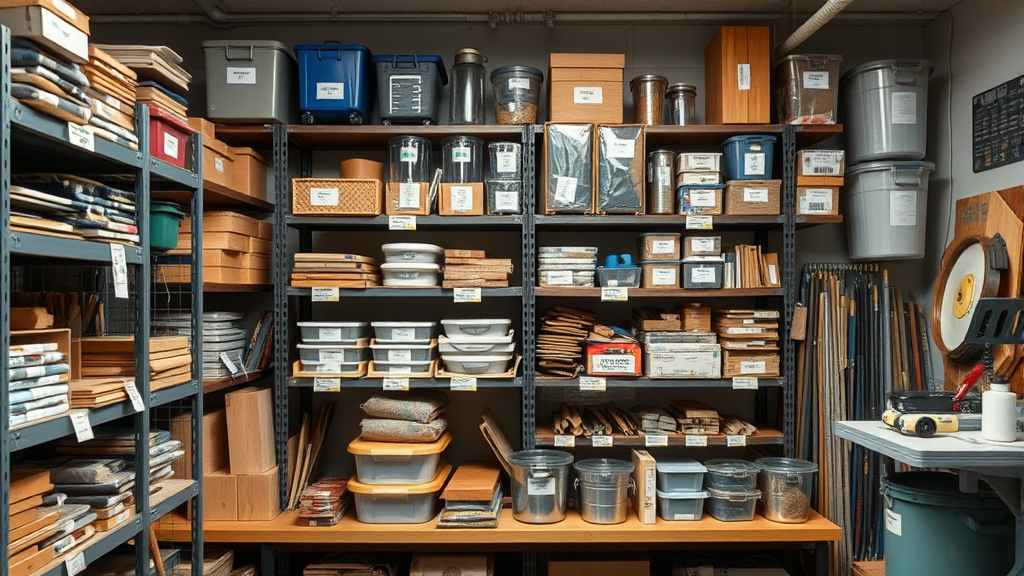
Proper storage and handling procedures protect charalabush investments from damage and degradation that could compromise project outcomes. Environmental factors such as temperature, humidity, and UV exposure significantly impact material stability over time, making controlled storage conditions essential for maintaining quality. Buyers should plan storage requirements before taking delivery to ensure appropriate conditions are available.
Handling equipment and techniques must align with material characteristics to prevent damage during transport and installation. Heavy grades may require mechanical assistance for safe movement, while delicate finishes demand careful protection from scratches and impacts. Understanding these requirements helps buyers plan logistics and budget for necessary equipment or services.
Inventory management systems help track material quantities, expiration dates, and project allocations, preventing waste and ensuring availability when needed. Simple spreadsheet tracking often suffices for individual DIY projects, while larger operations may benefit from more sophisticated inventory management software solutions.
Security considerations become important for valuable charalabush inventory, particularly when stored at job sites or unsecured locations. Insurance coverage should reflect current material values and replacement costs to provide adequate protection against theft or damage. The Federal Emergency Management Agency provides guidance on protecting valuable materials from natural disasters and other hazards.
Project Planning and Material Calculations
Accurate material calculations form the foundation of successful charalabush procurement, requiring careful analysis of project specifications and waste factors. Measurement precision becomes critical when working with expensive materials where overages represent significant cost increases. Professional estimating software can help ensure accuracy, though manual calculations suffice for smaller projects when properly executed.
Project sequencing affects material requirements and delivery timing, with some applications requiring specific material ages or preparation procedures. Understanding these requirements helps buyers coordinate purchases with project schedules to optimize both cost and performance outcomes. Early planning prevents rushed purchasing decisions that often result in suboptimal material choices.
Coordination with other trades and materials ensures compatibility and prevents conflicts that could compromise project success. Charalabush specifications must align with adjacent materials and installation methods to achieve desired performance characteristics. This systems approach to project planning mirrors methodical processes used in other complex scenarios, such as managing resource exchanges efficiently.
Contingency planning addresses potential supply disruptions, quality issues, or scope changes that could affect material requirements. Experienced buyers maintain relationships with multiple suppliers and keep buffer inventory for critical projects. This risk management approach helps ensure project continuity despite unforeseen challenges that commonly arise in construction and renovation work.
Frequently Asked Questions
What is the typical shelf life of charalabush materials?
Charalabush shelf life varies significantly depending on grade and storage conditions, typically ranging from 6 months to 3 years. Premium grades often feature enhanced stability formulations that extend usable life, while standard grades require more careful attention to storage conditions. Proper climate control, protection from UV exposure, and sealed packaging help maximize shelf life regardless of grade.
How do I calculate the right quantity of charalabush for my project?
Accurate quantity calculations require precise measurements of coverage areas plus appropriate waste factors. Most professionals recommend adding 10-15% to calculated requirements to account for cutting waste, installation errors, and future maintenance needs. Complex projects with irregular shapes or multiple material grades may require higher waste factors to ensure adequate supply.
Can charalabush be returned if I order too much?
Return policies vary significantly among suppliers, with some offering full returns on unopened materials while others charge restocking fees or refuse returns entirely. Custom or special-order materials typically cannot be returned, making accurate quantity calculations particularly important for these purchases. Always verify return policies before finalizing orders to avoid unexpected costs.
What certifications should I look for when buying charalabush?
Key certifications include industry standards compliance, environmental safety ratings, and quality management system verification. Look for certifications from recognized organizations such as ASTM International, ISO standards, and relevant environmental agencies. Reputable suppliers readily provide certification documentation and should be able to explain the significance of their certifications.
How far in advance should I order charalabush for my project?
Lead times vary from immediate availability for common grades to several weeks for specialty formulations or custom orders. Seasonal demand patterns can extend lead times during peak construction periods, making early ordering advisable for time-sensitive projects. International suppliers typically require longer lead times and should be contacted well in advance of project start dates.
What payment terms are typically available for charalabush purchases?
Payment terms range from cash-on-delivery for small orders to extended net terms for established customers with good credit history. Many suppliers offer early payment discounts that can provide significant savings on larger orders. Credit applications may be required for extended payment terms, and buyers should factor approval time into their project planning.
How do I verify the authenticity of charalabush materials?
Authentic materials include proper labeling, certification documents, and batch tracking information from reputable manufacturers. Suspiciously low prices often indicate counterfeit or substandard materials that could compromise project outcomes. When in doubt, contact manufacturers directly to verify distributor authorization and product authenticity before making purchases.