Build a Treehouse? Expert Tips Inside
Building a treehouse is one of the most rewarding DIY projects you can undertake, combining structural engineering, safety considerations, and creative design into a single elevated sanctuary. Whether you’re creating a childhood retreat, a backyard escape, or an adventure space inspired by fantastical tales of dragons and distant lands, understanding the fundamentals of treehouse construction is essential. This comprehensive guide walks you through every phase of the process, from site selection and tree assessment to final safety inspections.
A well-constructed treehouse requires careful planning, proper materials, and adherence to safety standards. Unlike ground-level structures, treehouses demand respect for both the natural environment and the laws of physics. The stakes are literally higher when you’re building several feet above the ground, making expert guidance invaluable before you hammer the first nail.
Selecting the Right Tree
The foundation of any treehouse project begins with selecting appropriate trees. Not all trees are created equal when it comes to supporting human structures. You need trees that are healthy, mature, and structurally sound enough to bear significant weight without compromising their integrity or yours.
Species Matters Greatly: Hardwood trees like oak, maple, ash, and fir are excellent choices because they have dense wood that resists splitting and provides superior support. Avoid soft woods like pine, willow, or birch, which are prone to decay and cannot safely support the loads required for human occupancy. Coniferous trees may seem sturdy, but their wood is generally softer and more susceptible to damage from fasteners.
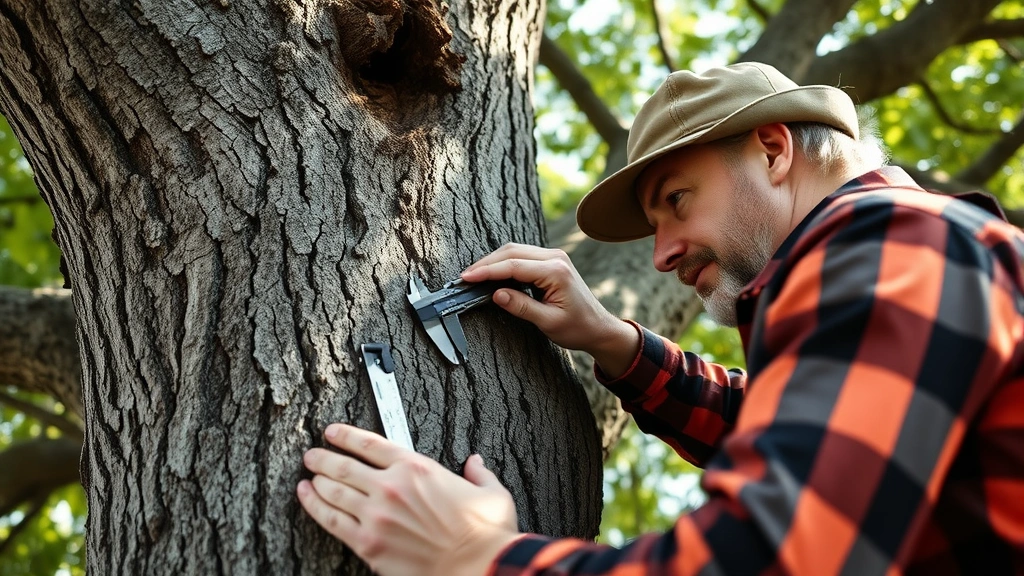
Look for trees with a minimum diameter of 12 inches at the point where you’ll install your support system. Ideally, you want trees that are 40-60 feet tall with healthy canopies and no signs of disease, dead branches, or structural damage. Multiple trees are preferable to single-tree designs because they distribute weight more evenly and provide redundancy in case of branch failure.
Examine the tree’s health indicators carefully. Remove any bark and look for signs of rot, fungal growth, or pest damage. The wood should be firm and pale colored when exposed. If you press your thumb into exposed wood and it leaves an indentation, the tree has decay and should not be used. Consult a certified arborist if you’re uncertain about tree health—this consultation costs far less than dealing with structural failure.
Consider the tree’s location on your property. Ensure it’s positioned where falling branches won’t damage structures or power lines, and where your treehouse won’t violate property line setbacks or local ordinances. Check for underground utilities before any excavation or heavy equipment work.
Understanding Load Capacity and Structural Design
Proper load calculations are non-negotiable for treehouse safety. The platform must support not just the occupants but also the structure itself, furnishings, and dynamic loads from movement and weather.
Load Categories: Dead load refers to the weight of the structure itself—the platform, railings, and any permanent fixtures. Live load encompasses people, furniture, and temporary items. Wind load and snow load are critical considerations depending on your geographic location. A general rule of thumb is to design for at least 40 pounds per square foot of live load, though many experts recommend 50-60 pounds per square foot for safety margins.
For a basic 10×12 foot platform supporting four people safely, you’re looking at approximately 1,500-2,000 pounds of total load. This calculation drives everything from the size of support beams to the diameter and installation depth of fasteners. Professional engineers use sophisticated software for these calculations, but basic DIY projects can follow established guidelines from recognized treehouse organizations.
Platform design typically employs either the tap method (tree attachment points using lag bolts) or the cable suspension method. The tap method is simpler for DIYers and involves bolting directly into the tree’s trunk and major branches. This method requires understanding how trees compartmentalize wounds and distribute stress around fasteners.
The cable suspension method uses cables anchored to the tree and supports the platform from below, which some argue is gentler on the tree. However, this method requires more sophisticated engineering and is generally better suited for professional installations. For most DIY projects, the tap method with properly sized lag bolts remains the most practical approach.
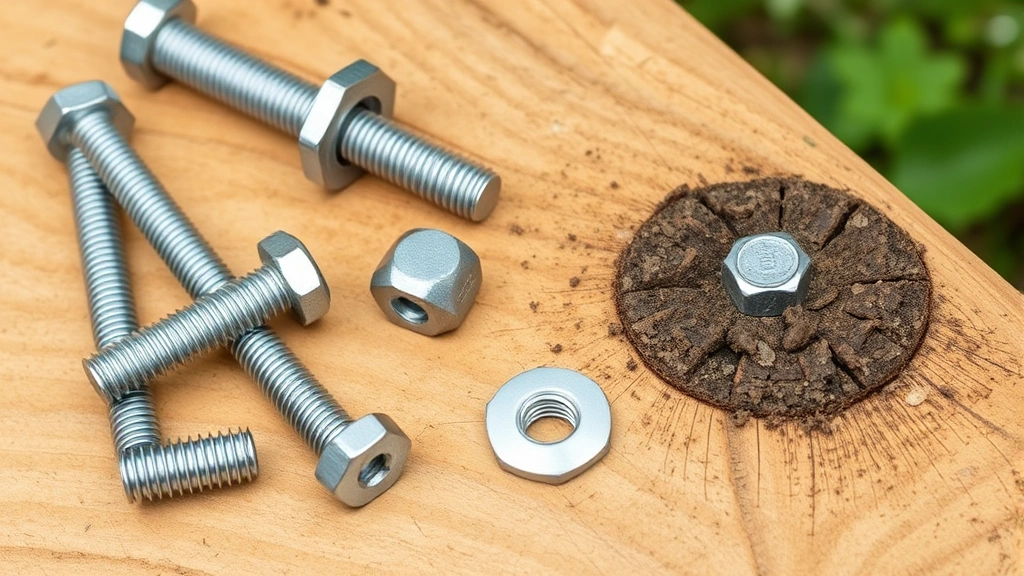
When using lag bolts, placement is critical. Install bolts at least 3-4 inches into the heartwood, ensuring you penetrate beyond the sapwood where most active growth occurs. The number and size of bolts depend on your load calculations, but most residential treehouses use multiple bolts (4-8) distributed across the attachment points.
Essential Materials and Hardware
Quality materials determine whether your treehouse will provide years of safe enjoyment or become a liability. Cutting corners on hardware and structural materials is never acceptable when safety is involved.
Fasteners and Hardware: Use galvanized or stainless steel lag bolts, never regular steel which rusts and weakens over time. Lag bolts should be 3/4 inch diameter minimum for residential treehouses. Stainless steel bolts cost more but resist corrosion indefinitely. For additional support, use structural-grade steel cables rated for your calculated load requirements, along with proper cable clamps and turnbuckles for tensioning.
Deck materials should be pressure-treated lumber or naturally rot-resistant wood like cedar or redwood. Pressure-treated lumber is cost-effective and widely available, though it requires periodic maintenance. Avoid composite decking materials, which can become slippery when wet and may not provide adequate support for the fastening systems required in treehouses.
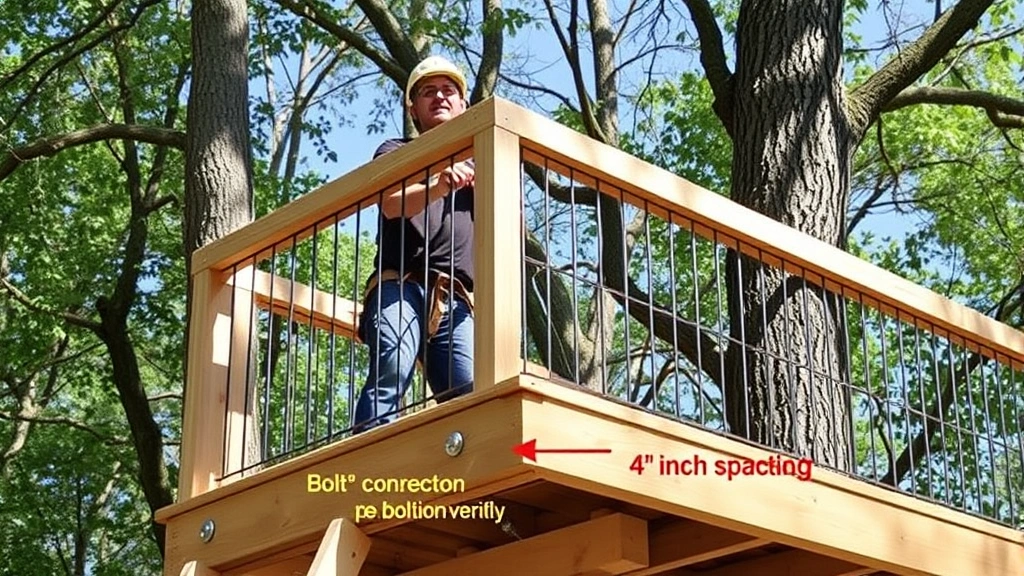
Railing systems are critical safety components. Railings should be at least 36 inches high with no openings larger than 4 inches (to prevent head entrapment). Horizontal rails should be spaced no more than 4 inches apart vertically. These specifications mirror residential deck codes and are essential for preventing falls, particularly for children.
Consider using ICC building standards as your guide for material specifications and installation requirements. The International Building Code provides the most widely recognized standards for residential construction, and many local jurisdictions base their treehouse regulations on ICC guidelines.
Weatherproofing materials like exterior sealants, stains, and protective coatings should be applied to all exposed wood surfaces. These materials extend the life of your structure significantly and reduce maintenance requirements. Choose sealants that allow wood to breathe and don’t trap moisture, which accelerates rot.
Platform Construction Methods
Building the actual platform requires precision and attention to detail. This is where theoretical planning meets practical execution, and mistakes can have serious consequences.
Installation Process: Begin by installing lag bolts into your selected trees at the predetermined height and spacing. Pre-drill holes slightly smaller than the bolt diameter to prevent splitting and ensure proper seating. Install bolts at a slight upward angle (5-10 degrees) to help prevent them from backing out due to vibration and movement.
Once bolts are secured, install a primary beam—typically a substantial piece of lumber like a 2×10 or 2×12—across the lag bolts. This beam distributes weight and serves as the foundation for your platform frame. Use heavy-duty bolted connections with washers and lock nuts to secure the beam.
The platform frame is typically constructed from 2×8 or 2×10 pressure-treated joists spaced 16 inches on center. This spacing provides adequate support for standard deck boards while minimizing material costs. Ensure all connections are bolted rather than nailed, as bolted connections resist movement and vibration far better than fasteners alone.
Decking boards should be fastened with stainless steel bolts or screws, never nails. Nails work loose over time due to the constant micro-movements in wood structures, particularly in trees where wind and temperature fluctuations create ongoing stress. Space deck boards 1/4 inch apart to allow for wood expansion and drainage.
For those interested in more advanced construction techniques, our DIY woodworking plans guide provides detailed information about wood joinery and structural connections applicable to treehouse construction.
Safety Systems and Fall Protection
Fall protection is the single most critical safety consideration in treehouse design. Falls from height are the leading cause of treehouse injuries, making this aspect non-negotiable.
Railing Requirements: As mentioned earlier, railings must meet specific height and spacing requirements. Railings should be constructed from robust materials capable of withstanding significant lateral force. Test your railings by applying 200 pounds of pressure at the mid-rail height—they should not deflect excessively or show signs of failure.
Access systems deserve equal attention to platforms. Ladders should have handrails and be angled at 70-75 degrees for safety and comfort. Rope ladders are charming but less safe than solid construction; if you use rope ladders, ensure they have rigid rungs at least 1.5 inches in diameter spaced 12 inches apart. Rope should be rated for at least 5,000 pounds breaking strength.
Staircase access is preferable to ladders when feasible. Stairs should comply with residential building codes, with rise and run dimensions consistent throughout. The ratio of 7-inch rise to 10-inch run is the standard residential requirement and provides comfortable, safe stepping.
Guardrail Testing: Once your railings are installed, perform load tests. Apply 200 pounds of downward force at the top rail and 200 pounds of outward force at the mid-rail. Railings should not move more than 1 inch or show signs of permanent deformation. If they do, reinforce them before allowing occupancy.
Safety netting can provide additional fall protection in spaces where railings alone may be insufficient. Professional-grade safety netting is designed to catch falling objects and people without snagging or tearing. This is particularly valuable for treehouses accessed by children or used for activities with higher injury risk.
Building Codes and Permits
Building codes and permit requirements vary significantly by jurisdiction, but they exist to protect your safety and property rights. Ignoring these requirements can result in fines, forced removal of your structure, or liability issues if someone is injured.
Permit Research: Contact your local building department before construction begins. Ask specifically about treehouse regulations—some jurisdictions have specific codes for elevated structures, while others apply standard residential building codes. Many municipalities classify treehouses as accessory structures subject to setback requirements, height restrictions, and design standards.
Some jurisdictions require structural plans stamped by a professional engineer. While this adds cost, it ensures your design meets all applicable codes and provides documentation of compliance. For larger or more complex projects, professional engineering is well worth the investment.
Setback requirements typically mandate that structures be positioned a certain distance from property lines. These distances vary but commonly range from 10-25 feet. Height restrictions may limit your structure to 15-25 feet above ground, and some jurisdictions prohibit structures over a certain height entirely.
Consult NFPA standards for additional safety guidelines beyond your local building code. The National Fire Protection Association provides comprehensive safety standards that many jurisdictions incorporate into their codes.
Our guide on DIY home security discusses property protection and liability considerations relevant to structures on residential property.
Maintenance and Longevity
Building your treehouse is just the beginning. Ongoing maintenance determines how long your structure remains safe and functional.
Regular Inspection Schedule: Inspect your treehouse at least twice yearly—once in spring and once in fall. Look for signs of wood decay, rust on fasteners, loose bolts, or damage from weather. Check that all bolts remain tight by attempting to turn them with an appropriate wrench. Some movement is normal, but bolts should not rotate freely.
Monitor the health of your trees continuously. Dead branches should be removed promptly, both for safety and tree health. Watch for signs of disease or pest infestation that might compromise the tree’s structural integrity. If you notice significant changes in tree health, consult an arborist.
Apply protective sealant to wood surfaces every 2-3 years. This maintains the wood’s appearance and extends its lifespan significantly. Stainless steel hardware requires minimal maintenance but should be inspected regularly. Galvanized hardware should be checked for rust; light surface rust can be cleaned off, but deep rust indicates the need for replacement.
Deck boards may need replacement after 10-15 years depending on wood type and weather exposure. Pressure-treated lumber typically lasts longer than untreated alternatives. When replacing boards, use the same fastening methods and materials as the original construction to maintain structural integrity.
For those undertaking multiple home improvement projects, our DIY Nests Hub blog offers additional resources on home maintenance and improvement strategies.
Weather considerations significantly impact maintenance schedules. In high-rainfall climates, inspect for decay more frequently. In areas with heavy snow, ensure your platform can support the additional weight—snow load calculations should be part of your initial design process. High-wind areas require more frequent bolt inspections due to increased structural stress.
FAQ
What’s the minimum tree size for a treehouse?
Trees should have a minimum diameter of 12 inches at the attachment point, though 18+ inches is preferable. The tree must also be healthy and mature, typically 40-60 feet tall with a full canopy. Multiple trees are safer than relying on a single trunk.
Do I need a permit to build a treehouse?
Permit requirements vary by jurisdiction. Contact your local building department before construction. Many areas require permits for structures over 10 feet tall or covering more than a certain square footage. Obtaining a permit ensures your design meets safety standards and local regulations.
How much does a treehouse cost?
Basic residential treehouses typically cost $2,000-$10,000 depending on size, materials, and complexity. A simple 8×10 platform with basic railings might cost $2,000-$4,000, while larger structures with amenities can exceed $15,000. Professional installation increases costs significantly.
Can children safely use a treehouse?
Yes, with proper design and maintenance. Ensure railings meet safety standards, provide safe access via stairs or secure ladders, and supervise children appropriately. Many injuries result from inadequate railings or unsafe access methods, both of which are correctable.
How long does a treehouse last?
Well-constructed treehouses using quality materials can last 20-30 years or longer with proper maintenance. Regular inspections, wood sealing every 2-3 years, and prompt repairs extend lifespan significantly. The tree’s health is also critical—monitor your tree and address disease promptly.
What’s the best wood for a treehouse?
Pressure-treated lumber is cost-effective and widely available. Naturally rot-resistant woods like cedar or redwood offer longevity but cost more. Avoid softwoods like pine or willow. All wood should be protected with weatherproof sealant and inspected regularly for decay.


