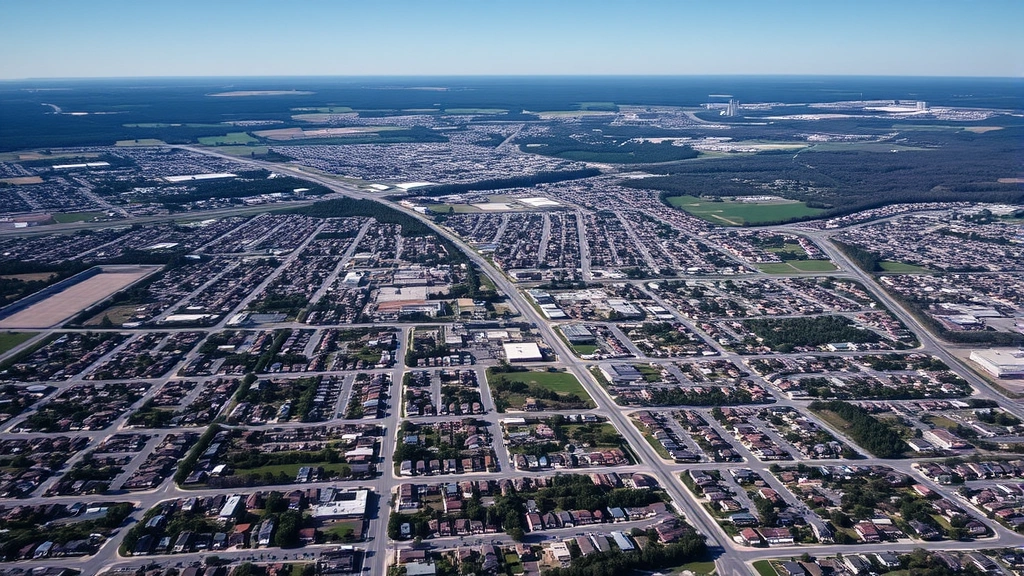
Australia vs. America Size: Geographer’s Insights
When comparing continental landmasses, the question of how big Australia is compared to America reveals fascinating geographical distinctions that shape everything from construction standards to infrastructure planning. While many assume America is significantly larger, the reality is more nuanced. Australia spans approximately 7.7 million square kilometers, while the United States covers about 9.8 million square kilometers—making America roughly 27% larger in total land area. However, this comparison becomes far more interesting when examining regional variations, population density, and how these differences influence building practices and development patterns across both nations.
Understanding land size matters profoundly for DIY enthusiasts and builders. The vast distances in both countries affect supply chain logistics, building code enforcement, material availability, and construction timelines. Whether you’re planning a basement renovation or exploring larger property development, grasping geographical context helps optimize project planning. This comprehensive guide breaks down the size comparison while exploring how geography influences construction, development, and property considerations across both nations.
Total Land Area Comparison
The fundamental measurement reveals that the United States encompasses 9,833,517 square kilometers of land, while Australia covers 7,692,024 square kilometers. This 2.14-million-square-kilometer difference positions America as the third-largest country by total area, behind Russia and Canada, while Australia ranks sixth globally. However, raw numbers obscure important context about usable land, development potential, and practical implications for builders and property owners.
When examining these figures through a builder’s lens, the distinction between total area and developable land becomes critical. America’s 9.8 million square kilometers include diverse terrain—from dense urban centers to vast agricultural regions to mountainous wilderness. Similarly, Australia’s 7.7 million square kilometers encompass everything from tropical rainforests to arid deserts to coastal urban zones. This diversity directly impacts construction feasibility, material sourcing, and compliance with regional International Building Code standards that vary by jurisdiction.
The size comparison also reflects historical development patterns. America’s larger landmass supported earlier European settlement across multiple distinct regions, creating established infrastructure networks. Australia’s vast distances between population centers created unique challenges for construction logistics and building material distribution. For DIY builders considering projects in either nation, understanding these foundational geographical facts helps contextualize supply availability and project timelines.
Regional Size Breakdowns
Breaking down the continental comparison by state and territory provides more practical insights for construction planning. The largest American state, Alaska, covers 1.717 million square kilometers—nearly a quarter of Australia’s entire landmass. Texas, the largest contiguous state, spans 695,662 square kilometers, roughly equivalent to the entire area of New South Wales and Victoria combined. These regional variations significantly influence building code enforcement, material availability, and construction methodology across different jurisdictions.
Australia’s states and territories show comparable size variations. Western Australia covers 2.529 million square kilometers—larger than Texas—while Queensland spans 1.852 million square kilometers. These vast state territories mean that Australian builders often face greater distances between suppliers and project sites compared to American counterparts in densely developed regions. This geographical reality directly impacts project budgeting, material delivery timelines, and the feasibility of certain construction approaches. When planning home security installations or other projects, regional supply considerations become paramount.
The Pacific Ocean’s influence on both nations creates distinct regional characteristics. America’s coastal regions benefit from established port infrastructure and established supply chains, while Australia’s coastal concentration—where 85% of the population lives within 50 kilometers of the coast—creates unique development pressures. Interior regions in both countries face different construction challenges, from extreme weather patterns to material accessibility issues that directly affect DIY and professional building projects.
Population Density Impact
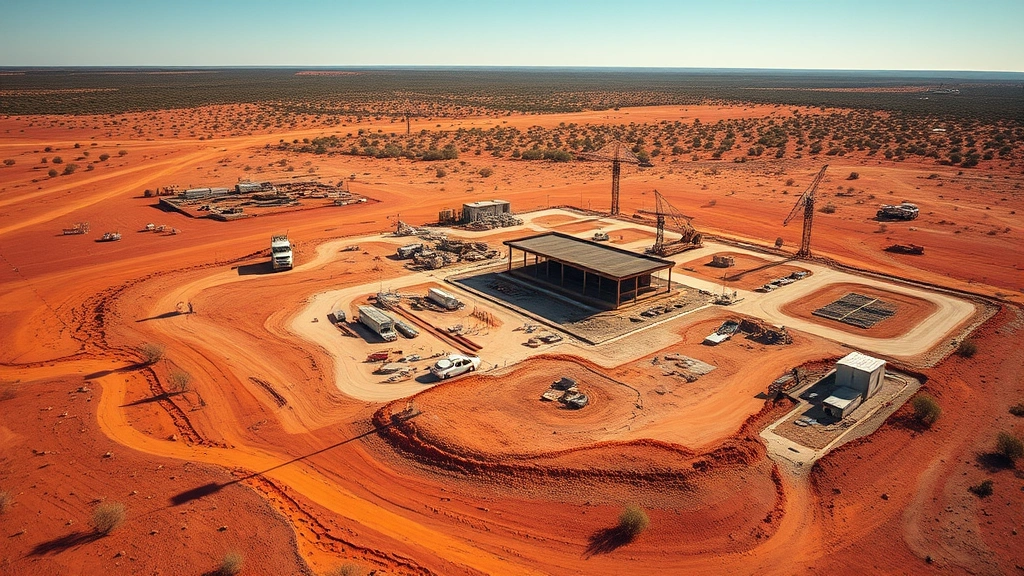
While America is 27% larger than Australia, population distribution tells a different story relevant to construction and development. America has approximately 330 million people, while Australia has around 25 million. This means America’s population density averages 34 people per square kilometer, compared to Australia’s 3 people per square kilometer. However, these averages mask dramatic regional variations that profoundly influence construction practices and building material availability.
In densely populated American regions like the Northeast Corridor or California’s coastal areas, construction materials are readily available, building inspectors are plentiful, and code enforcement is rigorous and consistent. Conversely, rural American areas experience similar supply challenges to remote Australian regions. Australia’s extreme population concentration in coastal cities means vast interior regions have minimal building infrastructure, limited material suppliers, and fewer qualified contractors. For DIY builders, this geographical reality affects everything from permit processing timelines to material sourcing strategies.
Population density also influences building code stringency and enforcement. High-density areas in both nations typically enforce stricter building codes to protect public safety and property values. The National Fire Protection Association standards are more rigorously enforced in densely populated American regions, while Australia’s Australian Building Codes Board maintains national standards with regional variations. Understanding your local population density context helps anticipate permitting requirements and code compliance expectations for any building project.
Geographic Features and Construction
The geographic character of each nation creates distinct construction challenges and opportunities. America’s varied topography includes the Rocky Mountains, Appalachian range, and extensive coastal plains. These geological features influence foundation requirements, drainage considerations, and structural design approaches. The United States Geological Survey provides detailed seismic and geological data that builders must consult for projects in tectonically active regions or areas with specific soil conditions.
Australia’s geography presents different challenges. The continent’s age and stability mean fewer seismic concerns than California or the Pacific Northwest, but extreme weather patterns—including cyclones, flooding, and severe droughts—create distinct construction requirements. Australia’s diverse soil types, from clay-heavy regions requiring deep foundation work to sandy areas with different bearing capacities, demand site-specific geological assessments. The Geoscience Australia organization provides crucial data for understanding regional geological conditions affecting construction planning.
Climate zones directly impact building material selection and structural design in both nations. America’s climate ranges from tropical in Hawaii to arctic in Alaska, requiring dramatically different insulation, moisture management, and weatherproofing strategies. Australia’s climate zones—from tropical north to temperate south—similarly demand region-specific material choices. For DIY builders tackling projects like basement finishing, understanding local climate patterns and geological conditions is essential for successful, code-compliant outcomes.
Building Standards Across Regions
America’s decentralized building code system means standards vary significantly between states, counties, and municipalities. Most jurisdictions adopt versions of the International Building Code (IBC), but significant variations exist in adoption timelines, amendments, and enforcement rigor. Some states adopt codes every three years as updates release, while others lag by several code cycles. This fragmented approach means a builder working across multiple American jurisdictions must understand jurisdiction-specific requirements for foundation depths, fire-rating standards, electrical safety protocols, and plumbing specifications.
Australia’s building code system is more centralized through the National Construction Code, which incorporates the Australian Building Code. However, individual states and territories maintain authority over code amendments and enforcement, creating variations builders must navigate. The Australian Building Codes Board provides the baseline, but Queensland’s cyclone-resistant building requirements differ substantially from South Australian standards, for example. Understanding your specific state or territory’s building code amendments is crucial before beginning any construction project.
Both nations maintain distinct requirements for residential construction, commercial development, and specialized applications. When planning home security system installation or other modifications, local electrical codes and safety standards must be verified. Material certifications required in America may differ from Australian standards, affecting product selection and project feasibility. Consulting local building departments and code officials before beginning projects ensures compliance and prevents costly rework.
Infrastructure and Development Patterns
America’s larger size and earlier development created more extensive infrastructure networks. Interstate highway systems, established utility distribution networks, and mature supply chains mean construction materials reach most American locations relatively efficiently. However, this advantage concentrates in developed regions; remote areas still face supply challenges comparable to Australian conditions. The density of building suppliers, contractor networks, and material distributors reflects historical development patterns, with coastal and urban regions offering far superior material access than interior regions.
Australia’s development patterns reflect geographical constraints differently. The concentration of population in coastal cities created highly developed urban infrastructure but left vast interior regions with minimal development. Building material supply chains focus heavily on major metropolitan areas—Sydney, Melbourne, Brisbane, and Perth. Builders in regional or remote areas often face substantial material delivery delays and higher costs. This geographical reality influences project timelines, budgeting approaches, and material selection strategies for Australian DIY builders and contractors.
Both nations face infrastructure challenges related to their size and population distribution. America’s aging infrastructure in established regions contrasts with rapid development pressures in growth corridors, creating variable building code enforcement and inspector availability. Australia’s infrastructure concentration in coastal regions means interior areas have limited building inspection resources and longer permit processing timelines. Understanding your local infrastructure context—including inspector availability, permit processing timelines, and material supplier networks—is essential for realistic project planning.
The size difference also affects regulatory enforcement capacity. America’s larger population and tax base support more building inspectors and code enforcement officials, though distribution is uneven. Australia’s smaller population means fewer inspectors overall, though per-capita enforcement in major cities may actually exceed American standards. This affects permit application timelines, inspection scheduling, and the likelihood of rigorous code compliance verification. DIY builders should anticipate these variations when planning project timelines and budgeting for permit fees and inspection costs.
FAQ
How much larger is America than Australia?
America is approximately 2.14 million square kilometers larger than Australia. The United States covers about 9.83 million square kilometers compared to Australia’s 7.69 million square kilometers, making America roughly 27% larger in total land area. However, population distribution and population density vary dramatically, with America having approximately 13 times more people concentrated in different population centers.
What are the implications of size differences for construction?
The size difference creates distinct supply chain challenges, material availability variations, and permit processing timelines. America’s greater size and earlier development created more extensive infrastructure networks, though remote areas still face supply challenges. Australia’s vast interior regions with minimal population create greater distances between suppliers and project sites. Both nations have regions where material accessibility significantly affects project feasibility and cost.
Do building codes differ significantly between the two nations?
Yes, substantially. America uses the International Building Code (IBC) with state and local amendments, creating significant variations between jurisdictions. Australia uses the National Construction Code (NCC) with state-territory variations. Material certifications, electrical standards, fire-rating requirements, and structural design approaches differ between nations. International builders must verify specific requirements for their jurisdiction before beginning projects.
How does population density affect construction practices?
High-density regions in both nations enforce stricter building codes, have more available inspectors, and maintain robust material supplier networks. Low-density regions face longer inspection wait times, fewer material suppliers, and potentially less rigorous code enforcement. America’s average density of 34 people per square kilometer versus Australia’s 3 people per square kilometer masks dramatic regional variations that directly impact construction feasibility and timelines.
What geographical factors most impact Australian builders?
Australia’s vast distances between population centers, extreme weather patterns requiring cyclone-resistant construction, diverse soil types requiring site-specific geological assessment, and concentrated coastal population create unique challenges. Builders in interior regions face substantial material delivery delays and higher costs. Climate zone variations, from tropical north to temperate south, demand region-specific material and design choices for compliance and longevity.
How should DIY builders account for geographical differences?
Research your specific jurisdiction’s building codes and amendments before beginning projects. Assess local material supplier availability and typical delivery timelines. Verify permit processing procedures with local building departments. Consider climate zone requirements and geological conditions affecting foundation design. For large projects, contact local building inspectors to discuss code requirements and inspection procedures. Understanding your local geographical and regulatory context ensures realistic timelines, accurate budgeting, and code compliance.


