
Miami to Orlando: DIY Road Trip Tips
Planning a road trip from Miami to Orlando? Whether you’re heading north for a weekend getaway, visiting theme parks, or exploring Central Florida’s attractions, understanding the distance and preparation involved is essential for a smooth journey. The drive from Miami to Orlando covers approximately 235 miles and typically takes between 3.5 to 4.5 hours depending on traffic conditions, time of day, and your route selection. This comprehensive guide will help you prepare your vehicle, plan your route, and ensure your DIY road trip is safe, comfortable, and enjoyable.
Before hitting the road, taking time to properly prepare your vehicle and gather necessary supplies can make all the difference between a frustrating experience and a memorable adventure. From checking your vehicle’s mechanical systems to planning rest stops and entertainment options, this guide covers everything you need to know for a successful Miami to Orlando road trip.
Distance and Travel Time from Miami to Orlando
The most direct route from Miami to Orlando spans approximately 235 miles, making it one of Florida’s most common interstate drives. The primary route follows Interstate 95 North to the Florida’s Turnpike, or alternatively, you can take US Route 441 for a more scenic, albeit longer journey. Using I-95 and the Turnpike typically results in the fastest travel time of 3.5 to 4 hours under ideal conditions.
However, travel time can vary significantly based on several factors. Morning rush hour (7-9 AM) and evening rush hour (4-7 PM) in the Miami metropolitan area can add 30 minutes to an hour to your journey. Weekend traffic is generally lighter than weekday traffic, but holiday periods and special events in Orlando can increase congestion on I-4 as you approach your destination. During peak season (December through April), allow an extra 30-45 minutes for potential delays.
The Florida’s Turnpike route charges tolls, typically ranging from $8-$12 depending on your exact entry and exit points. If you prefer to avoid tolls, US Route 441 provides a free alternative, though this scenic route takes approximately 5-6 hours and passes through multiple small towns and cities. For detailed real-time traffic updates and toll information, consult the Florida 511 traffic management system.
Pre-Trip Vehicle Preparation
Before embarking on your Miami to Orlando journey, conducting thorough vehicle maintenance is crucial for safety and reliability. Start by checking your tire condition and pressure—properly inflated tires improve fuel efficiency and reduce blowout risk during highway driving. Inspect all four tires for adequate tread depth (minimum 2/32 inch) and look for signs of wear, cracking, or bulging. Check your vehicle’s recommended tire pressure on the driver’s side door jamb or in your owner’s manual.
Next, verify your fluid levels including engine oil, coolant, brake fluid, and windshield washer fluid. Florida’s heat can accelerate fluid depletion, and running low on any of these critical fluids can cause mechanical problems mid-trip. Top off your fuel tank before leaving Miami—while gas stations are abundant along I-95 and the Turnpike, starting with a full tank reduces anxiety about finding fuel and ensures you have adequate range for unexpected detours.
Inspect your brake system thoroughly by listening for unusual sounds during test drives and checking brake pad thickness if you have the mechanical knowledge. If you’re uncertain about your brake condition, visit a certified mechanic. Test your air conditioning system since Florida’s summer heat can be oppressive, and a functioning AC is essential for driver comfort and safety during long drives. Check that your lights and wipers function properly—you may encounter afternoon thunderstorms common to Florida’s climate.
If you’re planning any home improvement projects before or after your trip, consider reviewing our DIY Basement Finishing guide for renovation inspiration at your destination. Additionally, if you’re concerned about vehicle maintenance beyond this trip, our DIY Car Repairs Beginners Guide covers basic maintenance procedures you can handle yourself.

Route Options and Navigation
The Miami to Orlando corridor offers several distinct route options, each with unique advantages and considerations. The I-95 North to Florida’s Turnpike route is the fastest option, taking approximately 3.5-4 hours under optimal conditions. This toll-based route is well-maintained with frequent rest areas, service stations, and emergency assistance. Exit I-95 around West Palm Beach and merge onto the Turnpike, which takes you directly north through Central Florida to the Orlando area.
The US Route 441 scenic route provides a slower-paced alternative, traveling through charming small towns like Okeechobee and Sebring. This route takes 5-6 hours but offers opportunities to explore Florida’s interior communities, stop at local restaurants, and experience the state’s natural beauty. You’ll pass through areas of natural wetlands and agricultural regions that showcase Florida’s diverse landscape.
For navigation, utilize GPS technology and real-time traffic apps to monitor conditions and receive alerts about accidents or congestion. Popular options include Google Maps, Waze, and Apple Maps, all of which provide turn-by-turn guidance and estimated arrival times. Download offline maps as a backup in case cellular service becomes intermittent in rural areas. Program your destination address into your GPS before departing to minimize distracted driving.
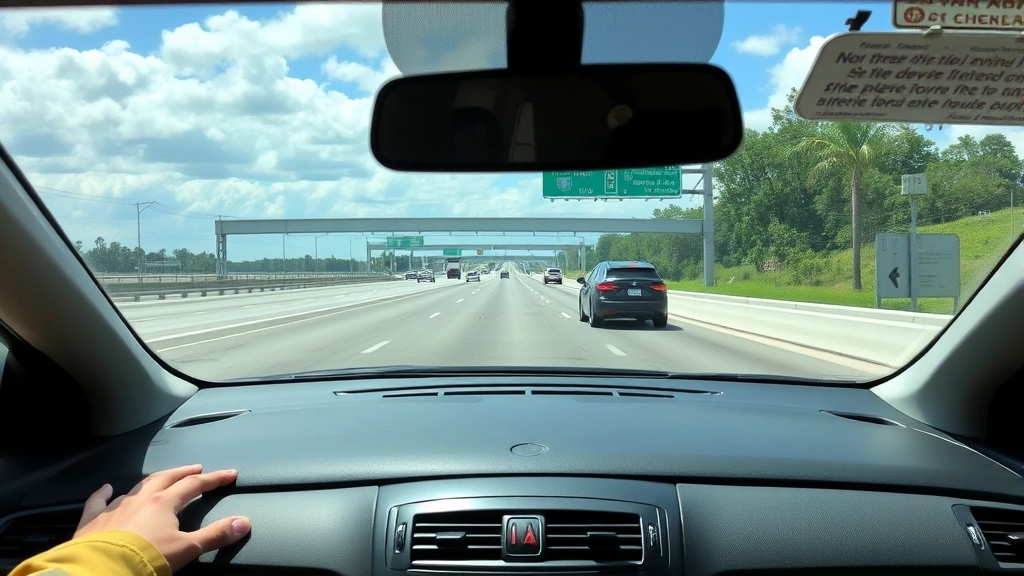
Road Safety and Emergency Preparedness
Highway safety requires vigilance, proper vehicle maintenance, and preparation for emergencies. Maintain safe following distances by staying at least three seconds behind other vehicles—increase this distance during rain or heavy traffic. Adjust your speed based on weather conditions and traffic density; while the speed limit may be 70 mph on I-95, driving slower during congestion or poor visibility is safer and more fuel-efficient.
Florida experiences frequent afternoon thunderstorms, particularly during summer months. If you encounter severe weather, reduce speed immediately and increase following distances further. Turn on your headlights for improved visibility. If lightning or heavy rain becomes dangerous, safely exit the highway and wait out the storm at a rest area or service station rather than continuing through hazardous conditions.
Prepare an emergency kit containing essential items: jumper cables, a spare tire (verify it’s properly inflated), a jack and lug wrench, a flashlight with extra batteries, first aid supplies, reflective triangles or flares, basic tools, and a phone charger. Include water, non-perishable snacks, and any medications you require. Store these items in your trunk before departing. Consider reviewing our DIY Home Security guide for tips on securing your vehicle at rest stops and destinations.
Stay alert for signs of driver fatigue, which significantly increases accident risk. If you feel drowsy, pull safely into a rest area and take a 15-20 minute nap, drink caffeine, or switch drivers if possible. Never drive while severely fatigued—it’s as dangerous as impaired driving. The Florida Department of Transportation maintains numerous rest areas along I-95 and the Turnpike where you can safely stop without leaving the highway.
Comfort and Convenience Supplies
Long-distance driving demands attention to comfort to maintain focus and reduce fatigue. Pack adequate hydration supplies—bring a cooler with cold water, avoiding excessive caffeine which can cause dehydration and jitteriness. Include healthy snacks like fruit, nuts, and granola bars that provide sustained energy without sugar crashes. Avoid heavy meals before or during driving, as they can induce drowsiness.
Bring entertainment options for passengers: audiobooks, podcasts, music playlists, or games help pass time and keep everyone engaged. If traveling with children, pack age-appropriate activities and consider timing your departure to align with nap schedules. Portable chargers for phones and tablets ensure devices remain functional throughout your journey.
Comfort items include a neck pillow, blanket, and cushion to reduce physical strain during extended sitting. Wear comfortable, breathable clothing and supportive shoes. Sunglasses protect your eyes from glare, and sunscreen prevents sunburn during rest stops. If you wear corrective lenses, bring a backup pair in case your primary glasses are lost or damaged.
Consider the climate control settings in your vehicle—many drivers find slightly cool temperatures more conducive to alertness than warm cabins. Adjust vents to prevent direct air circulation that can cause discomfort. If your vehicle lacks adequate climate control, our DIY guides include information on vehicle comfort systems and upgrades.
FAQ
How far is it from Miami to Orlando exactly?
The distance from Miami to Orlando is approximately 235 miles via the most direct route (I-95 North to Florida’s Turnpike). The US Route 441 alternative is slightly longer at approximately 250 miles. Exact distances vary depending on your specific starting point in Miami and destination in Orlando.
How long does the Miami to Orlando drive take?
Under typical conditions, the drive takes 3.5 to 4.5 hours. However, this varies based on traffic, time of day, weather, and your route selection. Morning and evening rush hours can add 30-60 minutes, while weekend travel is generally faster. During peak tourist season, allow extra time for potential I-4 congestion.
What’s the best time to drive from Miami to Orlando?
Early morning departures (before 7 AM) or mid-day departures (after 10 AM) typically encounter lighter traffic than rush hour periods. Avoid traveling during 7-9 AM and 4-7 PM weekdays. Weekends generally offer better traffic flow, though holiday weekends can be congested. Check real-time traffic conditions before departing using the Florida 511 system.
Should I take I-95 or US 441?
Choose I-95 to Florida’s Turnpike for speed and efficiency (3.5-4 hours, though tolls apply). Select US 441 for a scenic, toll-free experience (5-6 hours) through charming small towns. The I-95 route is better for time-sensitive trips, while US 441 suits leisurely road trips with exploration in mind.
What vehicle maintenance should I perform before this drive?
Check tire pressure and tread depth, verify all fluid levels (oil, coolant, brake fluid, windshield washer), test your air conditioning and heating systems, inspect brakes and wipers, and ensure all lights function properly. Fill your fuel tank before departing. If you’re unsure about any maintenance task, consult our DIY Car Repairs guide or visit a certified mechanic.
Are there tolls on the Miami to Orlando route?
Yes, the Florida’s Turnpike portion of the fastest route charges tolls, typically $8-$12 depending on entry and exit points. You can pay with cash, credit card, or a SunPass transponder. The US Route 441 alternative is toll-free but takes significantly longer. Check Florida’s Turnpike official website for current toll rates.
What should I pack for the Miami to Orlando drive?
Pack water, snacks, a phone charger, sunscreen, sunglasses, comfortable clothing, entertainment options, an emergency kit (jumper cables, flashlight, first aid supplies), and any medications you require. Include a blanket, neck pillow, and comfort items to reduce fatigue. Bring your vehicle registration, insurance documents, and a valid driver’s license.
What if my car breaks down on I-95 or the Turnpike?
Turn on your hazard lights, safely move to the shoulder if possible, and call 911 or the Florida Highway Patrol. The Turnpike has emergency call boxes every mile. Stay in your vehicle with doors locked if you feel unsafe. Use your emergency kit while waiting for assistance. Roadside assistance memberships (AAA, etc.) can provide additional support.


