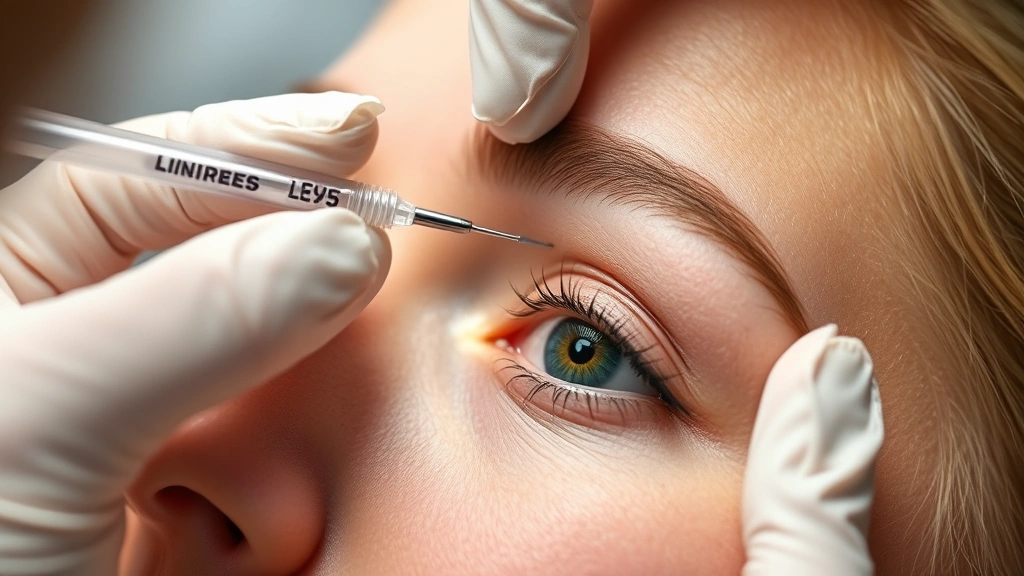
Eyebrow Piercing Healing Time: Expert Insights and Complete Care Guide
Eyebrow piercings have become increasingly popular as a form of self-expression and body modification. However, understanding the healing timeline is crucial before committing to this piercing. Unlike many other piercings, eyebrow piercings present unique healing challenges due to their location, movement, and exposure to environmental factors. This comprehensive guide explores exactly how long eyebrow piercings take to heal, what influences healing time, and how to properly care for your new piercing during the critical recovery period.
The healing process for eyebrow piercings is more complex than many people realize. Your body’s natural response to the piercing wound, combined with constant facial movement and daily environmental exposure, means that proper aftercare isn’t just recommended—it’s essential. Whether you’re considering your first eyebrow piercing or adding to your existing collection, understanding the healing timeline helps you make informed decisions about timing and maintenance.
Eyebrow Piercing Healing Timeline
The standard healing time for eyebrow piercings typically ranges from 6 to 12 weeks, though complete healing can take up to 16 weeks in some cases. This timeline applies to horizontal eyebrow piercings, which are the most common type. Vertical eyebrow piercings may have slightly different healing periods depending on depth and placement. The initial healing phase, known as epithelialization, usually takes 6 to 8 weeks. During this period, the outer tissue layer closes and forms a protective barrier around the piercing channel.
It’s important to distinguish between the piercing feeling healed and being completely healed. After 6 to 8 weeks, your eyebrow piercing may feel relatively comfortable and appear to be healing well, but the internal tissue is still strengthening and developing. The deeper layers of skin and cartilage require the full 12 weeks or more to complete the healing process. Rushing this timeline or changing jewelry too early can disrupt the delicate tissue formation and extend overall healing time significantly.
The first two weeks represent the most critical healing phase. During this time, your body is actively responding to the wound by increasing blood flow to the area, initiating the inflammatory response, and beginning tissue regeneration. You’ll notice swelling, redness, and possibly some discharge during this phase—all normal signs that your immune system is working to heal the piercing.
Factors Affecting Healing Duration
Several variables can either accelerate or delay the healing process for your eyebrow piercing. Your overall health status plays a significant role; individuals with compromised immune systems, chronic illnesses, or those taking immunosuppressant medications may experience extended healing times. Similarly, nutritional status affects healing—adequate protein, vitamin C, zinc, and iron intake supports faster tissue regeneration and wound closure.
Age is another consideration. Younger individuals typically heal faster due to more efficient cellular regeneration and stronger immune responses. However, teenagers and young adults must be especially diligent with aftercare since faster healing doesn’t mean you can skip proper cleaning protocols. Older individuals may experience slightly slower healing but can achieve excellent results with consistent care.
Your piercing technique and jewelry quality directly impact healing. Professional piercers using sterile single-use needles and high-quality implant-grade titanium or surgical steel jewelry create optimal conditions for healing. Conversely, gun piercings or low-quality jewelry can cause complications that extend healing time significantly. The Association of Professional Piercers recommends always seeking qualified professionals to minimize healing complications.
Environmental and behavioral factors also matter considerably. Smoking significantly impairs healing by reducing oxygen availability to the wound site. Alcohol consumption can thin blood and increase bleeding at the piercing location. Sleep deprivation compromises immune function, while stress elevates cortisol levels that can interfere with healing. Touching or playing with the piercing, even with clean hands, introduces bacteria and disrupts the forming tissue barrier.
Your skin type and sensitivity level influence healing as well. People with sensitive skin or conditions like eczema or psoriasis may experience prolonged inflammation. Conversely, individuals with resilient skin and fewer sensitivities often progress through healing stages more smoothly. Climate also plays a role—humid environments can trap bacteria, while dry climates may cause excessive crusting and tissue irritation.
Proper Aftercare Instructions
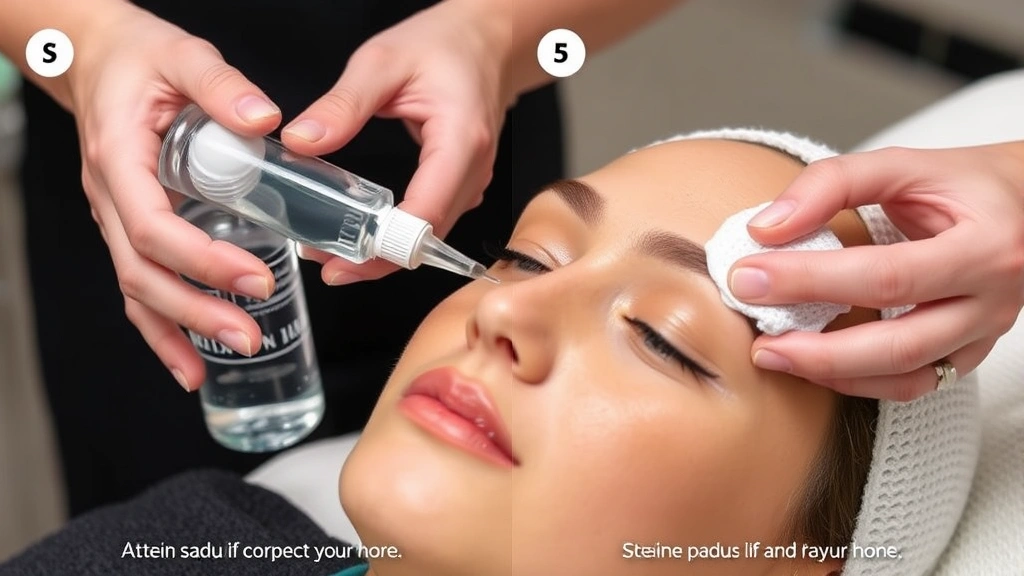
Establishing a consistent aftercare routine is absolutely critical for achieving the standard 6 to 12 week healing timeline. The most important aftercare step is saline solution cleaning, which should be performed twice daily throughout the healing period. Use a sterile saline solution specifically formulated for piercing aftercare—avoid homemade saltwater solutions, which often have incorrect salt concentrations and can damage healing tissue.
To clean your eyebrow piercing properly, soak a clean gauze pad or sterile cotton ball in saline solution and hold it against the piercing for 5 to 10 minutes. This softens any crusting and allows the solution to penetrate the piercing channel. After soaking, gently wipe away any discharge or crusties with a fresh clean tissue. Never pick at crusts or scabs, as this disrupts healing and can cause scarring. Some discharge is normal and healthy; it’s part of the body’s natural healing process.
Avoid submerging your piercing in bodies of water like pools, hot tubs, or oceans until at least 12 weeks have passed. These environments contain bacteria and chemicals that can introduce infections. Showers are generally safe, but try to keep direct shower water spray away from the fresh piercing. If water does contact it, follow up with your saline solution cleaning routine.
Keep your piercing dry between cleanings by gently patting with clean paper towels. Avoid sleeping on the pierced side, as this applies pressure and can cause irritation or migration. If you must sleep on that side, use a clean pillowcase and consider using a travel pillow to reduce direct pressure on the piercing. Changing pillowcases every few days prevents bacterial buildup from transferring to your healing piercing.
Minimize touching your piercing with unwashed hands. Even if your hands feel clean, they carry bacteria that can cause infections. During the first few weeks, avoid makeup application directly over or around the piercing site. If you must wear makeup, ensure all applicators and products are clean and avoid heavy products that can clog the piercing channel.
Common Complications During Healing
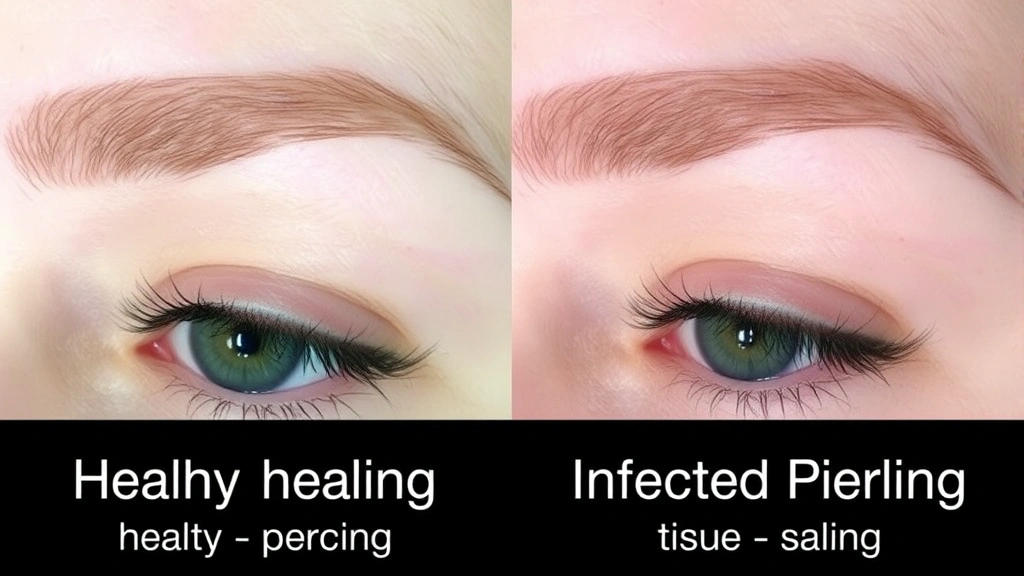
Despite best efforts, some individuals experience complications during the eyebrow piercing healing process. Infection is the most serious complication and requires immediate professional attention. Signs of infection include excessive redness extending beyond the immediate piercing area, warmth radiating from the site, increasing pain rather than decreasing pain, yellow or green discharge with an odor, and fever or chills. If you suspect infection, contact your piercer or healthcare provider immediately.
Rejection or migration occurs when your body gradually pushes the jewelry out or moves it from its original placement. This happens more commonly with eyebrow piercings than with many other piercing types due to thin skin in the area. Signs include the piercing hole becoming larger, the bar appearing to move or rotate, and increased sensitivity. If rejection begins, consult your piercer about repositioning or removing the jewelry.
Keloid formation is an overgrowth of scar tissue that creates a raised bump around the piercing. This is more common in individuals with darker skin tones and those with a genetic predisposition to keloids. While keloids aren’t dangerous, they can be cosmetically bothersome. Consult a dermatologist if keloid formation occurs.
Excessive swelling can occur in the first week, particularly if you sleep on the pierced side or engage in intense physical activity. Apply cold compresses (wrapped in clean cloth, never direct ice) for 10 to 15 minutes several times daily to reduce swelling. Over-the-counter anti-inflammatory medications like ibuprofen can help, but consult your healthcare provider before taking anything new.
Allergic reactions to jewelry materials cause redness, itching, and sometimes oozing. If you suspect an allergic reaction, switch to implant-grade titanium or solid gold jewelry and see if symptoms resolve. Some individuals react to nickel content in lower-quality jewelry.
When to Change Your Jewelry
Timing for jewelry changes is crucial to healing success. Never change your eyebrow piercing jewelry before 8 weeks have passed, and ideally wait the full 12 weeks. Changing jewelry too early can introduce bacteria, disrupt the forming tissue barrier, and potentially cause the piercing to close or become infected. Even if your piercing feels completely healed, the internal tissue is still vulnerable to damage from premature jewelry changes.
When you do change jewelry, ensure you’re using implant-grade materials. Titanium (specifically ASTM F136 or F67 grade) and solid gold (14k or higher) are excellent choices that minimize allergic reactions. Avoid cheap jewelry plated with gold or silver, as these coatings wear away and expose reactive base metals to your healing tissue.
Have your first jewelry change performed by your professional piercer if possible. They can properly remove and insert new jewelry while minimizing trauma to the piercing channel. If you change jewelry yourself, use thoroughly cleaned hands and sterile technique. Never force jewelry—if it doesn’t slide smoothly, stop and consult your piercer.
After 12 weeks, your piercing should be stable enough to accommodate jewelry changes without risk. However, even fully healed piercings can be sensitive, so continue gentle handling and maintain good hygiene practices whenever you change jewelry.
Professional Piercer Recommendations
Selecting a qualified, professional piercer significantly impacts your healing timeline and overall experience. Look for piercers who are members of the Association of Professional Piercers (APP), which requires members to follow strict sterilization and safety protocols. Professional piercers use sterile single-use needles and autoclave-sterilized equipment, eliminating the risk of cross-contamination and bloodborne pathogen transmission.
During your consultation, discuss your specific healing timeline expectations and any health conditions that might affect healing. Experienced piercers can provide personalized aftercare recommendations based on your skin type, age, and lifestyle. They can also advise on optimal jewelry selection for your anatomy and aesthetic preferences, which relates to our comprehensive guide on DIY Nests Hub Blog where we explore various customization options.
Your piercer should provide written aftercare instructions and be available for follow-up questions during your healing period. They should also inform you about potential complications and when to seek medical attention. Building a relationship with a trusted professional piercer is valuable for any future piercing projects you might consider.
Professional piercers typically recommend specific jewelry materials and gauges for eyebrow piercings based on your anatomy. They understand how different jewelry weights and styles affect healing and long-term piercing health. Following their recommendations increases your chances of achieving the standard 6 to 12 week healing timeline without complications.
FAQ
How long does it take for an eyebrow piercing to fully heal?
Standard healing time is 6 to 12 weeks, with complete internal healing potentially taking up to 16 weeks. The outer tissue typically closes within 6 to 8 weeks, but deeper layers require the full timeline to strengthen properly.
Can I change my eyebrow piercing jewelry after 6 weeks?
No, you should wait at least 8 weeks, preferably 12 weeks, before changing jewelry. Changing too early disrupts the healing process and can cause infection or closure of the piercing.
What should I use to clean my eyebrow piercing?
Use sterile saline solution specifically formulated for piercing aftercare, applied twice daily. Avoid alcohol, hydrogen peroxide, and homemade saltwater solutions, which can damage healing tissue.
Is some discharge normal during healing?
Yes, clear to slightly yellow discharge is normal and indicates your body is healing. However, excessive discharge, especially if green or foul-smelling, may indicate infection and requires professional attention.
What activities should I avoid while my eyebrow piercing heals?
Avoid swimming, hot tubs, excessive touching, sleeping on the pierced side, heavy makeup over the area, and intense physical activity that causes excessive sweating. Smoking and alcohol consumption also slow healing.
Can I wear glasses or sunglasses with a healing eyebrow piercing?
Yes, but ensure the frames don’t put pressure on the piercing. Avoid frames that rest directly on the pierced area for the first several weeks. Once the piercing is healed, glasses shouldn’t cause issues.
What does a normal healing eyebrow piercing look like?
A healing eyebrow piercing should gradually progress from red and swollen to less inflamed with minimal discharge. Some crusting is normal. If redness extends beyond the immediate area or increases over time, consult your piercer or healthcare provider.
How do I know if my eyebrow piercing is infected?
Signs of infection include spreading redness, warmth, increasing pain, yellow or green discharge with odor, swelling that worsens after the first week, and fever. Seek professional medical attention immediately if you suspect infection.


