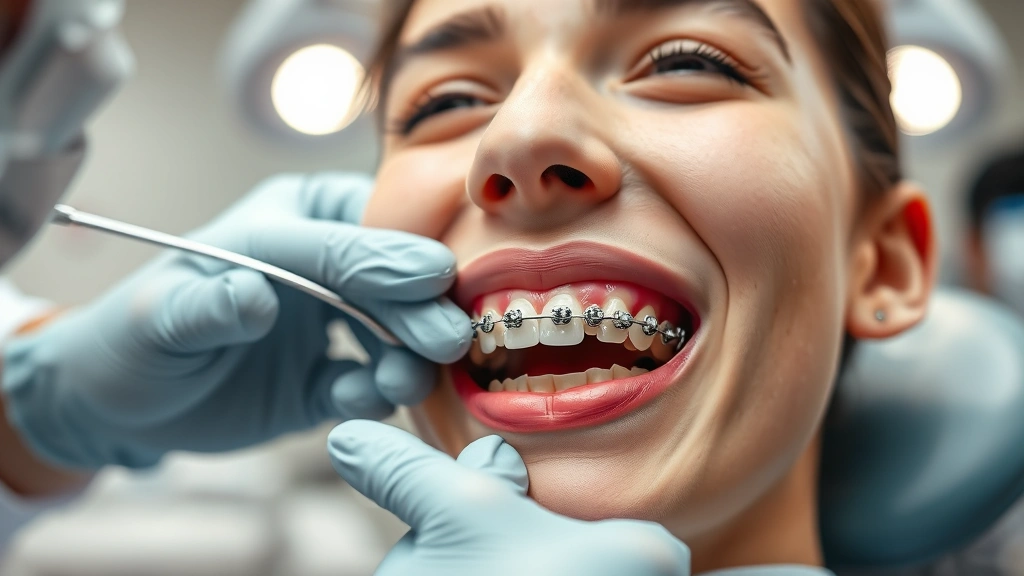
Braces Timeline: Orthodontist-Backed Guide to How Long You’ll Wear Braces
If you’re considering orthodontic treatment or have recently had braces installed, one of the first questions that comes to mind is: how long do you have to wear braces? The answer isn’t one-size-fits-all, as treatment duration depends on numerous factors including the severity of your misalignment, your age, compliance with care instructions, and the type of braces you choose. Understanding the typical braces timeline helps you set realistic expectations and plan accordingly for this transformative journey toward a straighter smile.
Orthodontic treatment represents a significant commitment of both time and resources. Most patients wear traditional braces between 18 to 24 months, though some cases resolve faster while others require extended treatment. This comprehensive guide, backed by orthodontist insights and clinical research, walks you through every phase of your braces journey—from the initial consultation through the final removal and retention period. Whether you’re a teenager considering your first orthodontic appointment or an adult exploring alignment options, this timeline will help you understand what to expect at each stage.
Average Braces Duration: What Orthodontists Say
According to the American Association of Orthodontists (AAO), the typical braces treatment lasts between 18 to 24 months for most patients. However, this timeframe can vary significantly. Some straightforward cases involving minor crowding or spacing issues may be resolved in as little as 12 to 18 months, while more complex orthodontic problems—such as severe overcrowding, significant bite misalignment, or skeletal discrepancies—may require 24 to 36 months or longer.
The duration of your treatment depends primarily on how much tooth movement is necessary to achieve your desired result. Your orthodontist will evaluate your specific situation during the initial consultation and provide a personalized treatment estimate. This estimate, while often accurate, can shift as your treatment progresses based on how your teeth respond to the braces and your adherence to orthodontist recommendations.
One important consideration is that rushing the process rarely leads to better outcomes. Teeth need time to move safely and predictably. Attempting to accelerate treatment beyond what’s biologically appropriate can result in root resorption, bone loss, or relapse where teeth shift back toward their original positions. Your orthodontist’s timeline reflects years of clinical experience and scientific evidence about optimal tooth movement rates.
Factors That Affect Your Treatment Timeline
Multiple variables influence how long your braces treatment will take. Understanding these factors helps explain why your treatment duration might differ from someone else’s:
- Severity of Misalignment: Minor spacing or crowding issues resolve faster than severe malocclusions. Patients with extreme overbites, underbites, or crossbites typically require longer treatment periods.
- Age and Bone Density: Teenagers and young adults generally experience faster tooth movement because their bones are still developing and more responsive to orthodontic forces. Adults with fully developed, denser bone structures may need additional time for teeth to shift.
- Jaw Growth: In growing patients, an orthodontist must account for ongoing jaw development. Treatment timing may be extended to allow the jaw to reach its final size before finalizing tooth positions.
- Compliance with Instructions: Patients who consistently wear elastics, maintain excellent oral hygiene, avoid damaging foods, and keep all appointments typically complete treatment on schedule. Non-compliance can extend treatment by several months or even years.
- Type of Braces Selected: Different braces systems move teeth at varying rates. Self-ligating braces and clear aligners sometimes offer faster treatment compared to traditional bracket-and-wire systems.
- Extraction Requirements: Cases requiring tooth extraction typically take longer because the orthodontist must first create space, then move teeth into optimal positions.
- Existing Dental Health: Untreated cavities, gum disease, or other dental issues must be resolved before or during orthodontic treatment, potentially extending your timeline.
- Bite Correction Complexity: Fixing bite problems (overbite, underbite, crossbite) generally requires more time than simply straightening crowded teeth.
When planning your braces journey, discuss these factors with your orthodontist to understand how they apply to your specific situation. This conversation helps establish realistic expectations and identifies any areas where you can optimize your treatment timeline through personal responsibility.
Types of Braces and Their Treatment Timeframes
The type of braces you choose can influence treatment duration. Here’s how different orthodontic systems compare:
Traditional Metal Braces: The most common option, traditional braces typically require 18 to 24 months for most cases. These brackets and wires are highly effective and allow for precise tooth control. Many orthodontists consider them the gold standard for complex cases.
Ceramic Braces: Nearly identical to metal braces in function, ceramic braces have tooth-colored or clear brackets that blend with your teeth. Treatment duration is comparable to metal braces at 18 to 24 months, though some patients report slightly faster results due to advanced bracket designs.
Self-Ligating Braces: These braces use a specialized clip instead of elastics to hold the wire, potentially reducing friction and allowing faster tooth movement. Many patients complete treatment in 16 to 20 months, though results vary based on individual factors.
Lingual Braces: Placed behind your teeth for invisible treatment, lingual braces often require slightly longer treatment periods—typically 20 to 26 months—because the positioning makes fine adjustments more challenging.
Clear Aligners: Systems like Invisalign can straighten teeth in 6 to 18 months depending on complexity, though more severe cases may require 24 months or longer. Clear aligners work best for mild to moderate alignment issues and require exceptional patient compliance since they’re removable.
When considering which braces option suits you, discuss treatment timeline expectations with your orthodontist. While faster isn’t always better, understanding the differences helps you make an informed choice aligned with your goals and lifestyle.

Month-by-Month Breakdown of Your Braces Journey
Understanding what happens at each stage of treatment helps you mentally prepare for the experience and know what to expect:
Months 1-3: Initial Alignment Phase
The first three months focus on initial tooth alignment. Your orthodontist applies gentle, continuous pressure to begin moving teeth toward their target positions. You’ll likely experience some discomfort during the first week as your teeth adjust to the force. Regular adjustments—typically every 4 to 6 weeks—gradually increase pressure as your teeth move. During this phase, your orthodontist may also work on correcting bite issues and preparing your bite for the next stages of treatment.
Months 4-9: Major Movement Phase
This middle phase involves the most significant tooth movement. Your orthodontist makes regular wire changes, progressing to thicker and more rigid wires that guide teeth into increasingly precise positions. Teeth move more predictably during this phase, and you’ll notice visible progress. Compliance becomes critical here—wearing elastics as prescribed and maintaining excellent oral hygiene ensures teeth move efficiently without complications.
Months 10-18: Refinement Phase
As teeth approach their final positions, treatment focuses on refinement and bite perfection. Your orthodontist makes subtle adjustments to ensure proper alignment and optimal bite mechanics. This phase often involves more frequent adjustments as the goal shifts from major movement to precise positioning. Some patients experience slight discomfort during this phase as the remaining tooth movements can feel more intense than earlier phases.
Months 19-24: Final Alignment and Preparation for Removal
The final phase ensures all teeth are perfectly aligned and your bite is fully corrected. Your orthodontist performs detailed measurements and imaging to confirm treatment goals have been achieved. This phase may include final wire changes and adjustments. Once your orthodontist confirms optimal alignment, you’ll schedule your braces removal appointment.
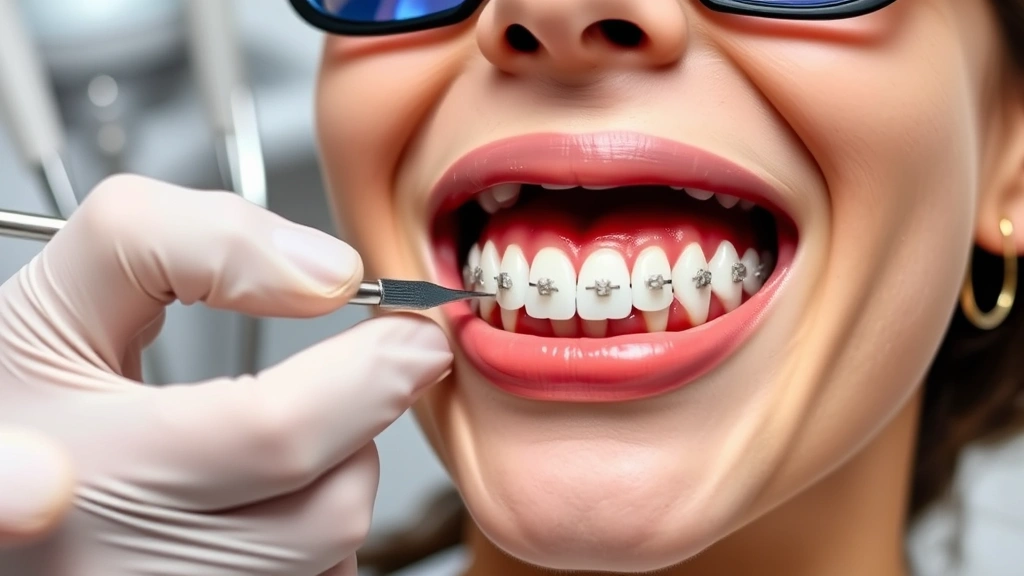
Speeding Up Your Braces Treatment
While you can’t drastically rush orthodontic treatment without risking complications, several strategies can help you complete treatment on schedule or potentially slightly faster:
Perfect Compliance: Wear elastics exactly as prescribed, without exception. Elastics provide critical force for bite correction and tooth movement. Inconsistent wear can add months to your treatment. Similarly, attend every scheduled appointment and follow all care instructions meticulously.
Maintain Exceptional Oral Hygiene: Brush after every meal and floss daily, even with braces in place. Healthy gums and teeth respond better to orthodontic forces. Gum disease or tooth decay can complicate treatment and extend your timeline significantly.
Avoid Damaging Foods: Hard, sticky, and crunchy foods can damage brackets and wires, requiring emergency repairs that delay treatment. Stick to soft foods and cut hard items into small pieces.
Consider Accelerated Treatment Options: Some orthodontists offer treatments like propel or AcceleDent devices that claim to speed tooth movement through micro-vibrations or other means. While evidence supporting these devices is mixed, discuss them with your orthodontist to determine if they’re appropriate for your case.
Explore Self-Ligating or Advanced Bracket Systems: These systems sometimes offer slightly faster treatment compared to traditional braces. Discuss with your orthodontist whether upgrading to advanced brackets makes sense for your specific situation.
Manage Inflammation: Keep inflammation low through proper oral hygiene and, if recommended by your orthodontist, appropriate use of anti-inflammatory medications. Reduced inflammation can facilitate faster tooth movement.
The Retention Phase After Braces Removal
Braces removal represents a significant milestone, but your orthodontic journey doesn’t end there. The retention phase is equally important for maintaining your results. Your orthodontist will fit you with retainers immediately after braces removal—typically on the same day.
Fixed Retainers: A thin wire bonded permanently to the back of your front teeth prevents them from shifting. This retainer stays in place 24/7 and requires no action from you beyond maintaining excellent oral hygiene.
Removable Retainers: You’ll also receive removable retainers (typically Hawley retainers made of wire and acrylic, or clear plastic retainers similar to aligners). Initially, you’ll wear these full-time—meaning all day and night except when eating or brushing. After 3 to 6 months, you’ll transition to nighttime-only wear indefinitely.
The retention phase typically lasts a minimum of 12 months, though many orthodontists recommend permanent retainer wear to prevent relapse. Teeth have a natural tendency to shift back toward their original positions, especially during the first year after treatment. Consistent retainer use prevents this relapse and protects your investment in orthodontic treatment.
Many patients wonder about the importance of long-term commitment to their orthodontic results. Just as maintaining your home requires ongoing care, maintaining your straight smile requires consistent retainer use. Most orthodontists recommend permanent nighttime retainer wear to ensure your teeth remain in their corrected positions for life.
Common Delays and How to Avoid Them
Several common issues can extend your braces timeline beyond the initial estimate. Understanding these potential delays helps you take preventive action:
Poor Oral Hygiene: Plaque buildup around brackets leads to gum disease and tooth decay, both of which complicate treatment. Your orthodontist may need to pause treatment to address these issues, extending your timeline. Brush thoroughly around brackets and wires, and floss daily using specialized floss threaders or water flossers designed for braces.
Broken Brackets or Wires: Eating hard or sticky foods, or engaging in contact sports without a mouthguard, can damage your braces. Repairs take time and disrupt your treatment schedule. Protect your braces by avoiding problematic foods and wearing a mouthguard during sports.
Missed Appointments: Skipping or repeatedly rescheduling appointments prevents your orthodontist from making timely adjustments. This directly extends your treatment timeline. Treat your orthodontic appointments with the same importance as other medical appointments.
Non-Compliance with Elastics: Not wearing elastics as prescribed is one of the most common reasons treatment extends beyond the estimated timeframe. Elastics provide essential forces for bite correction. If you forget them frequently or remove them for extended periods, your treatment will take longer.
Inadequate Jaw Development (in growing patients): Your orthodontist may need to pause or modify treatment if your jaw continues growing unexpectedly. This is usually handled proactively, but significant growth changes can impact your timeline.
Unexpected Dental Issues: Discovering cavities, infections, or other dental problems during treatment may require pausing orthodontic care for treatment. Maintain regular dental checkups to catch issues early.
Complicated Extractions: If your treatment plan includes tooth extractions, complications during extraction can delay the start of active orthodontic movement. Choose an experienced oral surgeon and follow all post-extraction care instructions.
FAQ
How long do you have to wear braces for mild cases?
Mild cases involving minor crowding or spacing might be corrected in 12 to 18 months. Some orthodontists with advanced techniques report completing mild cases in as little as 10 to 12 months, though 16 to 18 months is more typical. Your orthodontist will provide a specific estimate after evaluating your teeth.
Can braces be removed early if teeth look straight?
No. Teeth can appear straight before your bite is fully corrected and your roots are properly positioned. Removing braces prematurely risks relapse and long-term complications. Your orthodontist removes braces only when all treatment goals—including bite correction and root positioning—are achieved. Trust your orthodontist’s judgment on timing.
Do adults take longer to finish braces treatment than teenagers?
Generally, yes. Adult bone is fully developed and denser than adolescent bone, which can slow tooth movement slightly. However, adults who comply well with treatment instructions often complete treatment within the standard 18 to 24-month timeframe. Age is just one factor; compliance and individual variation matter significantly.
What happens if I don’t wear my retainer after braces are removed?
Without retainers, your teeth will gradually shift back toward their original positions—a process called relapse. This can happen within weeks or months. Wearing your retainer as prescribed prevents relapse and protects your investment in orthodontic treatment. Most orthodontists recommend permanent nighttime retainer wear.
Are clear aligners faster than traditional braces?
Clear aligners can be faster for mild to moderate cases, potentially completing treatment in 6 to 18 months. However, traditional braces are often more effective for complex cases. The timeline depends on your specific needs. Discuss both options with your orthodontist to determine which offers the best timeline for your situation.
Can I speed up braces treatment with medications or supplements?
There’s no scientific evidence that medications or supplements significantly accelerate tooth movement. While some devices claim to enhance treatment speed, results are inconsistent. Focus instead on proven strategies: perfect compliance, excellent oral hygiene, and following your orthodontist’s instructions precisely.
What if my treatment takes longer than estimated?
Extended treatment isn’t unusual. Factors like unexpected jaw growth, individual variation in tooth movement, or compliance issues can extend your timeline. Discuss any concerns with your orthodontist. They can explain the reasons for delays and adjust your treatment plan if necessary. Patience during this phase ensures optimal long-term results.


