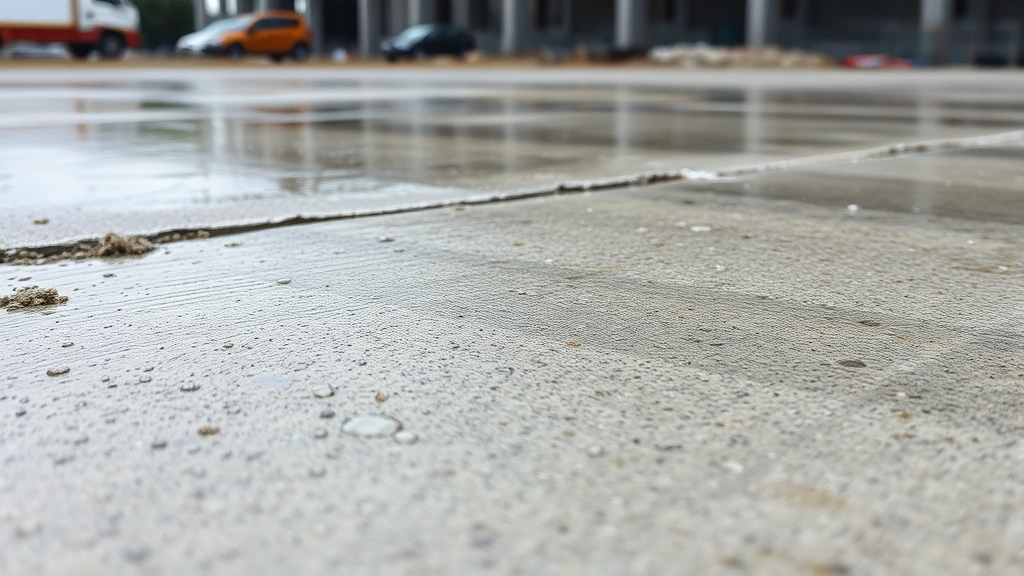
Cement Curing Time: Expert Insights Explained
Understanding how long cement takes to cure is fundamental to any successful construction or DIY project. Whether you’re pouring a foundation, creating a concrete patio, or working on a basement renovation, the curing process directly impacts the strength, durability, and longevity of your structure. Many DIYers and contractors underestimate the importance of proper curing time, which can lead to premature failure, cracking, and compromised structural integrity.
Cement curing is not a simple process that happens at a uniform rate. Multiple variables influence how quickly your concrete reaches full strength, and understanding these factors will help you plan your projects more effectively and avoid costly mistakes. In this comprehensive guide, we’ll explore the science behind cement curing, the factors that affect curing time, and practical strategies for ensuring your concrete projects succeed.
Understanding Cement Curing Basics
Cement curing is a chemical process called hydration, where cement particles react with water to form new compounds that bind aggregate materials together. This is distinctly different from drying—concrete can be curing while still appearing wet. During the hydration process, calcium silicate hydrates form, creating the matrix that gives concrete its strength and durability. Understanding this distinction is crucial because many people mistakenly believe concrete is fully cured once it appears dry on the surface.
The hydration process begins immediately when cement contacts water and continues for an extended period. Within the first 24 hours, concrete typically reaches about 25-30% of its design strength. However, the hydration process continues for weeks, months, and even years, with the most significant strength gains occurring during the first 28 days. This is why construction standards specify 28 days as the benchmark for concrete strength testing and why project planning must account for this timeline.
When planning basement finishing projects or other concrete work, recognizing the difference between initial set, final set, and full curing strength is essential. Initial set typically occurs within 8-12 hours, allowing light foot traffic. Final set happens around 24-48 hours, permitting normal construction activities. However, full design strength requires the complete 28-day curing period for most standard concrete mixes.
Typical Curing Timelines
Standard concrete mixes follow predictable curing timelines under normal conditions (around 70°F or 21°C). After 24 hours, concrete typically reaches 25-30% of its specified strength, allowing for form removal and light construction work. By 7 days, most concrete achieves approximately 70% of its design strength, which is sufficient for many construction activities but not for full structural loading.
The critical 28-day mark represents when concrete reaches its design strength—typically 90-100% of its specified compressive strength. This timeline is industry standard and referenced in building codes across North America. However, achieving this timeline requires proper curing conditions, including adequate moisture and appropriate temperature ranges. When these conditions aren’t met, curing time extends significantly or concrete fails to reach design strength entirely.
For specialized applications, such as high-early-strength concrete or rapid-set mixes, initial strength development accelerates dramatically. These formulations can reach 70% strength within 24 hours and full design strength by 7 days, making them valuable for projects with tight timelines. However, these premium mixes cost more and require precise handling to achieve their performance benefits.
Factors Affecting Curing Time
Multiple interdependent variables influence how long cement takes to cure. The cement type, water-to-cement ratio, aggregate composition, admixtures, temperature, humidity, and air exposure all play significant roles in the hydration process. Understanding these factors allows you to predict curing times more accurately and troubleshoot problems when concrete isn’t performing as expected.
The water-to-cement ratio is particularly critical. Too much water extends curing time and reduces final strength, while too little water may prevent complete hydration. The ideal ratio typically ranges from 0.4 to 0.6 by weight, though this varies based on the specific application and concrete type. Using too much water is a common mistake in DIY projects, as contractors often add extra water to improve workability without realizing the long-term consequences.
Cement type significantly impacts curing speed. Portland cement Type I is the standard general-purpose cement used in most applications. Type III cement contains finer particles and cures faster, reaching 70% strength in just 7 days. Type IV cement cures slowly and generates less heat, making it suitable for massive structures like dams. Type V cement resists sulfate attack and is used in harsh environments. When planning your DIY projects, specifying the correct cement type ensures predictable curing behavior.
Admixtures—chemical additives mixed into concrete—can dramatically alter curing times. Accelerators speed hydration and are commonly used in cold-weather construction. Retarders slow hydration, useful in hot climates where rapid evaporation would compromise concrete quality. Pozzolanic materials like fly ash or silica fume modify curing characteristics and improve long-term durability but typically extend initial curing times.
Temperature’s Critical Role
Temperature profoundly influences cement hydration rates. The hydration process is exothermic, releasing heat as it progresses, and this heat generation accelerates at higher temperatures. For every 10°C (18°F) increase above 70°F, hydration roughly doubles in speed. Conversely, below 50°F, hydration significantly slows, and below 40°F, it becomes dangerously slow.
In cold climates, concrete curing can take three to four times longer than standard timelines. At 40°F, concrete might require 60+ days to reach design strength, compared to 28 days at 70°F. This reality is crucial for winter construction planning. Many contractors use heated enclosures, insulating blankets, or heated concrete mixes to maintain proper temperatures during cold-weather pours, ensuring projects stay on schedule.
Hot weather presents different challenges. While faster initial hydration seems beneficial, rapid surface evaporation can prevent moisture from reaching interior concrete, creating weak surface layers and internal cracking. Temperatures above 85°F require active cooling strategies, including shading, misting, or using cooled mixing water. Excessive heat can actually reduce final concrete strength if not properly managed, making temperature control essential in both directions.
According to the American Concrete Institute (ACI), maintaining concrete temperature between 50°F and 85°F during and after placement ensures optimal curing. Deviations from this range require compensatory measures to achieve design strength within reasonable timeframes.
Moisture and Humidity Considerations
Moisture is absolutely essential for cement hydration. Concrete cannot cure properly without adequate water, yet too much surface evaporation creates problems. This paradox is why proper curing methods are so critical. If concrete loses moisture too quickly, the hydration process slows dramatically, and the concrete surface can dry while interior concrete remains uncured, leading to differential strength and cracking.
Relative humidity dramatically affects evaporation rates. In dry climates or during low-humidity periods, concrete loses surface moisture rapidly, potentially compromising curing. In humid environments, evaporation slows, allowing deeper hydration to proceed. This is why concrete in humid regions typically cures more uniformly than concrete in arid climates, where active moisture management becomes necessary.
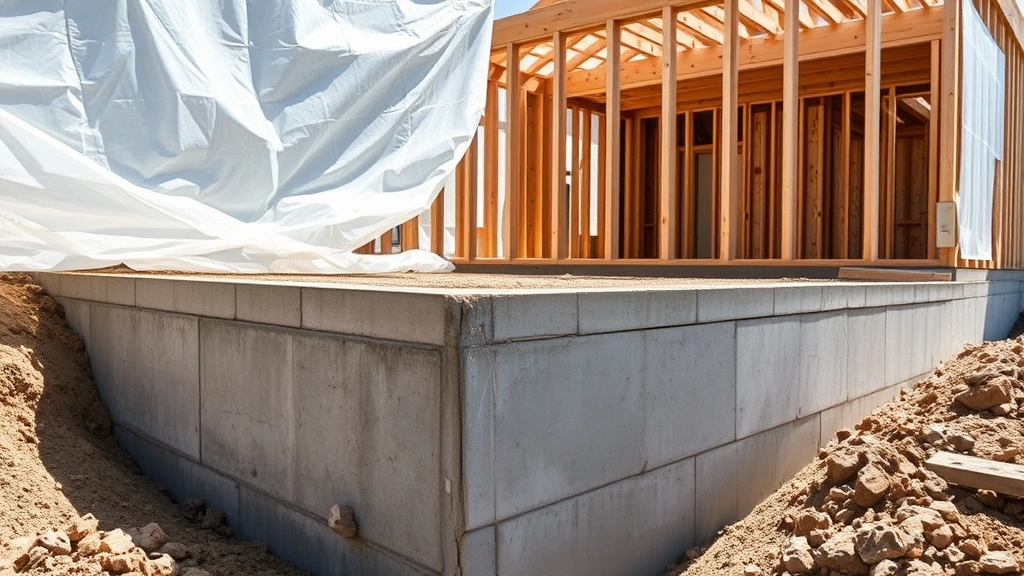
Curing methods directly address moisture management. Wet curing involves keeping concrete surfaces saturated with water through misting, ponding, or wet blankets for at least 7 days. This method ensures adequate moisture for hydration and is considered the most effective approach. Membrane curing uses plastic sheeting or chemical sealers to prevent moisture loss. Form retention leaves wooden forms in place, reducing evaporation. When planning home improvement projects involving concrete, budget time for proper curing methods rather than rushing to remove forms and expose concrete to drying conditions.
The relationship between moisture and temperature is synergistic. At high temperatures, moisture loss accelerates, requiring more aggressive curing methods. At low temperatures, moisture loss slows but so does hydration, creating a different set of challenges. Optimal curing combines moderate temperature with maintained moisture levels.
Accelerating Curing Process
Sometimes project timelines demand faster curing. Several legitimate strategies can accelerate concrete strength development without compromising quality. High-early-strength concrete mixes use Type III cement or specially formulated blends that achieve 70% design strength within 24 hours. While more expensive, these mixes are invaluable for projects requiring rapid turnaround.
Chemical accelerators, typically calcium chloride or non-chloride alternatives, speed hydration by 50-100%, depending on dosage and conditions. However, chloride accelerators can promote corrosion in reinforced concrete, making them unsuitable for structural applications with steel reinforcement. Modern non-chloride accelerators avoid this problem but cost more. Always verify that accelerators meet ASTM standards for your specific application.
Heated concrete and steam curing dramatically accelerate strength development. Precast concrete producers commonly use steam chambers to achieve design strength in 24 hours. For on-site work, heated enclosures maintain optimal temperatures, though this approach adds cost and complexity. In cold climates, even modest heating significantly improves curing times, making it economically justified for large projects.
Proper mix design optimization can improve early strength without chemical additives. Reducing water content, using optimized aggregate gradations, and selecting appropriate cement types all contribute to faster strength development. Working with concrete suppliers to specify mixes for your climate and project timeline ensures you’re getting optimal performance without paying for unnecessary accelerators.
Common Curing Mistakes
Many DIYers and inexperienced contractors make preventable mistakes that compromise concrete quality and require extensive remediation. The most common error is removing forms or allowing traffic too early. Concrete that appears solid at 24-48 hours hasn’t developed sufficient strength for structural loading. Premature removal causes cracking, settlement, and reduced durability.
Inadequate moisture management ranks second among common mistakes. Allowing concrete to dry rapidly before hydration completes creates weak surface layers, dusting, and poor durability. This is especially problematic in hot, dry climates where concrete can lose surface moisture within hours of placement. Protective measures must begin immediately after finishing.
Improper temperature control during cold weather leads to dangerously slow curing and reduced strength. Concrete placed in freezing conditions without protection won’t cure properly and can suffer permanent damage from freeze-thaw cycles. Similarly, excessive heat in summer can cause rapid evaporation and strength loss. Both extremes require active management.
Adding excessive water to improve workability is tempting but catastrophic. Extra water extends curing time, reduces final strength, and increases cracking potential. If concrete is too stiff to work with, adjusting mix design or using vibration is preferable to adding water. Always follow manufacturer recommendations for water content.
Neglecting to test curing progress is another common mistake. Many contractors assume standard timelines apply regardless of conditions. Using simple testing methods, like compressive strength testing or maturity methods, verifies actual curing progress and prevents premature loading or form removal.
Testing Concrete Strength
Understanding actual concrete curing progress requires testing. Standard compressive strength testing uses cylindrical samples cured alongside the actual concrete pour. At 7 and 28 days, samples are crushed to measure strength development. This method provides definitive strength data but requires sending samples to testing laboratories, delaying results.
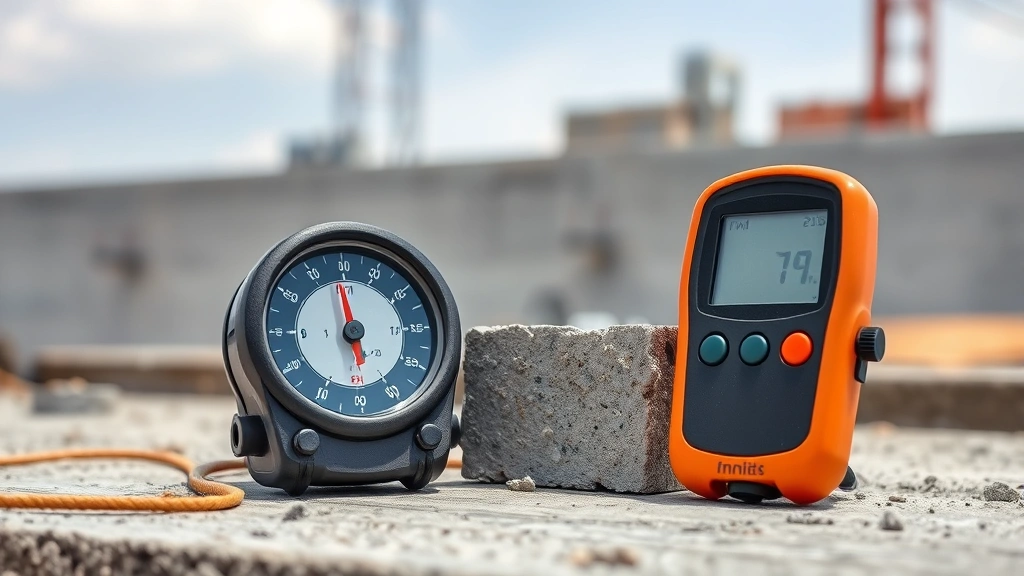
The maturity method estimates concrete strength based on temperature history and time. A maturity meter records temperature continuously and calculates strength development based on hydration rates. This method provides same-day strength estimates, allowing faster form removal and scheduling decisions without waiting for laboratory results. Maturity testing is increasingly popular for projects where schedule is critical.
Rebound hammer testing provides quick, non-destructive strength estimates by measuring surface hardness. While less precise than compressive testing, rebound hammers give immediate feedback about curing progress and can identify problem areas. This method is useful for quality control during construction, though it shouldn’t replace laboratory testing for critical structural elements.
Penetration resistance testing, using devices that measure how far a standardized rod penetrates concrete under fixed force, provides another non-destructive assessment method. Like rebound hammer testing, it offers quick feedback useful for scheduling decisions but requires correlation with actual compressive strength data.
Regardless of testing method, establish a testing protocol during project planning. For large projects, testing at 7, 14, and 28 days provides comprehensive curing data. For smaller projects, at minimum, verify that 28-day strength meets specifications before allowing full structural loading. Testing protects your investment and ensures long-term performance.
When planning concrete work as part of larger basement finishing initiatives, incorporating testing into your timeline prevents costly rework and ensures your foundation supports future improvements properly.
Frequently Asked Questions
How long can you walk on concrete after pouring?
Light foot traffic is generally safe after 24 hours, though concrete hasn’t reached full strength. Avoid placing heavy loads or equipment until at least 7 days have passed, and preferably 28 days for critical structural elements. Temperature conditions significantly affect this timeline—in cold weather, extend these periods substantially.
Can concrete cure too quickly?
Excessively rapid curing can cause problems. When concrete hardens too quickly, internal stresses develop, potentially causing cracking and reduced durability. Rapid surface curing while interior concrete remains uncured creates differential stress. Proper curing balances strength development with moisture retention to prevent these issues.
Does concrete continue curing after 28 days?
Yes. While 28 days marks when concrete reaches design strength, hydration continues for years, with strength gradually increasing. This long-term strength gain, called continued hydration or secondary hydration, can increase strength 10-20% beyond the 28-day value over several years. This is why concrete structures often improve with age.
What’s the difference between concrete curing and drying?
Curing is the chemical process of hydration that builds strength, requiring moisture. Drying is the physical process of moisture evaporation from the surface. Concrete must remain moist during curing to complete hydration, but excessive drying during this period prevents proper curing. You can have curing without drying, but you shouldn’t have drying without curing.
Can I use concrete before 28 days if it seems hard?
Concrete can feel hard well before reaching design strength. Initial surface hardening occurs within 24-48 hours, but interior concrete continues developing strength. Using concrete before full curing risks cracking, settlement, and premature failure. Always follow recommended timelines based on strength testing rather than appearance alone.
How does rain affect curing concrete?
Light rain during early curing can be beneficial, providing additional moisture for hydration. However, heavy rain can saturate concrete, creating excessive moisture that slows strength development. More critically, rain can wash out weak surface concrete and cause discoloration. Protective coverings during rain are recommended, especially during the first 24-48 hours.
Does concrete cure faster in summer or winter?
Concrete cures much faster in summer due to higher temperatures accelerating hydration. However, excessive summer heat requires active cooling and moisture management to prevent problems. Winter concrete requires extended timelines and protective measures. Moderate spring and fall temperatures often provide optimal curing conditions without requiring temperature management.
What should I do if concrete doesn’t cure properly?
If concrete fails to develop expected strength, first determine the cause through testing. Common causes include improper mix design, inadequate curing, temperature extremes, or contaminated materials. Remediation options include epoxy injection for cracks, surface sealers for weak areas, or in severe cases, removal and replacement. Prevention through proper initial curing is always preferable to remediation.


