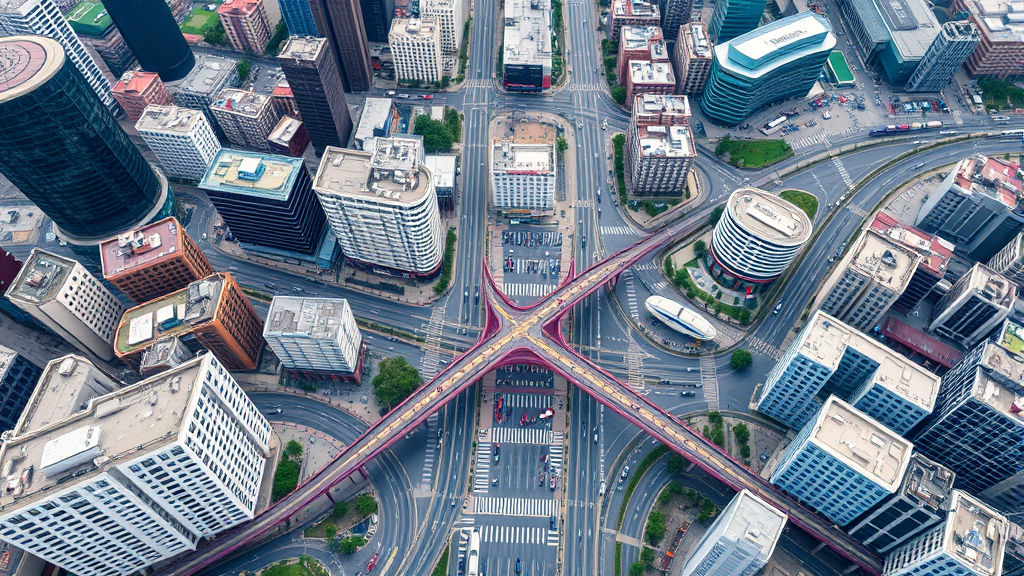
Cities: Skylines is a complex urban planning simulation that challenges players to create thriving metropolitan areas while managing traffic flow efficiently. One of the most crucial aspects of maintaining smooth traffic patterns is implementing an effective public transportation system, particularly bus lines. Well-designed bus networks can dramatically reduce congestion, improve citizen satisfaction, and create more sustainable urban environments.
Understanding how to properly plan and execute bus lines in Cities: Skylines requires strategic thinking, careful route planning, and ongoing optimization. This comprehensive guide will walk you through every aspect of bus line creation, from initial planning phases to advanced optimization techniques that will transform your city’s transportation infrastructure.
Understanding Bus Line Basics
Before diving into complex bus network designs, it’s essential to grasp the fundamental mechanics of how bus lines operate in Cities: Skylines. Bus stops serve as the foundation of your public transportation network, acting as connection points where citizens can board and disembark. Each bus stop has a catchment area that extends in a radius around the stop, influencing which buildings and residential areas it serves.
The game’s transportation AI prioritizes efficiency and convenience when citizens choose their travel methods. Citizens will opt for public transportation when it provides a faster or more convenient route to their destination compared to personal vehicles. This means your bus lines must offer genuine value by connecting high-demand areas efficiently.
Bus capacity and frequency play critical roles in system effectiveness. Each bus can carry a limited number of passengers, and the frequency of service depends on the number of buses assigned to a route. Understanding these limitations helps you design routes that can handle passenger demand without overcrowding or excessive wait times.
Strategic Planning for Bus Networks
Successful bus line implementation begins with comprehensive city analysis. Start by identifying high-density residential areas, commercial districts, industrial zones, and educational facilities. These locations typically generate the highest passenger demand and should be prioritized in your initial route planning.
Traffic flow analysis is equally important. Study your city’s existing traffic patterns to identify congested areas where bus lines could provide alternative transportation options. Areas with heavy traffic congestion often indicate high travel demand that public transportation can address effectively.
Consider implementing a hierarchical approach to bus line planning, similar to how you might approach network infrastructure design. Create main arterial routes that connect major city districts, then develop local feeder routes that connect neighborhoods to these main lines.
Population density maps available in the game’s information panels provide valuable insights for route planning. Areas with higher population density typically justify more frequent bus service and multiple route options. Use this data to prioritize which areas receive bus service first and determine the appropriate level of service for different neighborhoods.
Creating Your First Bus Line
When creating your first bus line, access the public transportation menu and select the bus icon. The line creation tool allows you to place bus stops strategically throughout your city. Start with a simple route connecting two high-demand areas to test the system’s effectiveness before expanding to more complex networks.
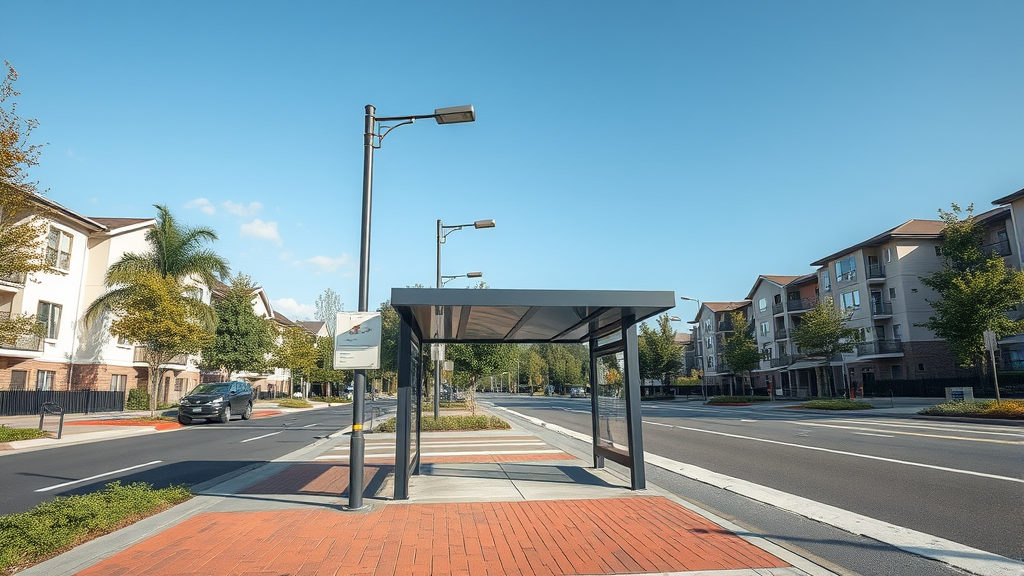
Bus stop placement requires careful consideration of both accessibility and traffic flow. Place stops near building entrances and pedestrian pathways to maximize convenience for citizens. However, avoid placing stops too close to intersections or in locations that might disrupt traffic flow, as this can create additional congestion rather than alleviating it.
The optimal distance between bus stops typically ranges from 300 to 500 game units, depending on the density of the area being served. Stops placed too close together result in inefficient routes with excessive travel times, while stops spaced too far apart reduce accessibility and convenience for potential passengers.
Route design should prioritize directness while ensuring adequate coverage. Avoid creating routes with excessive loops or detours that significantly increase travel time. Citizens are more likely to use public transportation when it provides a reasonably direct path to their destination.
Optimization Techniques for Maximum Efficiency
Once your initial bus lines are operational, continuous optimization ensures maximum efficiency and passenger satisfaction. Monitor passenger demand using the transportation information panel to identify routes that are over or under-utilized. Routes with consistently full buses may benefit from additional vehicles or frequency increases.
Bus depot placement significantly impacts system efficiency. Position depots centrally within your bus network to minimize the distance buses must travel to and from the depot. This reduces operational costs and ensures buses spend more time serving passengers rather than traveling empty to maintenance facilities.
Consider implementing express routes for longer distances within your city. Express routes with fewer stops can provide faster service for citizens traveling between distant neighborhoods, complementing local routes that provide comprehensive neighborhood coverage.
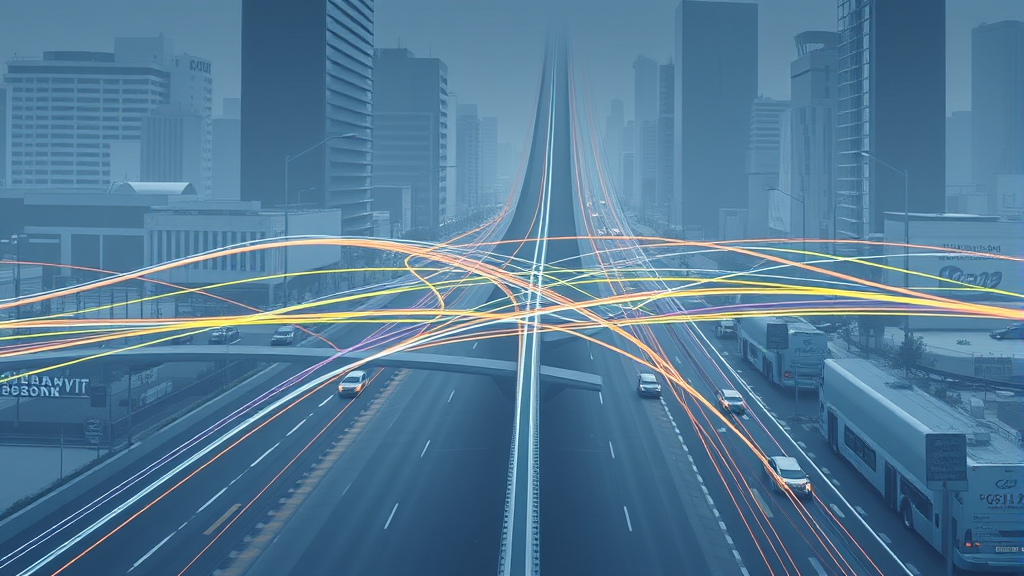
Traffic signal optimization works hand-in-hand with bus line efficiency. Use the Traffic Manager mod or similar tools to give buses priority at intersections, reducing delays and improving schedule reliability. This enhancement makes public transportation more attractive compared to private vehicle use.
Integration with Other Transportation Systems
Effective bus networks don’t operate in isolation but integrate seamlessly with other transportation modes. Plan connections between bus stops and metro stations, train terminals, and airports to create a comprehensive public transportation network. These intermodal connections encourage citizens to use public transportation for longer journeys.
Walking paths and bicycle lanes complement bus networks by providing citizens with convenient access to bus stops. Ensure adequate pedestrian infrastructure connects residential areas to nearby bus stops, making public transportation accessible without requiring personal vehicle use.
The integration approach mirrors principles found in systematic project planning, where each component supports the overall system’s effectiveness. Consider how each transportation mode serves different travel needs and distances within your city.
Park-and-ride facilities at the edges of your city can encourage suburban residents to use public transportation for commuting to city centers. These facilities reduce downtown parking demand while extending the effective reach of your public transportation network.
Common Mistakes to Avoid
One of the most common mistakes in bus line planning is creating routes that are too long or complex. Extremely long routes result in unreliable service and excessive travel times, making public transportation less attractive to citizens. Break long routes into smaller, interconnected segments for better service reliability.
Insufficient bus frequency is another prevalent issue that can undermine even well-planned routes. Monitor passenger demand and adjust the number of buses assigned to each route accordingly. Routes serving high-demand areas may require multiple buses to maintain acceptable service levels.
Ignoring traffic flow when placing bus stops can create additional congestion rather than reducing it. Avoid placing stops immediately after traffic signals or in locations where buses must merge into heavy traffic. Consider using bus-only lanes in high-traffic areas to maintain service reliability.
Failing to adapt bus networks as your city grows is a critical oversight. Regularly review and update your bus routes to accommodate new developments, changing traffic patterns, and evolving citizen needs. Static transportation networks become less effective as cities expand and evolve.
Advanced Bus Line Strategies
Advanced players can implement sophisticated bus network designs that maximize efficiency and coverage. Hub-and-spoke systems concentrate multiple routes at central transfer points, allowing citizens to reach any destination with at most one transfer. This approach is particularly effective in larger cities with distinct districts.
Circular routes can provide efficient service in areas with relatively uniform density, allowing citizens to reach destinations in either direction around the circle. However, ensure circular routes don’t become excessively long, as this can result in poor service frequency.
Express and local service combinations provide both comprehensive coverage and fast service for longer trips. Local routes serve every stop in a corridor, while express routes serve only major stops, providing faster service for citizens traveling longer distances.
The systematic approach to bus network optimization shares similarities with precision engineering projects, where careful attention to detail and systematic testing lead to optimal performance.
Seasonal and time-based service adjustments can optimize efficiency for cities with varying demand patterns. Monitor passenger usage throughout different times and adjust service frequency accordingly, similar to how you might approach detailed project planning with multiple phases.
Data-driven optimization using the game’s statistics and third-party mods provides insights for continuous improvement. Track key performance indicators such as passenger volumes, route efficiency, and system-wide coverage to identify optimization opportunities.
Frequently Asked Questions
How many buses should I assign to each route?
The optimal number of buses per route depends on passenger demand and route length. Start with 2-3 buses for shorter routes and 4-6 for longer routes, then adjust based on passenger volumes shown in the transportation panel. If buses are consistently full, add more vehicles. If buses are mostly empty, reduce the number to improve efficiency.
What’s the ideal spacing between bus stops?
Bus stops should typically be spaced 300-500 game units apart, depending on area density. In high-density downtown areas, closer spacing (300-350 units) improves accessibility. In lower-density suburban areas, wider spacing (400-500 units) maintains efficiency while providing adequate coverage.
How do I know if my bus lines are working effectively?
Monitor the public transportation info panel to track passenger numbers, route efficiency, and citizen satisfaction. Effective bus lines show consistent passenger usage, reduced traffic congestion in served areas, and positive citizen feedback. Additionally, watch for decreased parking demand and improved traffic flow as indicators of success.
Should I create circular or linear bus routes?
Both route types have advantages depending on your city layout. Linear routes work well for connecting distinct areas like residential neighborhoods to commercial districts. Circular routes are effective in areas with uniform density where citizens travel to various destinations within the circle. Avoid excessively long routes of either type.
How do I handle bus lines in areas with heavy traffic?
In congested areas, consider implementing bus-only lanes using road tools or mods like Traffic Manager. Place bus stops strategically to avoid blocking traffic flow, and ensure buses have clear paths to merge back into traffic. Sometimes dedicated bus rapid transit lines provide better service than mixed-traffic routes.
When should I expand my bus network?
Expand your bus network when you notice increased traffic congestion, citizen complaints about transportation, or new development in underserved areas. Monitor population growth and development patterns to proactively plan new routes rather than reactively responding to problems.
Can bus lines replace the need for other public transportation?
While bus lines are versatile and cost-effective, they work best as part of a comprehensive transportation system. For larger cities, combine buses with metro systems, trains, and other transit modes. Buses excel at local distribution and serving areas with moderate density, while rail systems handle high-capacity corridors more efficiently.