Table of Contents
Introduction
Picture this: you’re running late for work, and your car starts making that weird noise again. Your heart sinks as you imagine another expensive trip to the mechanic. Sound familiar? Here’s the thing—most car owners feel completely helpless when something goes wrong with their vehicle. But what if I told you that many common car problems are actually easier to fix than you think?
DIY car repairs aren’t just for gear heads anymore. More and more people are discovering that with the right guidance, they can handle basic maintenance and save serious money in the process. We’re talking about simple stuff like oil changes, swapping out air filters, and basic tire care. Once you get the hang of it, there’s this amazing feeling of “Hey, I actually fixed that myself!” Plus, you’ll understand your car better than ever before. If you’re just getting started, checking out some car maintenance tips for beginners will give you a solid foundation to build on.
Now, I get it. The idea of poking around under the hood can be pretty intimidating. What if you mess something up? What if you hurt yourself? These are totally valid concerns, but here’s the reality: with basic safety precautions and the right approach, most beginner repairs are quite manageable. You’ll need some essential tools, maybe an OBD-II scanner for diagnostics, and definitely some safety gear like gloves and goggles. And while we’re talking about smart car ownership, it’s worth considering other money-saving strategies too—like knowing some tips for negotiating car prices when you’re in the market for your next vehicle.
Learning to fix your own car isn’t just about saving money (though that’s definitely a nice bonus). It’s about taking control. Your car lasts longer when you understand how to care for it properly. You’re safer on the road because you know what to look for. And honestly? There’s something deeply satisfying about solving a problem with your own two hands. Whether you’re a busy parent trying to stretch the budget or someone who just likes learning new skills, getting comfortable with basic repairs makes a real difference. Building on fundamentals like how to check car oil levels helps you develop that mechanical intuition that comes in handy down the road.
What You’ll Learn in This Guide
This guide is designed to take you from “I don’t know anything about cars” to “I can handle this myself.” We’ll start with the basics and work our way up, covering everything you need to know to tackle common repairs with confidence. Here’s what we’ll cover:
- Essential Tools and Safety Gear: We’ll walk you through exactly what tools you need (and which ones you can skip for now). Plus, we’ll cover all the safety equipment that keeps you protected while you work. No need to break the bank—we’ll help you build your toolkit smartly.
- Common Beginner Repairs: Oil changes, air filter swaps, brake pad replacements, tire rotations—these are the bread and butter repairs that every car owner should know. We’ll break each one down into simple, manageable steps that anyone can follow.
- Safety Best Practices: This stuff is non-negotiable. We’ll show you how to set up a safe workspace, handle tools properly, and most importantly, recognize when you’re in over your head. Better safe than sorry, always.
- Knowing When to Call a Professional: Look, DIY doesn’t mean “do everything yourself.” We’ll help you understand which problems you can tackle and which ones require a professional touch. Sometimes paying for expertise saves you money in the long run.
By the time you finish this guide, you’ll have the confidence to diagnose simple problems and fix them yourself. You’ll save money, understand your car better, and maybe even enjoy the process. (Trust me, once you successfully complete your first repair, you’ll be hooked.)
We’ll start by diving deep into the tools and techniques you need, then move on to specific repairs with step-by-step instructions. Along the way, you’ll pick up practical tips and develop good habits that make every repair easier and safer. And if you want to expand your knowledge even further, mastering car maintenance tips for beginners will give you an even stronger foundation for everything we’ll cover.
Ready to take control of your car maintenance? Let’s dive in and turn you into the kind of car owner who handles problems instead of just worrying about them. Your wallet (and your confidence) will thank you.
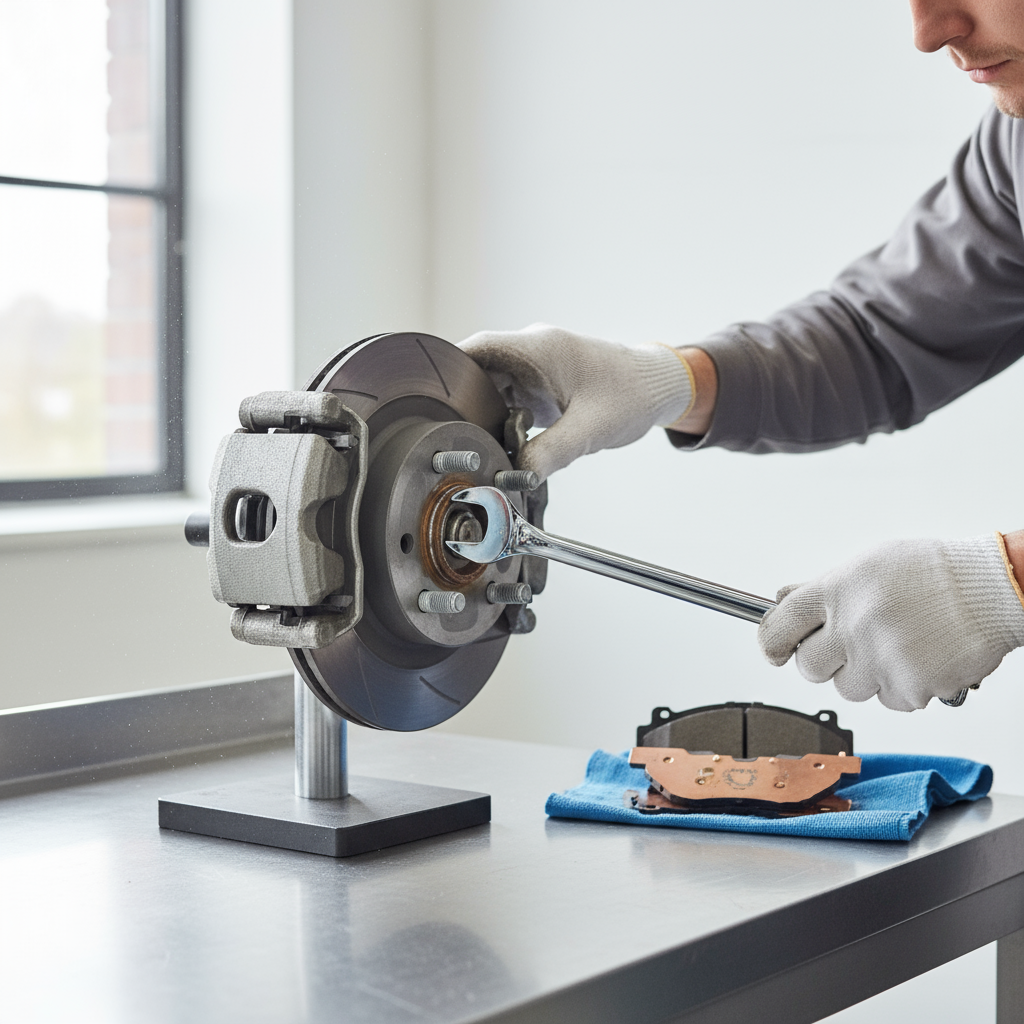
There’s something incredibly satisfying about popping your car’s hood and actually knowing what you’re looking at. DIY car repairs aren’t just about saving money (though you’ll definitely do that)—they’re about taking control. When you can handle basic maintenance yourself, you gain practical skills that’ll serve you for years. Plus, there’s a real confidence boost that comes from fixing something with your own hands. Sure, professional mechanics are crucial for the big stuff, but many common repairs? You can absolutely handle those at home. All you need is the right knowledge, some basic tools, and a willingness to get your hands a little dirty. Ready to extend your car’s life and understand how it actually works? Let’s start with the repairs that won’t intimidate you.
Common DIY Car Repairs for Beginners
Here’s the good news: most DIY car repairs are really just routine maintenance and simple fixes. No specialized training required, no expensive equipment needed. Think of these as your car’s regular health checkups—they keep things running smoothly and catch problems before they become wallet-draining disasters. The best part? Once you master these basics, you’ll have a solid foundation to build on. Want to get started with the fundamentals? Check out these car maintenance tips for beginners that’ll walk you through oil checks, air filters, battery care, and more.
Now, let’s talk about brake and tire work—probably the most important safety-related repairs you can learn. These directly impact how well your car stops and handles on the road. We’re talking about straightforward tasks like changing brake pads, rotating tires, and keeping an eye on tire pressure. Nothing too scary here. If you want to get into the specifics of brake maintenance, this step-by-step guide will show you exactly how to check your brake fluid with clear visuals. As for electrical stuff? Yeah, some of that needs a pro. But replacing a dead battery or swapping out a blown fuse? Totally doable.
Key Aspects of Common DIY Repairs
Let’s break down what you’re actually getting into with each type of repair:
- Basic Maintenance Tasks: This is your bread and butter—oil changes to keep everything lubricated, swapping out air filters so your engine can breathe, and checking fluids like coolant, brake fluid, and transmission fluid. Master these, and your engine will thank you with better performance and a longer life.
- Brake and Tire Repairs: Rotating your tires spreads out the wear evenly (hello, longer tire life), while fresh brake pads mean you can actually stop when you need to. Don’t forget tire pressure checks—they’ll save you gas money and keep you safer on the road. The key here? Good tools and paying attention to details.
- Battery and Electrical Fixes: Learning to swap out a dead battery can save you from waiting for a tow truck on a cold morning. And those blown fuses? They’re usually behind mysterious electrical gremlins. Just remember—safety first when dealing with electricity.
- Preventive Checks: This is where you become a car detective. Strange noises, dashboard warning lights, weird performance issues—learning to spot these early helps you decide whether you can DIY it or need to call in the pros.
Once you’re comfortable with these repairs, you’ll notice something cool happening. You’ll stop immediately calling your mechanic for every little thing. Instead, you’ll develop this proactive mindset about car care. And trust me, those skills will keep growing into more advanced territory. But before we get ahead of ourselves, let’s talk about setting up a workspace that keeps you safe and gets the job done right.
Essential Tools and Safety Tips for DIY Car Repairs
You can’t build a house without a hammer, and you can’t fix a car without the right tools. The good news? You don’t need to break the bank. Basic hand tools—wrenches, screwdrivers, pliers, and a solid socket set—will handle most of what you’ll encounter. Then there’s the diagnostic stuff: an OBD-II scanner (sounds fancy, but it’s basically your car’s translator) and a tire pressure gauge. These little gadgets help you figure out what’s actually wrong and confirm your repairs worked.
But here’s what really matters: safety. And I’m not just talking about wearing gloves (though you should). You need a well-lit workspace with good ventilation and everything organized. Chaos leads to accidents. Safety gear like gloves, goggles, and jack stands aren’t suggestions—they’re requirements. Those jack stands? They’re literally the difference between a successful repair and becoming part of a very unfortunate statistic. Good tool habits matter too: use the right tool for the job, store things properly, and know when you’re in over your head. Keep a first aid kit handy and understand your limits. There’s no shame in calling a professional when things get complicated.
Key Aspects of Tools and Safety
Let’s get specific about what you actually need and why it matters:
- Hand Tools: Quality wrenches, screwdrivers with different heads, reliable pliers, and a comprehensive socket set are your best friends. Cheap tools break when you need them most, so invest wisely. These tools let you access, loosen, and tighten components without losing your mind in the process.
- Diagnostic Equipment: That OBD-II scanner plugs into your car’s computer and spits out error codes—like having a conversation with your vehicle. Tire pressure gauges? They’re simple but crucial for keeping your tires healthy and your gas mileage decent.
- Safety Gear: Gloves protect against cuts, chemicals, and general nastiness. Safety goggles keep debris out of your eyes when you’re wrestling with a stubborn battery or checking fluids. And those jack stands we mentioned? They’re what keep your car from crushing you when you’re working underneath.
- Emergency Preparedness: A well-stocked first aid kit is non-negotiable. But equally important? Knowing when you’re out of your depth. Major engine problems, transmission issues—that’s when you step back and call someone who does this for a living.
When you combine good tools with smart safety practices, something magical happens: confidence. You’ll approach repairs knowing you’re prepared and protected. And that combination of the right equipment and safety awareness? That’s what separates successful DIY mechanics from people with horror stories. Master these fundamentals, and you’ll be ready to tackle car repairs like a pro—safely and effectively.

So here we are at the end of our DIY car repair journey—and honestly? You should feel pretty good about what you’ve learned. We’ve covered the bread-and-butter stuff that’ll save you real money: oil changes, brake pads, tire rotations, and those pesky battery issues that always seem to happen at the worst possible time. But here’s what’s really cool about mastering these basics—it’s not just about the cash you’ll save (though that’s nice). You’re actually building a skill set that makes you more confident every time you pop the hood.
Think about it: six months ago, maybe your car making a weird noise sent you straight into panic mode. Now? You’ve got the knowledge to at least figure out if it’s something you can handle or if you need to call in the pros. That’s huge. And let’s talk safety for a second—because I can’t stress this enough. Good lighting, proper ventilation, the right tools (yes, that OBD-II scanner is worth every penny), and protective gear aren’t just suggestions. They’re what keep you from turning a simple repair into an expensive trip to the ER. Trust me on this one.
Ready to take things to the next level? Here’s where you can really accelerate your learning. Start with our comprehensive car maintenance tips for beginners—it’ll teach you the inspection skills that help you catch problems before they become headaches. When you’re ready to tackle electrical work (and you will be), our detailed battery replacement guide walks you through everything step-by-step. And here’s something most people don’t think about—managing the financial side of car ownership. Check out these effective tips for negotiating car prices because being smart with repairs is great, but being smart when you buy saves you money from day one.
Look, becoming a confident DIY car repairer isn’t something that happens overnight. (If anyone tells you it does, they’re probably trying to sell you something.) It takes patience, practice, and yeah—a few scraped knuckles along the way. But every successful repair builds on the last one. You’ll start recognizing sounds, understanding how systems work together, and developing that sixth sense for when something’s not quite right. Just remember: know your limits, gear up properly, and never be too proud to call a professional when you’re in over your head. Your wallet will thank you, your confidence will soar, and you’ll never look at your car the same way again.
Frequently Asked Questions
-
What are some simple car repairs I can do at home?
- Basic maintenance like oil changes, tire rotations, and replacing air filters are accessible and safe DIY projects for beginners.
-
What tools do I need to start DIY car repairs?
- Essential hand tools such as wrenches, screwdrivers, pliers, along with diagnostic tools like an OBD-II scanner and safety gear including gloves and goggles are recommended.
-
How can I ensure safety while working on my car?
- Prepare a clean, well-lit workspace, use tools properly, wear protective gear, and have first aid supplies available to maintain safety at all times.
-
When should I stop DIY repairs and call a mechanic?
- Complex issues beyond your skill level, especially involving major engine or transmission problems, should be handled by a professional mechanic to avoid further damage.