Table of Contents
Introduction
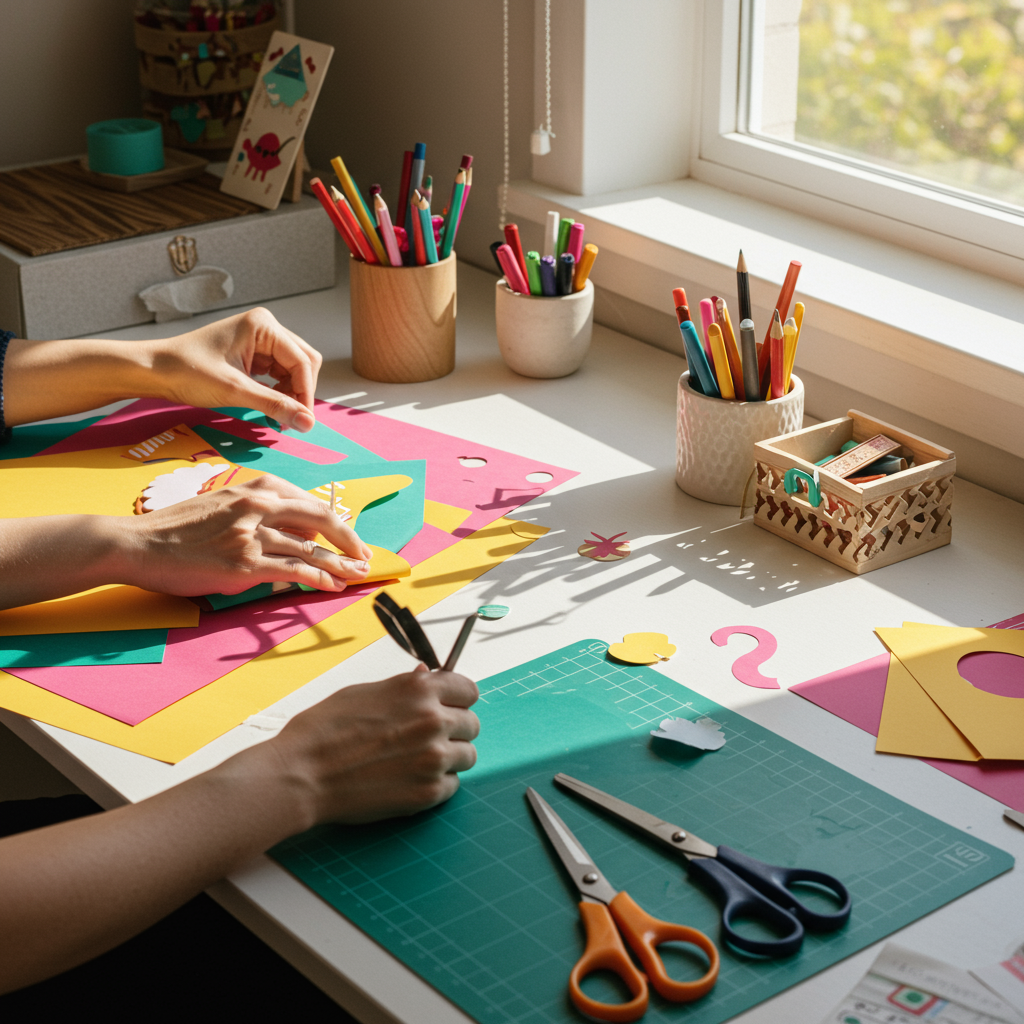
DIY paper crafts have grown tremendously in popularity as a fun, creative, and budget-friendly way to express oneself through handmade art. From intricate origami designs to personalized greeting cards and decorative paper flowers, this enjoyable hobby offers endless possibilities for both beginners and experienced crafters. Have you ever felt the urge to create something unique with just paper and a few tools? If so, you’re in the right place to explore the wonderful world of paper crafting.
Many people discover paper crafts as a relaxing yet productive pastime that helps ease stress and ignite creativity. In fact, it’s a hobby well-suited for people of all ages and skill levels. Whether you seek an artistic outlet, a way to customize gifts, or a new activity to enjoy with family and friends, paper crafting provides a versatile platform. Before diving into specifics, it’s important to understand the basic materials and tools needed to get started, as this foundation makes all the difference as you progress in your crafting journey.
Paper crafts are not only inexpensive but also environmentally friendly when using recycled materials or repurposing paper products. This makes DIY paper crafting appealing to those mindful of sustainability and eco-conscious creativity. You might be surprised how many stunning projects can be accomplished with just cardstock, glue, scissors, and a little imagination. Understanding these fundamentals will empower you to create beautiful, functional items that brighten your home or make meaningful gifts.
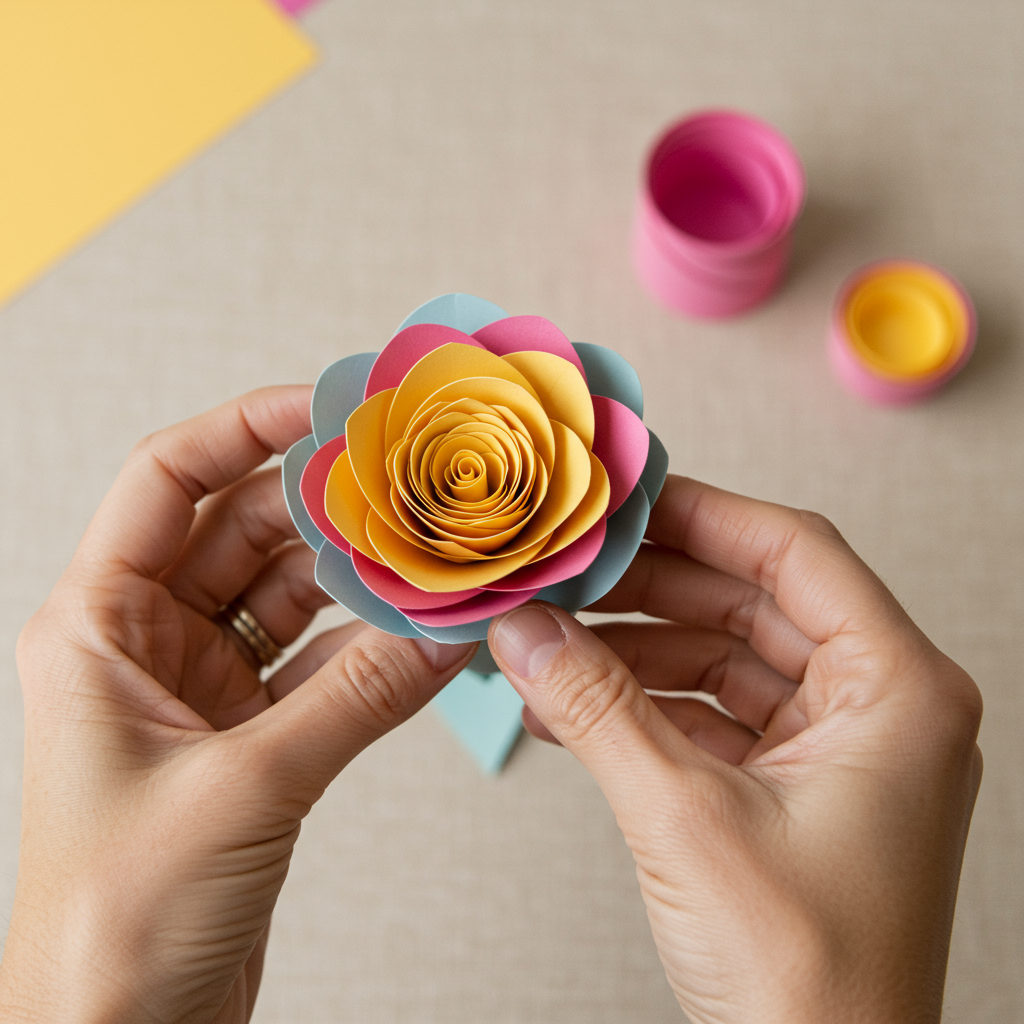
One of the most rewarding aspects of paper crafting is the variety of projects you can personally tailor according to your interests, skill level, and occasion. From crafting delicate paper flowers to assembling festive cards or folding imaginative origami figures, this hobby encourages experimentation and personal style. Many enthusiasts find joy in celebrating holidays, birthdays, and milestones with handcrafted paper gifts that convey heartfelt effort and uniqueness.
What You’ll Learn in This Guide
In this comprehensive guide, we’ll walk you through everything you need to know about DIY paper crafts. Here’s what we’ll cover:
- Essential Materials and Tools: Learn about the basic supplies needed to start paper crafting, including types of paper, adhesives, cutting tools, and helpful accessories that make your projects easier and more enjoyable.
- Easy DIY Paper Craft Ideas for Beginners: Discover simple projects like paper flowers, greeting cards, and origami figures that you can create right away even if you’re just starting out.
- Advanced Techniques and Creative Tips: Explore ways to elevate your crafts with layering, texturing, color mixing, and patterned paper to add dimension and aesthetic appeal.
- Tips for Successful DIY Paper Crafts: Gain expert advice on organizing your workspace, safety considerations, and avoiding common pitfalls so you have a smooth and enjoyable crafting experience.
As you continue reading, you’ll gain valuable insights into not only how to create stunning paper crafts but also how to build your skills progressively and confidently. The step-by-step instructions and creative tips provided will help you move from basic to advanced projects seamlessly.
Whether you’re crafting for fun, gifts, or even potential small business ideas, the guidance here aims to make paper crafting accessible and fulfilling. You’ll learn how to select the right materials, use tools effectively, and add your own personal flair to every creation.
Get ready to explore inspiring projects, practical advice, and creative techniques that will keep your imagination thriving and hands busy with rewarding paper crafts. Let’s dive into the world of paper crafting and unlock your creative potential!
Embarking on the journey of investing can often seem complex and intimidating, but understanding its foundational concepts and strategic approaches is essential for building and securing long-term financial growth. As we delve deeper into this discussion, we will explore crucial facets of investing that provide not only knowledge but actionable insight to help you make confident decisions aligned with your financial goals. Whether you are a novice eager to understand the basics or an experienced investor seeking advanced strategies, this discussion aims to equip you with valuable perspectives to navigate the investing landscape effectively.
Understanding Investment Fundamentals and Key Strategies
Investing requires a solid grasp of basic principles such as the types of investments available, risk management, and portfolio diversification. A well-informed investor recognizes the importance of balancing risk with potential returns and how strategic planning can optimize financial outcomes over time. Understanding concepts like compound interest, different asset classes, and investment timelines lays the groundwork for informed decision-making and helps avoid common pitfalls. To fully grasp this concept, it helps to understand long term vs short term investing first, as it directly affects how investment decisions are structured.
Moreover, successful investing embraces regular portfolio reviews and adjustments based on market conditions, personal goals, and risk tolerance. Staying educated about portfolio management software and analytic tools can support these efforts by providing real-time data and insights. Strategic diversification spreads investment across different sectors and asset types to minimize risk and capture opportunities. Many experts recommend also considering investment diversification strategies as part of a comprehensive approach to balance risk and reward.
Key Aspects of Investment Fundamentals and Strategies
To outline the core pillars that form the backbone of sound investing, consider the following:
- Risk and Return Balance: Every investment carries risk, but successful investors measure this against their desired returns, opting for strategies that align with their financial horizon and appetite for risk. Understanding this balance helps in choosing suitable asset allocations and avoiding undue losses.
- Compound Interest and Growth: Harnessing the power of compound interest allows investments to grow exponentially over time. Regular contributions and reinvestment of gains serve as critical drivers of long-term wealth accumulation.
- Diversification Across Assets: Spreading investments across stocks, bonds, real estate, and other vehicles reduces exposure to any single market fluctuation. Diversification not only manages risk but also opens avenues for multiple streams of growth.
- Strategic Time Horizon Planning: Depending on whether objectives are short term or long term, investment choices and risk approaches differ significantly. Aligning your portfolio cycle with your financial goals ensures better preparedness and outcome optimization.
Advanced Approaches to Real Estate and Dividend Investing
Beyond foundational investing, specialized strategies like real estate investment and dividend-focused stock portfolios offer unique benefits and considerations. Real estate investment involves acquiring properties to generate income or capital appreciation, blending financial acumen with market knowledge and sometimes physical asset management. Dividend investing, on the other hand, focuses on building a steady income stream through companies that regularly distribute profits to shareholders. These strategies require an understanding of market trends, tax benefits, and inherent risks to maximize their potential.
Using modern tools and software can significantly aid in managing these investments efficiently. For instance, real estate market analysis tools and investment portfolio management software help investors assess opportunities and track performance meticulously. For those interested in generating income, learning about the best stocks for dividend growth can be invaluable. Likewise, understanding how to calculate ROI in real estate ensures investments yield expected returns and supports smarter decision-making.
Important Considerations for Real Estate and Dividend Investing
To navigate the complexities of these investment strategies, keep these considerations in mind:
- Market Research and Timing: Effective investing in real estate and dividend stocks requires thorough market analysis and timing. Understanding local real estate cycles or corporate earnings trends can significantly impact profitability.
- Tax Benefits and Implications: Real estate investments often come with tax advantages such as depreciation and deductions. Dividend income might also have specific tax treatments; being knowledgeable allows for optimized returns and compliance.
- Income Stability and Growth Potential: Dividend investing prioritizes companies with consistent and growing dividend payouts, contributing to stable income streams. Similarly, real estate investments should be chosen for rental yield reliability and property appreciation prospects.
- Management and Maintenance: While dividend stocks require periodic portfolio reviews, real estate demands active management like property upkeep, tenant relations, and compliance with regulations. Leveraging professional help or software tools can ease these responsibilities.

Conclusion
DIY paper crafts have not only become a beloved pastime for millions but also a profound way to explore creativity and relieve stress. As this guide highlights, understanding essential materials and tools is the cornerstone for any crafter. From whimsical paper flowers to elegant greeting cards, the projects we discussed are designed to inspire creativity and foster a sense of accomplishment. Importantly, the advanced techniques provide seasoned crafters with the opportunity to elevate their work, incorporating layering and color for stunning effects. Remember, crafting is not just about the end product, but also the joy of the creation process and the stories behind each piece created.
If you’re feeling motivated to start your crafting journey, consider tackling one of the beginner-friendly projects mentioned earlier. Gathering your materials, setting up a creative workspace, and devoting time to practice are excellent first steps. For more detailed guidance, our article on DIY car repairs can help establish a solid foundation for all hands-on projects. Don’t hesitate to experiment with advanced techniques as you become more comfortable; layering and mixing colors can enhance your creativity and result in unique personalized pieces.
Finally, the world of DIY crafts is vast and filled with resources for inspiration. Explore online platforms, join community groups, or even check local crafting workshops. This not only improves your skills but introduces you to wonderful communities that share your passion. So, gather your supplies, unleash your inner artist, and dive into the joyful experience of paper crafting!
Frequently Asked Questions
-
What are the best types of paper for beginners?
- Cardstock and construction paper are great for beginners due to their sturdiness and ease of use.
-
Do I need special tools to start paper crafting?
- Basic tools like scissors and glue are sufficient to start; specialized tools can improve results but are not necessary.
-
How can I make my paper crafts more durable?
- Use stronger adhesives, layer materials, and consider laminating finished projects.
-
Can children participate in DIY paper crafts?
- Yes, with proper supervision and child-safe tools, paper crafts are an excellent activity for kids.
-
Where can I find inspiration for new paper craft projects?
- Online tutorials, craft forums, and social media platforms like Pinterest offer abundant ideas.