Table of Contents
Introduction
Picture this: your kitchen counter becomes a bubbling volcano. Your dining room table? A chemistry lab where slime oozes between little fingers. That’s the magic of DIY science experiments—they transform ordinary spaces into extraordinary learning adventures. And here’s the best part: you don’t need a PhD in physics or a fancy lab coat. Just curiosity, a few household items, and the willingness to get a little messy.
Science isn’t locked away in textbooks or sterile classrooms. It’s happening all around us, every single day. When kids (or let’s be honest, adults too) get their hands dirty with experiments, something incredible happens. They start asking “why” and “what if.” Take that classic baking soda volcano—sure, it’s messy and maybe a little chaotic, but it’s teaching real chemistry while kids giggle with excitement. Want to add some artistic flair to your experiments? Check out DIY paper crafts for creative ways to document and display your scientific discoveries.
Here’s what I love most about home science experiments: they work with what you already have. That bottle of vinegar in your pantry? Perfect for acid-base reactions. Empty plastic bottles? Instant lab equipment. The key is preparation and—this is crucial—safety. Think of it like cooking: you wouldn’t make dinner without washing your hands or reading the recipe first. Same principle applies here. If you’re interested in the careful, methodical approach that makes great experiments (and great skincare), learning about DIY face masks shows you how attention to detail and following proper steps leads to amazing results.
We’re living in an exciting time for science education. Technology isn’t replacing hands-on learning—it’s making it better. Apps can help you understand the “why” behind your experiments, and online resources can take you deeper into the science. Want to see where education is heading? Understanding education technology trends gives you a glimpse into how digital tools are revolutionizing the way we learn and discover. But remember: nothing beats the thrill of watching a real reaction happen right in front of your eyes.
What You’ll Learn in This Guide
Ready to dive in? This guide is everything you need to start your science adventure. We’re not just throwing random experiments at you—we’re building a foundation that’ll serve you (and your budding scientists) for years to come. Here’s what we’ll cover together:
- Understanding Essential Supplies: We’ll show you exactly what to grab from around your house (spoiler: you probably have 90% of what you need already) plus the few safety items worth buying.
- Choosing the Right Experiment: Not every experiment works for every age group. We’ll help you pick projects that challenge without overwhelming, whether you’re working with preschoolers or teenagers who think they know everything.
- Exploring Popular DIY Science Ideas: From classic volcanoes to mind-bending physics demos, we’ve got experiments that’ll make everyone—kids, teens, and yes, adults—say “whoa, how did that happen?”
- Safety First: This isn’t about being a party pooper. It’s about making sure everyone has fun without anyone getting hurt. We’ll cover workspace setup, what to do with chemicals, and when to call in an adult supervisor.
Think of this guide as your science buddy—always there when you need ideas, tips, or a gentle reminder about safety. We’ll give you the confidence to try new things and the knowledge to troubleshoot when experiments don’t go as planned (because let’s face it, sometimes they won’t). If you’re planning to build some equipment or create structures for your experiments, familiarizing yourself with DIY woodworking plans can really expand your possibilities for creating custom experiment setups and displays.
The real goal here? Building scientists, not just doing science projects. When you conduct these experiments, you’re not just learning facts—you’re developing a way of thinking. You’re learning to observe, hypothesize, test, and analyze. These skills stick with you way beyond the science fair.
So, are you ready to turn your space into a discovery zone? With the right materials, a safety-first mindset, and a healthy dose of curiosity, you’re about to unlock a world of wonder. Let’s get started—science is calling, and it’s going to be an incredible ride!

Introduction
There’s something magical about watching a volcano erupt in your kitchen or seeing slime come to life in your hands. DIY science experiments? They’re pure gold. Whether you’re just starting out or hunting for your next great project, the best part is you probably already have most of what you need sitting around your house. We’re going to walk through everything—from gathering your supplies to picking experiments that actually match what you want to learn (and your skill level, because nobody wants a chemistry disaster on day one). You’ll discover simple projects perfect for kids and more challenging ones that’ll keep teens and adults engaged for hours. Ready to turn your curiosity into something amazing?
Getting Started with DIY Science Experiments
Here’s the best news: you don’t need a fancy lab to get started. Most of your best science tools are already in your kitchen cabinet or junk drawer. Think baking soda, vinegar, food coloring—the usual suspects that create the most satisfying reactions. And here’s something interesting: skills from other DIY projects actually give you a head start. Take DIY car repairs—working with tools safely and understanding how different components work together? That’s exactly the mindset you need for science experiments. Even creative projects like DIY paper crafts build the kind of precise hand coordination that comes in handy when you’re measuring chemicals or building structures. Projects like making DIY bath salts are actually perfect practice runs—you’re already mixing ingredients and watching chemical reactions happen safely.
Now, let’s talk about picking the right experiments. This matters more than you might think. Little kids need projects that are safe and give quick, colorful results (attention spans, you know?). Teenagers and adults? They can handle the more complex stuff that really makes you think. Want a perfect example? Creating DIY face masks is basically skincare chemistry in action—perfect for older students who want to see real-world applications. And if you’re into building things, concepts from DIY woodworking plans teach you precision and problem-solving skills that transfer beautifully to mechanical science projects.
Essential Supplies and Selection Guidelines
Getting your supplies right and choosing projects that actually work for you—these are game-changers. Here’s what you need to know:
- Common Household Items: Start with the classics: baking soda, vinegar, salt, cornstarch, and food coloring. These create incredible chemical and physical reactions, they’re super safe to work with, and they won’t break the bank. Perfect for beginners who want to jump right in.
- Safety Equipment: Never skip the basics—safety goggles, gloves, and a clean workspace with good ventilation. Trust me on this. Just like DIY car repairs teach you to respect your tools and materials, science experiments demand the same careful approach.
- Age-Appropriate Experiments: Match the complexity to the person doing it. Little ones love simple, colorful reactions that happen fast. Teenagers can handle sophisticated investigations with measurements and data recording—the stuff that really teaches you how science works.
- Experiment Goals and Difficulty: Know what you want to learn before you start. Are you exploring acid-base reactions? Physics demonstrations? Maybe even some basic coding? When your project matches your goals, everything clicks better and you’ll actually stick with it.
Once you’ve got your supplies sorted and know what you’re aiming for, you’re ready to dive into the fun stuff. This foundation makes everything else so much easier—and safer.
Popular DIY Science Experiment Ideas
Ready for the exciting part? Let’s dive into experiments that actually work and keep you engaged. Here’s where things get creative. Projects inspired by DIY pallet projects can completely change how you think about materials and structural design—skills that translate perfectly to hands-on science activities. Want to go bigger? Check out DIY tiny house projects for serious engineering concepts, spatial reasoning, and sustainable building principles. Perfect if you’re a teen or adult interested in environmental science and architecture.
Different ages, different thrills. Kids go crazy for volcano eruptions, slime making, and simple electrical circuits—the kind of experiments where cause and effect are immediate and satisfying. But here’s something cool: problem-solving skills from DIY RV renovations actually translate beautifully to physics-based learning. Even practical skills from DIY blinds installation teach you about mechanics and precise measurements—exactly what you need for more advanced science projects that give you real, tangible results.
Experiment Categories and Examples
Let’s break this down by what actually works for different skill levels and interests:
- Experiments for Kids: Volcano eruptions using baking soda and vinegar show acid-base reactions in action. Slime making? That’s polymer science made fun and tactile. Simple electrical circuits teach electricity and conductivity basics while keeping little hands busy and minds engaged.
- Experiments for Teens and Adults: Dive deeper into chemical reactions with household chemicals, explore physics through motion and force experiments, and try beginner-friendly coding projects that introduce computational thinking. This is where science gets seriously interesting.
- Science Using Household Items: Paper clips, magnets, balloons, and water become your laboratory. Experiment with magnetism, air pressure, and density using stuff you already have. It’s amazing what you can discover when you start looking at everyday items differently.
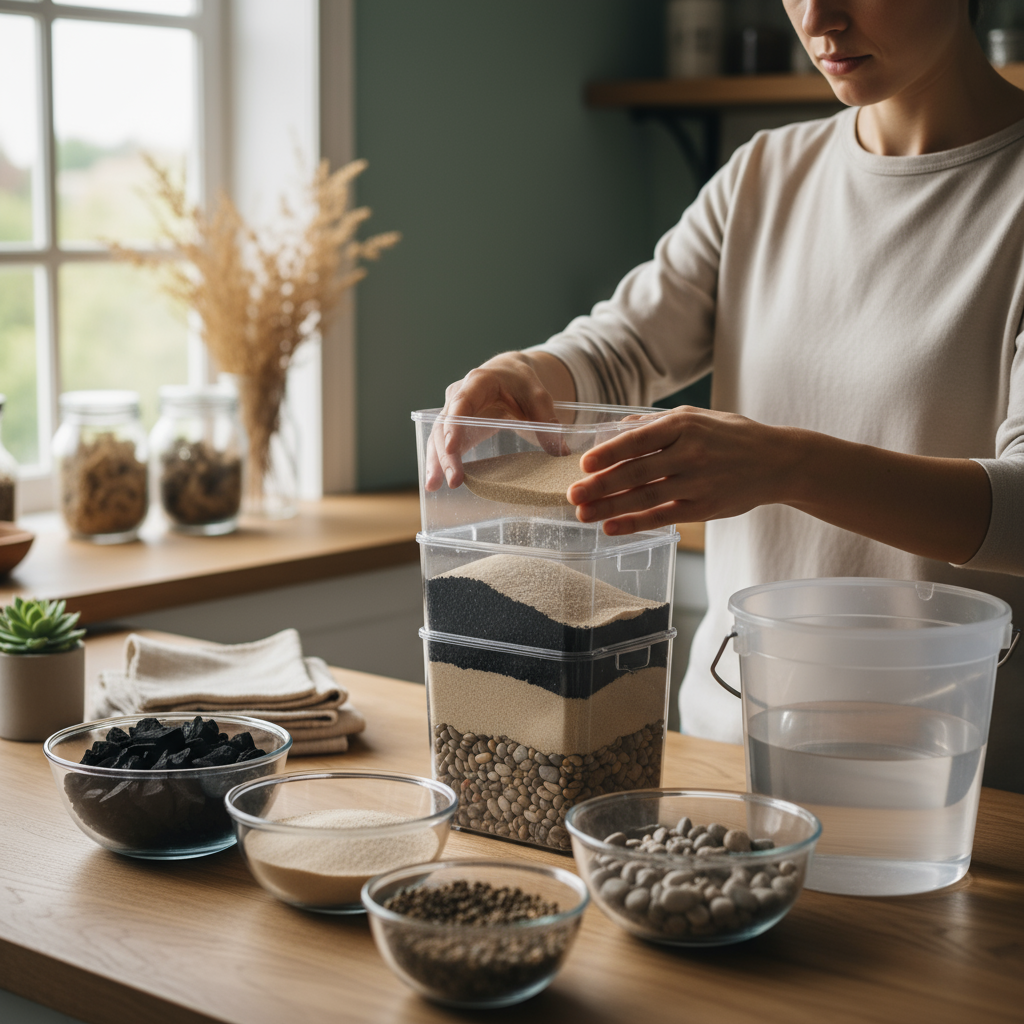
- Multi-Step Projects: Ready for a challenge? Build simple machines or models that combine multiple science concepts. Try constructing a basic solar oven or creating a water filtration system using household supplies. These longer projects really show you how different scientific principles work together.
The beauty of DIY science experiments? There’s something for everyone, no matter your age or experience level. This hands-on approach connects perfectly with the DIY spirit—you’re not just learning about science, you’re actually doing it. And that makes all the difference.

Here’s the thing about DIY science experiments—they turn your kitchen into a laboratory and your living room into a place of wonder. No fancy equipment needed. Just grab some baking soda, vinegar, and whatever else you’ve got lying around, and suddenly you’re demonstrating chemistry that would make your high school teacher proud. Kids love it. Adults get hooked too. (Trust me, I’ve seen grown-ups get way too excited about volcano eruptions.) The best part? When you prep properly and keep safety front and center, everyone learns something amazing without anyone losing an eyebrow.
You’ve picked up the essentials now—how to choose the right supplies, match experiments to age groups, and keep everyone safe while they’re having fun. And when things go sideways? That’s when the real learning happens. Troubleshooting teaches kids (and let’s be honest, us too) that failure isn’t the end—it’s just data. This kind of thinking sticks with you long after you’ve cleaned up the last bit of slime from the counter.
Ready to level up your DIY game? Here’s where it gets interesting. Those skills you’ve been building translate beautifully to other projects. Want to understand mechanics better for your next physics demo? Check out DIY car repairs—learning how things work under the hood makes explaining simple machines a breeze. Need a creative way to document all these experiments? Our DIY paper crafts guide has you covered. And if you want to practice precise measuring (hello, chemistry skills), try making DIY bath salts. Same attention to detail, different kind of reward at the end.
Think bigger picture for a moment. Building custom experiment setups? That’s where construction skills come in handy. Our DIY woodworking plans can help you create the perfect display stand, while DIY pallet projects might inspire your next outdoor science station. Love the mechanical side of things? Projects like DIY blinds installation and DIY RV renovations teach the same problem-solving approach you use in experiments—just on a bigger scale.
So where does this leave you? With curiosity as your compass and safety as your sidekick, you’re set for some serious fun. Every experiment—whether it works perfectly or spectacularly fails—teaches you something. That’s not just science talk; that’s life wisdom. Keep exploring, keep questioning, and don’t be afraid to get a little messy along the way. The best discoveries often happen when you least expect them.
Frequently Asked Questions
-
What materials do I need to start DIY science experiments?
- Basic household items like baking soda, vinegar, food coloring, and safety gear are essential to begin simple and engaging experiments.
-
Are DIY science experiments safe for young children?
- Yes, with proper adult supervision, age-appropriate projects, and safety precautions like goggles and gloves, children can enjoy safe science explorations.
-
Where can I find reliable instructions?
- Reputable science education websites, books, and related DIY guides provide clear, tested instructions to support successful experiments.
-
What should I do if an experiment doesn’t work?
- Review the steps carefully, verify your materials and setup, and seek help from experienced sources or professionals if needed to troubleshoot effectively.