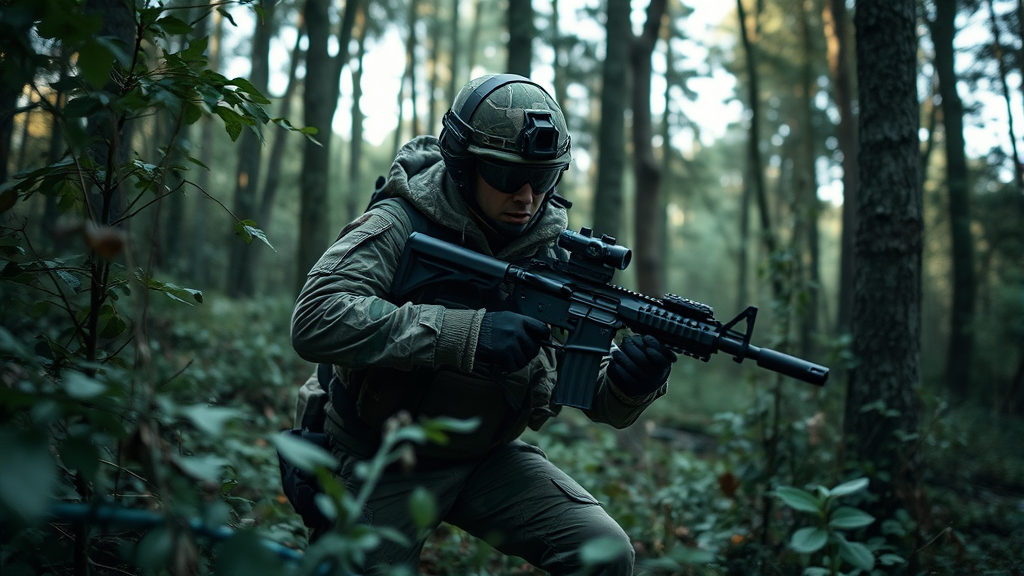
Escape from Tarkov’s covert movement skill is one of the most crucial abilities for survival in the unforgiving streets of Tarkov. This stealth-based skill determines how quietly you move through the environment, directly impacting your ability to avoid detection by both AI scavengers and other players. Understanding how to effectively level this skill can mean the difference between successfully extracting with valuable loot or becoming another casualty in Tarkov’s brutal landscape.
Mastering covert movement requires patience, strategic planning, and consistent practice. Unlike other skills in Escape from Tarkov, covert movement levels primarily through specific movement techniques and environmental awareness. Players who invest time in developing this skill gain significant advantages in positioning, flanking opportunities, and overall survivability during raids.
Understanding Covert Movement Mechanics
The covert movement skill in Escape from Tarkov operates on a complex system that tracks your movement patterns and environmental interactions. This skill levels up when you successfully move without creating excessive noise, particularly when crouching or walking slowly through different terrain types. The game calculates noise generation based on multiple factors including movement speed, surface materials, weather conditions, and your current equipment load.
At higher levels, covert movement provides substantial benefits including reduced footstep volume, decreased movement noise on various surfaces, and improved stealth capabilities during prone movement. Elite-level covert movement allows players to move almost silently across most terrain types, providing a significant tactical advantage in both PvP and PvE scenarios.
The skill progression system rewards consistent stealth-based movement rather than rushed or aggressive positioning. Players must understand that covert movement experience gains are tied to time spent moving quietly rather than distance covered. This mechanic encourages methodical, patient gameplay that aligns with realistic stealth tactics.
Effective Leveling Strategies
Developing an effective leveling strategy for covert movement requires understanding the most efficient methods for skill progression. The primary approach involves dedicating specific raid time to stealth movement practice, focusing on slow, deliberate positioning rather than rushing through maps. Players should allocate portions of each raid to crouching movement across various terrain types, as this provides the most consistent experience gains.
One highly effective strategy involves selecting larger maps like Woods or Shoreline for extended stealth practice sessions. These maps offer diverse terrain types and ample space for movement without immediate threat pressure. Begin each training session by moving slowly through forest areas, maintaining crouch position while navigating between trees and natural cover points.
Consistent daily practice yields better results than intensive single-session grinding. Dedicating 15-20 minutes of each raid to focused stealth movement creates steady progression without sacrificing overall raid objectives. Many successful players integrate covert movement training into their regular looting routes, combining skill development with practical gameplay goals.
Weather conditions significantly impact training effectiveness, with rain providing excellent opportunities for accelerated skill development. Rainy conditions naturally mask movement sounds, allowing players to practice stealth techniques while maintaining safety from audio detection by other players.
Essential Movement Techniques
Mastering specific movement techniques forms the foundation of effective covert movement development. The basic crouch-walk technique involves maintaining a crouched position while moving at reduced speed across various surfaces. This fundamental technique should be practiced on different terrain types including grass, concrete, metal, and gravel to understand noise generation patterns.
Advanced practitioners utilize the stop-and-go technique, which involves brief pauses during movement to simulate realistic stealth behavior. This method not only improves skill progression but also develops better tactical awareness and positioning instincts that prove valuable in combat situations.
Surface awareness represents another critical technique for covert movement mastery. Different materials produce varying noise levels, and experienced players learn to identify and utilize quieter pathways during navigation. Grass and dirt surfaces generally provide the quietest movement options, while metal and concrete surfaces require extra caution and slower movement speeds.
The prone movement technique offers unique advantages for specific situations, particularly when crossing open areas or maintaining concealment near enemy positions. While prone movement is slower than crouching, it provides excellent concealment benefits and contributes significantly to covert movement skill development when used strategically.
Equipment and Loadout Considerations
Equipment selection plays a crucial role in covert movement training effectiveness and overall stealth capabilities. Lighter loadouts generally produce less noise during movement, making them ideal for skill development sessions. Consider using minimal armor configurations during training raids to maximize movement speed while maintaining basic protection against scavenger threats.
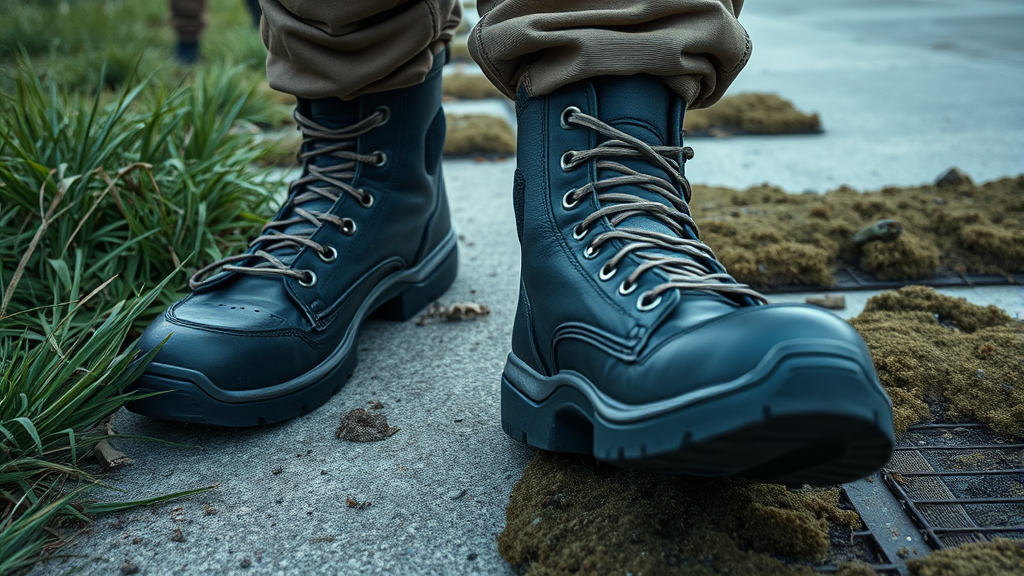
Footwear choices significantly impact noise generation, with different boot types producing varying sound levels on different surfaces. Some experienced players prefer specific footwear options that complement their stealth-focused playstyle, though the differences are relatively subtle compared to movement technique improvements.
Backpack selection affects both movement noise and profile visibility, with smaller packs offering stealth advantages at the cost of reduced carrying capacity. During focused training sessions, consider using compact backpack options to minimize noise generation and improve overall stealth effectiveness.
Weapon configuration also influences movement characteristics, with heavier weapons potentially affecting movement speed and stamina consumption. Lighter weapon configurations allow for extended training sessions and improved overall mobility during stealth movement practice.
Map-Specific Training Tips
Different maps in Escape from Tarkov offer unique advantages for covert movement training, each presenting distinct terrain types and environmental challenges. Woods provides excellent opportunities for forest stealth training, with varied elevation changes and natural cover options that simulate realistic tactical scenarios.
Shoreline offers diverse training environments including beach areas, resort complexes, and wooded sections that allow players to practice different stealth techniques within a single raid. The map’s size provides ample space for extended training sessions without excessive player interaction pressure.
Customs presents urban stealth challenges with industrial areas, residential zones, and mixed terrain types. This map is particularly valuable for practicing indoor movement techniques and understanding how building materials affect noise generation patterns.
Interchange offers unique indoor stealth training opportunities within the mall complex, allowing players to practice movement techniques on various commercial flooring materials. The map’s layout provides excellent opportunities for practicing positioning and movement flow in confined spaces.
Reserve presents military-style stealth challenges with concrete surfaces, metal structures, and underground areas that test advanced movement techniques. This map is ideal for players looking to master stealth movement in challenging acoustic environments.
Advanced Stealth Tactics
Advanced covert movement tactics extend beyond basic skill leveling to encompass comprehensive stealth gameplay strategies. Elite practitioners integrate sound masking techniques, utilizing environmental audio cues like ambient noise, weather effects, and distant gunfire to cover their movement sounds during critical positioning phases.
Timing coordination represents another advanced concept, where players synchronize their movement with predictable sound events such as airdrops, helicopter flyovers, or distant explosions. This technique allows for faster movement during specific windows while maintaining stealth advantages.
Environmental exploitation involves using terrain features, building layouts, and natural cover to minimize exposure while moving between positions. Advanced players develop mental maps of optimal stealth routes on each map, identifying paths that offer maximum concealment with minimal noise generation.
The concept of sound discipline extends beyond personal movement to include equipment management, reload timing, and communication protocols when playing in teams. Understanding how these elements interact creates comprehensive stealth capabilities that significantly improve survival rates.
For players interested in expanding their tactical knowledge beyond gaming, consider exploring home security systems or setting up secure network configurations for optimal gaming performance. Additionally, those looking to share their Tarkov expertise might benefit from learning website building techniques to create gaming guides or communities.
Advanced players often utilize specialized software tools for performance monitoring and optimization. Understanding API handling can help with game statistics tracking, while troubleshooting browser extension issues ensures smooth access to gaming resources and community tools.
Professional gamers and military professionals often reference tactical movement principles that apply to both virtual and real-world scenarios. The U.S. Army’s tactical movement guidelines provide insights into stealth principles that translate well to gaming applications. Academic research on spatial awareness and movement coordination offers scientific backing for training methodologies used in tactical gaming.
Gaming communities and professional esports organizations often publish detailed guides and strategies. Soundproofing techniques from home improvement experts can help create optimal gaming environments, while home office setup guides provide workspace optimization tips for serious gamers.
Frequently Asked Questions
How long does it take to max out covert movement in Escape from Tarkov?
Maxing out covert movement typically takes 200-300 hours of focused training, depending on your dedication and training efficiency. Consistent daily practice with 20-30 minutes of dedicated stealth movement per raid yields the best results. Players who integrate training into regular gameplay progression can achieve elite level within 3-6 months of regular play.
What’s the most efficient way to level covert movement quickly?
The most efficient method involves combining multiple techniques: crouch-walking across different surfaces, utilizing rainy weather conditions for accelerated gains, and practicing on maps with diverse terrain like Woods or Shoreline. Focus on consistent movement rather than distance covered, as the skill levels based on time spent moving stealthily rather than ground covered.
Does equipment weight affect covert movement skill progression?
Yes, equipment weight significantly impacts both skill progression and effectiveness. Lighter loadouts allow for faster movement speeds and reduced noise generation, leading to better training efficiency. However, the skill progression itself is not directly penalized by heavier equipment; the main impact is on movement speed and stamina consumption during training sessions.
Which maps are best for covert movement training?
Woods and Shoreline offer the best environments for comprehensive covert movement training due to their size, terrain diversity, and lower player density in certain areas. Woods provides excellent forest stealth training, while Shoreline offers mixed environments including beaches, buildings, and wooded areas. Customs and Reserve are valuable for urban stealth practice but require more caution due to higher player traffic.
Can I train covert movement in offline mode?
No, covert movement skill only progresses during online raids with other players. Offline mode with AI does not contribute to skill development, as the game’s progression system requires the potential threat of other players to validate skill gains. This design encourages genuine tactical movement rather than safe grinding in controlled environments.
What are the benefits of maxing out covert movement?
Elite covert movement provides substantial noise reduction across all surfaces, significantly improved stealth capabilities during prone movement, and enhanced overall positioning advantages. Players with maxed covert movement can move almost silently across most terrain types, gaining crucial advantages in both PvP encounters and scavenger avoidance scenarios. The skill also improves movement efficiency and stamina conservation.
Does weather affect covert movement training effectiveness?
Weather conditions significantly impact training effectiveness, with rain providing the best opportunities for accelerated skill development. Rainy conditions mask movement sounds naturally, allowing for more aggressive training techniques while maintaining safety from audio detection. Foggy conditions also provide visual concealment benefits, though they don’t directly affect skill progression rates like rain does.