

A flight from LA to NYC is one of the most popular cross-country routes in the United States, typically taking between 5 to 6 hours of flight time. While this may seem manageable compared to international flights, spending nearly half a day in cramped airline seats can still be challenging for many travelers. The key to surviving this transcontinental journey lies in proper preparation and smart strategies that can make your time in the air more comfortable and productive.
Whether you’re traveling for business, visiting family, or exploring the Big Apple, these quick tips will help you arrive at your destination feeling refreshed and ready to take on whatever awaits you. From pre-flight preparation to in-flight entertainment and comfort strategies, we’ll cover everything you need to know to make your LA to NYC flight as pleasant as possible.
Pre-Flight Preparation Essentials
The foundation of a comfortable cross-country flight begins long before you step foot in the airport. Start by checking in online 24 hours before your departure to secure the best available seat. Window seats offer a view and something to lean against for sleeping, while aisle seats provide easier access to stretch your legs and visit the restroom. If you’re traveling during peak hours, consider upgrading to premium economy or business class if your budget allows.
Research your airline’s specific policies regarding carry-on items, entertainment systems, and meal services. Some airlines offer complimentary snacks and beverages on cross-country flights, while others charge for everything. Download your airline’s mobile app to track gate changes, delays, and access digital boarding passes. This preparation can save you significant stress and time at the airport.
Plan your departure time carefully, considering LA’s notorious traffic patterns. The Federal Aviation Administration recommends arriving at least 2 hours early for domestic flights, but during busy travel periods, allow extra time for security lines and potential delays.
Smart Packing Strategies for Cross-Country Travel
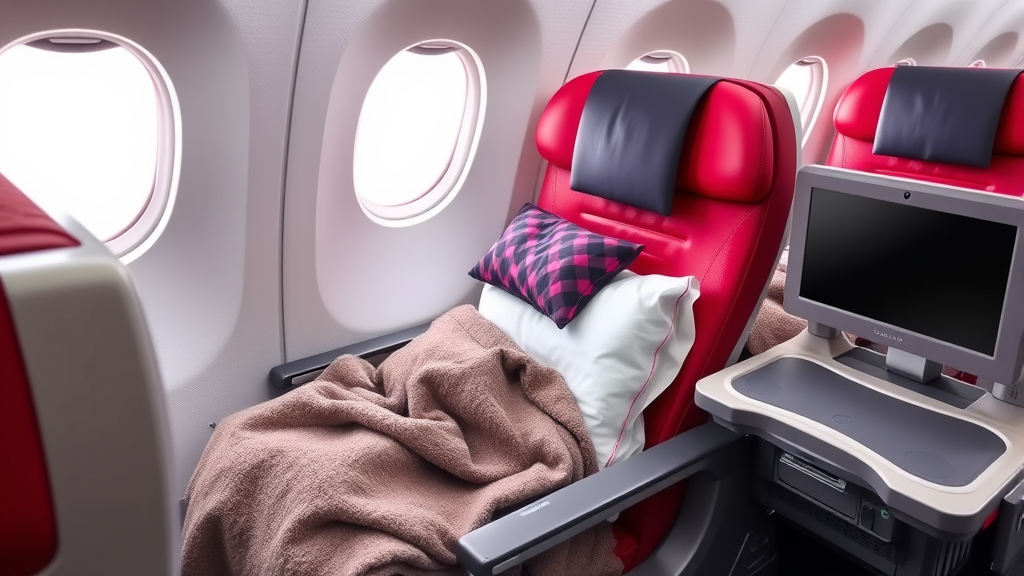
Your carry-on bag is your survival kit for the next 5-6 hours, so pack strategically. Include a neck pillow, lightweight blanket or large scarf, and comfortable clothes for the flight. Pack a change of underwear and essential toiletries in case your checked luggage gets delayed or lost. Keep important documents, medications, and valuables in your personal item rather than overhead bins.
Consider bringing your own entertainment supplies, especially if you enjoy hands-on activities. Simple DIY paper crafts can be surprisingly relaxing during flight downtime, and materials take up minimal space in your bag. Just ensure any craft supplies comply with TSA regulations regarding sharp objects and liquids.
Pack snacks that will keep you satisfied throughout the flight. Avoid foods that are messy, smelly, or require refrigeration. Good options include nuts, granola bars, dried fruit, and crackers. Stay hydrated by bringing an empty water bottle to fill after security, as airplane air is notoriously dry and can lead to discomfort and fatigue.
In-Flight Comfort Tips and Tricks
Once aboard, take immediate steps to maximize your comfort. Adjust your seat as soon as possible, store your personal items within easy reach, and set up your entertainment system. If you’re planning to sleep, inform your seatmate about your intentions so they can plan bathroom breaks accordingly.
Dress in layers to accommodate temperature fluctuations during the flight. Airplane cabins can be surprisingly cold, and having options will help you stay comfortable. Wear comfortable, breathable shoes that you can easily slip off during the flight, but keep socks on for hygiene and warmth reasons.
Create your own personal space bubble by using noise-canceling headphones or earplugs, an eye mask, and positioning pillows strategically. The Sleep Foundation recommends maintaining consistent sleep hygiene practices even when traveling, which can help minimize jet lag effects.
Entertainment and Productivity Options
A 5-6 hour flight provides an excellent opportunity to catch up on entertainment or tackle productivity tasks. Download movies, TV shows, podcasts, or audiobooks before your flight, as airplane Wi-Fi can be unreliable and expensive. Many airlines now offer extensive in-flight entertainment systems, but having backup options ensures you won’t be bored.
For those who prefer hands-on activities, consider bringing along materials for DIY paper mache projects or simple crafting supplies. These activities can be meditative and help pass time while creating something meaningful. Just remember to follow TSA guidelines for any tools or supplies you bring aboard.
Use flight time for learning new skills through educational apps, online courses, or language learning programs. Many successful professionals use travel time for continuing education, making long flights productive rather than just endurable. If you’re interested in aviation, you might enjoy learning about aircraft design or even planning future DIY RC planes projects.

Health and Wellness During Long Flights
Maintaining your physical and mental well-being during a cross-country flight requires intentional effort. Combat dehydration by drinking water regularly throughout the flight, avoiding excessive alcohol and caffeine consumption. The Centers for Disease Control and Prevention recommends drinking 8 ounces of water for every hour of flight time.
Prevent blood clots and reduce swelling by moving regularly. Stand up and walk the aisles every hour if possible, or perform seated exercises like ankle rolls, calf raises, and leg extensions. Compression socks can also help improve circulation during long periods of sitting.
Manage anxiety and stress through breathing exercises, meditation apps, or calming activities. Some travelers find that engaging in creative projects like DIY science experiments planning or sketching helps keep their mind occupied and reduces flight-related anxiety.
Protect your immune system by using hand sanitizer frequently, avoiding touching your face, and staying away from obviously sick passengers when possible. Airplane cabins have sophisticated air filtration systems, but taking personal precautions is still wise.
Preparing for Arrival and Time Zone Changes
As you approach New York City, start preparing for the three-hour time difference. If arriving in the evening, consider staying awake during the flight to help adjust your sleep schedule. If arriving in the morning, try to sleep during the latter part of the flight to feel more refreshed upon landing.
Review your ground transportation options before landing. NYC offers numerous ways to get from the airport to your final destination, including taxis, rideshares, public transportation, and private car services. Having a plan reduces stress and helps you transition smoothly from air travel to your New York experience.
Prepare for the climate differences between Los Angeles and New York. Check the weather forecast and ensure you have appropriate clothing easily accessible in your carry-on. New York weather can be dramatically different from LA’s, especially during winter months.
Consider your first activities upon arrival. The National Park Service manages several iconic NYC attractions like the Statue of Liberty, which might require advance planning for visits. Having a loose itinerary can help you feel more organized and excited about your trip.
Frequently Asked Questions
How long is the flight from LA to NYC exactly?
The typical flight time from Los Angeles to New York City is approximately 5 hours and 30 minutes for a direct flight. However, total travel time including boarding, taxiing, and deplaning usually ranges from 6 to 7 hours. Factors like weather, air traffic, and specific airports (LAX to JFK, LAX to LGA, or LAX to EWR) can affect the exact duration.
What’s the best time to book a flight from LA to NYC?
Generally, booking 6-8 weeks in advance offers the best balance of price and seat selection for this popular route. Tuesday and Wednesday flights are often cheaper than weekend departures. Avoid peak travel times like holidays, summer months, and major events in either city to get better deals and less crowded flights.
Should I choose a window or aisle seat for this flight?
Both have advantages for a 5-6 hour flight. Window seats provide views, something to lean against for sleeping, and fewer disturbances from other passengers. Aisle seats offer easier access to restrooms, ability to stretch legs, and quicker boarding/deplaning. Consider your priorities: rest versus mobility.
Can I bring my own food on the plane?
Yes, you can bring solid foods through security and onto the plane. Avoid liquids over 3.4 oz, but items like sandwiches, snacks, and fruits are generally allowed. This is especially helpful on cross-country flights where meal service may be limited or expensive.
How should I prepare for the time zone change?
Start adjusting your sleep schedule 2-3 days before travel by going to bed and waking up 30-60 minutes earlier each day. Stay hydrated, avoid excessive alcohol, and try to adapt to East Coast time as soon as you board. Light exposure upon arrival in NYC can help reset your circadian rhythm.
What entertainment options do airlines provide on this route?
Most major airlines offer in-flight entertainment systems with movies, TV shows, music, and games on cross-country flights. However, selection varies by airline and aircraft type. It’s always wise to download your own entertainment as backup, especially if you have specific preferences or the system malfunctions.
Is airplane Wi-Fi worth purchasing for this flight?
This depends on your needs and budget. Most airlines offer Wi-Fi on cross-country flights, but speeds can be slow and prices relatively high ($15-30). If you need to work, stay connected, or stream content, it might be worthwhile. For basic entertainment and offline activities, you can probably skip it and save money.