

Walk in High Heels? Expert Tips for Beginners
Learning to walk confidently in high heels is a skill that takes practice, patience, and proper technique. Whether you’re preparing for a special event, building professional confidence, or simply wanting to master this fashion staple, understanding the biomechanics of heel walking can transform your experience from uncomfortable to elegant. High heels have been a symbol of style and sophistication for decades, but many beginners struggle with balance, foot pain, and awkward gaits that undermine their confidence.
This comprehensive guide breaks down the essential techniques, safety considerations, and practical exercises that will help you walk in high heels like an expert. We’ll cover everything from selecting the right heel height and shoe fit to mastering posture, stride mechanics, and injury prevention strategies. By implementing these evidence-based tips, you’ll develop the muscle memory and body awareness needed to navigate any environment in heels with poise and comfort.
Understanding Heel Biomechanics
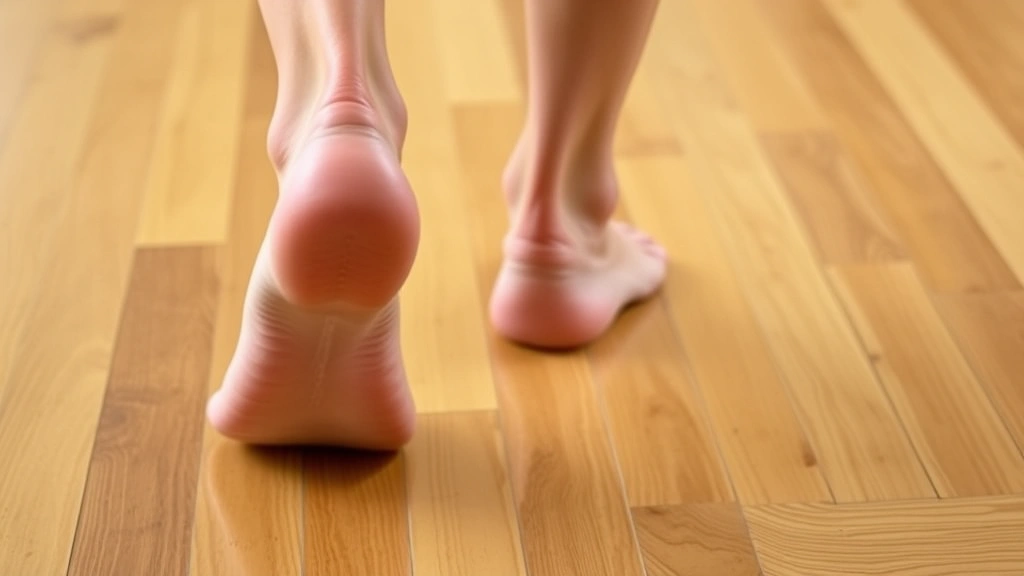
When you wear high heels, your entire body’s alignment shifts dramatically. The heel elevates your foot, which naturally tilts your pelvis forward and increases the curve in your lower back. This biomechanical change affects your center of gravity, requiring your stabilizer muscles—particularly in your core, ankles, and calves—to work significantly harder to maintain balance. Understanding these physical changes is the foundation for learning to walk in heels effectively.
The angle of your heel directly impacts how your body compensates. A one-inch heel creates minimal postural changes, while a three-inch heel can increase pressure on your forefoot by up to 75%, according to American Physical Therapy Association research. This pressure distribution explains why many beginners experience foot fatigue and pain. Your feet contain 26 bones, 33 joints, and more than 100 muscles and ligaments—all of which must adapt to the new demands heels create.
The calf muscle shortens significantly in heels, which is why transitioning from flat shoes requires gradual adjustment. Your ankle stabilizers must engage constantly to prevent rolling or twisting. Additionally, your hip flexors tighten, and your glute muscles may become underactive, contributing to poor posture and lower back strain. Recognizing these biomechanical realities helps you approach heel walking with realistic expectations and proper preparation.

Selecting the Right High Heels
Choosing appropriate footwear is perhaps the most critical factor in learning to walk comfortably in high heels. Many beginners make the mistake of selecting heels that are too high, too narrow, or poorly constructed, which virtually guarantees discomfort and poor technique. The right shoe choice can mean the difference between a positive learning experience and painful frustration.
Heel Height Considerations: Start with heels between 1.5 to 2.5 inches for beginners. This height provides enough elevation to create the classic heel aesthetic while remaining manageable for your stabilizer muscles. As you build strength and confidence, you can gradually progress to higher heels. Research from podiatric specialists suggests that heels over three inches significantly increase injury risk and foot strain, even for experienced wearers.
Fit and Construction Quality: Your heels must fit snugly around the heel and midfoot without pinching your toes. There should be approximately a thumb’s width of space between your longest toe and the shoe’s end. Look for shoes with cushioned insoles, arch support, and a structured heel cup that prevents excessive foot movement. Quality construction matters tremendously—poorly made heels with thin soles provide inadequate shock absorption and instability.
Heel Type and Stability: Beginners benefit most from block heels or wedges, which provide a wider base and greater stability than thin stilettos. The wider base distributes your weight more evenly and makes balance significantly easier. As your skills develop, you can experiment with different heel styles. Thicker heels offer better support for your ankle and foot, reducing strain on stabilizer muscles.
Material and Flexibility: Choose shoes made from breathable materials that allow your feet to move naturally. Leather and suede mold to your foot shape better than rigid synthetic materials. The shoe should flex at the ball of your foot where your natural bending point occurs. Overly stiff shoes restrict natural movement and increase fatigue.
Mastering Proper Posture and Alignment
Correct posture is absolutely fundamental to walking gracefully in high heels. Poor posture not only looks awkward but also places excessive strain on your feet, knees, hips, and back. Before you even take a step, establish proper alignment from your head down to your feet.
Head and Neck Position: Keep your head level and eyes focused forward at a natural sightline—approximately 10-15 feet ahead of you. Avoid looking down at your feet, which causes your shoulders to round forward and disrupts your entire alignment. Your chin should be parallel to the ground, creating a straight line from your ears to your shoulders.
Shoulder Alignment: Roll your shoulders back and down, opening your chest. This positioning naturally engages your core muscles and prevents the forward slouch that many heel wearers develop. Think about creating length in your neck and maintaining space between your ears and shoulders. Relaxed, properly positioned shoulders project confidence and reduce neck and upper back tension.
Core Engagement: Your abdominal muscles are crucial stabilizers when wearing heels. Gently engage your core by drawing your navel toward your spine without holding your breath. This engagement supports your lower back, maintains pelvic stability, and reduces the compensatory strain on your feet and ankles. A strong core is perhaps the single most important factor in learning to walk in heels comfortably.
Pelvic Positioning: Your pelvis should remain neutral—not tilted excessively forward or backward. High heels naturally tilt your pelvis forward, so you must consciously maintain neutral alignment to avoid excessive lower back arch. Imagine balancing a glass of water on your pelvis; this mental image helps many people find the right position. Proper pelvic alignment distributes forces evenly through your kinetic chain.
Knee and Ankle Alignment: Keep your knees slightly soft—never lock them straight. Your ankles should remain stable and neutral, with your weight distributed evenly across the ball of your foot and heel. Avoid allowing your ankles to roll inward or outward, which stresses the ankle ligaments and creates an unbalanced gait.
Developing Your Walking Technique
Walking in high heels requires a different technique than walking in flat shoes. The heel-to-toe sequence, stride length, and weight distribution all change when you’re elevated. Mastering proper technique prevents the common beginner mistakes that lead to discomfort and injury.
The Heel-to-Toe Sequence: Begin each step by striking the ground with your heel first, then smoothly rolling through the ball of your foot, and finally pushing off with your toes. This sequence mimics natural walking mechanics while accommodating the heel elevation. Many beginners make the mistake of landing flat-footed or on their toes first, which disrupts balance and increases foot strain. Practice this sequence slowly until it becomes automatic.
Stride Length and Cadence: Take shorter, more controlled steps than you would in flat shoes. Your stride length should decrease by approximately 20-30% compared to normal walking. Shorter steps improve stability and allow your stabilizer muscles to maintain control. Maintain a steady, moderate cadence—approximately 120 steps per minute is a good baseline. Moving too quickly forces your body to compensate and increases injury risk.
Weight Distribution: Distribute your weight primarily through the ball of your foot, with the heel providing stability and balance. Avoid putting excessive weight directly on your heels, which can cause heel pain and poor balance. Think of your heel as a guide rather than a weight-bearing surface. This weight distribution engages your calf muscles appropriately and reduces strain on your forefoot.
Hip Movement: Allow your hips to move naturally with each step, creating a smooth, flowing motion. Your hips should rotate slightly with each stride, which helps maintain balance and reduces strain on your knees and ankles. Avoid exaggerated hip movement or a stiff, robotic gait. Natural, controlled hip motion looks elegant and feels more stable.
Arm Movement: Keep your arms relaxed at your sides with a natural swing. Your arms help counterbalance your lower body movement, so allowing them to move freely improves overall balance and stability. Avoid holding your arms rigidly, which creates tension throughout your body and disrupts your natural walking rhythm.
Building Strength and Flexibility
You cannot walk confidently in high heels without adequate strength and flexibility in your feet, ankles, calves, and core. Developing these physical capabilities takes consistent practice and targeted exercises. Think of heel walking preparation similar to training for any athletic activity—progressive conditioning is essential.
Ankle Strengthening Exercises: Perform ankle circles in both directions, holding each circle for 10-15 rotations. Practice heel raises and toe raises, holding each position for 2-3 seconds. Resistance band exercises strengthen ankle stabilizers effectively. Stand on one leg for 30-60 seconds to develop proprioception and balance. These exercises build the small muscles that stabilize your ankle joint during heel walking.
Calf Strengthening: Calf raises on a flat surface build basic strength, but progressing to single-leg calf raises increases difficulty appropriately. Perform 3 sets of 12-15 repetitions. Standing calf stretches are equally important—hold each stretch for 30 seconds, 2-3 times daily. Tight calves restrict ankle mobility and increase injury risk, so flexibility work is just as important as strengthening.
Core Stabilization: Planks are excellent for core endurance—start with 20-30 second holds and gradually increase duration. Side planks specifically target the obliques, which stabilize your pelvis during walking. Dead bugs, bird dogs, and pallof presses all develop core stability in functional patterns. Perform core work 3-4 times weekly for optimal results.
Hip and Glute Activation: Glute bridges, clamshells, and lateral band walks activate and strengthen your hip and glute muscles. These muscles support pelvic stability and reduce strain on your knees and ankles. Fire up your glutes before heel walking by performing 10-15 repetitions of activation exercises. Strong glutes improve posture and reduce compensatory strain throughout your kinetic chain.
Foot Intrinsic Muscles: Toe yoga and marble pickups strengthen the small muscles within your feet. Spread your toes wide and hold for 5 seconds, repeat 10-15 times. Walk barefoot on different surfaces to stimulate foot proprioception. These exercises improve your foot’s ability to adapt to heel elevation and maintain stability.
Preventing Pain and Injury
Understanding common pain sources and implementing prevention strategies protects your feet and allows sustainable heel wearing. Most beginner heel pain is preventable through proper technique, appropriate shoe selection, and gradual progression.
Ball of Foot Pain: Metatarsalgia—pain in the ball of your foot—occurs when excessive pressure concentrates on the metatarsal heads. Prevention involves wearing heels no higher than 2.5 inches initially, using cushioned insoles, and limiting heel-wearing duration. Apply ice to the ball of your foot for 15 minutes after extended heel wearing. Strengthening foot intrinsic muscles and improving weight distribution reduces this pain significantly.
Heel Pain: Heel pain often results from plantar fasciitis or heel bursitis, both exacerbated by high heels. Stretching your plantar fascia by rolling a tennis ball under your arch for 2-3 minutes daily provides relief. Wearing heels for shorter periods while building tolerance prevents heel pain from developing. Custom orthotics designed specifically for heel wearers can provide additional support.
Ankle Instability and Sprains: Weak ankles are more prone to rolling or spraining in heels. Prevention requires consistent ankle strengthening and proprioceptive training. Avoid walking on uneven surfaces in heels until your ankle stability is well-developed. Ankle braces or athletic tape can provide additional support during the learning phase. According to American Academy of Family Physicians guidelines, proper ankle support significantly reduces sprain risk.
Toe and Nail Problems: Heels that are too tight or too short cause blisters, ingrown toenails, and hammertoes. Ensure adequate space in your toe box and consider toe pads or cushions for pressure relief. Trim toenails straight across and keep feet clean and dry to prevent infections. Rotate between different heel styles to avoid continuous pressure in the same areas.
Knee and Hip Pain: Poor alignment and weak stabilizer muscles cause knee and hip pain. Maintain proper posture, engage your core, and ensure your feet point straight ahead rather than turning inward or outward. If pain develops, reduce heel height and duration temporarily while addressing underlying strength deficits through targeted exercises.
Lower Back Strain: High heels increase lower back curvature, potentially causing strain. Strengthen your core consistently and maintain neutral pelvic alignment. Limit heel-wearing duration initially, gradually building tolerance. If lower back pain develops, reduce heel height and focus on core strengthening before returning to higher heels. Consider consulting a physical therapist if pain persists.
Practice Drills and Progression
Structured practice drills accelerate your learning and build confidence systematically. Progress through these exercises at your own pace, spending adequate time at each level before advancing. Like any skill, consistent practice develops muscle memory and automatic technique.
Week 1-2: Foundation Building: Wear your heels indoors for short periods—15-20 minutes daily. Practice standing with proper posture in front of a mirror, focusing on alignment. Walk slowly in straight lines, concentrating on your heel-to-toe sequence. Record yourself walking to identify postural issues. Build basic ankle and calf strength with daily exercises. This phase establishes fundamental technique and builds initial strength.
Week 3-4: Duration and Distance: Gradually increase heel-wearing duration to 30-45 minutes. Practice walking on different indoor surfaces—carpet, tile, hardwood. Walk backward slowly to develop proprioception and balance. Perform heel-walking drills in figure-eight patterns and circles. Continue strength and flexibility work daily. This phase builds endurance and develops technique in varied environments.
Week 5-6: Environmental Variety: Introduce outdoor walking on level, well-maintained surfaces. Practice walking up and down stairs slowly and deliberately. Walk on slightly uneven surfaces to develop ankle stability. Increase duration to 1-1.5 hours as tolerated. Maintain daily strength work. This phase challenges your balance and stability in real-world conditions.
Week 7-8: Advanced Techniques: Practice walking at varying speeds, starting slowly and gradually increasing pace. Walk on slightly textured surfaces and gentle inclines. Try different heel heights and styles to expand your capability. Practice walking while carrying objects to develop balance in realistic scenarios. This phase builds confidence and adaptability.
Ongoing Maintenance: Once you’ve developed basic competency, maintain your strength and flexibility through 2-3 weekly sessions of targeted exercises. Rotate between different heel styles and heights to prevent overuse injuries. Take heel-free days to allow your feet and body to recover. Listen to your body—pain is a signal to reduce activity and address the underlying cause.
Consider exploring DIY Nests Hub Blog for additional personal development resources, and check out guides on DIY Home Security and DIY Basement Finishing for other skill-building topics that apply similar progressive training principles.
FAQ
How long does it take to walk comfortably in high heels?
Most people develop basic competency within 4-6 weeks of consistent practice. However, true comfort and confidence take several months of regular heel wearing. Individual timelines vary based on initial fitness level, ankle strength, and practice frequency. Consistent daily practice accelerates learning significantly.
What’s the best heel height for beginners?
Start with 1.5 to 2.5-inch heels. This height provides the classic heel aesthetic while remaining manageable for developing stabilizer muscles. Block heels or wedges at this height offer the most stability. Once you’re comfortable, gradually progress to higher heels if desired.
Can I prevent blisters when wearing high heels?
Yes—use properly fitting shoes with cushioned insoles, apply blister prevention products like moleskin before wearing heels, keep feet dry, and limit initial heel-wearing duration. Moisture-wicking socks and quality shoe construction also prevent blisters. If blisters do develop, treat them immediately to prevent infection.
Is it normal to experience foot pain when learning to walk in heels?
Some initial discomfort is normal as your feet adapt, but sharp or severe pain indicates a problem. Mild soreness in your calves and feet is expected during the first few weeks. If pain persists beyond this adjustment period, your shoes may be inappropriate, or your technique needs adjustment. Consult a podiatrist if pain continues.
Should I practice in higher heels to progress faster?
No—progressing too quickly to higher heels significantly increases injury risk and often leads to failure. Gradual progression allows your muscles, tendons, and ligaments to adapt safely. Patience during the learning phase prevents setbacks and builds sustainable heel-wearing capability.
Can men learn to walk in high heels?
Absolutely—these techniques apply equally to anyone learning heel walking. Men typically benefit from the same progression schedule and strength-building exercises. The biomechanical principles are identical regardless of gender.
What should I do if my ankles keep rolling in heels?
Rolling ankles indicate insufficient ankle strength and proprioception. Increase your ankle strengthening exercises, focusing on single-leg balance and resistance band work. Consider using ankle support or athletic tape initially. Avoid wearing heels on uneven surfaces until your ankle stability improves significantly. If ankle rolling persists, consult a physical therapist.
How can I make high heels more comfortable during long events?
Wear gel inserts or cushioned pads in your shoes, take periodic breaks to sit and elevate your feet, bring a change of shoes for backup, and avoid standing continuously for extended periods. Stretch your feet and calves during breaks. Choose lower heels for longer events and reserve higher heels for shorter occasions.
Is it okay to wear high heels every day?
Daily high heel wearing increases injury risk and may cause long-term changes in your feet and posture. Limit heel wearing to 2-3 days weekly, alternating with flat or low-heel shoes. This rotation prevents overuse injuries and allows your feet adequate recovery time. Most podiatrists recommend varying footwear daily.