How Big Is Alaska Compared to the US? Surprising Facts & Figures
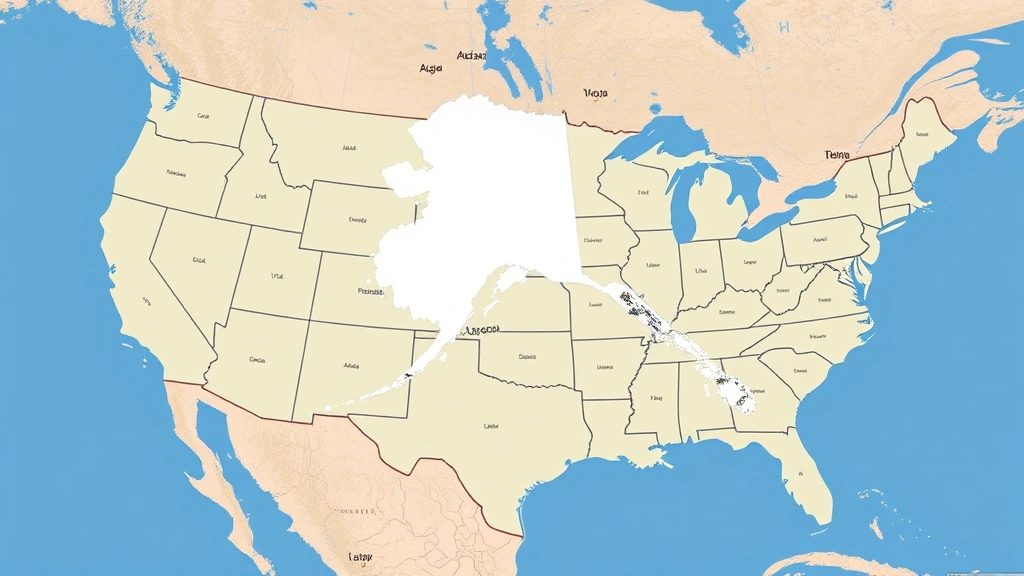
Alaska stands as one of the most geographically significant territories in North America, commanding an enormous landmass that fundamentally shapes how we understand American geography. When asking “how big is Alaska compared to the US,” the answer reveals fascinating proportions that often surprise even seasoned geography enthusiasts. At approximately 665,384 square miles, Alaska represents roughly 17.5% of the entire United States’ total land area—a staggering concentration of American territory in a single state.
Understanding Alaska’s scale becomes even more compelling when you consider its practical implications for development, construction, and resource management. For those interested in exploring DIY building projects across diverse American landscapes, Alaska’s vastness presents unique challenges and opportunities that differ dramatically from the continental United States. The state’s size influences everything from building codes to infrastructure planning, making it essential knowledge for anyone engaged in construction or property development.
Alaska’s Total Land Area: The Numbers
Alaska encompasses approximately 665,384 square miles of land, making it by far the largest state in the United States by area. To put this in perspective, the entire state could theoretically fit approximately 2.2 times the size of Texas, or roughly 425 times the size of Rhode Island. When measured in metric units, Alaska spans about 1.7 million square kilometers, a figure that becomes more impressive when you realize this represents a continuous mass of North American territory.
The state’s total area, including water bodies, reaches approximately 665,384 square miles, though some measurements account for different calculations of coastal waters and territorial boundaries. According to the U.S. Census Bureau’s official geographic data, these measurements represent the most accurate accounting of Alaska’s dimensions. The variation in measurements depends on whether calculations include tidal zones, islands, and territorial waters extending to international boundaries.
For construction professionals and DIY enthusiasts, understanding these vast dimensions helps explain why building projects in Alaska require different planning approaches than those in densely populated regions. The basement finishing challenges faced in southern states pale in comparison to the permafrost and foundation issues encountered in Alaska’s extreme northern climate.
Comparison to Continental United States
The continental United States—excluding Alaska and Hawaii—covers approximately 3.1 million square miles. Alaska alone represents about 21.4% of this continental landmass, demonstrating the state’s disproportionate size relative to the other 48 contiguous states. This means if you were to remove Alaska from the map, the United States would lose nearly a quarter of its total land area, fundamentally altering our understanding of American geography and territorial scope.
When compared to the entire United States including all territories and possessions, Alaska still represents a significant portion. The 50 states collectively cover approximately 3.8 million square miles of land, placing Alaska at approximately 17.5% of the national total. This concentration of territory in a single state creates unique administrative, environmental, and developmental considerations that impact everything from environmental protection policies to infrastructure investment priorities.
The geographic disparity becomes even more striking when you consider that Alaska’s population of approximately 733,000 people spreads across this massive territory, creating a population density of roughly one person per square mile in many regions. This contrasts sharply with the continental United States’ average density and explains why home security considerations and building accessibility differ so dramatically between Alaska and the lower 48 states.
Alaska vs Individual States
Examining Alaska’s size relative to individual U.S. states reveals the true scale of its dominance. Alaska is approximately 2.2 times larger than Texas, the second-largest state by area. Texas covers roughly 268,596 square miles, meaning Alaska contains more than 2.4 times Texas’s land area. This relationship helps many people visualize Alaska’s actual dimensions, as Texas already represents an enormous state in most people’s geographic understanding.
When compared to other large states, the proportions become equally dramatic. Alaska is approximately 3.3 times larger than California (163,696 square miles), 5.8 times larger than Montana (147,040 square miles), and 10.2 times larger than New Mexico (121,590 square miles). These comparisons underscore that Alaska doesn’t merely rank as the largest state—it surpasses the second-largest state by a factor of more than two, indicating a categorical difference in scale rather than a marginal advantage.
The smallest states provide another useful comparison framework. Rhode Island measures only 1,214 square miles, meaning Alaska is approximately 548 times larger than the smallest state. Delaware (1,949 square miles) represents only about 0.3% of Alaska’s total area. These dramatic comparisons illustrate why construction standards, environmental regulations, and development timelines differ so significantly between Alaska and more densely populated, geographically compact states.
Geographic and Climatic Implications
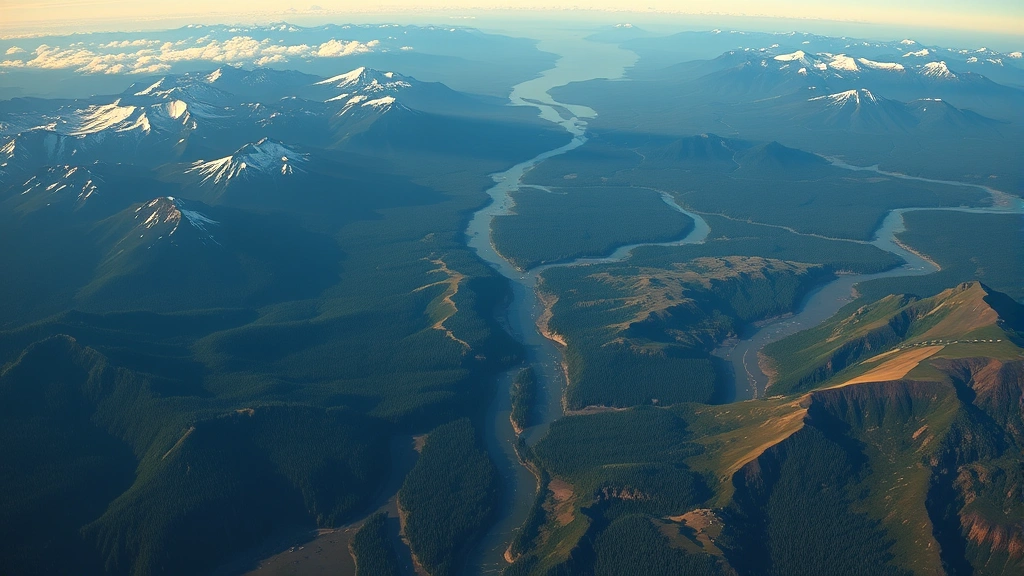
Alaska’s vast territory encompasses extraordinarily diverse geographic and climatic zones. The state includes temperate rainforests in the southeast, arctic tundra in the north, significant mountain ranges including Denali (formerly Mount McKinley), and extensive glacial systems. This geographic diversity means that building materials and construction techniques appropriate for southeastern Alaska prove entirely inappropriate for northern regions.
The climatic variations across Alaska’s territory create substantial implications for construction and development. Southeastern Alaska experiences relatively mild winters with temperatures rarely dropping below zero degrees Fahrenheit, while northern regions regularly experience temperatures below minus 40 degrees Fahrenheit. These extremes require fundamentally different approaches to foundation construction, insulation standards, and material selection. Building codes must account for permafrost in northern regions, where frozen ground can shift unpredictably, compromising structural integrity if not properly managed.
Precipitation patterns vary dramatically across Alaska’s territory as well. Some southeastern regions receive over 200 inches of annual precipitation, while northern areas may receive only 10 inches yearly. These variations necessitate different drainage systems, roof designs, and weatherproofing approaches depending on specific location. The Alaska Department of Community and Economic Development provides region-specific building code guidance reflecting these diverse climatic conditions.
Population Density and Development Challenges
Alaska’s population density averages approximately 1.1 persons per square mile, making it one of the least densely populated U.S. states outside Hawaii. This sparse distribution means that vast regions remain entirely undeveloped, creating unique challenges for infrastructure development and resource distribution. For construction professionals, this density creates logistical complications regarding material delivery, workforce availability, and project timeline management.
The concentration of Alaska’s population in specific urban centers—primarily Anchorage, Fairbanks, and Juneau—means that development pressures remain localized despite the state’s vast territory. Anchorage alone contains approximately 40% of Alaska’s entire population, creating a dramatic contrast between developed urban areas and surrounding wilderness. This distribution pattern influences building code enforcement, permit availability, and inspection procedures across different regions.
Remote location requirements mean that construction projects in Alaska frequently involve extended timelines and elevated costs compared to comparable projects in the lower 48 states. Material costs increase substantially due to shipping distances and transportation infrastructure limitations. Labor availability becomes a critical constraint, particularly for specialized trades and skilled construction work. These factors make understanding Alaska’s size and geographic dispersion essential for anyone planning construction projects in the state.
Resource Availability and Construction Materials
Alaska’s vast territory contains significant natural resources, yet construction material availability remains constrained by geographic and logistical factors. Despite possessing extensive timber resources, lumber availability in many regions depends on transportation infrastructure that remains limited or nonexistent in remote areas. This paradox—enormous resource availability coupled with material scarcity—fundamentally shapes construction practices throughout the state.
Local quarries and gravel operations exist in Alaska, but their distribution remains uneven across the state’s massive territory. Northern and western regions often rely entirely on imported construction materials, transported at considerable cost and environmental impact. This resource constraint influences building material selection, encouraging use of materials suited to local availability rather than those optimal for specific applications. Understanding these regional variations becomes essential for planning construction projects that balance cost, timeline, and material performance.
The development of local manufacturing and processing facilities remains limited due to Alaska’s small population and geographic isolation. Unlike the continental United States, where construction materials move freely across state lines through established supply chains, Alaska’s construction industry must develop region-specific supply relationships. This reality means that DIY project planning requires substantially different material sourcing strategies than comparable projects in the lower 48 states.
Infrastructure and Building Code Considerations
Alaska’s building codes reflect the state’s unique geographic and climatic characteristics, diverging significantly from standard codes used throughout most of the United States. The International Code Council provides the foundation for Alaska’s building standards, yet the state implements substantial modifications addressing permafrost, extreme cold, and limited construction seasons. These modifications create code requirements that construction professionals must understand thoroughly before undertaking any Alaska-based projects.
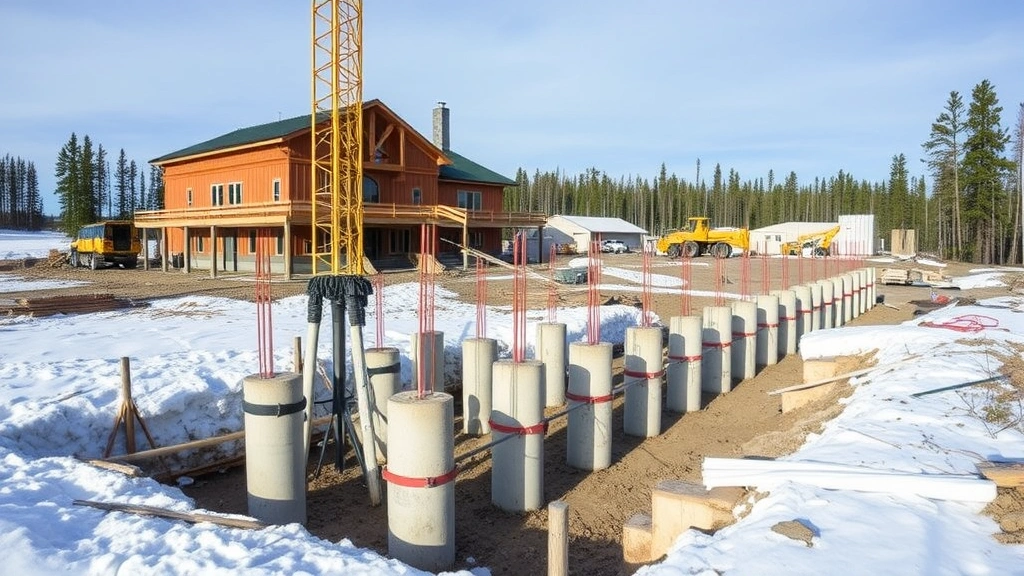
Permafrost considerations dominate building code requirements in northern Alaska. Structures must incorporate thermosiphons, insulated foundations, or pile systems that maintain ground stability despite seasonal thawing cycles. Standard foundation practices common in the lower 48 states prove entirely inadequate in permafrost zones, creating requirements for specialized engineering and construction techniques. The University of Alaska Fairbanks provides extensive research and guidance on permafrost-appropriate construction methods.
Wind loads present another significant consideration for Alaskan construction. Coastal regions experience extreme wind events, requiring structural designs that exceed typical wind load requirements. Roof systems, exterior walls, and foundation connections must all account for these elevated wind pressures. Snow load calculations also require careful attention, as some regions experience substantial seasonal accumulation that demands robust roof design and structural reinforcement.
The limited construction season—typically May through September in northern regions—means that project planning must account for compressed timelines and weather-dependent work windows. This constraint influences material ordering, crew scheduling, and permit processing procedures. Understanding these seasonal limitations becomes essential for realistic project planning and cost estimation.
FAQ
How many times larger is Alaska than Texas?
Alaska is approximately 2.2 times larger than Texas. Alaska covers roughly 665,384 square miles compared to Texas’s 268,596 square miles, making Alaska substantially larger than the second-largest U.S. state.
What percentage of the United States is Alaska?
Alaska represents approximately 17.5% of the total United States land area. The state contains 665,384 square miles out of the nation’s approximately 3.8 million square miles of total land area.
How does Alaska’s population density compare to other states?
Alaska maintains one of the lowest population densities in the United States at approximately 1.1 persons per square mile. Only Wyoming and Montana have comparably low densities, while Alaska’s vast territory and sparse population create unique development challenges.
Why do building codes differ in Alaska compared to the lower 48 states?
Alaska’s extreme climate, permafrost zones, extended winter seasons, and geographic isolation necessitate substantial modifications to standard building codes. Permafrost stability, extreme cold performance, wind loads, and snow accumulation all require specialized code provisions addressing conditions uncommon in continental United States.
What makes construction more challenging in Alaska?
Alaska’s vast size, sparse population, limited transportation infrastructure, material scarcity, short construction seasons, and extreme climate conditions all contribute to construction challenges. Projects require extended timelines, elevated costs, specialized expertise, and careful planning to account for geographic and environmental constraints.
How much of Alaska remains undeveloped?
Approximately 99% of Alaska remains undeveloped or in wilderness status. The state’s enormous territory supports minimal infrastructure development outside specific urban centers, meaning most of Alaska’s 665,384 square miles remain in natural or undeveloped conditions.


