Build a Deck? Expert-Approved Safety Tips for DIY Deck Construction
Building a deck is one of the most rewarding DIY projects you can tackle, transforming your outdoor space into an entertainment haven. However, deck construction demands serious attention to safety protocols, building codes, and structural integrity. Whether you’re a seasoned builder or tackling your first major project, understanding the critical safety considerations will protect both your investment and your family from potential hazards.
From foundation failures to improper fastening, countless deck accidents occur annually because homeowners overlook fundamental safety principles. This comprehensive guide walks you through expert-approved safety tips that align with industry standards and local building codes. By following these guidelines, you’ll ensure your deck withstands weather, weight loads, and time while providing a secure outdoor retreat for years to come.
Foundation and Post Requirements
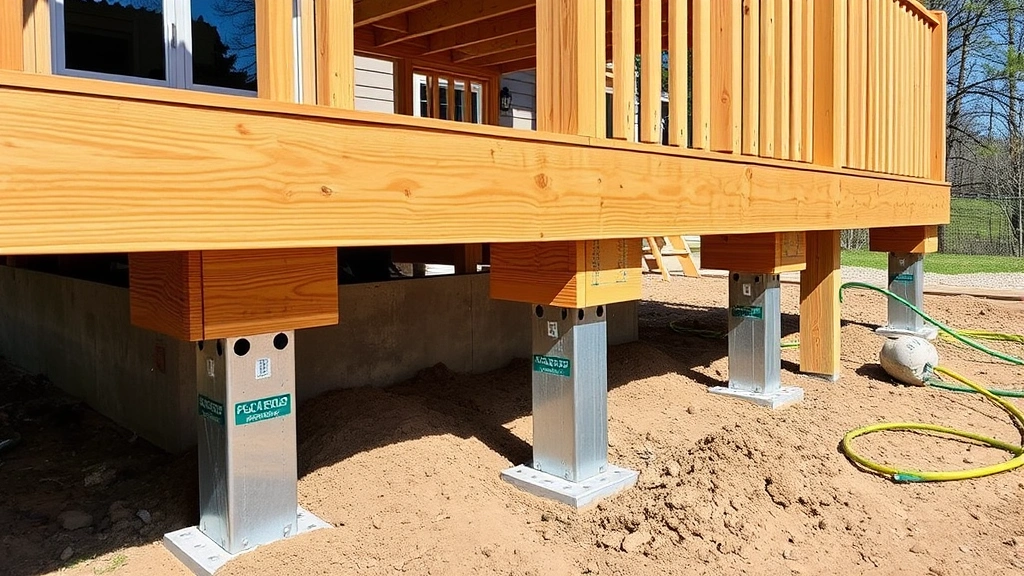
The foundation of your deck determines everything about its longevity and safety. Improperly set posts are the leading cause of deck failures, collapses, and injuries. Posts must extend below the frost line—typically 36 to 48 inches deep in most climates, though this varies by region. The frost line depth prevents heaving caused by freeze-thaw cycles that can lift and destabilize your entire structure.
Each post should rest on a concrete footing that extends below grade. Never set posts directly on soil or concrete pads sitting on the surface. Use galvanized or stainless steel post bases that elevate the wood slightly above the concrete, preventing moisture accumulation and rot. Posts should be at least 6×6 inches for most residential decks, though International Building Code (ICC) standards may require larger dimensions depending on span and load requirements.
Spacing between posts typically shouldn’t exceed 8 feet, but consult local codes and joist tables to determine appropriate spacing for your specific design. Posts must be perfectly plumb—use a level on multiple sides before securing with fasteners. Inadequate or crooked posts create uneven weight distribution, leading to sagging, cracking, and eventual failure.
When constructing your deck’s foundation, consider the soil composition at your site. Sandy or clay soils may require wider concrete footings to distribute weight properly. In areas with poor drainage, install a gravel bed beneath footings to promote water runoff. Always verify local frost line requirements through your building department or ICC resources before digging.
Proper Fastening and Hardware
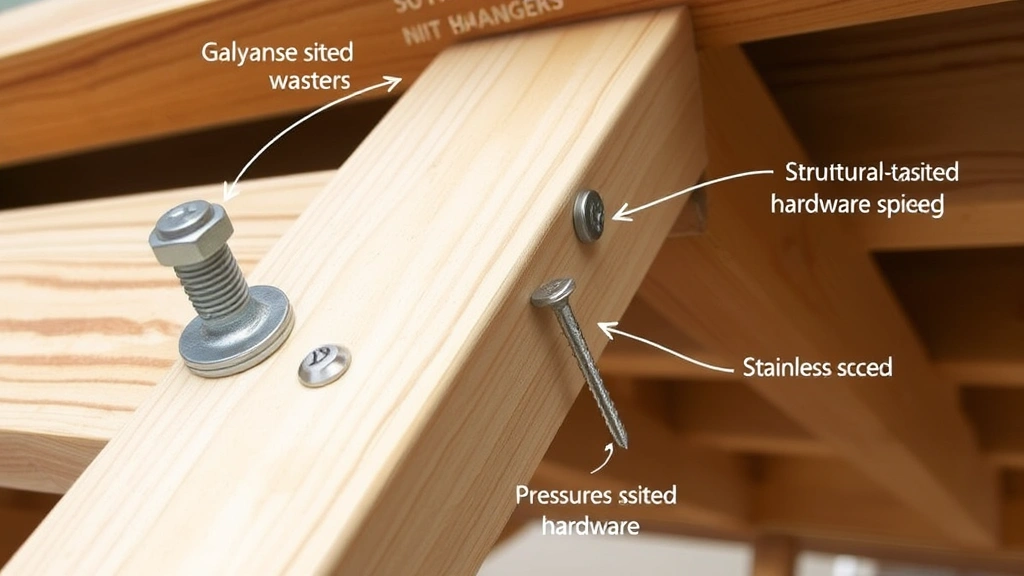
Using correct fasteners is non-negotiable for deck safety. Galvanized, stainless steel, or coated fasteners resist corrosion far better than standard hardware. Never use regular nails for deck construction—they work loose over time as wood shrinks and expands with seasonal moisture changes. Deck screws or bolts provide superior holding power and resistance to withdrawal.
Joist hangers connect beams to posts and require specific fasteners—typically 16-gauge galvanized nails or structural screws. Using undersized or incorrect fasteners in hangers significantly compromises connection strength. Install all fasteners at the designated holes; skipping holes reduces holding capacity. Bolted connections at posts should use ½-inch diameter bolts with washers and lock washers to prevent loosening.
Spacing fasteners according to code ensures adequate load distribution. For most deck framing, fasteners should be spaced 12 to 16 inches apart. Rim joists and ledger boards have specific fastening requirements—typically ½-inch bolts spaced 16 inches apart, attached directly to the house rim joist, never into rim board or band board alone. This connection is critical because it bears tremendous stress from the deck’s weight and occupant loads.
When working with DIY woodworking projects like deck building, invest in quality fasteners. Cheap hardware fails prematurely, creating safety hazards and expensive repairs. Purchase fasteners rated for exterior use and appropriate for your wood species and climate conditions.
Structural Load Calculations
Understanding load capacity prevents catastrophic failures. Residential decks must support a minimum live load of 40 pounds per square foot according to most building codes, plus the dead load (the deck’s own weight). This means a 10×12-foot deck must safely support approximately 4,800 pounds of additional weight beyond the structure itself.
Joist sizing depends on span, spacing, wood species, and grade. Standard pressure-treated lumber grading affects strength significantly—#2 grade is acceptable for most residential decks, but verify with code officials. Joist span tables in building codes show maximum distances joists can span based on these factors. Undersized joists create sagging, cracking, and potential collapse under snow load or crowded gatherings.
Beam sizing follows similar principles. Beams support joists and must handle concentrated loads at post locations. Doubled or tripled beams handle longer spans and heavier loads. Never assume standard sizing; consult span tables specific to your lumber grade, species, and spacing configuration. When in doubt, use larger members—the cost difference is minimal compared to repair expenses or injury liability.
Snow load considerations are critical in many regions. A typical snow load adds 20 to 40 pounds per square foot depending on climate. This significantly increases required structural capacity. In heavy snow areas, deck designs may require reinforced joists, closer post spacing, or reduced deck size. Consult local building departments about snow load requirements for your specific location.
Guardrail and Railing Safety
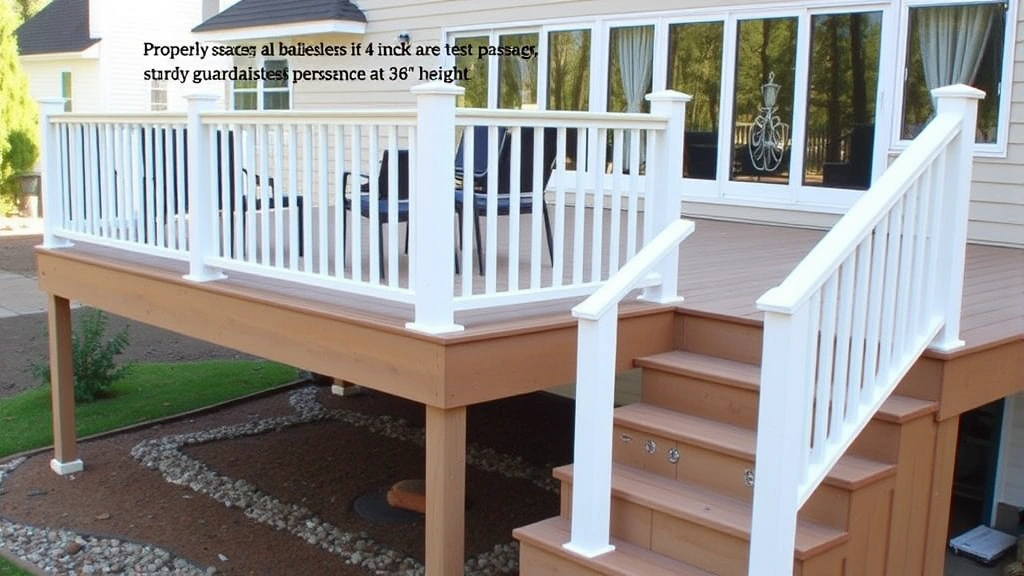
Guardrails prevent falls from elevated decks and are legally required on decks more than 30 inches above grade. Railings must be at least 36 inches high measured from the deck surface. Building codes specify that the top rail must support 200 pounds of force applied horizontally without deflecting more than 1 inch. This prevents people from accidentally falling through or over weak railings.
Balusters (the vertical members between posts) must be spaced no more than 4 inches apart. This prevents children’s heads from becoming trapped or bodies from passing through. A 4-inch sphere should not pass through any opening in the railing system—test this during construction to ensure compliance. Many child injuries occur when balusters are spaced too far apart.
Corner posts and end posts require special attention. They must be securely fastened and structurally capable of handling lateral forces. Use bolted connections rather than nailed connections at these critical points. Test railings by applying firm pressure to ensure they don’t move, flex excessively, or show signs of weakness.
Deck stairs must have railings on at least one side if more than 3 or 4 steps (codes vary by jurisdiction). Handrails must be graspable and positioned between 34 and 38 inches above stair nosing. Many codes require handrails on both sides for wider stairs. Ensure railings are continuous without gaps that could trap limbs or heads.
Stair Construction Standards
Deck stairs present unique safety challenges requiring precise construction. Step rise (vertical height) must be uniform—typically 7 to 7.75 inches per step. Varying rise heights cause tripping hazards and falls. Similarly, tread depth (horizontal step surface) should be consistent, typically 10 to 11 inches. These dimensions follow NFPA safety standards and building codes to ensure safe, predictable stair performance.
Calculate stair geometry carefully before construction. Total rise divided by individual step rise determines the number of steps. If calculations don’t result in whole numbers, adjust the design rather than creating irregular steps. A simple miscalculation can result in dangerously steep or shallow stairs that cause falls.
Stair stringers (the angled supports) must be properly sized and fastened. Bolted connections at the deck rim and ground are essential. Stringers typically require 2×12 lumber for residential decks to maintain adequate strength despite the cut-outs for treads. Never use 2×10 stringers for stairs—they lack sufficient structural capacity after cut-outs.
Treads must have anti-slip surfaces, especially in wet climates. Pressure-treated lumber alone can become dangerously slippery when wet. Apply adhesive-backed anti-slip tape or use textured stain products to provide traction. This simple addition prevents slips and falls, particularly for children and elderly visitors.
Weather and Material Considerations
Wood selection significantly impacts deck longevity and safety. Pressure-treated lumber resists rot and insects but requires proper fastening because the treatment process can make wood brittle. Cedar and redwood offer natural rot resistance but are more expensive. Composite materials eliminate rot concerns but have different fastening and thermal expansion characteristics.
Moisture management prevents rot, which compromises structural integrity. Ensure proper drainage beneath and around the deck. Sloped surfaces shed water rather than pooling. Install flashing where the deck attaches to the house to prevent water intrusion into the rim board or foundation. Without proper flashing, water enters the house, causing interior damage and structural decay.
Seasonal expansion and contraction require loose fastening strategies. Leave small gaps between boards for expansion. Use fasteners that allow slight movement rather than rigid connections that can split wood. Composite materials expand more than wood—consult manufacturer specifications for proper spacing recommendations.
UV exposure degrades wood over time, requiring periodic sealing and staining. While primarily aesthetic, proper maintenance prevents surface checking and minor rot that could lead to more serious structural issues. Inspect your deck annually, especially in spring and fall, for signs of rot, loose fasteners, or structural movement.
Electrical Safety Near Decks
If your deck includes outdoor lighting, outlets, or hot tubs, electrical safety is paramount. All outdoor electrical circuits must be protected by ground fault circuit interrupters (GFCI). GFCIs detect electrical imbalances and shut off power within milliseconds, preventing electrocution. Install GFCI outlets at least 6 feet from water sources and always use them for wet-location applications.
Wiring must be rated for outdoor use and properly installed in conduit. Never run standard indoor wire across deck surfaces or through walls without protection. Outdoor-rated wire with UV protection resists degradation from sun exposure. Hire a licensed electrician for any complex wiring rather than attempting DIY electrical work—the safety risks are substantial.
Keep electrical components at least 10 feet away from pools or hot tubs. If your deck overlooks water or includes a spa, hire a professional electrician familiar with these specific requirements. Electrical codes for wet locations are more stringent than general outdoor requirements.
Before beginning construction, mark underground utility lines. Call 811 in the US to request free utility marking. Hitting electrical lines during post digging can be fatal. This simple safety step takes minutes but prevents catastrophic accidents.
FAQ
How deep should deck posts be buried?
Posts must extend below the frost line in your region, typically 36 to 48 inches deep. Check with your local National Association of Home Builders (NAHB) resources or building department for exact requirements in your climate zone. Posts sitting above the frost line heave upward during freeze-thaw cycles, destabilizing the entire structure.
Can I use nails instead of bolts for deck construction?
Never use nails for primary structural connections on decks. Nails work loose as wood moves seasonally, creating safety hazards. Use deck screws or bolts for all critical connections, particularly ledger board attachments and post-to-beam connections. This investment in proper fasteners prevents future failures.
What’s the maximum distance between deck posts?
Standard spacing is typically 8 feet maximum, but consult joist span tables and local codes for your specific situation. Closer spacing (4 to 6 feet) may be required for longer joist spans or heavier snow loads. Wider spacing requires larger, more expensive lumber and reduces load capacity.
Do I need a building permit for a deck?
Most jurisdictions require permits for decks, especially those over 30 inches high or larger than a certain square footage. Permits ensure compliance with safety codes and proper inspections. Unpermitted decks create liability issues and problems when selling your home. The permit cost is minimal compared to potential repair or legal expenses.
How often should I inspect my deck?
Inspect your deck thoroughly in spring and fall, checking for loose fasteners, rot, cracks, and structural movement. After severe weather, briefly inspect for obvious damage. Small issues caught early are inexpensive to repair; ignored problems become expensive and dangerous.
What’s the difference between pressure-treated and composite decking?
Pressure-treated lumber is less expensive but requires periodic maintenance and eventually rots despite treatment. Composite materials resist rot and require minimal maintenance but are more expensive and expand/contract more than wood. Choose based on budget, maintenance tolerance, and aesthetic preferences.


