Hatching Robin Eggs: Expert Timeline Guide
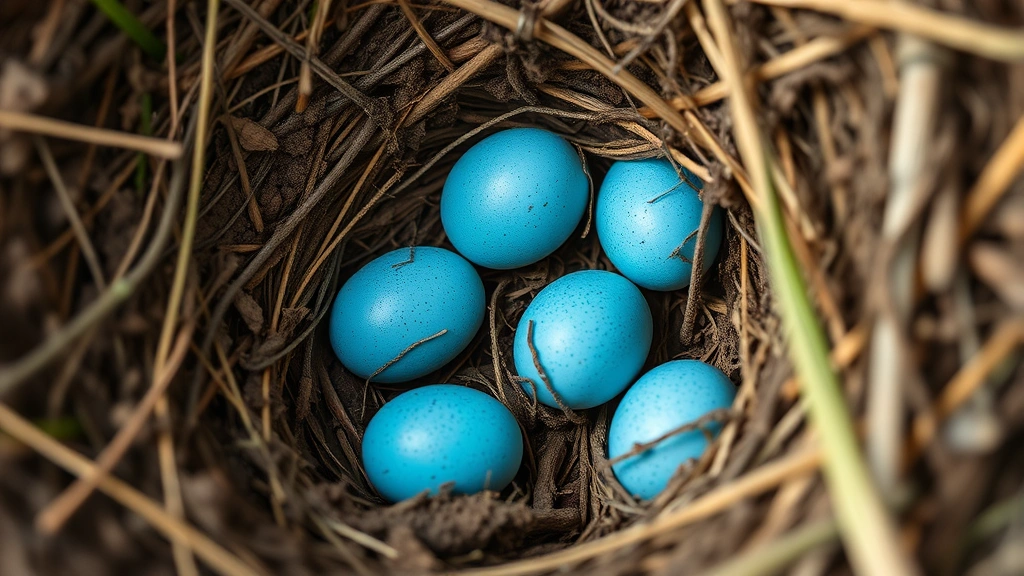
Robin eggs are among the most recognizable symbols of spring and new life. These distinctive blue-green eggs represent one of nature’s most fascinating developmental processes. Whether you’re a backyard birdwatcher, a wildlife enthusiast, or someone managing a nesting area on your property, understanding the incubation timeline is essential for proper observation and care.
The journey from laid egg to fledgling robin typically spans 12-14 days of incubation, followed by another 9-16 days in the nest after hatching. This complete timeline represents a critical period where environmental factors, parental care, and timing all play crucial roles in ensuring successful reproduction. Knowing what to expect during each phase helps you appreciate the process and respond appropriately if intervention becomes necessary.
This guide walks you through every stage of robin egg development, from the moment the first egg appears in the nest through the exciting day chicks break free. We’ll explore the science behind incubation, the conditions that affect hatching success, and practical tips for supporting wild robin populations on your property.
Robin Egg Incubation Timeline: The 12-14 Day Process
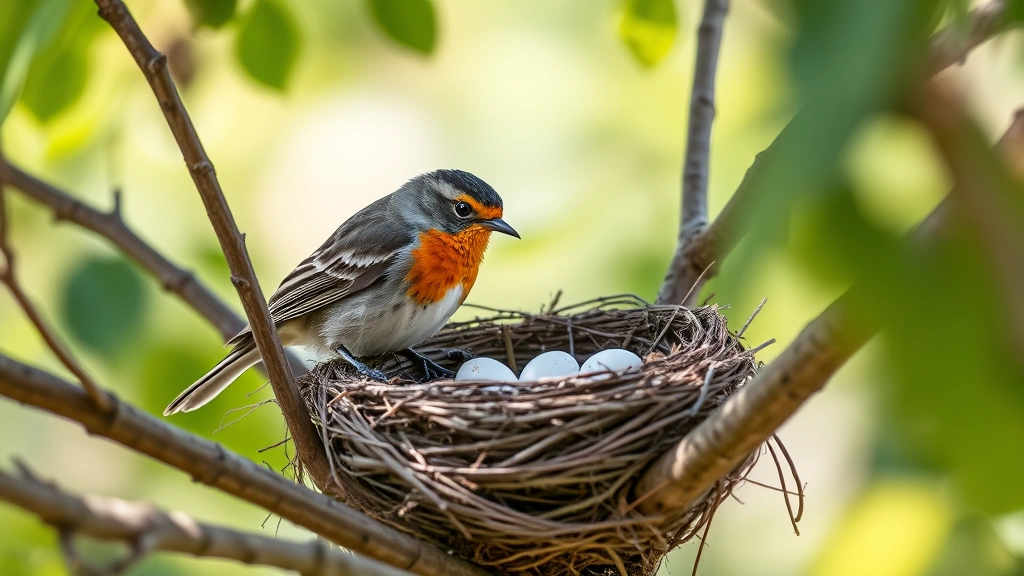
Robin eggs require approximately 12 to 14 days of consistent incubation before hatching occurs. This timeframe begins the moment the female robin starts sitting on her complete clutch, typically after laying 3-4 eggs. The female robin does virtually all the incubating, sitting on the eggs for extended periods throughout the day and night to maintain the precise temperature required for embryonic development.
Days 1-3: During the initial phase, the embryo begins cell division and develops basic structures. The female robin settles into her nest, creating a warm microclimate through direct body contact. She leaves the nest only briefly for feeding, sometimes just 15-20 minutes at a time during this critical early period.
Days 4-7: By the middle of the first week, the embryo has developed a primitive heart, blood vessels, and the beginning of organs. The robin’s body temperature, maintained at approximately 104-105°F (40-40.5°C), creates the ideal incubation environment. During this phase, the embryo becomes increasingly sensitive to temperature fluctuations.
Days 8-11: The embryo develops recognizable features including eyes, beak, and feather buds. The yolk sac begins transferring nutrients directly into the developing chick’s body. At this stage, the embryo positions itself to eventually break through the shell, a process called “pipping.”
Days 12-14: The final days involve the chick absorbing the remaining yolk, which provides nutrition for the first days after hatching. The chick’s lungs begin functioning, and it starts breathing air from the air cell inside the egg. On day 12 or 13, the chick uses a specialized structure called an “egg tooth” to create an initial break in the shell. The actual hatching process, called “pipping,” may take 12-24 hours from the first break to complete emergence.
Understanding Robin Nesting Behavior and Egg Laying
Female American robins typically lay one egg per day, usually in the early morning hours. The clutch size averages 3-4 eggs, though clutches can range from 2-5 eggs depending on environmental conditions and the bird’s health status. Understanding this laying pattern is crucial because incubation doesn’t begin until the clutch is complete or nearly complete, which means eggs laid on different days won’t hatch simultaneously.
This staggered hatching is actually advantageous for robins. When eggs hatch over a period of hours or even a day, the oldest chicks gain a size and strength advantage, helping ensure at least some chicks survive even if food becomes scarce. The first-hatched chick may be significantly larger than the last, creating a natural hierarchy that increases overall clutch survival rates.
Once the female robin lays her final egg, she commits to full-time incubation. She remains on the nest for approximately 80% of the daylight hours and throughout the night. The male robin provides food for the female during this period, bringing her insects and berries. This partnership is essential because the female cannot adequately forage while maintaining the eggs’ temperature.
The robin’s nest itself plays an important role in successful incubation. Built from mud, grass, and plant material, the nest is cup-shaped and approximately 3-4 inches deep. The female lines the interior with fine grass and feathers, creating insulation that helps maintain consistent temperature. When you’re planning outdoor spaces or considering garden projects, protecting these nesting sites ensures successful reproduction.
Environmental Factors Affecting Hatching Success
Temperature stands as the most critical environmental factor influencing robin egg development. Embryos require consistent warmth between 99-102°F (37.2-38.9°C) for proper development. Temperatures below this range slow development significantly, while temperatures exceeding 103°F (39.4°C) can cause permanent damage or death.
Cold snaps and late-season freezes present serious challenges for early-nesting robins. A sudden drop in temperature can interrupt development if the female leaves the nest or if her body temperature drops significantly. Extended periods below 50°F (10°C) during incubation can add several days to the hatching timeline or cause complete clutch failure.
Humidity levels also significantly impact hatching success. The egg’s shell is porous, allowing water vapor to escape throughout incubation. Proper humidity levels, typically between 40-60%, ensure the air cell develops to the correct size. Humidity that’s too low causes excessive water loss, while excessive humidity prevents adequate gas exchange.
Rainfall and weather events can affect incubation by altering nest humidity and temperature. Heavy rain may cause the female to leave the nest, exposing eggs to temperature drops. However, robins have evolved to handle typical spring weather patterns, and brief exposures to cool, wet conditions rarely cause problems.
Predation and disturbance introduce human factors into the equation. While not directly affecting embryonic development, nest disturbance can cause the female to abandon eggs prematurely. According to Audubon Society guidelines, observing nests should be done from a distance without handling eggs or lingering near the nest site.
Nutrition of the female robin indirectly affects egg viability. A well-nourished female produces stronger eggs with better survival rates. During incubation season, ensuring adequate food sources through native plants and avoiding pesticides supports robin populations.
Signs Your Robin Eggs Are About to Hatch
Recognizing pre-hatching signals helps you anticipate the exciting moment when chicks emerge. These signs typically appear during days 11-14 of incubation, though exact timing varies based on temperature consistency and individual variation.
Internal pipping: One to two days before the shell breaks externally, the chick pierces the membrane separating it from the air cell inside the egg. This is called “internal pipping” and allows the chick to begin breathing air. You may hear faint chirping sounds from inside the egg during this phase, though these sounds are often inaudible to human ears.
Egg tooth visibility: If you observe the egg from a distance (without handling), you might notice a tiny white protrusion on the chick’s bill—the egg tooth. This specialized structure is used only for breaking through the shell and falls off within days after hatching.
Pip marks: External pipping begins when the chick uses its egg tooth to create a small hole in the shell. This “pip” appears as a tiny hole, often with a small crack radiating from it. Once external pipping begins, hatching typically occurs within 12-24 hours.
Increased activity: During the final stages, chicks become more active inside the egg, sometimes causing slight movement visible from outside the nest. The female robin may appear more attentive, spending even more time on the nest.
Female behavior changes: The mother robin may spend more time turning the eggs and adjusting her position more frequently. She might also vocalize more, with some researchers suggesting she communicates with the developing chicks inside the eggs.
Timing synchronization: Interestingly, chicks often hatch within hours of each other despite being laid days apart. This suggests communication between developing chicks triggers synchronized hatching. The first chick’s chirping may stimulate other chicks to accelerate their hatching process.
Post-Hatch Development: From Chick to Fledgling
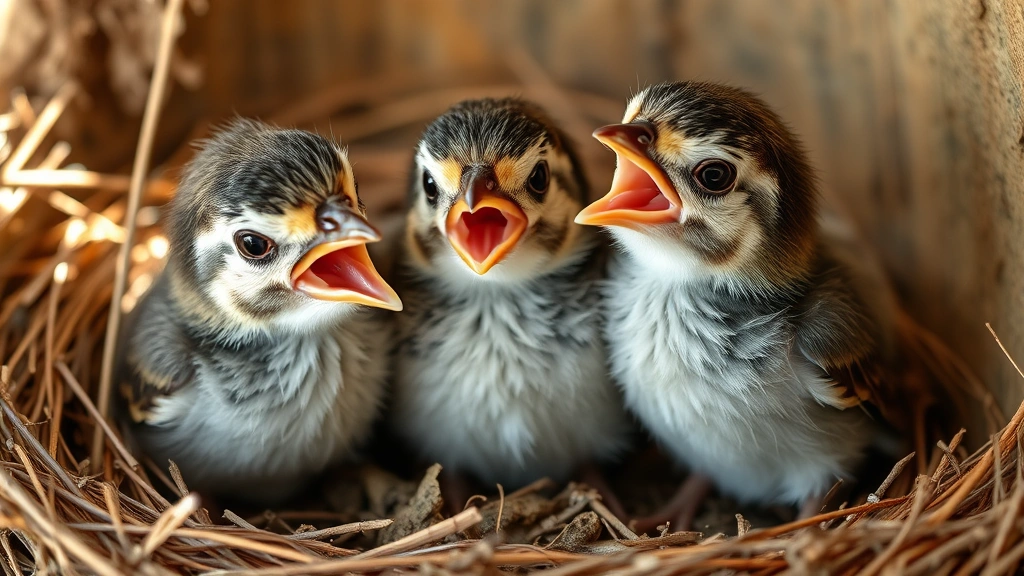
The moment a chick breaks free from its egg marks the beginning of an equally dramatic 9-16 day period spent in the nest. Newly hatched robins are completely helpless, blind, and nearly naked except for sparse down feathers. They cannot regulate their own body temperature and depend entirely on their parents for survival.
Days 1-3 post-hatch: Chicks spend their first days mostly sleeping and digesting the yolk they absorbed before hatching. The female robin broods them constantly, maintaining body heat and protecting them from the elements. The male brings food to the female, who tears tiny pieces and feeds the chicks. Chicks produce fecal sacs—waste encased in a mucous membrane—which the parents remove, keeping the nest clean.
Days 4-7 post-hatch: Chicks become increasingly alert and active. Their eyes open around day 5, though vision remains limited initially. Feather growth accelerates, with juvenile plumage replacing natal down. Chicks begin begging for food with characteristic chirping calls. Feeding frequency increases dramatically as chicks grow rapidly, consuming approximately their body weight in food daily.
Days 8-12 post-hatch: Chicks now resemble miniature robins, though still covered in developing feathers. They spend increasing amounts of time standing and stretching their wings. The female robin begins brooding them less frequently, though still provides heat during cool nights. Feeding becomes nearly constant, with parents making dozens of trips daily to deliver insects, worms, and berries.
Days 13-16 post-hatch: Fledging—the moment chicks leave the nest—typically occurs around day 13-14, though some chicks may remain until day 16. Fledging doesn’t mean chicks can fly effectively; they flutter from the nest to nearby branches or ground, still dependent on parents for food for another 2-3 weeks. Parents continue feeding fledglings for 10-20 days after they leave the nest, gradually encouraging independence.
This rapid development from helpless chick to semi-independent fledgling represents one of nature’s most impressive transformations, all accomplished in just two to three weeks.
Creating Optimal Conditions for Robin Nesting
If you want to support robin populations on your property, creating suitable nesting conditions significantly increases breeding success. When you’re undertaking home improvement projects, consider how your modifications affect wildlife habitat.
Provide appropriate nesting structures: While robins build their own nests, they benefit from protected locations. Open shelves mounted under eaves, on garage walls, or on shed exteriors provide ideal platforms. Mount structures 6-15 feet high, ensuring protection from predators while maintaining visibility for the parents. Unlike cavity-nesting birds, robins don’t use enclosed nest boxes.
Maintain native vegetation: Shrubs and small trees provide natural nesting sites and food sources. Fruit-bearing shrubs like serviceberry, dogwood, and mulberry support robin populations. These plants also attract insects that robins rely on for protein, especially during breeding season. Avoid removing dead branches or dense vegetation during nesting season (typically March-August).
Eliminate pesticide use: Insecticides reduce the insect populations robins depend on for food. They also accumulate in robin tissues, potentially causing reproductive problems. Maintaining a chemical-free yard supports both robins and the broader ecosystem.
Provide water sources: Shallow water bowls or bird baths give robins places to drink and bathe. Fresh water encourages robins to remain on your property and supports their health during breeding season.
Minimize disturbance: Once you identify an active robin nest, observe from a distance and avoid unnecessary visits. Keep pets indoors or supervised, and discourage children from approaching nesting areas. The Migratory Bird Treaty Act protects robins and their nests, making it illegal to disturb active nests.
Leave nests after fledging: Once chicks fledge, you might be tempted to clean out the nest. However, robins often raise second or even third broods in the same nest. Leave it undisturbed through the end of summer to support additional breeding attempts.
Common Problems and When to Intervene
While most robin nests successfully hatch and fledge young, various problems can arise. Knowing when intervention is appropriate versus when to let nature take its course is crucial for both legal and ethical reasons.
Abandoned nests: A nest appears abandoned if the female hasn’t been seen for several hours during daylight. However, robins sometimes leave nests temporarily for extended periods. Observe from a distance for 1-2 hours before concluding abandonment. If truly abandoned, resist the urge to “rescue” eggs—they’re likely not viable, and interference violates federal law.
Failed hatching: If eggs remain unhatched past day 15-16 of incubation, they’ve likely failed. Causes include infertility, improper temperature, or developmental problems. Don’t attempt to open eggs to help chicks hatch; this typically kills the chick. Remove failed eggs only after you’re certain no additional eggs will hatch.
Predation: If you discover a destroyed nest or scattered eggs, predation has likely occurred. Cats, raccoons, crows, and snakes are common nest predators. Rather than trying to protect individual nests, support robin populations by maintaining multiple nesting sites and removing habitat attractants for predators.
Fallen chicks: Fledglings naturally leave nests before they can fly effectively. If you find a mostly feathered chick on the ground, it’s likely a fledgling, not a nestling. Leave it alone—parents continue feeding fledglings on the ground. Only intervene if the chick is injured, bleeding, or in immediate danger (such as in a roadway).
Parasites and disease: Nest flies, mites, and fungal infections occasionally affect robin nests. These problems are rarely severe enough to require intervention. If you notice significant infestation, consult with a wildlife rehabilitation specialist rather than attempting treatment yourself.
Legal considerations: The Migratory Bird Treaty Act protects robins, their eggs, and nests. It’s illegal to move nests, handle eggs, or harm birds without specific permits. If problems require intervention, contact your local wildlife rehabilitation center or animal control for guidance.
Understanding these common issues helps you respond appropriately when problems arise. Most of the time, the best intervention is minimal intervention—allowing natural processes to proceed while providing optimal habitat and protection.
FAQ
How long do robin eggs take to hatch from the day they’re laid?
Robin eggs typically take 12-14 days to hatch from the first day of incubation. However, incubation doesn’t begin until the clutch is complete or nearly complete. If a female lays 4 eggs over 4 days but doesn’t begin incubating until the last egg is laid, the first egg has been sitting unincubated for 3-4 days. From the perspective of when the first egg is laid to when the first chick hatches, the timeline can extend to 15-18 days.
Do all robin eggs in a clutch hatch on the same day?
Rarely do all eggs hatch on the same day. Because eggs are laid over several days and incubation typically begins before the final egg arrives, hatching is often staggered over 24-48 hours. This asynchronous hatching gives older chicks a development advantage, which can improve overall clutch survival rates when food becomes limited.
What temperature do robin eggs need to hatch?
Robin eggs require consistent temperatures between 99-102°F (37.2-38.9°C) for proper embryonic development. The female robin maintains these temperatures through direct body contact. Temperatures above 103°F can cause developmental damage, while temperatures below 95°F significantly slow development.
Can I handle robin eggs without hurting them?
Handling robin eggs is generally not recommended and may be illegal without permits. Beyond legal concerns, handling can disrupt the female’s incubation, expose eggs to temperature loss, and potentially cause damage. Additionally, human scent on eggs doesn’t cause parental rejection (a common myth), but disturbance can cause the female to abandon the nest. Observe nests from a distance instead.
How long do baby robins stay in the nest after hatching?
Nestling robins typically remain in the nest for 9-16 days after hatching, with 13-14 days being most common. During this period, they develop feathers, open their eyes, and grow from helpless chicks to semi-independent fledglings capable of leaving the nest. After fledging, parents continue feeding them for 2-3 additional weeks.
What should I do if I find a fallen robin egg?
If you find an intact egg on the ground, attempt to locate the nest and carefully place the egg back inside if possible. If you cannot locate the nest, you can create a makeshift nest (a small container with drainage holes) and secure it near where the egg was found. However, success rates are low, and the egg may not be viable. Never attempt to incubate the egg yourself without proper equipment and expertise.
Do male robins help incubate eggs?
No, male robins do not incubate eggs. The female robin does virtually all incubation work, sitting on the eggs for approximately 80% of daylight hours plus all night. The male’s role is providing food for the female during incubation and helping feed chicks after they hatch. This division of labor allows the female to maintain the constant warmth eggs require.
How many times do robins nest per year?
Most American robins raise 1-2 broods per year, with some southern populations raising 3 broods. The first nesting typically occurs in spring (March-May), with a second nesting in early summer (June-July) if the first was successful. The complete cycle from nest construction through fledgling independence takes approximately 6-8 weeks per brood.


